Define the Kenya site before choosing equipment
Kenya includes cool highland areas, hot inland zones and humid coastal conditions. Record coordinates, elevation and an hourly weather file for the planned production months. Add wind, intense rain, drainage, dust and power reliability. A greenhouse configuration that works in one county can overheat, trap humidity or carry unnecessary equipment in another.
The business brief should name the lettuce type, sale unit, customer, weekly demand, pack specification and acceptable losses. It should show whether the project uses soil, substrate, nutrient film technique or deep-water culture. Each method changes water treatment, drainage, sanitation, backup power and crop-loss exposure. Do not choose the frame before these duties are written.
Compare structure and ventilation at installed resistance
| Decision | Buyer input | Evidence to request |
|---|---|---|
| Structure | Local wind, rain, suspended loads, foundation and corrosion environment | Design basis, load combinations, reactions, connections and material protection |
| Natural ventilation | Outside temperature, wind direction, insect screen and crop obstruction | Net opening after screen, vent geometry and operating limits |
| Shade | Crop light boundary and deployment hours | Measured shade factor, control sequence and access for replacement |
| Forced or evaporative cooling | Dry-bulb, wet-bulb, water quality and power | Installed airflow, resistance, water balance and performance at named weather points |
Insect screens reduce pest entry but also resist airflow. Ask for calculations based on the selected mesh and dirty condition, not an open vent without a screen. Fan performance should be stated at the installed static pressure. Pads, filters, louvers and ductwork can reduce delivered airflow below a catalog value.
Stage heat control around local weather
Use a sequence that begins with the least resource-intensive stage that can meet the crop boundary. That may include venting, circulation and shade before fan ventilation, fogging or pad cooling. The designer should state the outdoor conditions for each stage and the expected indoor range. Evaporative methods need wet-bulb data and a water-quality plan.
Research on lettuce in tropical greenhouse systems shows that air and root-zone cooling choices can affect water demand, crop response and operating cost differently. Use that evidence to define a local trial and instrumentation plan. Do not copy one treatment’s setpoint or yield into a Kenya quotation without matching cultivar, greenhouse geometry, light and water conditions.
Size water treatment and storage for the peak hour
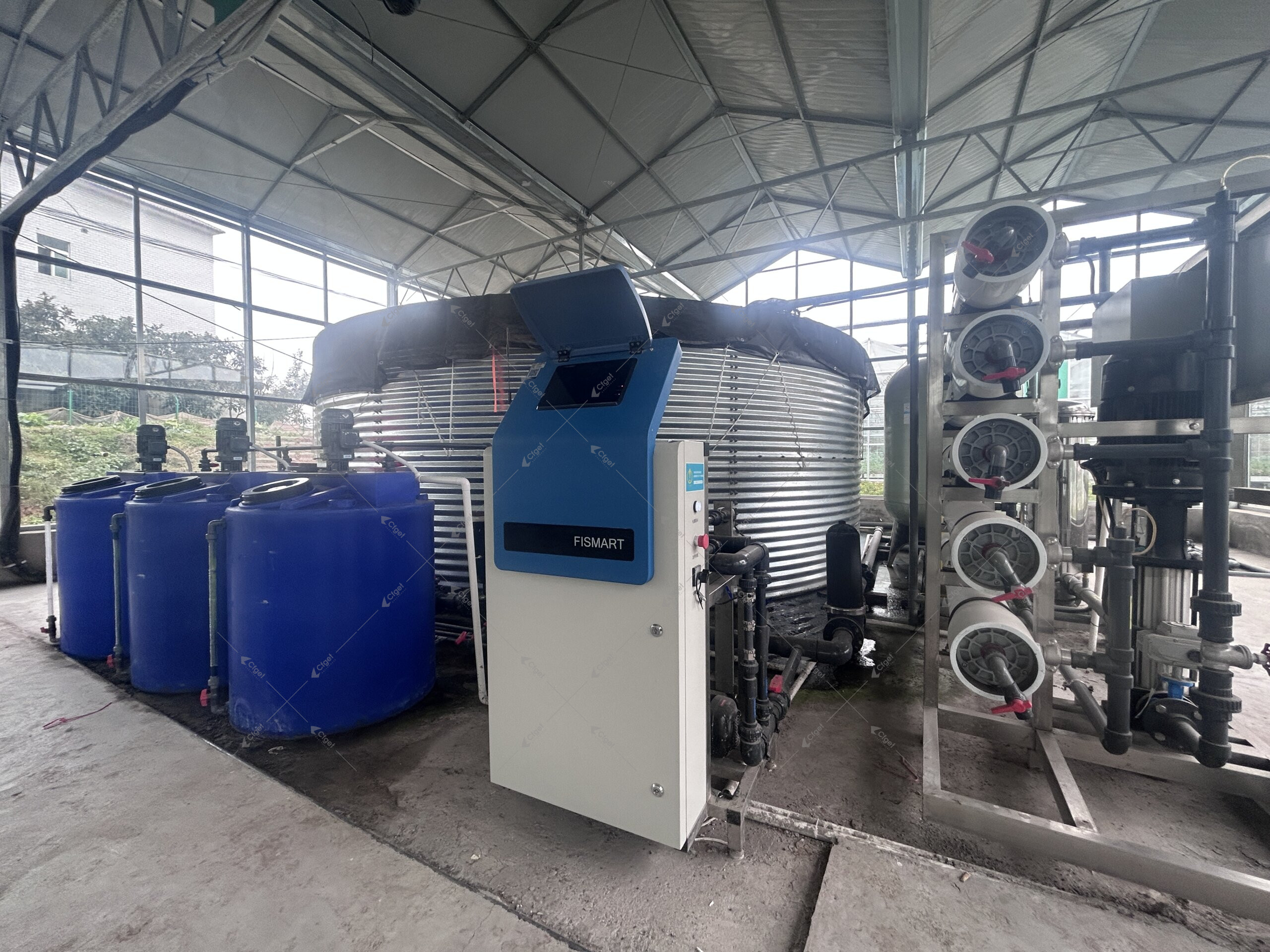
Send bidders a laboratory water analysis and the measured source flow. Include pH, electrical conductivity, alkalinity, sodium, chloride, bicarbonate, calcium, magnesium, iron, turbidity and relevant microbiological indicators. Borehole, surface and harvested water can need different treatment. The design should state storage autonomy for source interruptions and the method used to protect water quality in tanks.
For substrate or hydroponic production, define filtration, dosing, mixing, disinfection, irrigation zones, drain collection and cleaning access. State whether nutrient solution is reused. If it is, the crop adviser and water specialist should approve monitoring and sanitation. If it is discharged, the project team must identify the applicable local requirements.
Protect root-zone flow and oxygen during outages
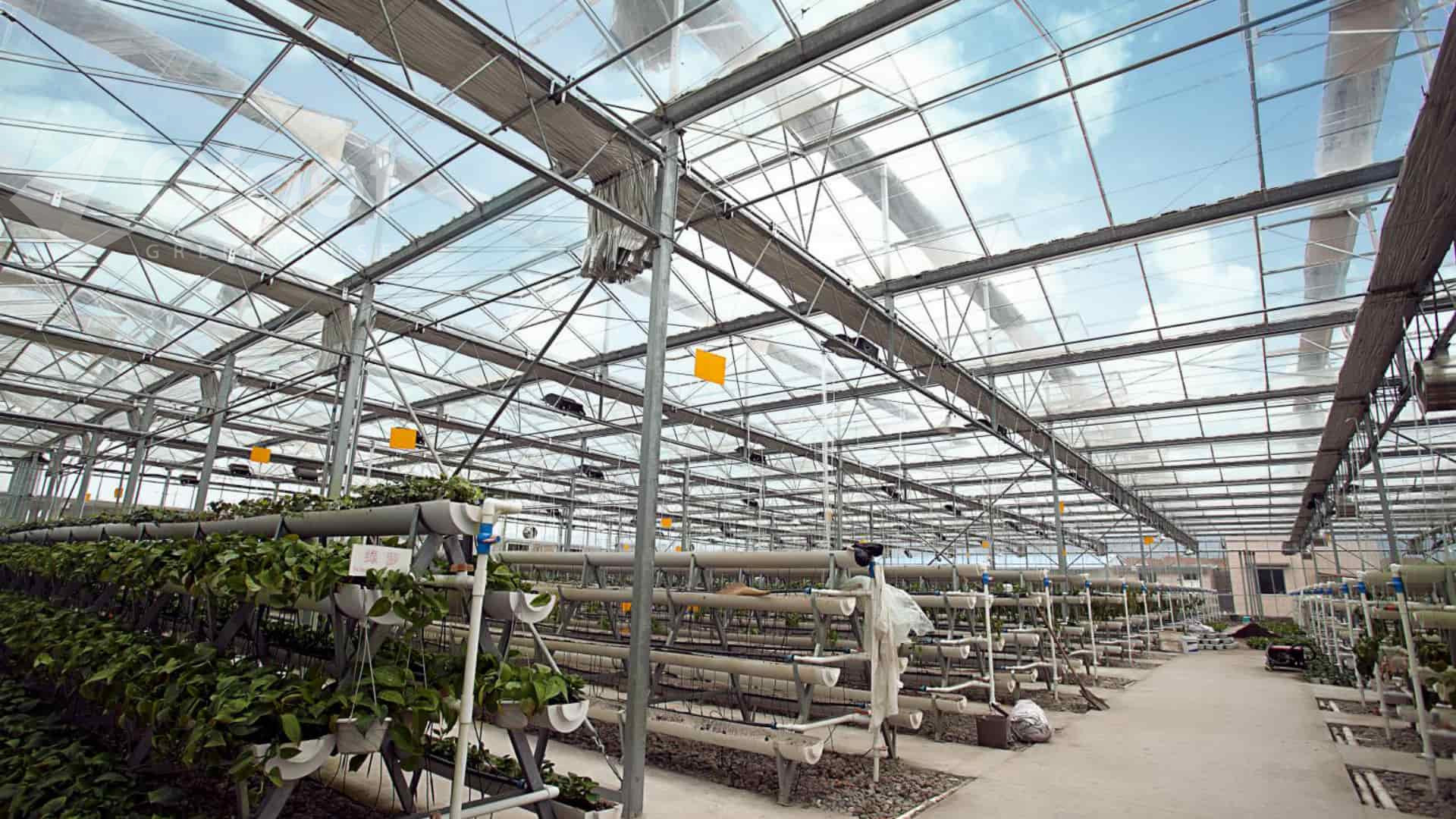
Nutrient film systems have little stored water at the roots and can be sensitive to pump failure. Deep-water systems depend on oxygenation and circulation. Substrate systems have a different buffer but still need reliable irrigation. Map the safe outage duration for the selected crop stage and weather, then size backup power and alarms around that limit.
Commission flow distribution at the farthest and highest points. Record allowable variation, drain return, channel slope, tank levels and failed-pump response. Provide isolation valves, labeled circuits, spare pumps or critical parts and a written restart method. A dashboard does not replace a safe hydraulic design.
Use an IPM layout, not a pesticide promise
Kenya greenhouse studies identify pests and diseases, water shortages, input cost and maintenance as common operational constraints. The layout should support prevention and early detection: screened openings, clean plant receipt, quarantine space, handwashing, tool storage, waste removal and crop inspection routes. Screen choice must be coordinated with ventilation capacity.
Ask the crop adviser to define monitoring points and action thresholds. The supplier should state the physical pest barriers and hygiene interfaces included in its scope. Chemical selection, biological controls and application procedures belong with responsible local advisers and must match the crop, pest, worker-safety rules and customer requirements.
Plan harvesting, cooling and dispatch
Lettuce quality can decline quickly after harvest if field heat remains in the product. Map the time from cutting to cooling, packing and dispatch. State the sale unit, crate or carton, wash process if any, cold-room duty and loading schedule. Put the pack and cooling spaces on the utility plan so their electrical and water demand is not omitted.
Show staff movement, clean and dirty routes, chemical storage, waste and maintenance access. Record aisle widths and trolley turning areas. Labor and post-harvest flow can decide usable output even when crop conditions are acceptable.
Normalize price and operating risk
Separate greenhouse structure, covering, vents, screens, shade, fans, cooling, irrigation, growing system, civil work, power, water treatment, freight, duties, installation, permits, commissioning and training. Record exclusions. Ask bidders to price the same crop area and installed duties.
Build the operating case from marketable heads, grade-out, selling channel, crop cycles, labor, energy, water, nutrients, packaging, maintenance, replacements and downtime. Test a downside case with lower sell-through and an outage. The equipment supplier can state capacity and consumption assumptions, but should not promise a universal yield, profit or payback.
Commission the full production chain
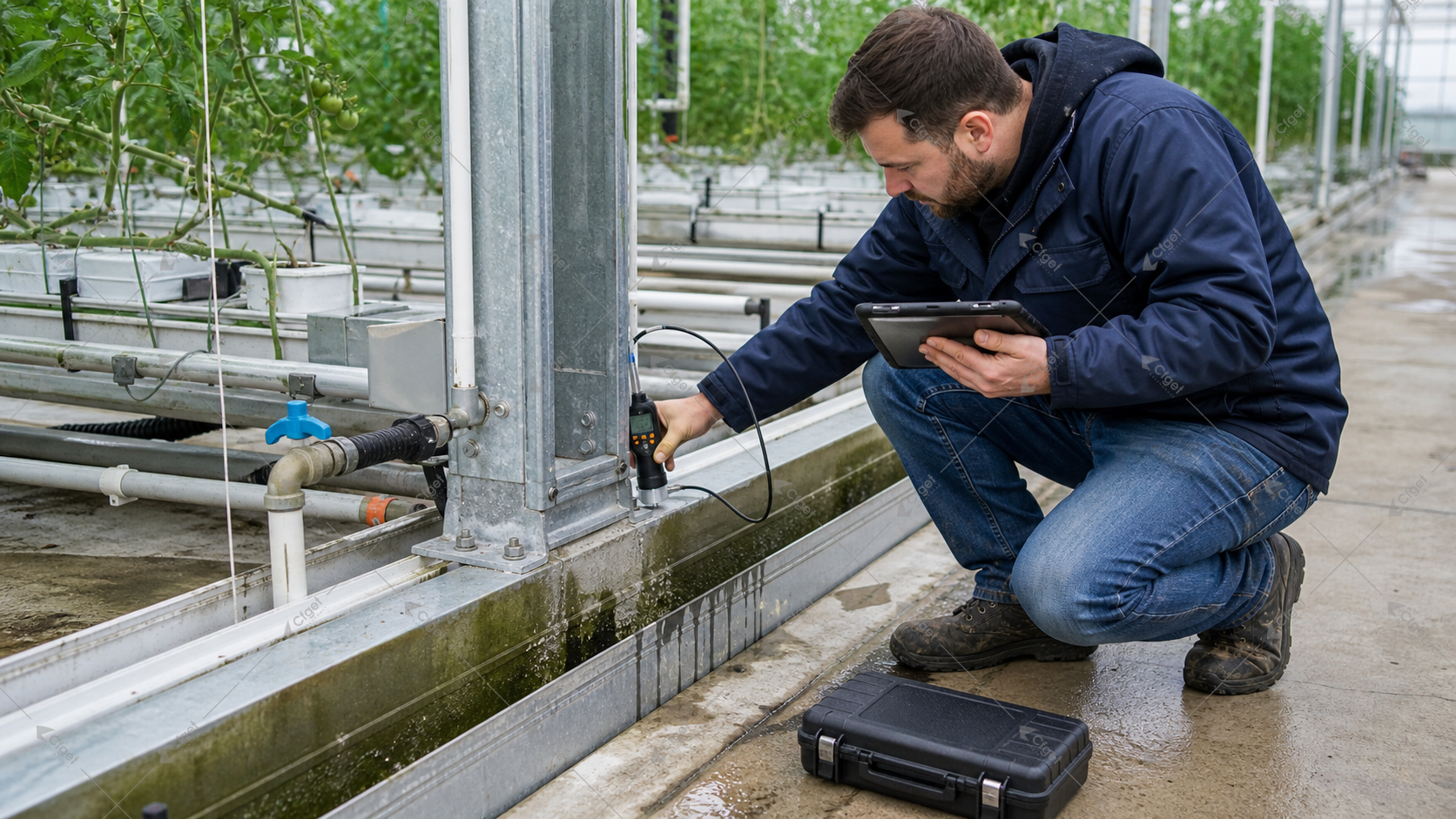
Test vents, screens, fans, cooling, irrigation, dosing, water treatment, drain collection, sensors, alarms and backup power. Include a pump, sensor, controller, network and normal power failure. Record the safe state, response time, recovery method and person responsible.
Handover should include drawings, equipment schedules, controls narrative, calibration records, water-test baseline, software backups, manuals, spare parts and training. Operators need these records during a hot afternoon or power event, not only during normal production.
RFQ inputs for a Kenya lettuce greenhouse
- Coordinates, elevation, site survey, drainage, access and expansion plan.
- Hourly weather file, local wind and rain criteria, dust and corrosion conditions.
- Lettuce type, sale unit, weekly demand, crop calendar and marketable-grade definition.
- Soil, substrate, NFT or deep-water method with zone size and crop-loss exposure.
- Temperature, humidity, light and extreme-event boundaries by crop stage.
- Water analysis, source flow, storage autonomy, treatment and discharge limits.
- Vent, screen, shade, fan and cooling duties at named outside conditions.
- Electrical capacity, outage history, backup power and alarm ownership.
- Hygiene, IPM, harvesting, packing, cooling, waste and maintenance flows.
- Installation, permits, commissioning, training, spares, service and exclusions.
Related CFGET resources
Use the greenhouse installation guide to assign project stages, the climate-control scope for ventilation and cooling interfaces, the irrigation and fertigation scope for the water brief, and the growing-systems overview when comparing substrate and hydroponic layouts.
Technical references
- East African Journal of Agriculture and Biotechnology: Kenya greenhouse challenges and opportunities
- African Journal of Agricultural Research: Greenhouse crop constraints in Kisii County
- CIGR Journal: Root-zone cooling for tropical greenhouse lettuce
Send CFGET the site, weather, market plan, crop system, water analysis, utilities and responsibility matrix. The quotation should expose assumptions, installed duties, drawings, exclusions and acceptance tests.