Planning to grow tomatoes, peppers or nursery plants under cover in Uzbekistan? Meet CFGET at AgroExpo Uzbekistan / Agrotech Expo, November 25–27, 2026, at Uzexpocentre in Tashkent. If you bring one document to an irrigation discussion, make it the water analysis for the source you actually intend to use. A photo of the site and a rough sketch of the growing area will help us put the numbers in context.
Start with the source, even if you have no test results yet
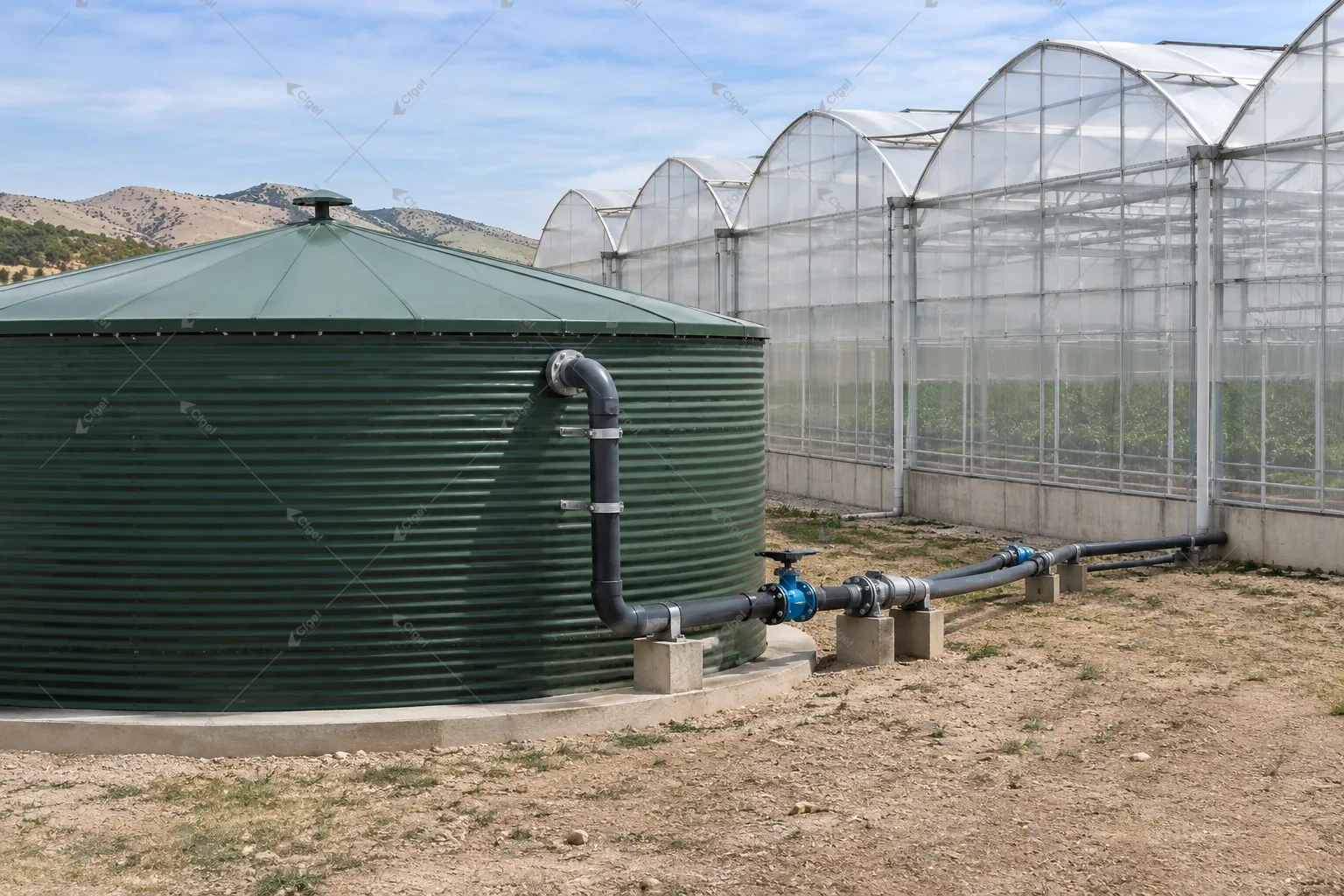
Will irrigation come directly from a well, from a storage tank, or from a supply shared with another part of the farm? Mark the source and the greenhouse on a simple site sketch. If you switch sources during the year, tell us when and why. A report from the village supply cannot answer a question about a different well.
No report yet? Come with the sketch. We can use the meeting to identify which supply needs testing and what information the project team still needs before specifying equipment.
Bring the report with its date, sampling point and units
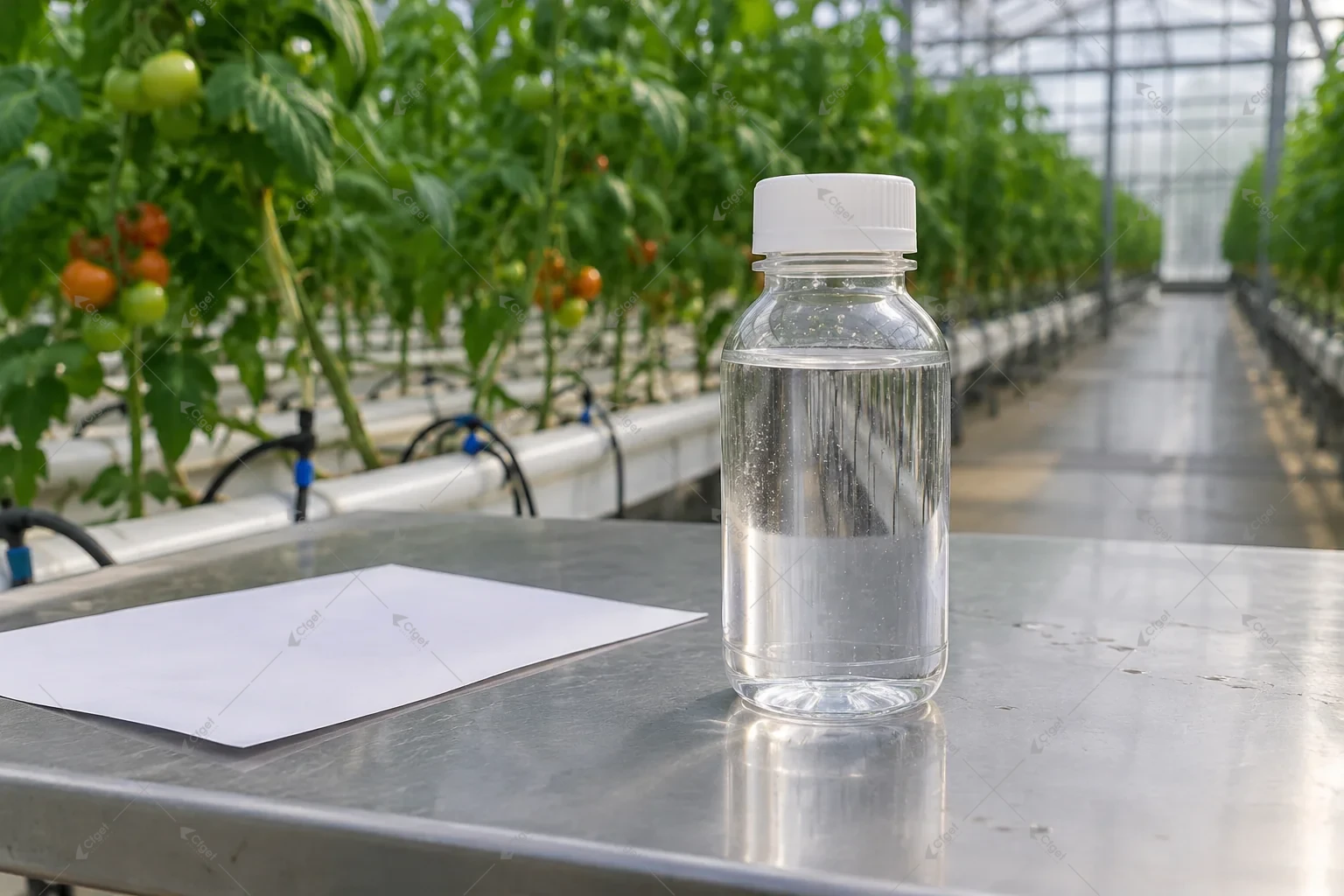
A phone photo of every page is fine if the results and units are legible. Note whether the sample came from the untreated source, a tank after treatment, or a line already carrying fertilizer. A single conductivity reading from the last of those points tells us little about the incoming water.
UMass Extension’s greenhouse water-analysis guidance recommends testing a prospective irrigation source before construction and considering alkalinity and soluble salts. Bring the lab report rather than a bottle of water to the show. If a new sample is needed, a local laboratory can give you collection instructions for the tests it will run.
Show where the water needs to go
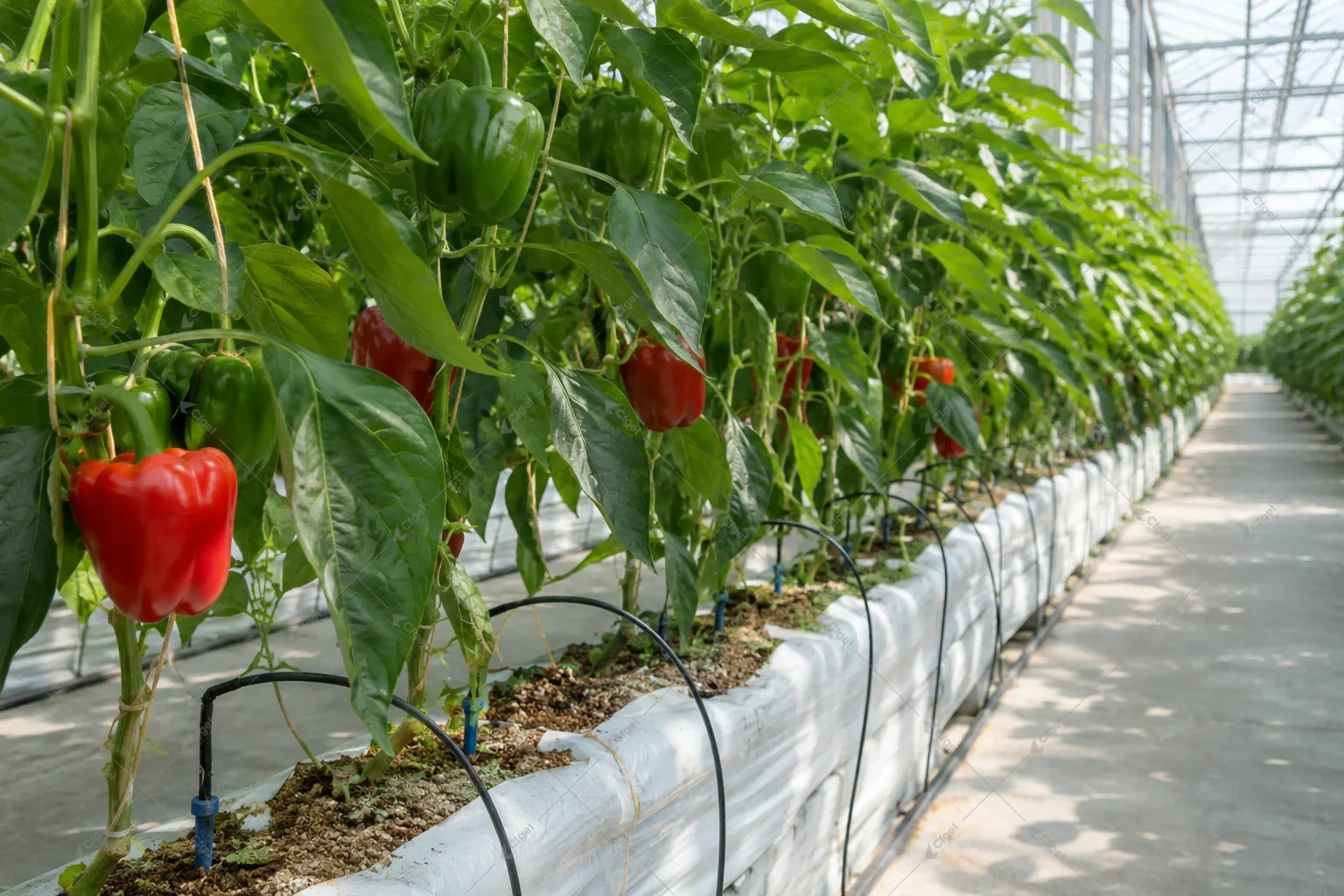
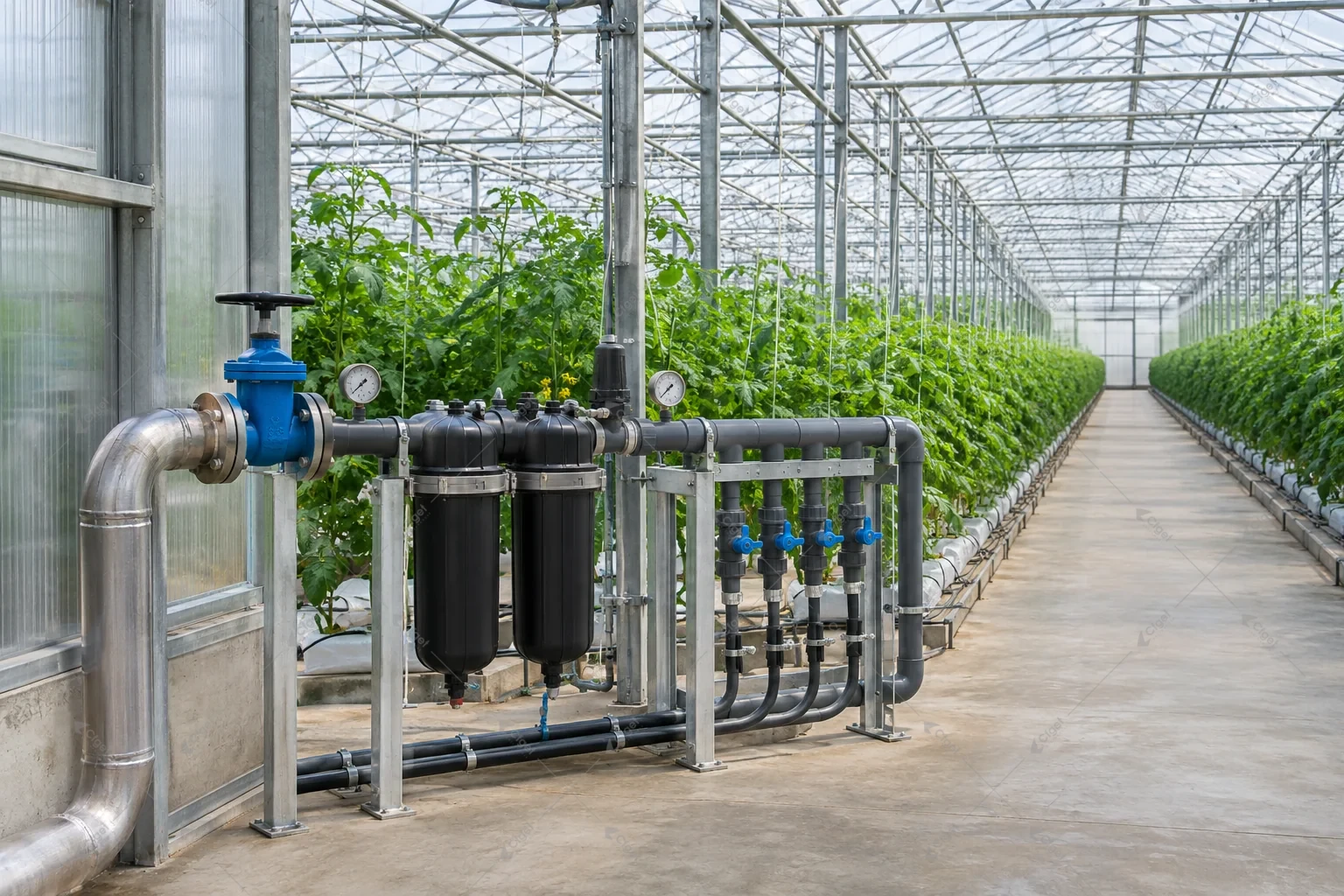
Mark the first growing block, any later expansion and the rows you expect to water at the same time. Tell us what is already installed. For example, a farm may own a tank yet have no record of the flow available at the proposed greenhouse connection. Those are separate facts, and the second one may determine the next site visit.
For an existing operation, a grower’s description can be more useful than an equipment catalogue: “The far rows receive less water when the second block starts” gives us something specific to investigate. It does not commit the farm to buying a larger pump.
Arrange a water-planning conversation in Tashkent
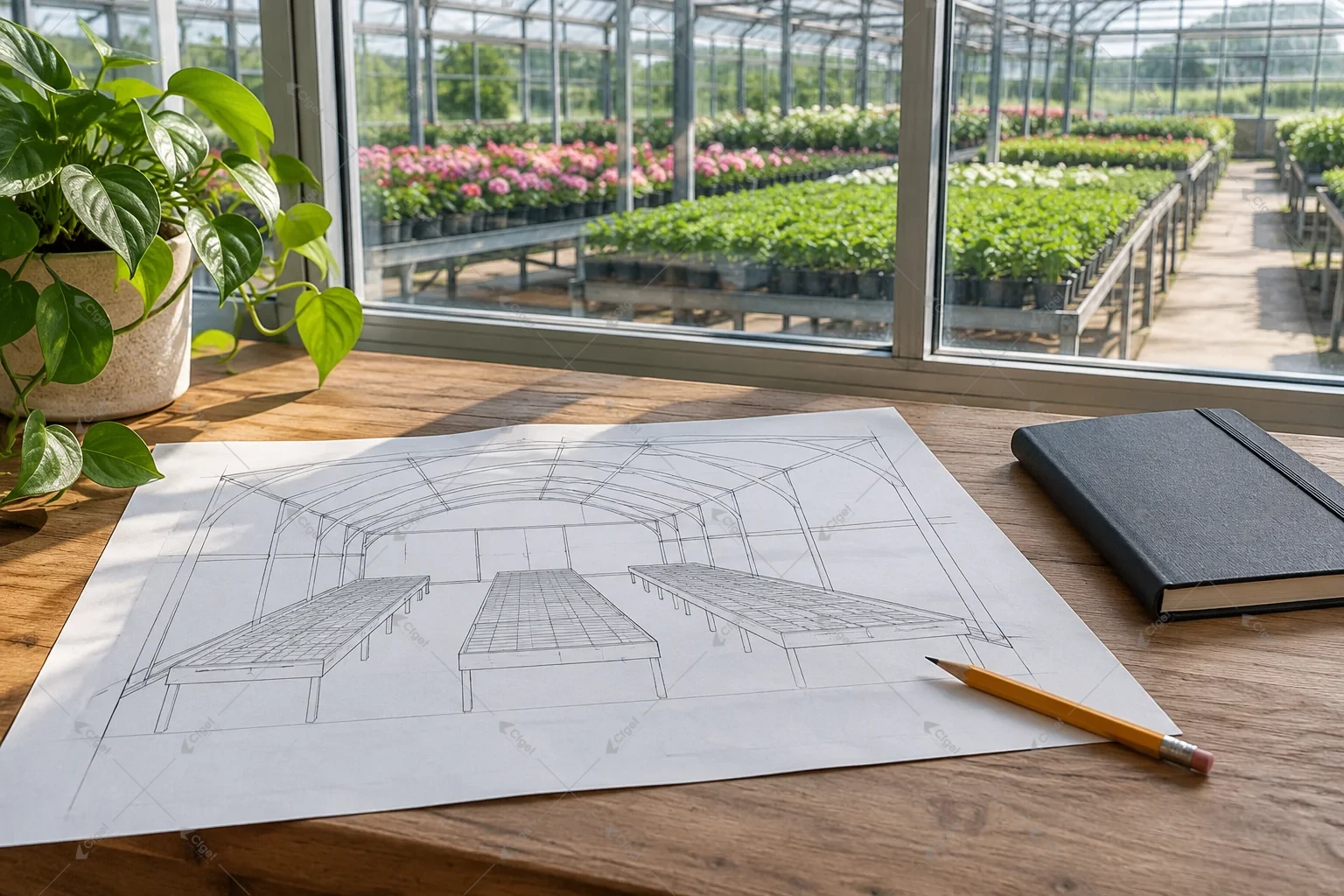
Contact CFGET with “Tashkent – irrigation” in your message, your crop, project location and preferred day. We can agree on a meeting point directly. The organizer’s visitor page gives the address and daily hours; CFGET’s Russian-language Central Asia project page is also available to share with your team.
The most useful outcome may be a short list: which water source is confirmed, which result belongs to it, and which field measurement is still missing before anyone prices the irrigation system.