Starting a greenhouse business feels overwhelming when you see the high costs and complex systems everywhere you look.
Tunnel greenhouses offer the most affordable entry into protected agriculture, with simple installation, durable materials, and proven returns that make them perfect for beginners and developing markets.
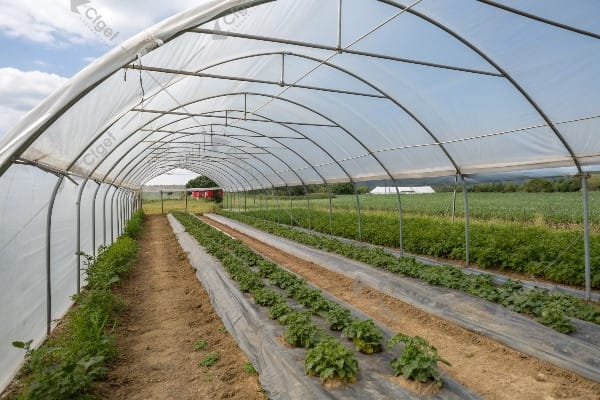
Simple tunnel greenhouses transforming agricultural landscapes worldwide.
When we started CFGET in 1996, we saw countless growers struggle with expensive greenhouse investments. Today, after helping establish over 5,000 tunnel greenhouse projects across 20 countries, we know that success in protected agriculture doesn’t require massive capital. Let me show you why tunnel greenhouses have become the backbone of agricultural development from Southeast Asia to Central Asia.
Unlocking the Benefits: Why Tunnel Greenhouses are Perfect for Beginners and Small-Scale Growers?
You want to start growing but traditional greenhouses cost too much and seem too complicated to manage.
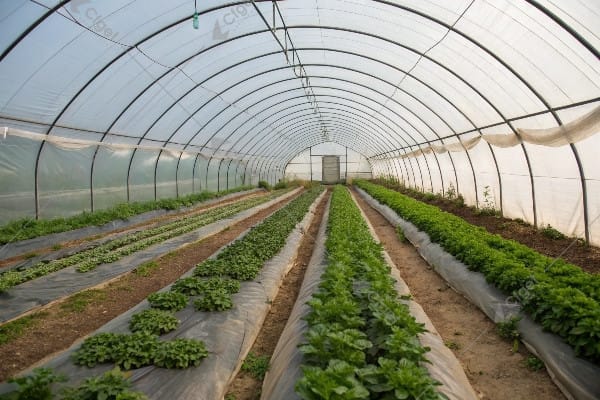
Tunnel greenhouses require 60-70% less initial investment than glass greenhouses while providing essential crop protection, making them ideal for first-time growers and small farms starting their protected agriculture journey.
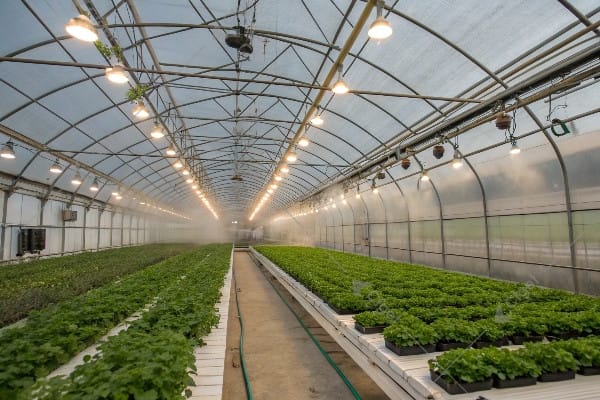
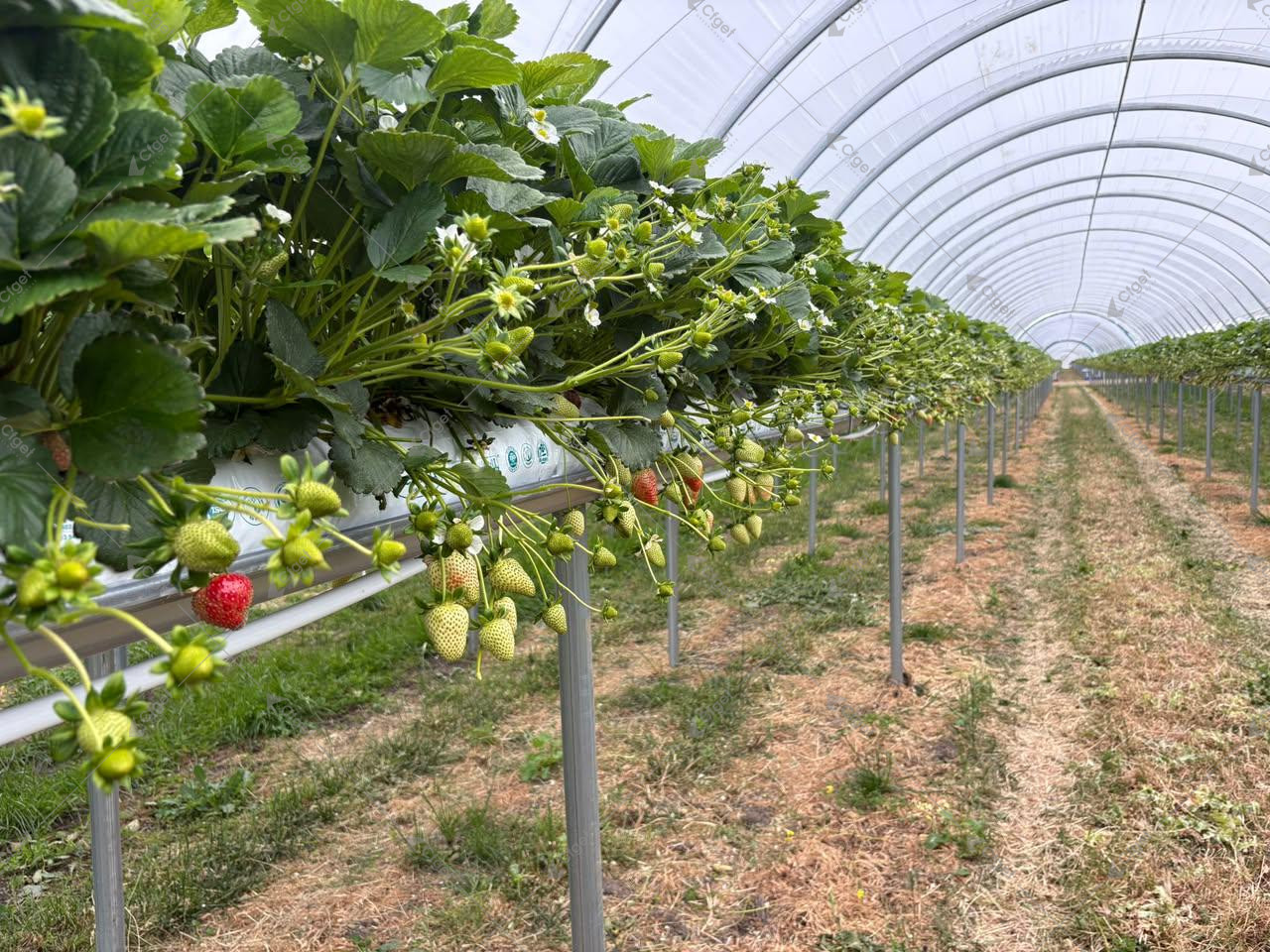
Thriving crops inside our basic tunnel greenhouse setup.
Breaking Down the Beginner Advantage
We’ve watched thousands of new growers succeed with tunnel greenhouses because these structures match perfectly with learning curves. The basic design means you control temperature through simple ventilation – roll up the sides when it’s hot, close them when it’s cold. No complex automation needed at first.
| Feature | Tunnel Greenhouse | Traditional Greenhouse |
|---|---|---|
| Initial Setup Time | 2-3 days | 2-4 weeks |
| Technical Knowledge Required | Basic | Advanced |
| Maintenance Complexity | Simple | Complex |
| First Harvest Timeline | 45-60 days | 45-60 days |
| ROI Period | 8-12 months | 24-36 months |
Small-scale growers particularly benefit because tunnel greenhouses scale with your growth. Start with one 30-meter tunnel, learn the basics of protected growing, then add more tunnels as your skills and market develop. We’ve seen farmers in Vietnam begin with a single tunnel and expand to twenty within three years, all funded by profits from their initial investment.
Built to Last: Simple Installation with Durable Hot-Dip Galvanized Steel?
Many growers worry that low-cost means low quality and constant repairs that drain time and money.
Hot-dip galvanized steel frames resist corrosion for 15+ years even in humid climates, while the modular design allows two people to complete installation in just 2-3 days without special tools.
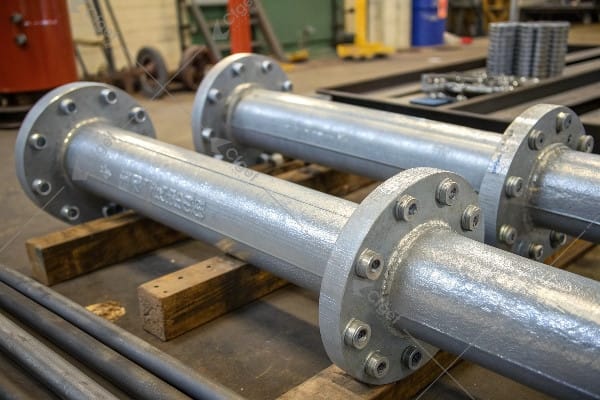
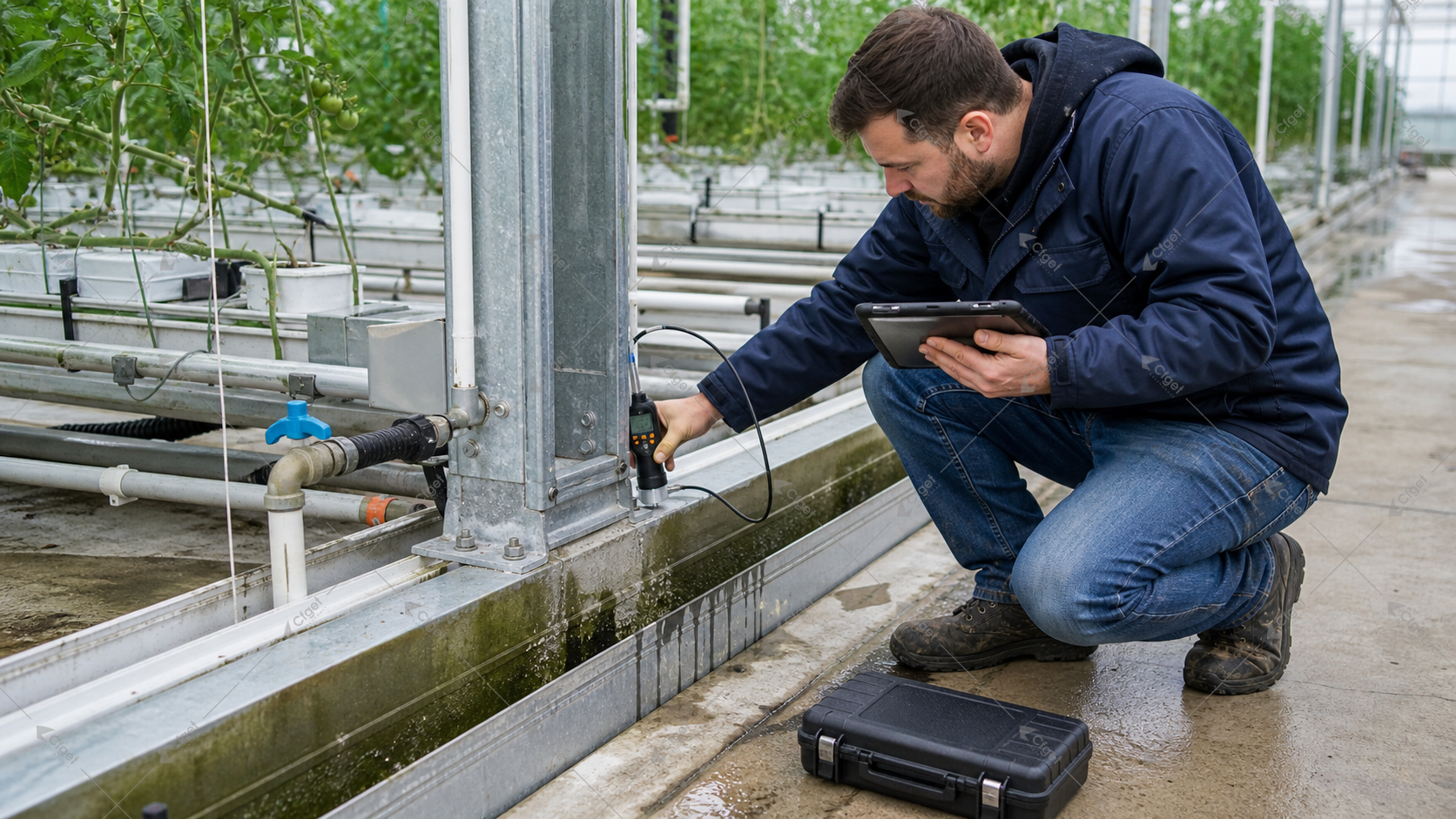
Our corrosion-resistant galvanized steel frame connections.
Understanding Material Durability in Real Conditions
The hot-dip galvanizing process creates a zinc coating that bonds molecularly with the steel. This isn’t paint that chips off – it’s a metallurgical bond that sacrifices itself slowly to protect the steel underneath. In our Southeast Asian installations where humidity stays above 80%, these frames show minimal corrosion after a decade of use.
Installation simplicity comes from our pre-drilled, numbered components. Each arch piece connects with basic bolts, and the entire frame follows a logical sequence. We provide picture-based instructions because we know language barriers exist. Our record installation was in Cambodia – two farmers with no construction experience assembled a 50-meter tunnel in one and a half days.
The modular system also means repairs stay simple. If strong winds damage one section, you replace just those components instead of rebuilding everything. We keep standard parts in stock across our distribution network, so replacements arrive quickly. This design philosophy came from listening to growers who told us they needed structures they could maintain themselves without waiting for specialized technicians.
A Smart Investment: Analyzing the Low Cost and 10–15 Year Lifespan?
You need proof that this investment will pay off before committing your limited capital to any agricultural project.
With total costs ranging from $3-8 per square meter and proven lifespans exceeding 10 years, tunnel greenhouses deliver returns within the first year while requiring minimal ongoing maintenance expenses.
Investment returns comparison across different greenhouse types.
Real Numbers from Real Projects
Let me share actual data from our recent projects. A 200-square-meter tunnel greenhouse in Thailand cost $1,400 total – that includes frame, plastic covering, and basic irrigation. The grower produces lettuce with five harvests yearly, earning $600 per harvest. After deducting seeds, water, and labor, net profit reaches $2,000 annually. The initial investment pays back in eight months.
| Cost Category | Amount (USD) | Percentage of Total |
|---|---|---|
| Steel Frame | $800 | 57% |
| Plastic Covering | $300 | 21% |
| Installation | $150 | 11% |
| Irrigation Setup | $150 | 11% |
| Total Investment | $1,400 | 100% |
The 10-15 year lifespan assumes you replace the plastic covering every 3-4 years at about $300 each time. The frame itself lasts much longer – we have customers still using frames we installed in 2005. Annual maintenance costs average just $50-100, mainly for small repairs and cleaning. Compare this to climate-controlled greenhouses requiring $500-1,000 yearly in maintenance, and you understand why tunnel greenhouses make financial sense for starting operations.
The Ideal Solution for Agricultural Startups and Developing Nations?
Developing regions need agricultural solutions that work with limited infrastructure and technical expertise, not against them.
Tunnel greenhouses operate successfully without electricity, use 40% less water than open-field farming, and create employment opportunities while producing food year-round in challenging climates.

Community greenhouse project transforming local agriculture.
Adapting to Local Conditions and Resources
We’ve implemented tunnel greenhouse projects in regions without reliable electricity or advanced irrigation systems. Natural ventilation through roll-up sides maintains adequate temperature control in most climates. During our work in Central Asia, where summer temperatures exceed 40°C, we added simple shade nets that reduce internal temperature by 5-8°C – still no electricity needed.
Water efficiency comes from the controlled environment reducing evaporation and enabling drip irrigation. In Kenya, our tunnel greenhouse projects use 40% less water than traditional farming while producing three times more tomatoes per square meter. The plastic covering also collects rainwater for storage, turning seasonal rainfall into year-round irrigation supply.
| Development Impact | Measurement | Result |
|---|---|---|
| Local Employment | Jobs per tunnel | 2-3 people |
| Food Security | Production increase | 300% vs open field |
| Water Savings | Compared to traditional | 40% reduction |
| Income Generation | Annual profit potential | $2,000-4,000 |
| Skills Development | Training time needed | 1-2 weeks |
The social impact extends beyond individual farmers. Each successful tunnel greenhouse becomes a demonstration site, inspiring neighbors to adopt protected agriculture. We’ve seen entire villages transform their agricultural practices after one farmer’s success. In Bangladesh, a single demonstration tunnel led to 47 additional installations within two years, all funded by local farmers who saw the results firsthand.
Conclusion
Tunnel greenhouses offer the most practical path into profitable protected agriculture, combining low costs, simple installation, and proven durability to help beginners and developing regions achieve agricultural success.