 Skip to content
More Professional
CFGET Greenhouse Structure
Greenhouse structures evolved from arch and peaked roofs to meet crop and climate needs, improving efficiency and control.
🌱Semi-closed Greenhouse
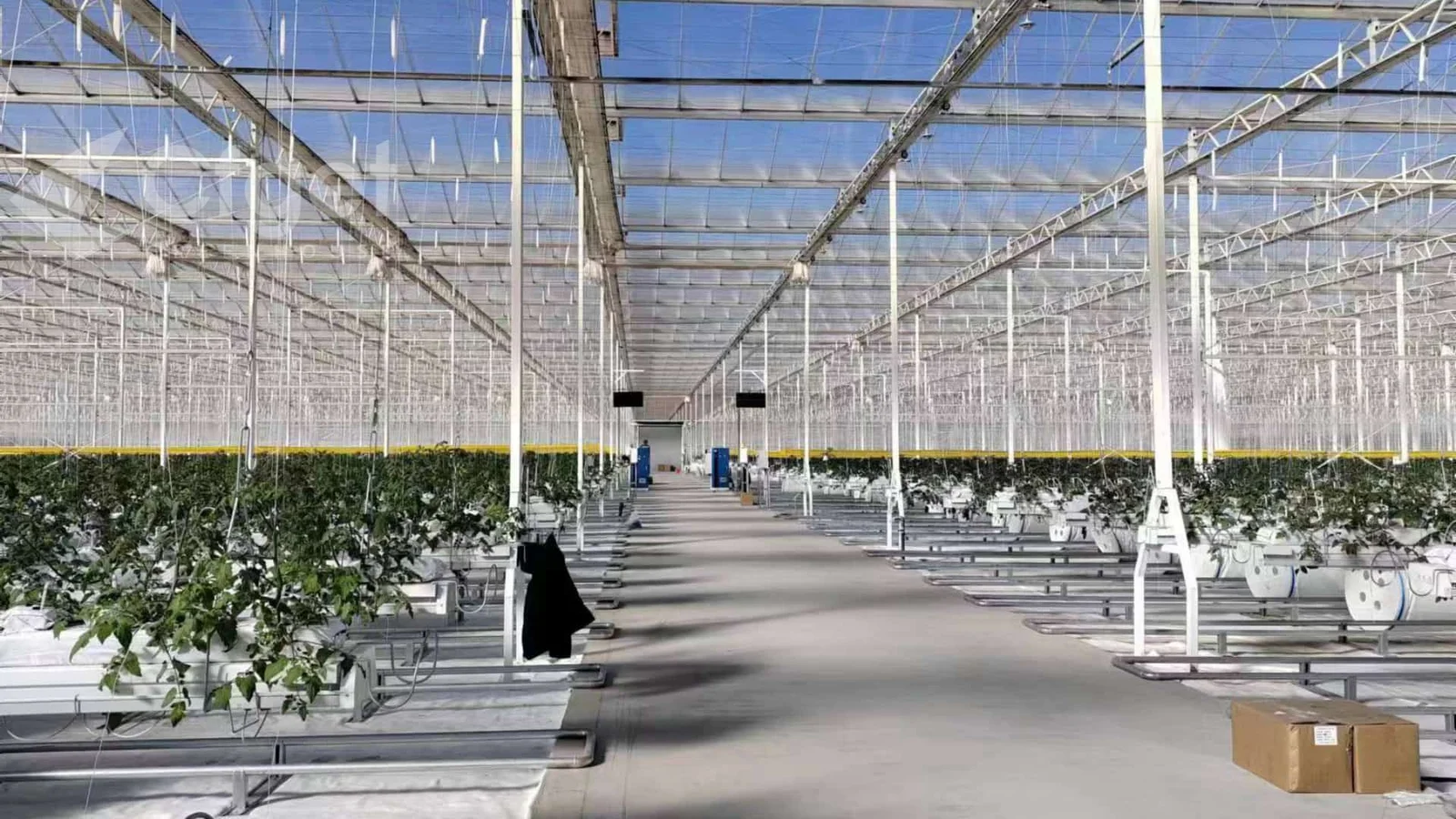
The Semi-closed Greenhouse is a modern hybrid system that combines the benefits of traditional ventilated greenhouses and fully closed greenhouses. Compared to conventional greenhouses, it offers more precise climate control, reducing reliance on natural ventilation while enhancing temperature and humidity stability and optimizing energy efficiency.
Semi-closed greenhouses are typically equipped with high-efficiency fans and a positive pressure system, along with cooling and dehumidification equipment. This setup reduces the risk of plant diseases while providing more accurate climate regulation. Additionally, this greenhouse type can be integrated with smart automation systems, making it ideal for high-value crop cultivation, research facilities, and high-tech agriculture.
Structural Advantages
✅ Integrated buffer zone
✅ Mechanical ventilation system
✅ Smart climate control integration
✅ Optimized for high-tech agriculture
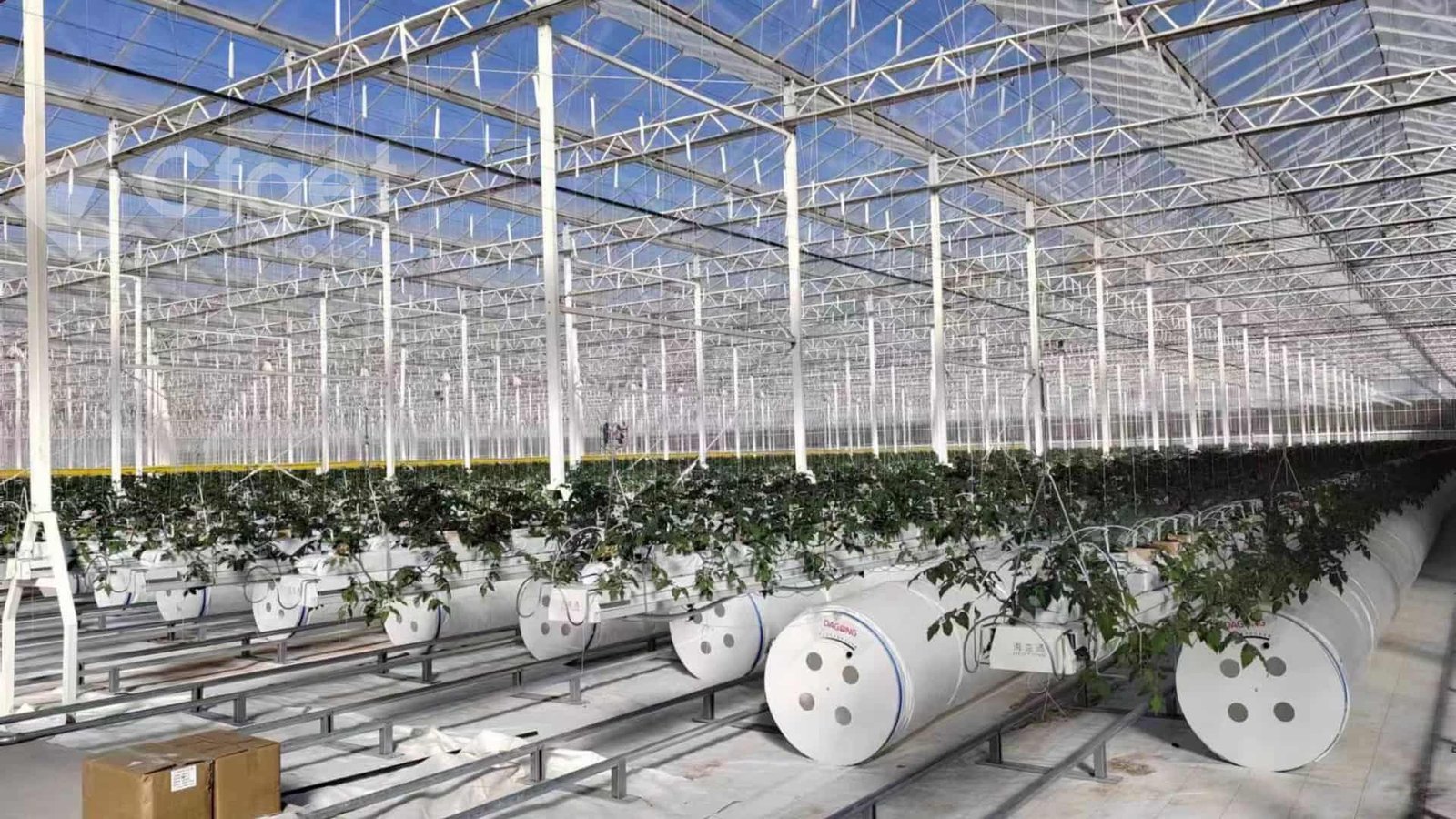
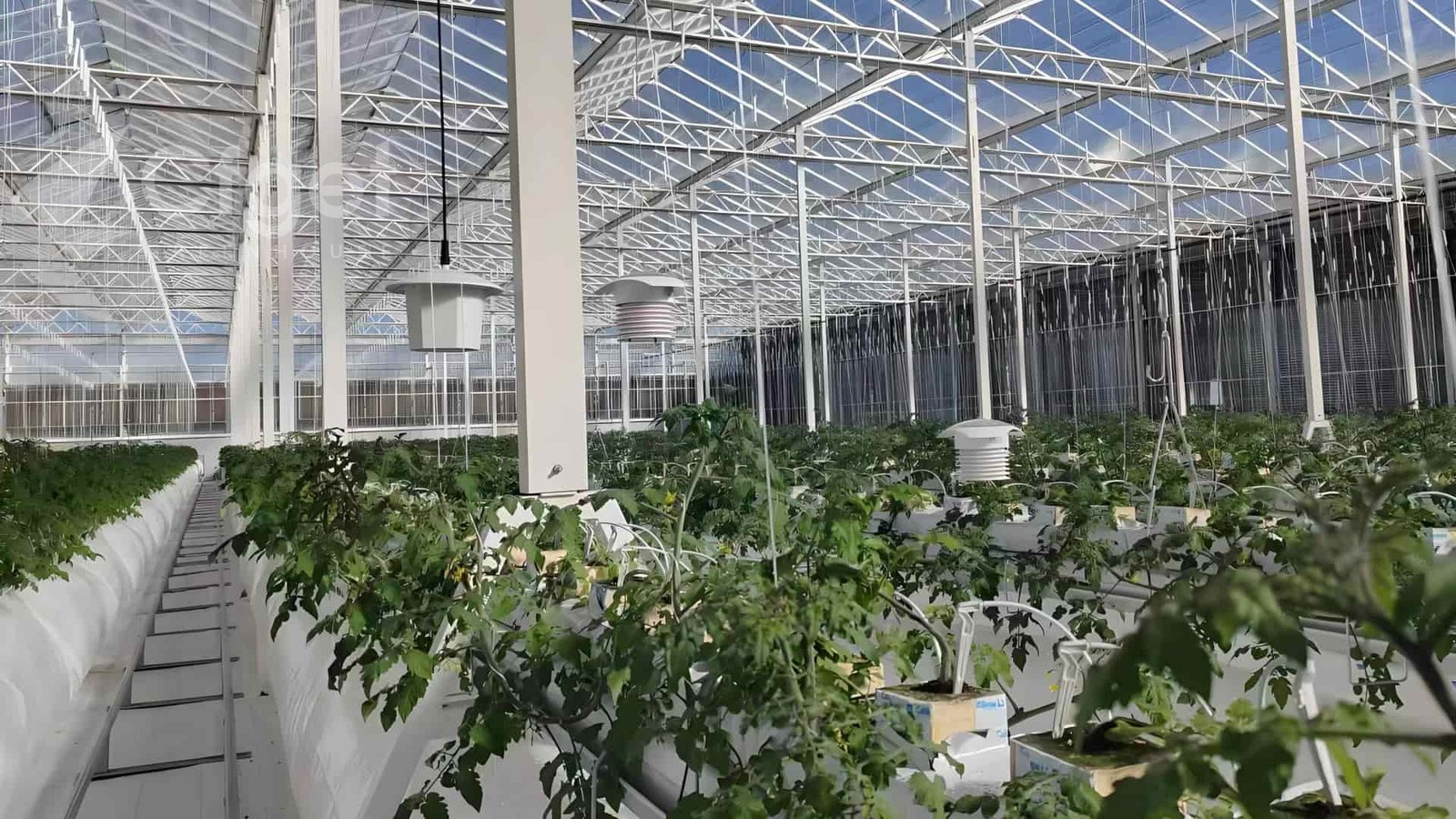
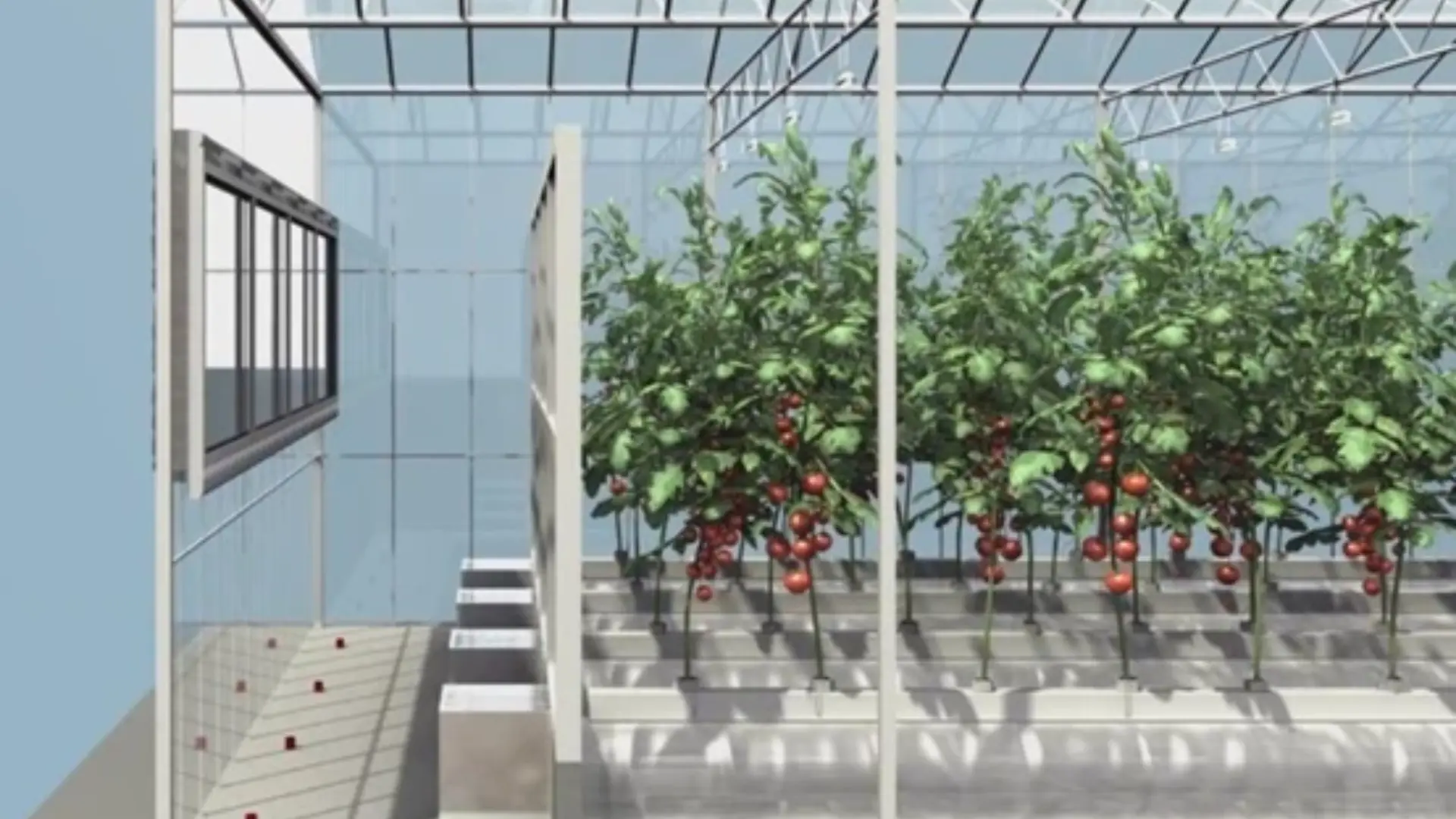
💡CFGET
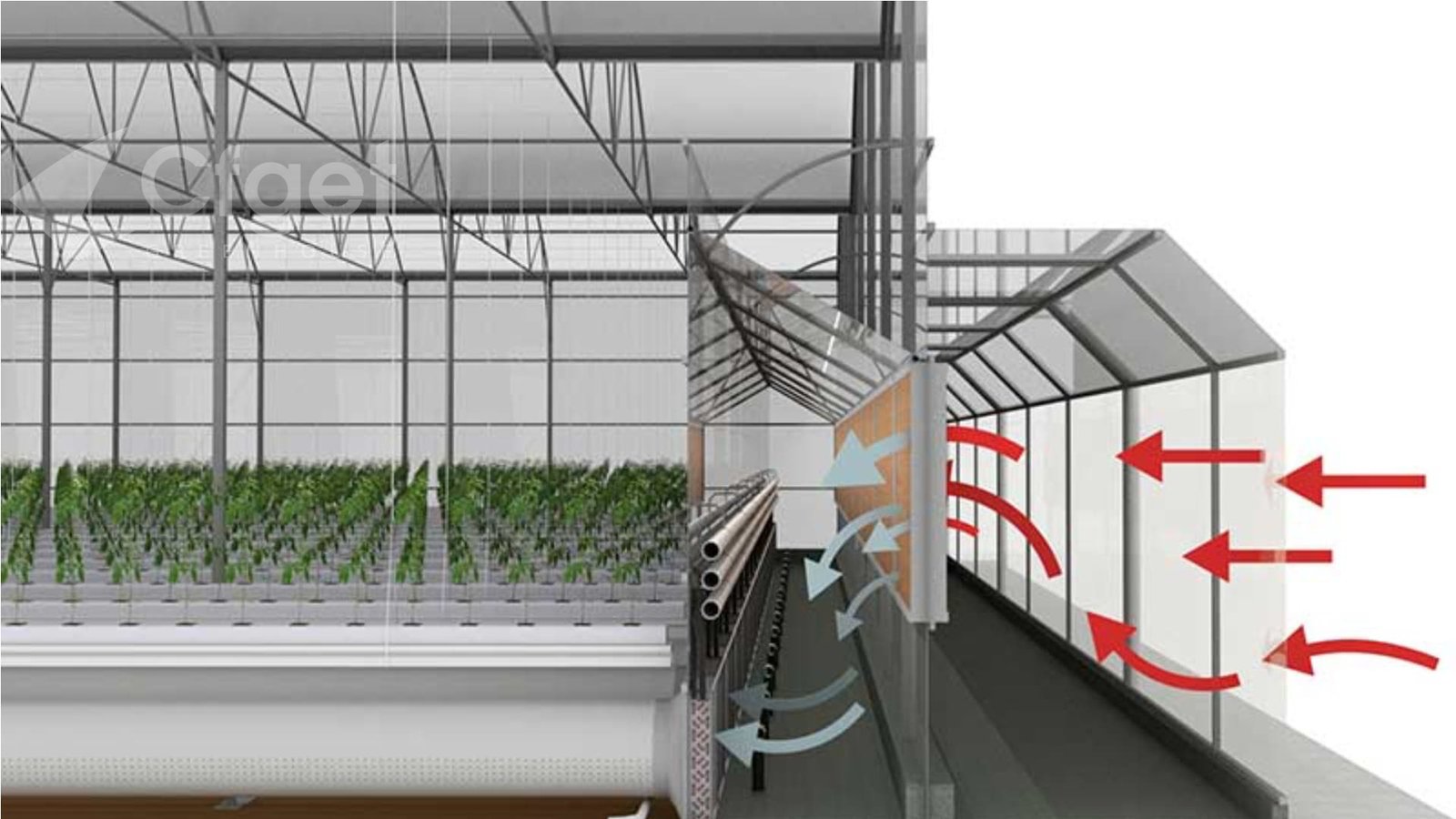
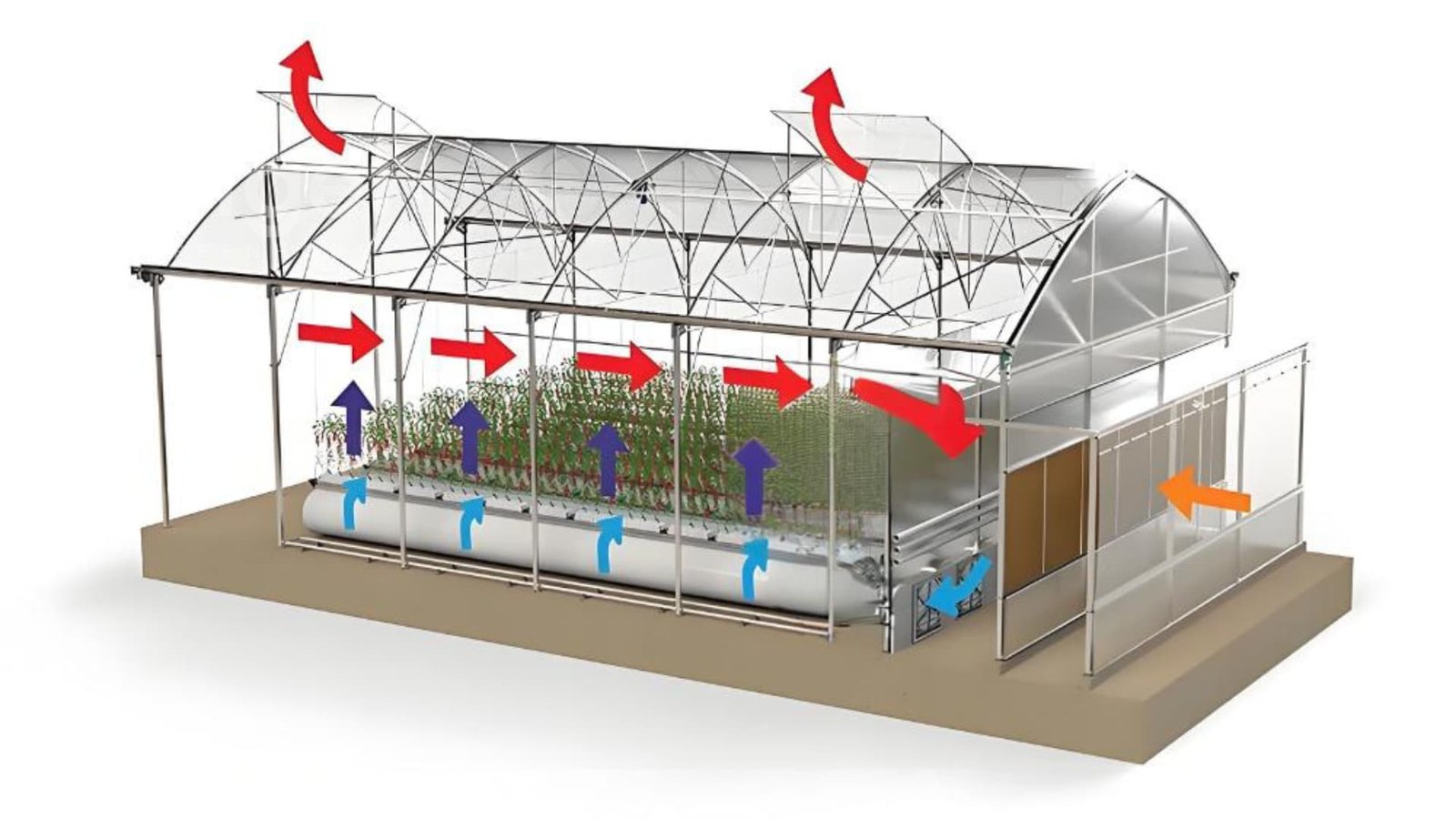
The semi-closed greenhouse typically features a buffer isolation zone located at the rear or sides, with a width ranging from 2.5 to 3 meters. Fresh air enters this buffer area through a controlled ventilation system, where it is regulated by fans and filtration systems to maintain optimal temperature, humidity, and air quality before being evenly distributed inside the greenhouse. Additionally, automated exhaust vents are installed to establish a controlled airflow, helping to reduce pest and disease intrusion, increase CO₂ concentration, and optimize the crop-growing environment.
Moreover, semi-closed greenhouses can be integrated with hydroponic, substrate cultivation, and precision irrigation systems, utilizing intelligent climate control to achieve high-efficiency and energy-saving agricultural production. Due to its exceptional temperature and humidity regulation, energy efficiency, and advanced crop health management, this greenhouse is widely used for high-value crop cultivation, research applications, and modern agricultural operations.
| Parameter | Semi-closed Greenhouse |
|---|---|
| Width (Span) | 8m – 12m*N (Single Span) |
| Length | 20m – 100m (Customizable) |
| Maximum height | 5m – 7m |
| Minimum height | 4m – 6m |
| Buffer Zone Width | 2.5m – 3m (Rear or Side) |
| Frame Material | Galvanized Steel |
| Covering Material | Glass / Polycarbonate Panels (PC) / Plastic Film |
| Ventilation System | Mechanical Ventilation + Positive Pressure System |
| Cooling & Humidity Control | Cooling Pads + Exhaust Fans + Dehumidification System |
| Air Circulation | Automated Exhaust Vents + Controlled Airflow System |
| Climate Suitability | Ideal for Extreme Climates and Controlled Environment Agriculture (CEA) |
| Common Crops | High-value Crops, Vegetables, Fruits, Flowers, Research Crops |
Greenhouse Application Distribution
Not sure which greenhouse to choose?
Contact us! We’ll recommend the best option based on your crops, climate, and budget.
Send us a message
*This site is protected by reCAPTCHA and is subject to the Google Privacy Policy and Terms of Service.
Get in touch with us
Whether it’s greenhouse design, selection of planting systems, or customized needs, our expert team will provide you with efficient and cost-effective solutions.
No.108, Hegang Road, South AreaChengdu Modern Industrial Park, Pidu DistChengdu, Sichuan, China
Follow our social :
F. A. Q's
✅ 10 Simple FAQ for semi-closed Greenhouses
A semi-closed greenhouse is a hybrid structure. It mixes outdoor air and indoor climate control. It gives better environment for plants than a normal open greenhouse.
Because it offers strong climate control, less pest entry, and better yields. It helps you produce high quality crops all year.
It uses chilled or heated air, ducts, fans and minimal vents. It recirculates air and keeps climate even.
Yes. Because it reduces outside air exchanges. It uses less water for cooling and less fuel for heating.
Strong frame, good covering material, air-treatment corridor, cooling/heating system, filters to keep insects out.
Vegetables, fruits, flowers and high-value crops benefit a lot. They get stable light, temperature and CO₂, which boosts growth.
It depends on size, materials and systems. Usually a few weeks to a few months from design to full installation.
• Land size and shape
• Local climate data (wind, sun, humidity)
• Crop type and production goal
• Budget and required systems like cooling, ventilation, CO₂
This helps tailor the system.
Cost is higher than a basic greenhouse because of systems. But ROI is strong because yields, quality and control improve. Energy savings also help.
The structure can last many years. Systems need upkeep (fans, ducts, filters). Regular maintenance keeps the climate stable and plants healthy.
