Skip to content
Managing multiple greenhouse systems manually leads to inconsistent conditions, wasted resources, and lost profits. Modern operations demand precision that human operators simply cannot maintain 24/7.
Smart control systems integrate all greenhouse operations through automated sensors and AI-driven responses, reducing labor costs by 40-60% while improving crop yields by 15-25%. These systems optimize growing conditions automatically while minimizing energy consumption.
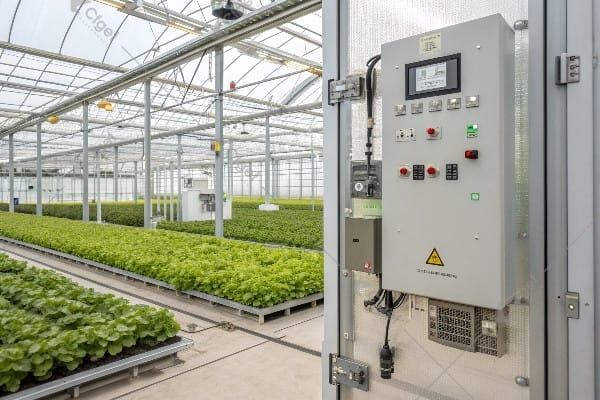
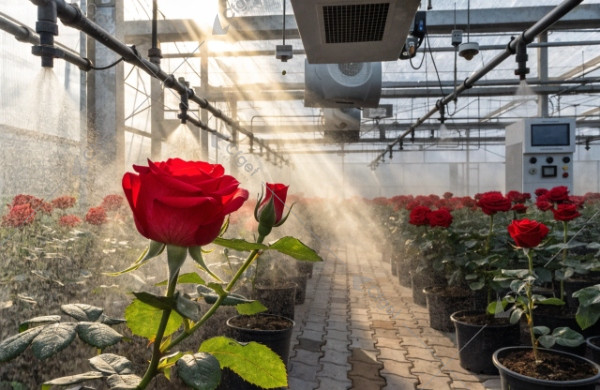
Integrated control systems manage all greenhouse operations from a central dashboard.
Throughout nearly three decades of greenhouse system design, I have watched the evolution from manual controls to today’s sophisticated AI-driven automation. The transformation has been remarkable. Our early CFGET installations required constant human monitoring and adjustment. Today’s smart control systems manage temperature, humidity, fertilizer supply, and environmental optimization automatically. These systems learn from sensor data and make thousands of micro-adjustments daily that no human operator could possibly manage. The result is optimal growth conditions with minimum energy consumption, all achieved through centralized linkage of various systems.
The Brain of the Modern Greenhouse: From Sensor Data to Automated Action?
Traditional greenhouse management relies on periodic manual checks that miss critical changes in growing conditions. Plants need consistent environments that respond immediately to changing needs.
Smart control systems process data from hundreds of sensors every minute, automatically adjusting heating, cooling, irrigation, and ventilation to maintain optimal conditions. This real-time response prevents stress conditions that can reduce yields by 10-20% in manually controlled environments.
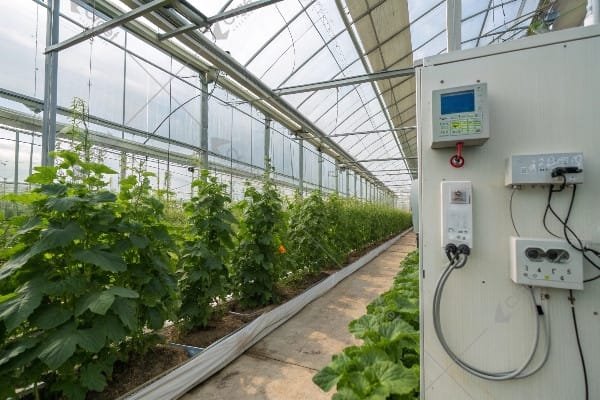
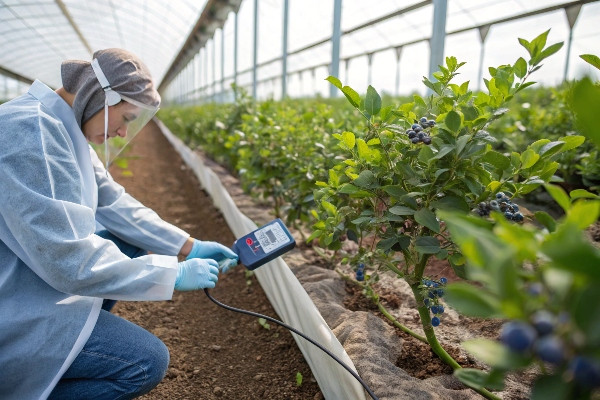
Sensor networks feed real-time data to AI systems for instant environmental adjustments.
Understanding the sensor ecosystem reveals how modern control systems achieve such precision. Temperature sensors positioned throughout the greenhouse monitor conditions at plant level, not just general air temperature. Humidity sensors track moisture levels in multiple zones to prevent disease-promoting conditions. Soil moisture sensors in each growing area ensure precise irrigation timing and volume.
Light sensors measure both intensity and spectrum to optimize supplemental lighting systems. CO₂ monitors track consumption rates and trigger enrichment systems when levels drop below optimal ranges. Wind sensors detect changes that affect natural ventilation effectiveness. Each sensor contributes data points that the control system processes to maintain perfect growing conditions.
The processing power of modern control systems allows analysis of complex interactions between environmental factors. When outside temperature drops, the system doesn’t just turn on heaters. It considers current humidity levels, soil moisture, plant growth stage, and energy costs to determine the optimal heating strategy. This might involve adjusting ventilation, modifying irrigation schedules, or coordinating with thermal screens.
Machine learning capabilities allow these systems to improve performance over time. The control system learns patterns in your specific greenhouse environment and crop responses. It identifies which combinations of temperature, humidity, and light produce the best results for your particular crops and growing methods. This learning process continues throughout each growing season.
Predictive algorithms use weather forecasts and historical data to anticipate needed adjustments. If tomorrow’s forecast shows bright sunshine, the system might pre-cool the greenhouse overnight to prepare for solar heat gain. Before a cold front arrives, heating systems warm up and thermal screens deploy automatically.
Integration with external data sources enhances decision-making capabilities. Some systems connect to weather services, energy pricing data, and market information to optimize operations for both crop quality and profitability. This comprehensive approach considers factors beyond just plant growth to maximize overall farm performance.
Response times measured in seconds rather than hours prevent stress conditions that damage crops. When sensors detect rising CO₂ levels that could harm workers, ventilation systems activate immediately. If irrigation sensors detect dry conditions, water delivery begins within minutes rather than waiting for the next scheduled check.
Slashing Costs & Boosting Yields: The Real ROI of an Integrated Control System?
Smart control systems require significant upfront investment that can reach $5-15 per square foot of greenhouse area. Many growers question whether the benefits justify these costs.
Integrated control systems typically reduce energy costs by 25-35%, cut labor requirements by 50%, and increase yields by 15-25%. For a 10,000 square foot greenhouse, annual savings of $15,000-25,000 in operational costs plus yield improvements create payback periods of 2-4 years.
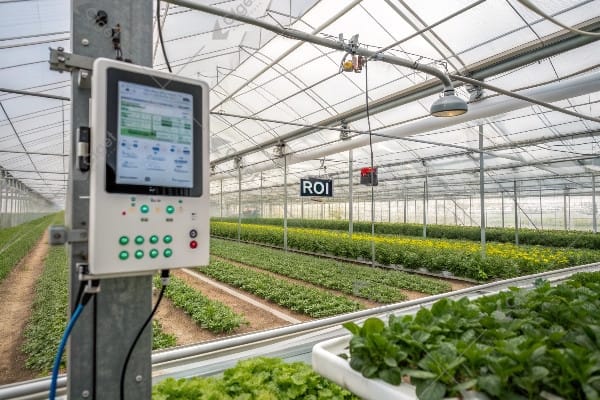
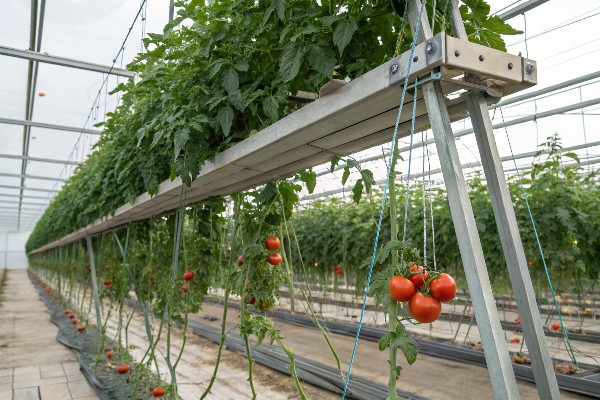
Comprehensive cost savings and yield improvements create strong ROI for automation investment.
Energy savings represent the most immediate and measurable benefit from smart control systems. These systems optimize heating, cooling, and lighting based on real-time conditions and energy costs. Instead of maintaining constant temperatures, smart systems allow slight variations that plants tolerate well while significantly reducing energy consumption.
| Cost Category | Manual Control | Smart Control | Annual Savings |
|---|---|---|---|
| Energy costs | $8,000 | $5,200 | $2,800 |
| Labor costs | $12,000 | $6,000 | $6,000 |
| Crop losses | $3,000 | $800 | $2,200 |
| Total Costs | $23,000 | $12,000 | $11,000 |
Labor cost reductions come from eliminating routine monitoring and adjustment tasks. Workers no longer need to check and adjust systems multiple times daily. Instead, they focus on higher-value activities like crop management, harvesting, and quality control. This shift improves both productivity and job satisfaction.
Yield improvements result from more consistent growing conditions and faster response to plant needs. Smart systems maintain optimal conditions 24/7, eliminating the stress periods that occur between manual checks. Plants grown under consistent conditions typically show 15-25% higher yields with improved quality characteristics.
Crop loss prevention provides substantial but often overlooked savings. Smart systems prevent the equipment failures and environmental extremes that can destroy entire crops. Early detection of problems allows corrective action before damage occurs. Insurance costs may also decrease due to reduced risk of catastrophic losses.
Water and fertilizer savings add to operational cost reductions. Precise irrigation control based on actual plant needs reduces water consumption by 20-30%. Automated fertilizer injection systems eliminate waste and ensure optimal nutrient delivery. These savings compound over multiple growing seasons.
Maintenance cost reductions result from predictive monitoring of equipment performance. Smart systems track motor performance, filter conditions, and system efficiency to schedule maintenance before failures occur. This preventive approach reduces emergency repair costs and extends equipment life.
The scalability of smart systems improves ROI for larger operations. Installation costs per square foot decrease as greenhouse size increases, while operational savings remain proportional to facility size. Large commercial operations often achieve payback periods under two years due to this scaling effect.
A Blueprint for the Future: Why Smart Control is Essential for Large-Scale Farms?
Large-scale greenhouse operations face complexity that makes manual management impossible. Multiple structures, diverse crops, and varying conditions require coordination beyond human capabilities.
Commercial farms with 50,000+ square feet of greenhouse space cannot achieve consistent profitability without smart control systems. These operations require centralized management of dozens of environmental zones, multiple crop types, and complex resource allocation that only AI-driven systems can handle effectively.
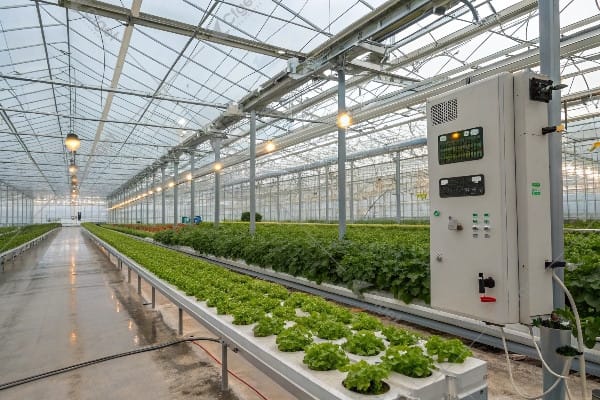
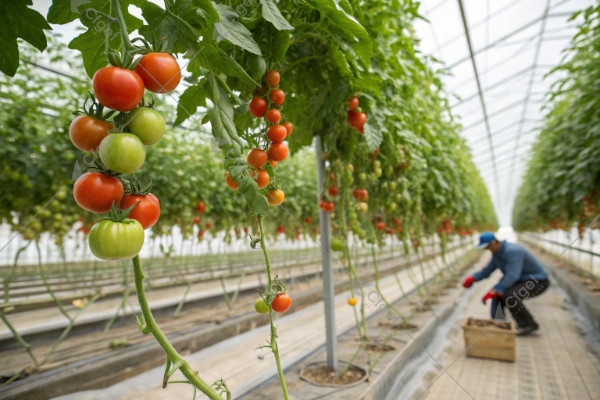
Large commercial operations require centralized smart control for effective management.
Scale creates management challenges that smart control systems solve efficiently. A 100,000 square foot operation might include 20 separate greenhouse structures, each with different crops and growing requirements. Manual coordination of heating, cooling, irrigation, and lighting across this complex becomes impossible without automation.
Resource allocation optimization becomes critical at commercial scale. Smart systems balance energy usage across multiple structures to minimize peak demand charges. They coordinate irrigation schedules to optimize pump efficiency and water pressure. CO₂ distribution systems share resources between structures based on current needs and production priorities.
Labor management improves dramatically with centralized control systems. Instead of requiring operators for each greenhouse section, smart systems allow small teams to manage vast operations from central control rooms. Alerts and notifications guide workers to areas requiring attention, eliminating time wasted on routine monitoring.
Data collection and analysis capabilities provide insights impossible to achieve manually. Smart systems track performance metrics across all operations, identifying trends and optimization opportunities. This data helps managers make informed decisions about crop selection, resource allocation, and facility expansion.
Compliance and documentation requirements for large operations benefit from automated record keeping. Smart systems automatically log environmental conditions, chemical applications, and harvest data required for food safety certifications. This documentation reduces administrative workload while ensuring regulatory compliance.
Quality consistency across large operations requires the precision that only automated systems provide. Manual management inevitably creates variations between different greenhouse sections. Smart control systems maintain identical growing conditions across all structures, ensuring uniform crop quality for large-scale marketing.
Risk management improves significantly with comprehensive monitoring and automated responses. Equipment failures or environmental extremes in one section don’t spread to other areas when smart systems isolate problems and implement containment strategies automatically.
Future expansion planning benefits from the data and experience gained through smart control systems. Performance analytics help identify optimal configurations for new facilities and guide decisions about crop selection and market timing.
Beyond the Dashboard: 4 Critical Features Your AI Control System Must Have?
Basic control systems manage individual components but lack the integration and intelligence needed for optimal performance. Advanced features separate professional systems from simple automation tools.
Professional AI control systems require predictive analytics for proactive management, multi-zone coordination for complex operations, mobile connectivity for remote monitoring, and machine learning capabilities that improve performance over time. These four features ensure maximum return on automation investment.

Professional systems include predictive analytics, multi-zone control, mobile access, and machine learning.
Predictive analytics capability transforms reactive control into proactive management. Instead of responding to problems after they occur, advanced systems anticipate issues and take preventive action. Weather forecast integration allows pre-conditioning of greenhouse environments before temperature extremes arrive. Crop growth models predict irrigation and fertilizer needs days in advance.
The predictive algorithms analyze historical data patterns to identify recurring issues and optimal responses. If data shows that certain weather patterns typically cause humidity problems, the system automatically adjusts ventilation and heating schedules to prevent condensation before it forms. This proactive approach prevents crop stress and reduces energy waste.
Multi-zone coordination manages complex operations with different crops and growing requirements. Professional systems can maintain different temperature and humidity levels in adjacent greenhouse sections while optimizing overall energy efficiency. Zone-specific controls allow customization for crop growth stages, with seedling areas maintained at different conditions than mature plant sections.
Resource sharing between zones improves efficiency and reduces costs. Excess heat from one zone can warm adjacent areas that need heating. CO₂ systems coordinate delivery schedules to maximize utilization across multiple zones. Irrigation systems balance water pressure and flow rates to ensure consistent delivery throughout large facilities.
Mobile connectivity provides remote monitoring and control capabilities essential for modern operations. Managers can monitor conditions and adjust settings from anywhere using smartphone apps or tablets. Alert notifications ensure immediate response to problems regardless of location or time of day.
The mobile interface includes diagnostic capabilities that help troubleshoot problems remotely. Video feeds from greenhouse cameras allow visual inspection of crops and equipment. Historical data access helps identify patterns and make informed decisions about system adjustments.
Machine learning capabilities enable continuous improvement in system performance. AI algorithms analyze the relationships between environmental inputs and crop outcomes to optimize growing conditions automatically. The system learns which temperature and humidity combinations produce the best yields for specific crops and growing seasons.
| Feature Category | Basic System | Professional AI System | Performance Impact |
|---|---|---|---|
| Analytics | Historical reporting | Predictive modeling | Proactive management |
| Zone Control | Single environment | Multi-zone coordination | Crop-specific optimization |
| Connectivity | Local only | Mobile/remote access | 24/7 monitoring capability |
| Learning | Fixed programming | Adaptive AI algorithms | Continuous improvement |
Integration capabilities connect greenhouse controls with business management systems. Advanced platforms share data with inventory management, scheduling software, and financial systems. This integration provides comprehensive operational visibility and supports data-driven decision making.
Cybersecurity features protect sensitive operational data and prevent unauthorized access to control systems. Professional systems include encrypted communications, user authentication, and audit trails that track all system changes. These security measures become critical as greenhouse operations become more connected and data-dependent.
Scalability ensures that control systems can grow with expanding operations. Professional platforms support addition of new greenhouse structures, sensors, and control devices without major system redesigns. This flexibility protects the initial automation investment while supporting future growth plans.
Conclusion
Smart control systems represent the future of greenhouse management, providing automated optimization that reduces costs, increases yields, and enables large-scale commercial operations through AI-driven precision agriculture.