Heat spikes and humidity traps can wipe out fruit set in a week. If my cherry tomatoes crack or taste flat, buyers punish me fast.
In a commercial cherry tomato greenhouse in Almería, Spain, I improve yield and Brix by controlling solar load, keeping VPD stable, and running precise drip fertigation. This raises marketable rate and reduces cracking and blossom-end issues.
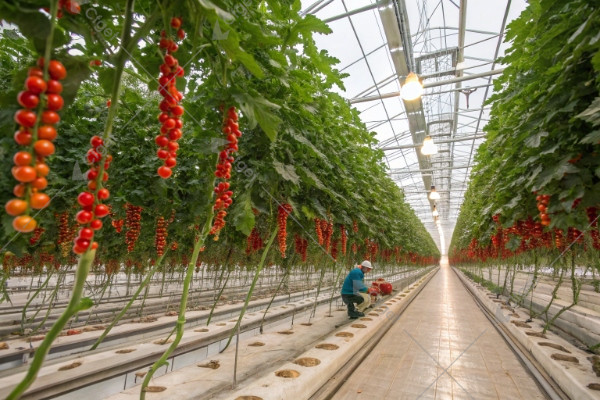
Almería greenhouse tomatoes with climate control focus.
I treat Almería as a system, not a place name. The region is famous for greenhouse vegetables, but my results depend on daily control and crop routines. NASA describes Almería as one of the highest concentrations of greenhouses in the world and links its scale to yield gains from plastic cover, drip irrigation, and hydroponics. NASA Earth Observatory<1> That scale creates opportunity, but it also raises the standard. I must run my commercial cherry tomato greenhouse like a factory that produces flavor.
Why is Almería, Spain ideal for commercial cherry tomatoes, and what problems still reduce profit?
Almería can make greenhouse tomatoes very competitive. Still, heat waves, salinity risk, and disease cycles can cut the marketable rate.
Almería is ideal because it supports high-volume protected production, but profit depends on controlling heat load, humidity, and fertigation accuracy so fruit quality stays consistent.
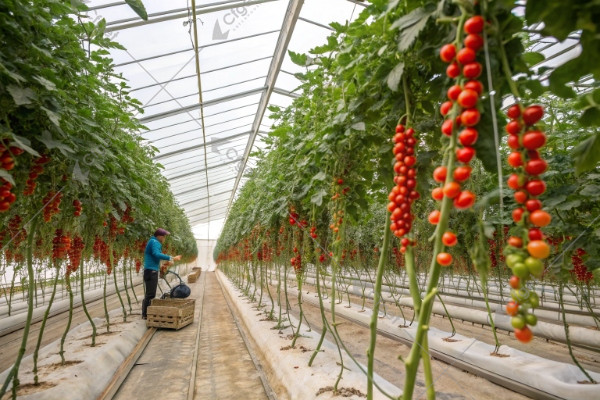
Advantages and risks in one view.
Dive deeper
I start with the local “why.” Almería’s greenhouse system is world-scale, and the region produces millions of tons of fruits and vegetables each year. NASA Earth Observatory<1> This scale matters because supply chains, labor skills, and input services are mature. It also means buyers compare me to strong neighbors, not average farms.
Then I look at the “profit killers” that top pages often skip:
Heat load and uneven canopy temperature
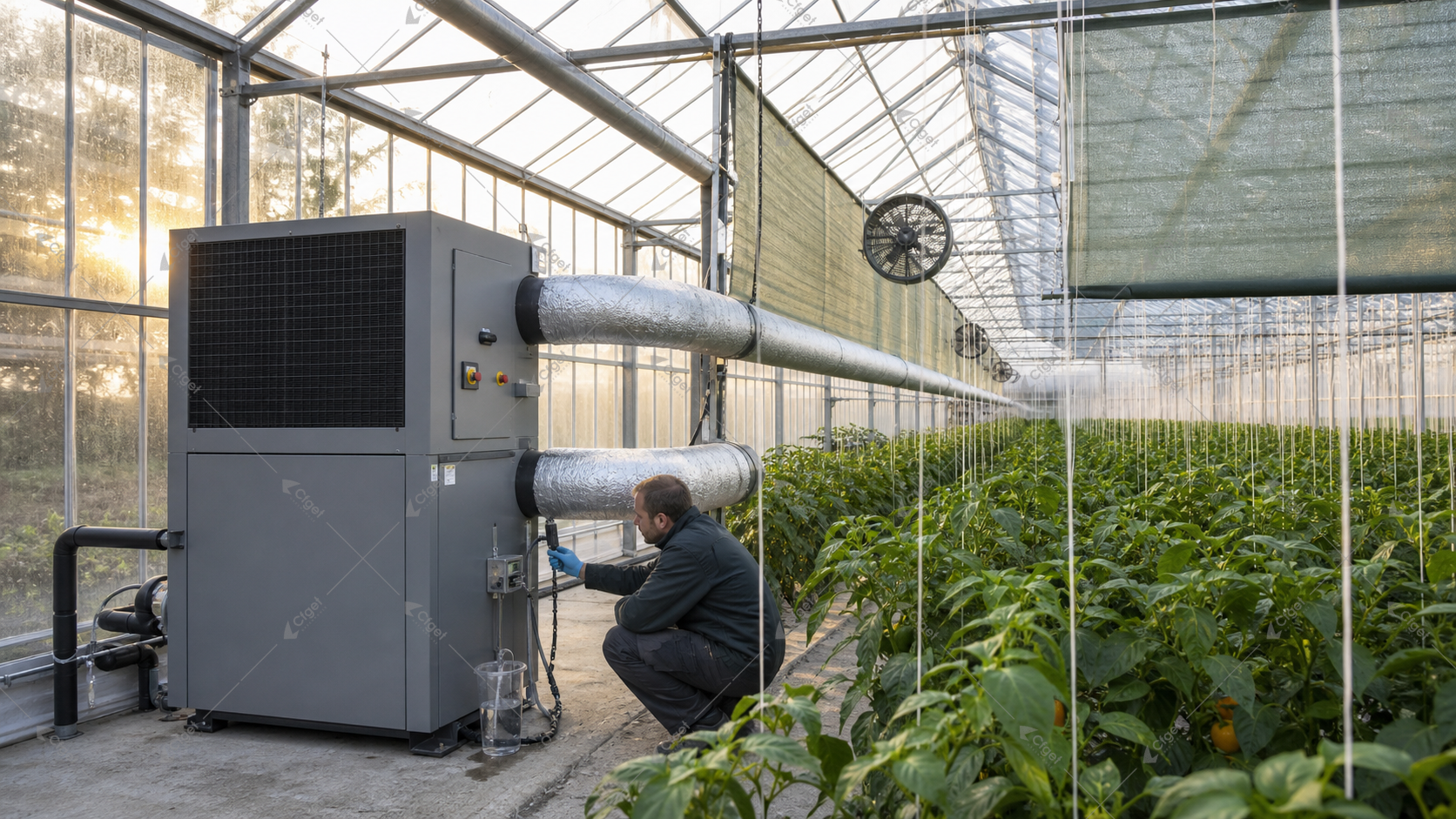
Cherry tomato fruit set can drop when midday canopy temperature stays high for hours. I must reduce load before I add cooling.
Humidity pockets and leaf wetness
High RH alone is not the best indicator. I focus on VPD because it better describes the driving force for transpiration. Michigan State University Extension<2>
Water quality and salinity drift
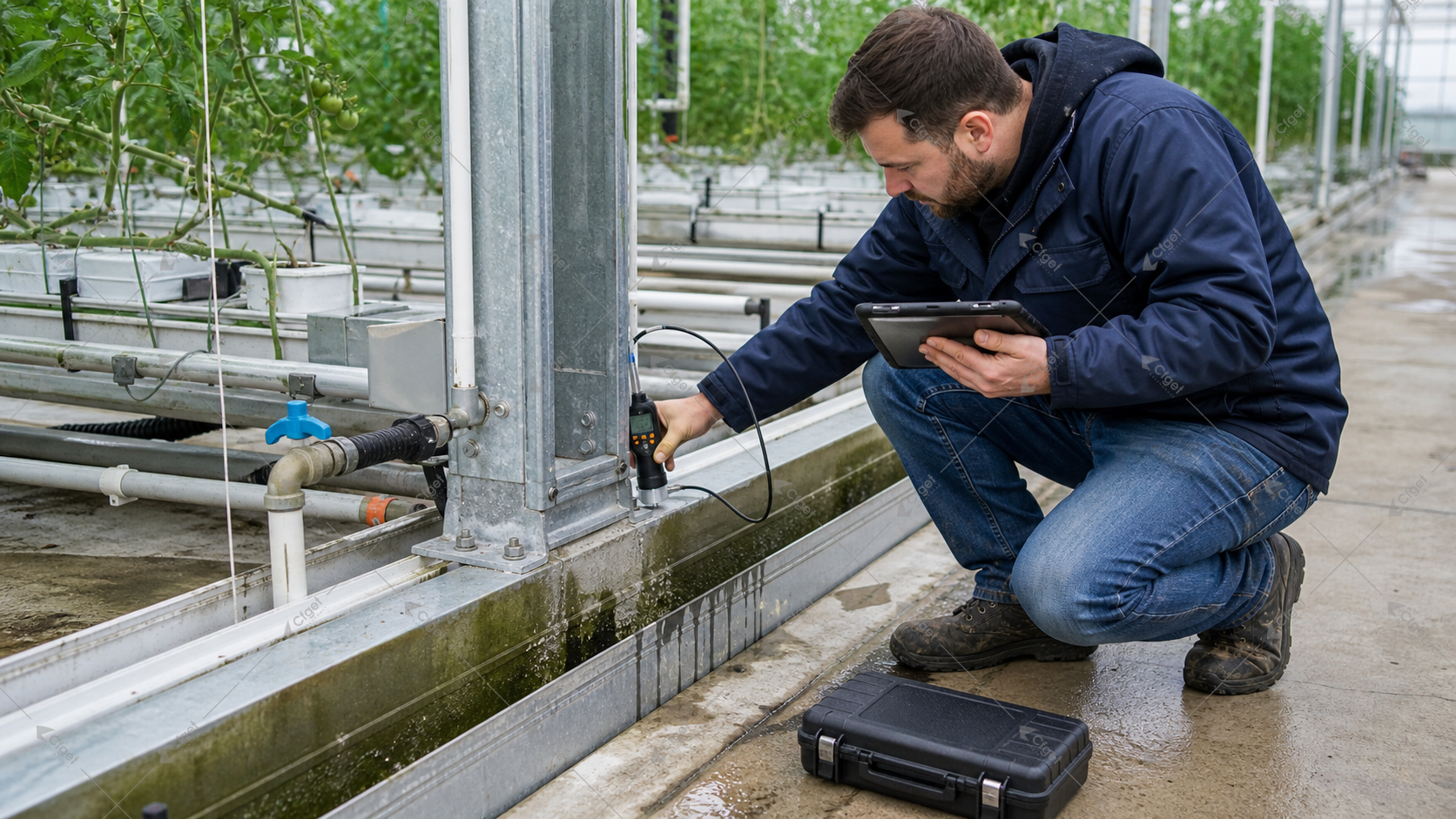
If EC creeps up, fruit cracks and plant stress rises. That is why I monitor drainage EC and adjust irrigation frequency.
Here is the quick risk table I use:
| Risk in Almería tomato greenhouses | What I see in the crop | What I change first |
|---|---|---|
| Midday heat spikes | weak fruit set, small trusses | shading + ventilation staging |
| Low VPD (too “wet” air) | botrytis risk, slow transpiration | airflow + dew point control |
| High root-zone EC | cracking, uneven sizing | irrigation pulses + drain % |
| Poor pH control | nutrient lockouts | pH target + water treatment |
I keep it simple: stable plant behavior creates stable profit.
Which greenhouse structure and ventilation strategy keeps cherry tomato fruit set stable in Almería heat?
If my ventilation is weak, humidity rises and pollen quality drops. If my shading is wrong, fruit set becomes inconsistent.
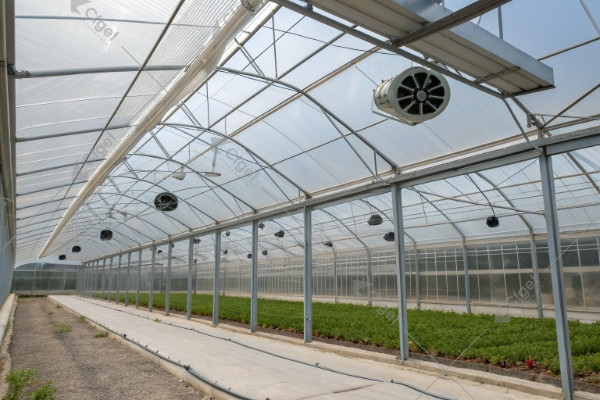
In Almería, I choose a structure that supports strong natural ventilation and I stage shading to cut heat load while keeping enough light for Brix and yield.
Dive deeper
I pick structure based on heat and airflow, not only on cost. For a commercial cherry tomato greenhouse in Almería, I want fast air exchange and fewer dead zones.
From our own pages, I often compare:
- Multi-span Film Greenhouse for cost-effective scale and flexible systems
- Wide-span Greenhouse when I want fewer columns and smoother operations
- Sawtooth Greenhouse when I need stronger passive ventilation logic in warm climates
Then I match ventilation design to disease and yield risk. Our tomato guide stresses that ventilation and air circulation are critical to prevent diseases and maintain humidity targets. Choosing the Best Greenhouse for Your Tomato Plants
For humidity control, I do not manage “RH only.” I manage VPD bands that support transpiration and reduce disease pressure. Michigan State University Extension<2>
I also reduce insect pressure by design. Physical barriers reduce pest entry and reduce chemical pressure. Pest Barriers
Here is my ventilation and shading staging table:
| Time window | My main goal | What I stage |
|---|---|---|
| Morning | dry canopy, reset climate | early vents + gentle airflow |
| Midday | cut heat load, protect fruit set | shading first, then ventilation |
| Afternoon | avoid humid night | smaller irrigation pulses + airflow |
| Night | avoid condensation | stable circulation + dew point watch |
I avoid complicated words. I do the basics well, every day.
How do I run drip fertigation for high Brix cherry tomatoes and fewer cracks in Almería?
Most yield losses are not “bad luck.” They come from noisy irrigation and unstable EC and pH.
I improve Brix and reduce cracking by running frequent, controlled pulses, maintaining stable EC, and holding nutrient solution pH in a crop-safe band.
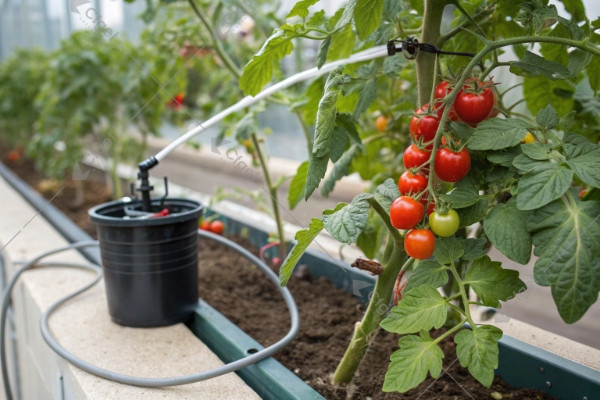
Precision fertigation protects fruit quality.
Dive deeper
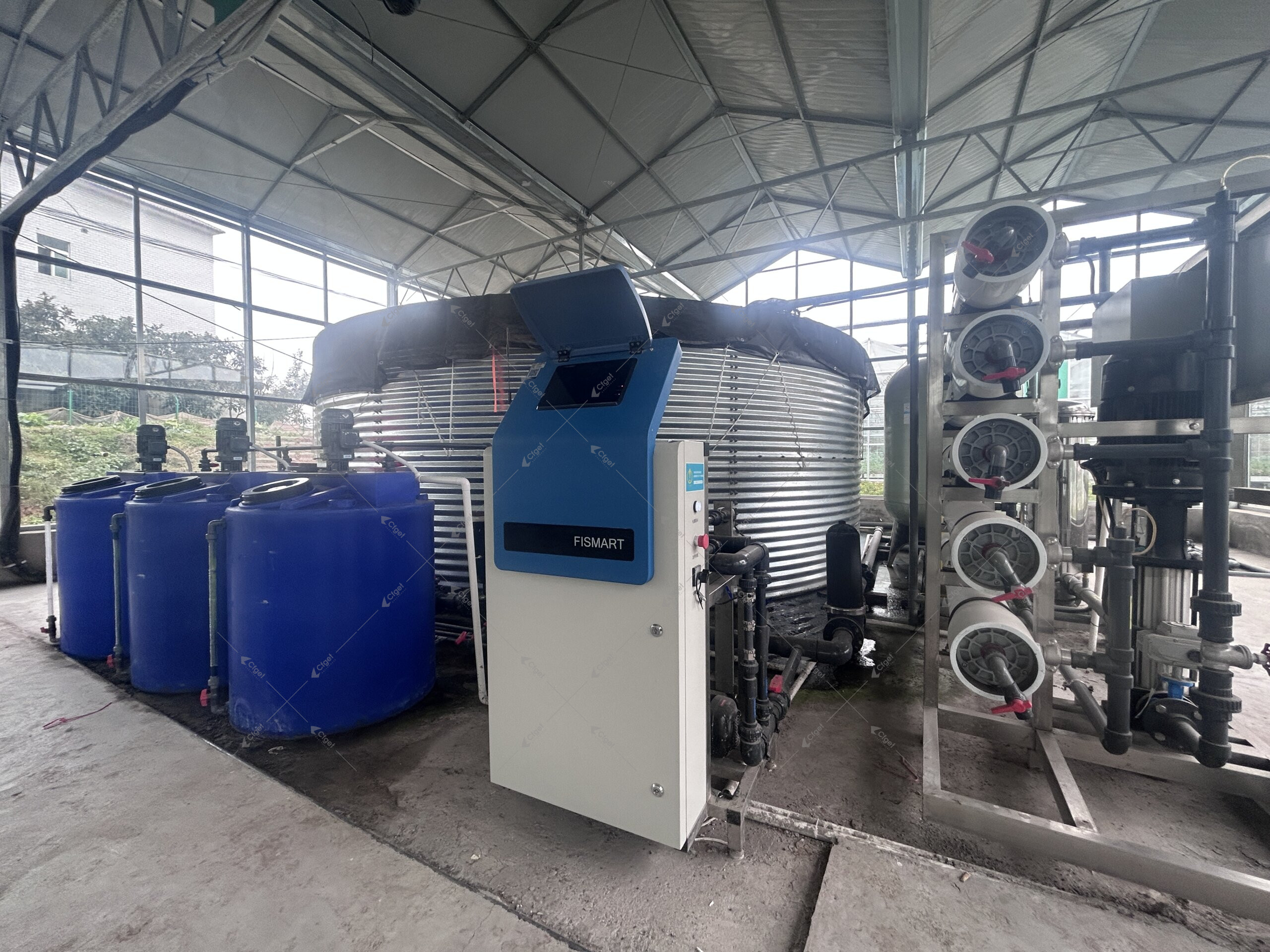
In a commercial cherry tomato greenhouse in Almería, I treat water and nutrients as “quality control.” I use drip fertigation and monitor drainage so I can correct fast.
For pH, I follow greenhouse tomato guidance that keeps nutrient solution in a tight range for uptake stability. Mississippi State University Extension states a target pH around 5.6–5.8 for tomatoes in aggregate media systems. Mississippi State University Extension<3>
For irrigation and fertilizer efficiency, FAO’s AGRIS database highlights research that shows drip fertigation can improve yield and fruit quality while improving water and fertilizer use efficiency. FAO AGRIS<4>
My practical fertigation checklist:
Tertiary actions I use
- Pulse irrigation instead of long runs
- Keep drainage percent stable so salts do not build up
- Log EC and pH daily and review trends weekly
- Adjust feed based on crop stage and weather load
Here is the quick control table I use:
| Control item | What goes wrong | What I correct |
|---|---|---|
| EC too high | cracking, plant stress | more frequent pulses + drain % |
| EC too low | weak growth, low Brix | raise feed carefully |
| pH too high | micronutrient issues | acid injection + water check |
| pH too low | root stress risk | adjust acid rate and retest |
If I want this to run consistently, I link sensors and logic into one system. That is why I use Smart Auto & Control Solutions to reduce human error.
How do I manage humidity, VPD, and pollination to increase cherry tomato fruit set in Almería greenhouses?
Poor fruit set often looks like a “pollination problem,” but it is usually a climate problem first.
I increase fruit set by keeping VPD in a productive range, preventing leaf wetness, and supporting consistent pollination routines inside the greenhouse.
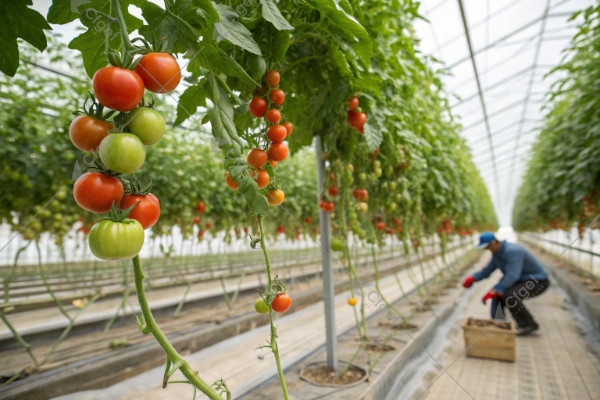
Stable VPD supports better fruit set.
Dive deeper
I manage transpiration first because it drives calcium flow, plant cooling, and overall balance. Michigan State University Extension explains why VPD is more useful than RH for understanding plant water loss and stress. Michigan State University Extension<2>
Then I reduce conditions that raise disease pressure. If humidity stays high with low airflow, leaves dry slowly and risk rises. Our tomato greenhouse guide emphasizes ventilation capacity and circulation as the difference between success and failure. Choosing the Best Greenhouse for Your Tomato Plants
For the Almería context, peer-reviewed work discusses greenhouse tomato production systems and the region’s scale. MDPI (Applied Sciences)<5> I do not copy numbers from papers into daily operations. I use them to confirm that the region and crop system are real, established, and worth investing in.
For pollination, I keep routines consistent. The key is timing and climate stability during flowering. If midday heat and humidity swing hard, pollen viability drops and fruit set becomes uneven. So I protect the flowering window with shading, ventilation, and airflow.
My fruit set routine looks like this:
- Run early ventilation to dry the canopy
- Keep VPD stable during main flowering hours
- Avoid irrigation spikes that push humidity too high
- Maintain pest exclusion so flowers stay clean
If I do this well, fruit set becomes predictable, and Brix improves because the plant stays balanced.
Conclusion
In a commercial cherry tomato greenhouse in Almería, Spain, profit comes from stability. I reduce heat load, manage VPD, and run tight drip fertigation. This raises Brix, improves fruit set, and increases the marketable rate.
External Links Footnotes (Authority Sources)
1> https://science.nasa.gov/earth/earth-observatory/almerias-sea-of-greenhouses-150070
<2> https://www.canr.msu.edu/news/why_should_greenhouse_growers_pay_attention_to_vapor_pressure_deficit_and_n
<3> https://www.extension.msstate.edu/agriculture/crops/commercial-horticulture/greenhouse-tomatoes/what-ph-should-i-use
<4> https://agris.fao.org/search/en/providers/122436/records/6943cfbcf2f3b9724407a35f
<5> https://www.mdpi.com/2076-3417/15/6/3263
<6> https://climateknowledgeportal.worldbank.org/
—
## Internal References (CFGET)
– **[Homepage](https://cfgreenway.com/)**
– **[Commercial Greenhouse Systems](https://cfgreenway.com/greenhouse/)**
– **[Multi-span Film Greenhouse](https://cfgreenway.com/multi-span/)**
– **[Wide-span Greenhouse](https://cfgreenway.com/wide-span/)**
– **[Sawtooth Greenhouse](https://cfgreenway.com/sawtooth/)**
– **[Shade/Net/RainShelter](https://cfgreenway.com/shade-net-rainshelter/)**
– **[Pest Barriers](https://cfgreenway.com/solutions/pest-barriers/)**
– **[Smart Auto & Control Solutions](https://cfgreenway.com/solutions/smart-auto-control/)**
– **[Contact](https://cfgreenway.com/contact/)**
—
## Internal Blog References (Related CFGET Articles)
– **Choosing the Best Greenhouse for Tomato Plants: Key Design and Climate Considerations**
Choosing the Best Greenhouse for Your Tomato Plants: Key Considerations?
– **How to Set Up a Commercial Greenhouse: An Essential Guide for Growers and Agribusinesses**
How to Set Up a Commercial Greenhouse: Essential Guide for Growers & Businesses?
– **Hydroponic Greenhouse Systems: Investment vs Yield, ROI Models, and Payback Periods**
Hydroponic Greenhouse System Investment vs Yield: Real ROI Models, Break-Even Yield & Payback Years?
– **How Much Does It Cost to Build a Smart Greenhouse? Hidden Costs You Should Know**
How Much Does It Cost to Build a Smart Greenhouse? What Are the Hidden Costs?
– **Why Sawtooth Greenhouses Beat the Heat with Zero-Energy Natural Ventilation**
https://cfgreenway.com/sawtooth-greenhouses-beat-the-heat-with-zero-cost-natural-ventilation/