A sweet pepper greenhouse in Biskra should be designed from the site weather, water salinity, crop and market program, soil or substrate, pest pressure, utilities, and operator capacity. A buyer needs a heat, water, exclusion, and commissioning plan before choosing the structure. No greenhouse type can guarantee stable yield in desert conditions.
Research on greenhouse development in Biskra documents the region’s large protected-crop sector and the importance of tomatoes and peppers. The same work identifies water governance, soil salinity, pests, disease, and production practices as material constraints. The RFQ should turn those constraints into named measurements, equipment duties, and acceptance tests.
Use a Biskra site brief, not a North Africa label
Provide a map pin, elevation, wind and dust exposure, drainage, hourly weather source, water test, production months, cultivar group, crop support, soil or substrate, market specification, labor plan, and utility limits. Biskra conditions vary by site and water source. Design from the actual project data rather than a country average.
| Input | Buyer should provide | Bidder should return |
|---|---|---|
| Climate | Hourly heat, humidity, radiation, wind, dust and extreme cases | Vent, shade and cooling calculations with assumptions |
| Water | Flow availability and laboratory analysis across the intended season | Treatment, storage, filtration, dosing, drainage and monitoring scope |
| Crop | Sweet pepper type, crop dates, height, support, density basis and harvest route | Bay, row, crop-wire, aisle and service layout |
| Plant health | Local pest history, inspection plan and approved crop-protection approach | Screen, entry, sanitation, scouting and waste interfaces |
| Operations | Labor, maintenance skills, spares, power interruptions and expansion plan | Control stages, manual modes, safe states and training list |
The structure comparison should use one design basis. Greenhouse height, bay width, vent geometry, screen, covering, shade, cooling, crop support, and foundation loads interact. A low first price can move cost into water, electricity, labor, crop risk, or maintenance. Ask every bidder to identify these transfers.
Size heat control after the screen and crop are known
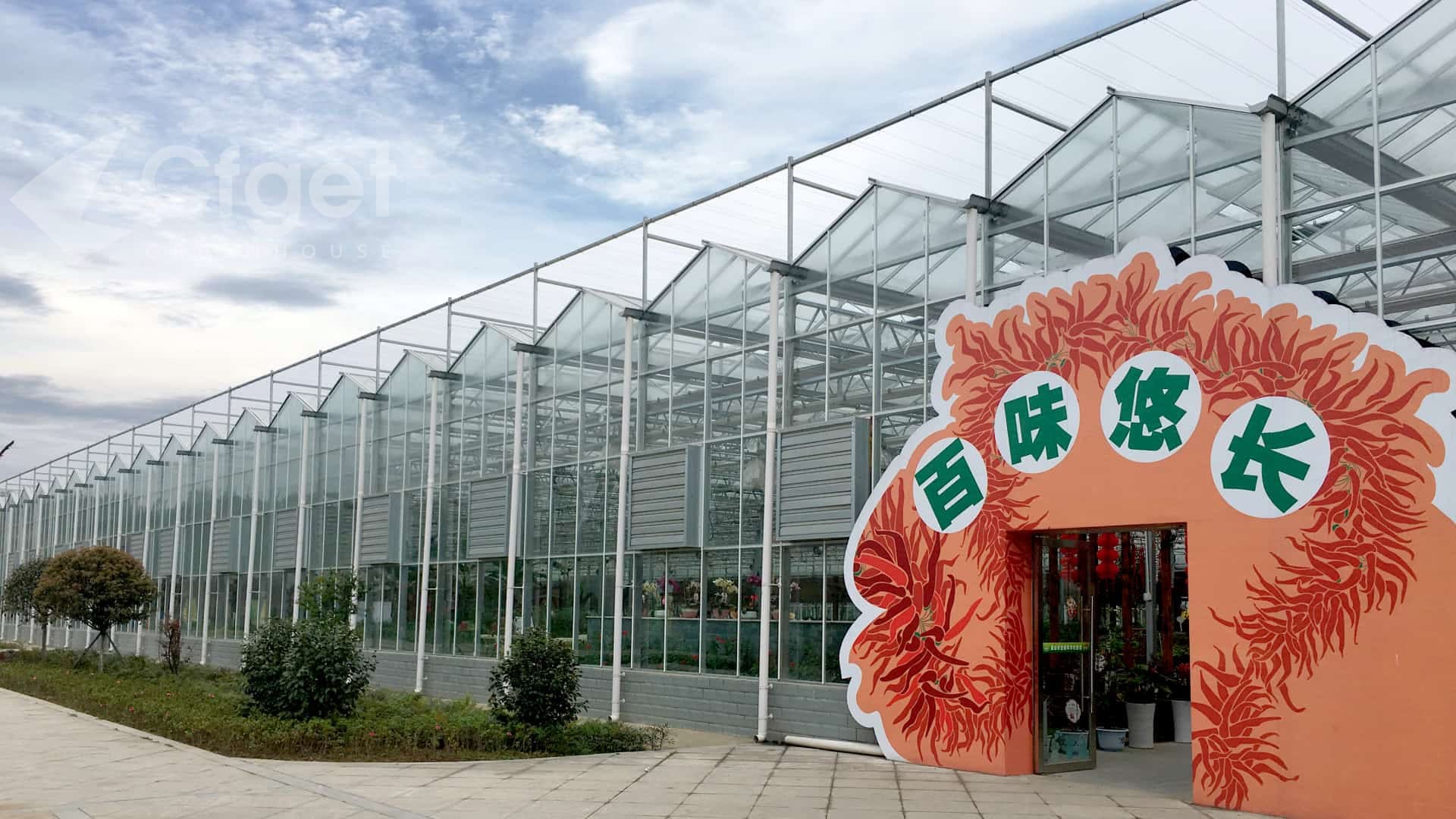
Heat management begins with solar load, outside air conditions, greenhouse geometry, crop resistance, and the selected insect net. Natural ventilation calculations should include the effective vent opening and pressure loss. Shade changes radiation but can also reduce crop light. Evaporative cooling performance depends on outside humidity, water quality, air distribution, and maintenance.
Ask the designer to show a staged sequence for roof and side vents, shade, circulation, fans, pads, or fog where used. The sequence should name sensors, thresholds set by the crop team, delays, interlocks, alarms, manual modes, and fail states. It should also state what happens during low wind, dust loading, water shortage, pump failure, and power loss.
| Design check | Required calculation or document | Field test |
|---|---|---|
| Ventilation | Opening geometry, selected net, wind and buoyancy cases | Vent travel, stage response and opening measurement |
| Shade | Radiation duty, crop period, screen transmission and structural load | Travel, overlap, limit switches and emergency response |
| Evaporative cooling | Outside design humidity, airflow, water duty, bleed and treatment | Fan pressure, pad wetting, sump, leak, alarm and drain checks |
| Monitoring | Sensor map, accuracy, calibration, logging and alarm route | Point-to-point, calibration and simulated-fault tests |
Treat salinity as a system input
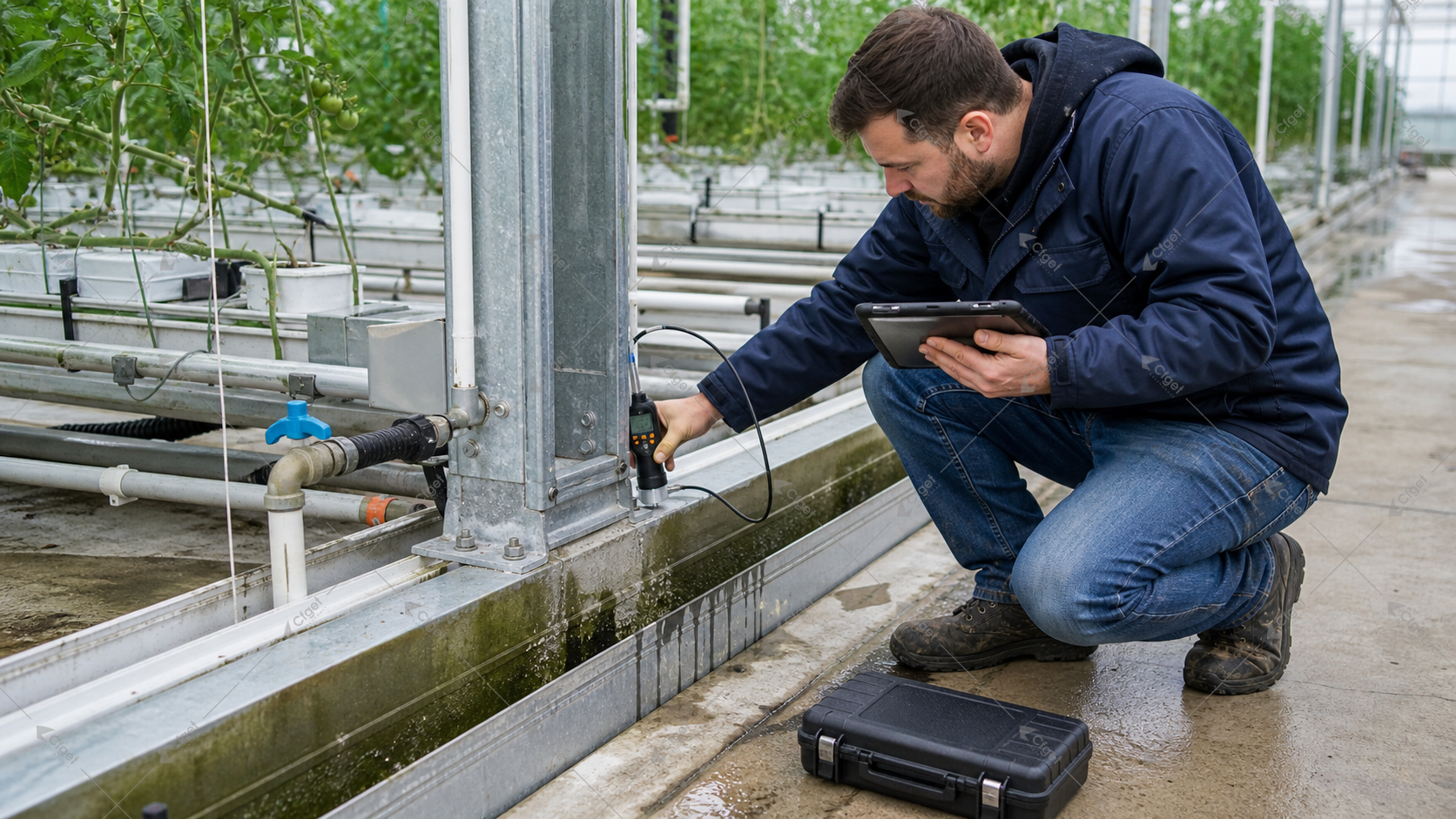
Water that looks clear can still create salinity, alkalinity, emitter, or crop problems. Test the source at a laboratory and include seasonal variation where the supply changes. The crop adviser should define the irrigation-water, root-zone, and drainage criteria for the selected production system. The equipment supplier should size treatment and monitoring from those criteria.
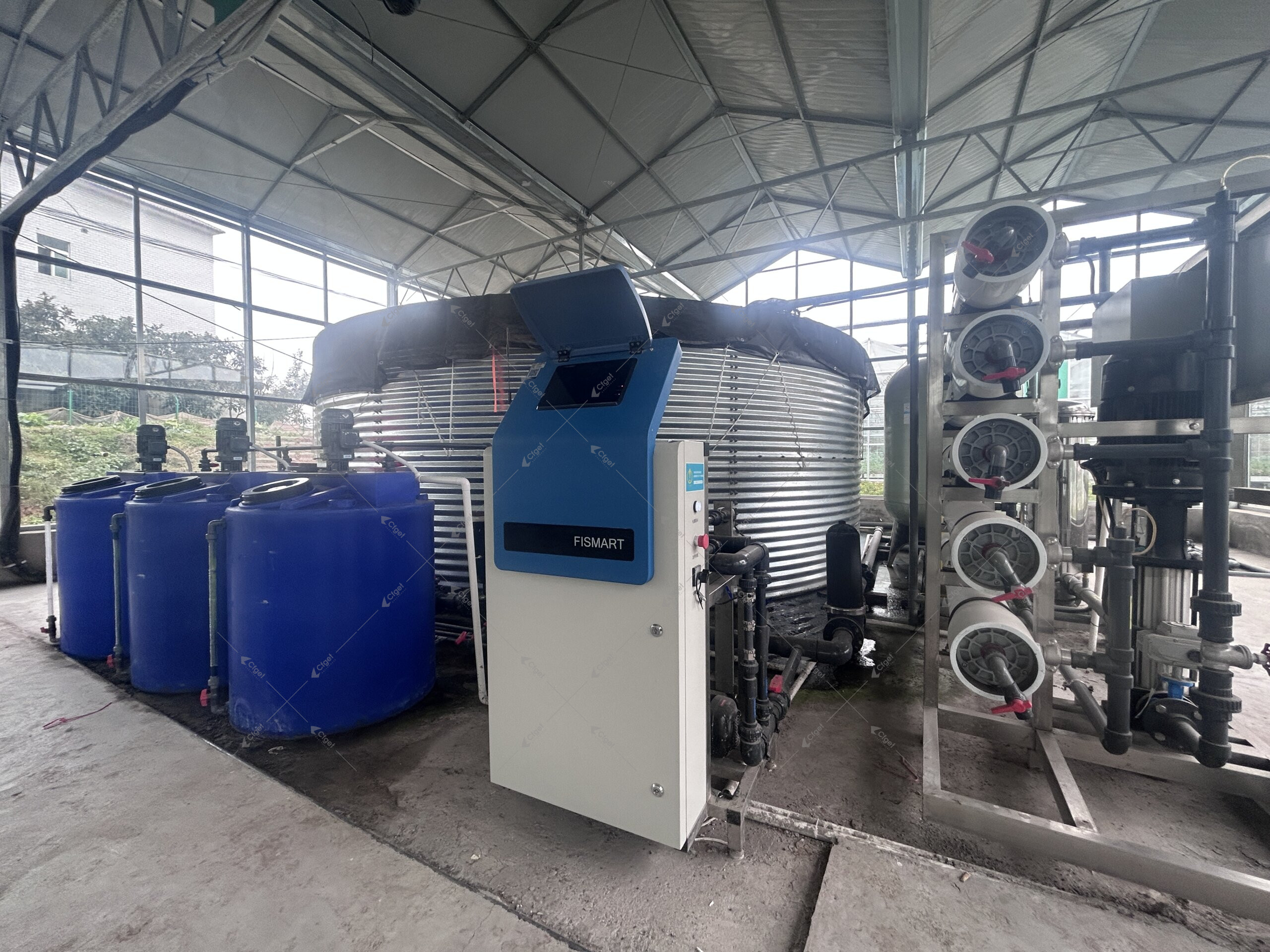
Require source and treated-water sampling points, flow meters, pressure gauges, filter differential pressure, electrical-conductivity and pH monitoring where specified, dosing verification, flush valves, drain collection, and a plan for rejected water or concentrated waste. State normal and peak zone flow, minimum pressure, daily demand, usable storage, refill time, and the response to an unavailable source.
The greenhouse fertigation guide describes the treatment and dosing boundary. The irrigation system comparison covers delivery methods. This page remains focused on Biskra sweet pepper site and project inputs.
Coordinate pest exclusion with airflow
Whiteflies, thrips, mites, aphids, and diseases can affect protected pepper crops, but a supplier should not prescribe a universal treatment program. The greenhouse can support an approved integrated pest-management plan through controlled entries, appropriate screens, cleanable work points, scouting access, crop-block separation, waste routes, and equipment that can be serviced without contaminating production areas.
Specify the screen mesh and airflow effect together. A finer net may reduce pest entry and also reduce ventilation. The design should provide the selected net’s technical data, clean and loaded assumptions, access for inspection, and replacement method. Doors, thresholds, gutters, penetrations, and utility openings should be included in the exclusion review.
Design the work and harvest flow
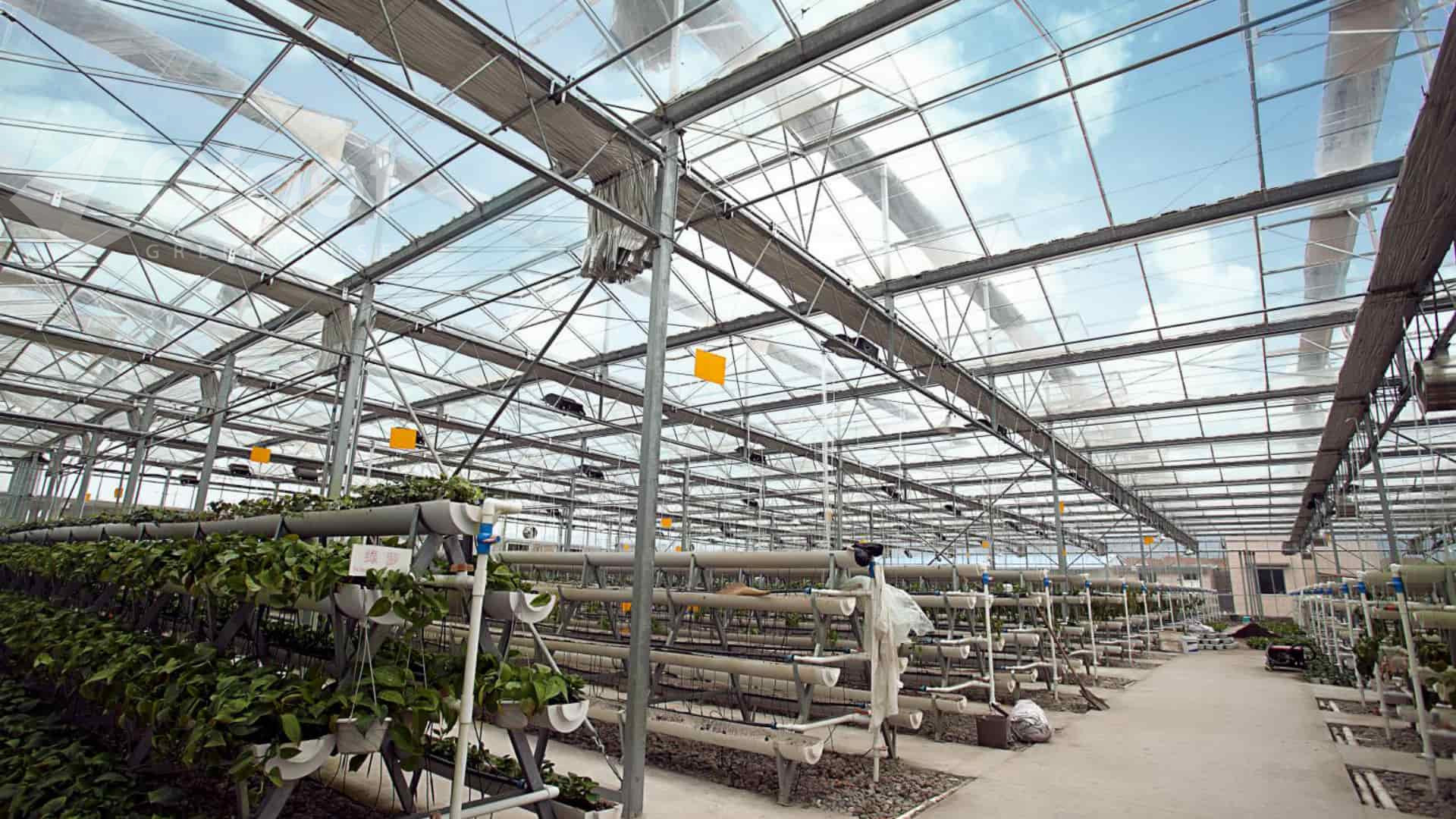
Show workers, crop inputs, tools, harvested peppers, rejected product, cleaning materials, and waste on a scaled plan. Aisles should fit the intended carts and maintenance equipment. Crop support, irrigation pipes, sensors, and screens must not block safe work or emergency routes. Decide where containers are cleaned and where harvested product is protected before packing.
Connect the greenhouse to the receiving, grading, packing, and dispatch process. State the market specification and traceability records, but do not promise a grade, price, or export result. The owner controls the cultivar, crop practice, harvest, quality system, labor, and sales decisions that sit outside the greenhouse supply.
Commission under realistic operating cases
Handover should cover the structure, covering, vents, screens, shade, cooling, pumps, filters, fertigation, irrigation uniformity, drainage, sensors, data, alarms, power loss, sanitation points, manuals, spares, and training. Record the test condition, instrument, acceptance limit, result, deviation, and closeout action.
Run approved fault simulations before crop risk increases. Test a failed water pump, blocked-filter alarm, lost climate sensor, stuck vent, controller communication loss, high-temperature alarm, and power interruption. Confirm the safe state, operator instruction, and recovery sequence. Where equipment capacity depends on summer weather, agree how seasonal performance will be verified after handover.
Use the commercial production greenhouse guide for system-interface and handover planning. Use the project-specific RFQ below to keep Biskra heat, salinity, and crop-flow requirements visible in every quotation.
RFQ inputs for a Biskra sweet pepper greenhouse
- Company, contact, map pin, elevation, site boundary and expansion phases
- Hourly weather source, wind, dust, drainage and extreme design conditions
- Sweet pepper type, crop calendar, growing system, support and market specification
- Water source, laboratory report, seasonal availability, storage and drainage limits
- Power supply, outage history, backup plan and equipment-maintenance capability
- Structure, covering, vents, insect net, shade, cooling and control requirements
- Irrigation zones, fertigation, filtration, monitoring, flushing and waste-water scope
- Worker, tool, harvest, rejected-product, sanitation and pest-scouting flow
- Owner, supplier and local-contractor work, delivery and installation boundary
- Calculations, drawings, manuals, spares, training, acceptance and seasonal tests
Technical references
- University of Constantine journal: spatial variation of soil salinity in Biskra
- CRSTRA Biskra: smart irrigation research program
- FAO: Good Agricultural Practices for greenhouse vegetable crops
Send the site, crop, water, climate, pest, utility, and work-flow brief through the CFGET contact page. Require the quotation to list assumptions, calculations, interfaces, and acceptance tests.