Start with the Egyptian site, not a greenhouse label
Egypt contains coastal, delta, valley and desert production sites with different summer temperature, humidity, dust, wind, water and grid conditions. A proposal described only as a Venlo greenhouse, film greenhouse or cucumber house does not establish that it will hold the crop environment. Give bidders the coordinates, altitude, obstruction plan and an hourly weather file. State the required production months and the crop-zone temperature and humidity boundaries for day, night and extreme events.
The World Bank’s Egypt climate resources document a hot, arid national context, while local design conditions still vary by site. That makes a copied city average a screening input, not a final equipment basis. The design team should show which weather points drive ventilation, evaporative cooling, heating, dehumidification and structural loads.
Choose the envelope after the climate sequence is defined
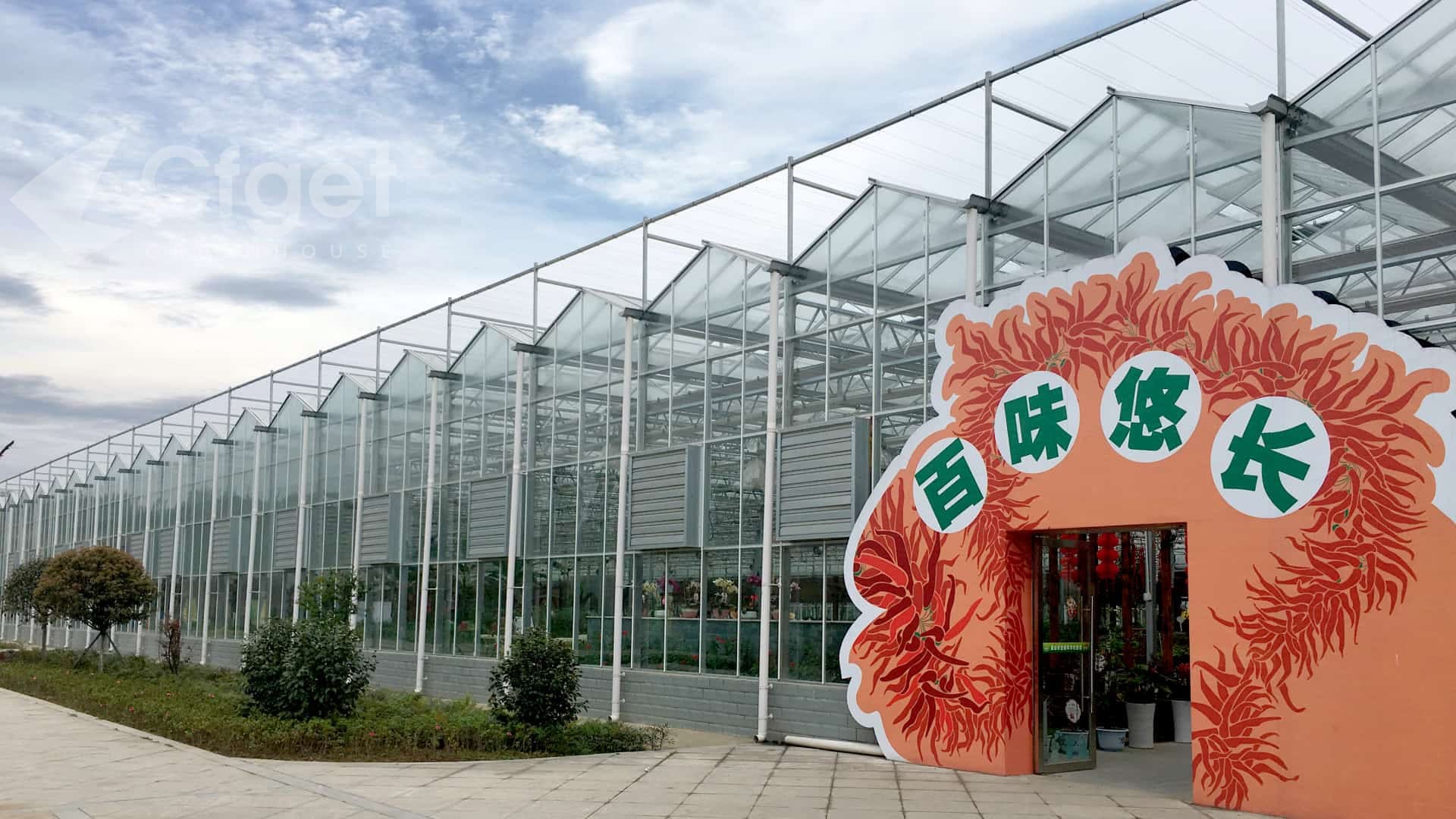
Glass, rigid sheet and inflated film assemblies differ in light transmission, heat transfer, air leakage, maintenance access and replacement cost. More light is useful only when the crop can use it without exceeding its heat and water boundaries. Ask for the installed assembly, including joints, seals, vents, screens, gutters and doors, rather than a covering material name alone.
A taller house can increase buffer volume and leave room above the crop, but height does not replace ventilation area or fan duty. Insect screens can restrict airflow. Dust can reduce light and pad performance. The quotation should state net vent area after screens, expected pressure loss, cleaning access and the control stage that applies when natural ventilation is insufficient.
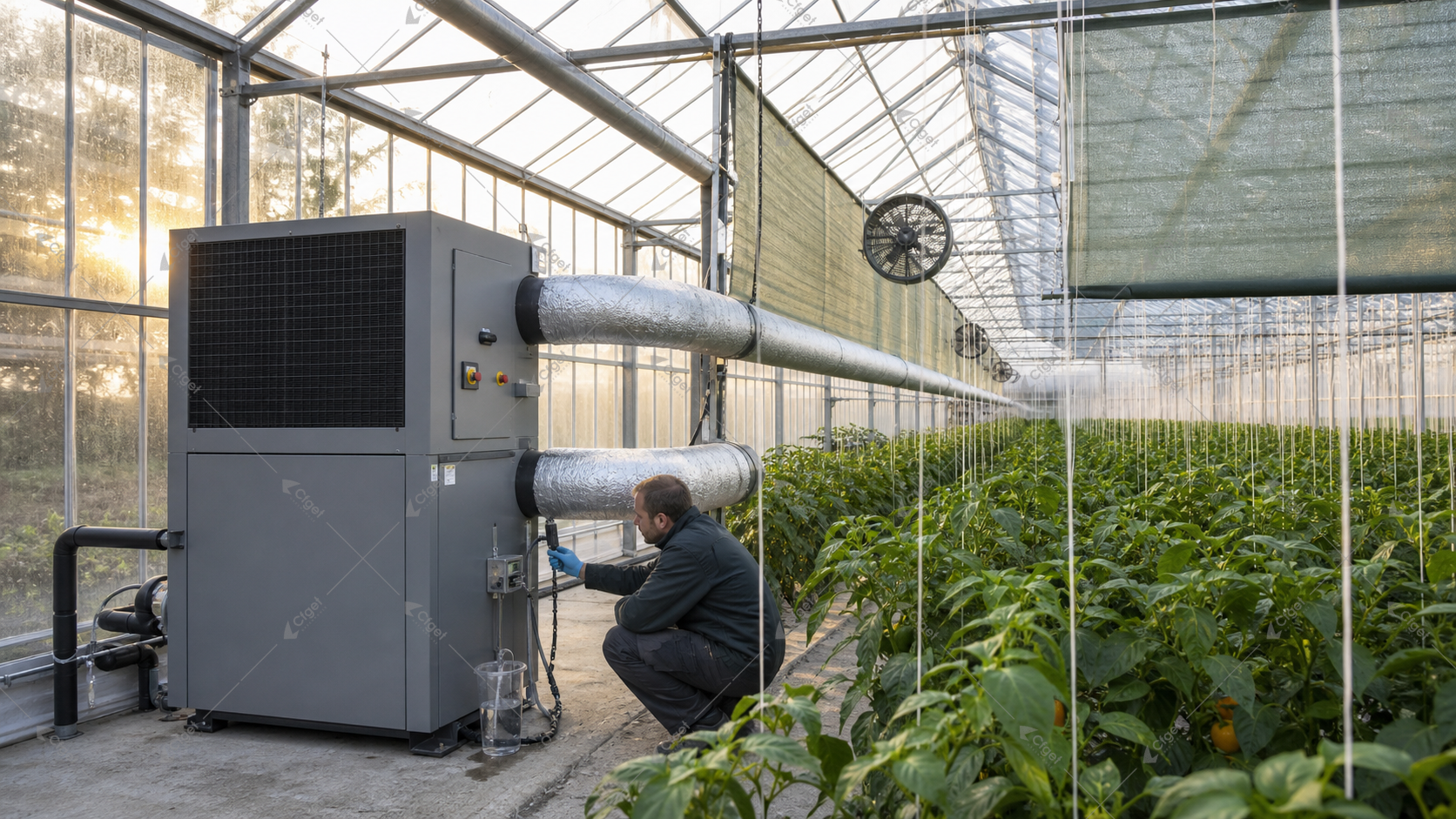
Compare cooling as a staged system
| Stage | Design question | Evidence to request |
|---|---|---|
| Shade and screening | How will solar load be limited without creating an unusable light deficit? | Screen properties, deployment thresholds, zones and maintenance access |
| Natural ventilation | What is the net roof and side opening after screens? | Opening schedule, aerodynamic area, wind assumptions and safe positions |
| Mechanical ventilation | What airflow is available at the installed resistance? | Fan curves, inlet area, pressure calculation, motor list and backup action |
| Evaporative cooling | What result is possible at the site’s design dry-bulb and wet-bulb conditions? | Psychrometric calculation, pad face velocity, water quality limits and bleed plan |
| Humidity control | How are nights and shoulder seasons handled? | Sensor locations, vent and heat sequence, condensation response and alarm limits |
Evaporative cooling performance depends on outside humidity as well as temperature. A supplier should not promise one indoor temperature for every summer hour. Ask for predicted crop-zone conditions at named design points and the operating water demand at those points. Define what happens when a pump, fan, sensor or power supply fails.
Check structure, corrosion protection and maintenance access
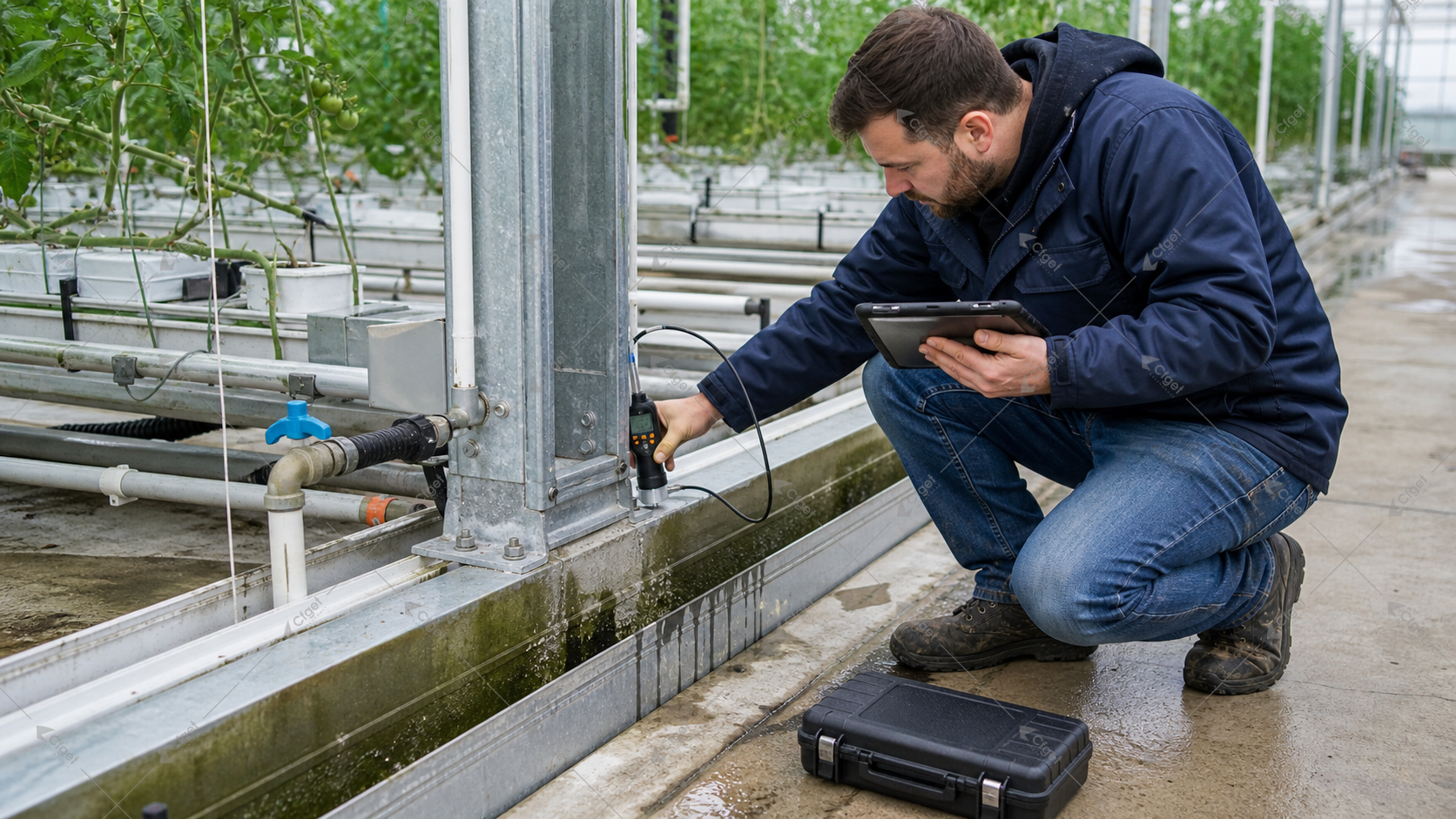
The structural proposal should identify the governing code, wind and seismic criteria, dead loads, crop-wire loads, hanging equipment and combinations used. Request framing plans, connection details, foundation reactions and the basis for any corrosion-protection specification. Coastal exposure, fertilizer storage and persistent wet zones may need different material and inspection decisions from a dry inland site.
Maintenance access belongs in the design. Operators need safe routes to vents, screens, pads, fans, gutters, sensors and roof-cleaning points. Ask which parts are expected to wear, how they are isolated and replaced, and which spares should be held on site. The handover package should include an equipment schedule, manuals, settings backup, lubrication and cleaning tasks, inspection intervals and an escalation contact. These documents make competing proposals easier to compare and reduce dependence on one operator’s memory.
Water analysis decides more than irrigation equipment
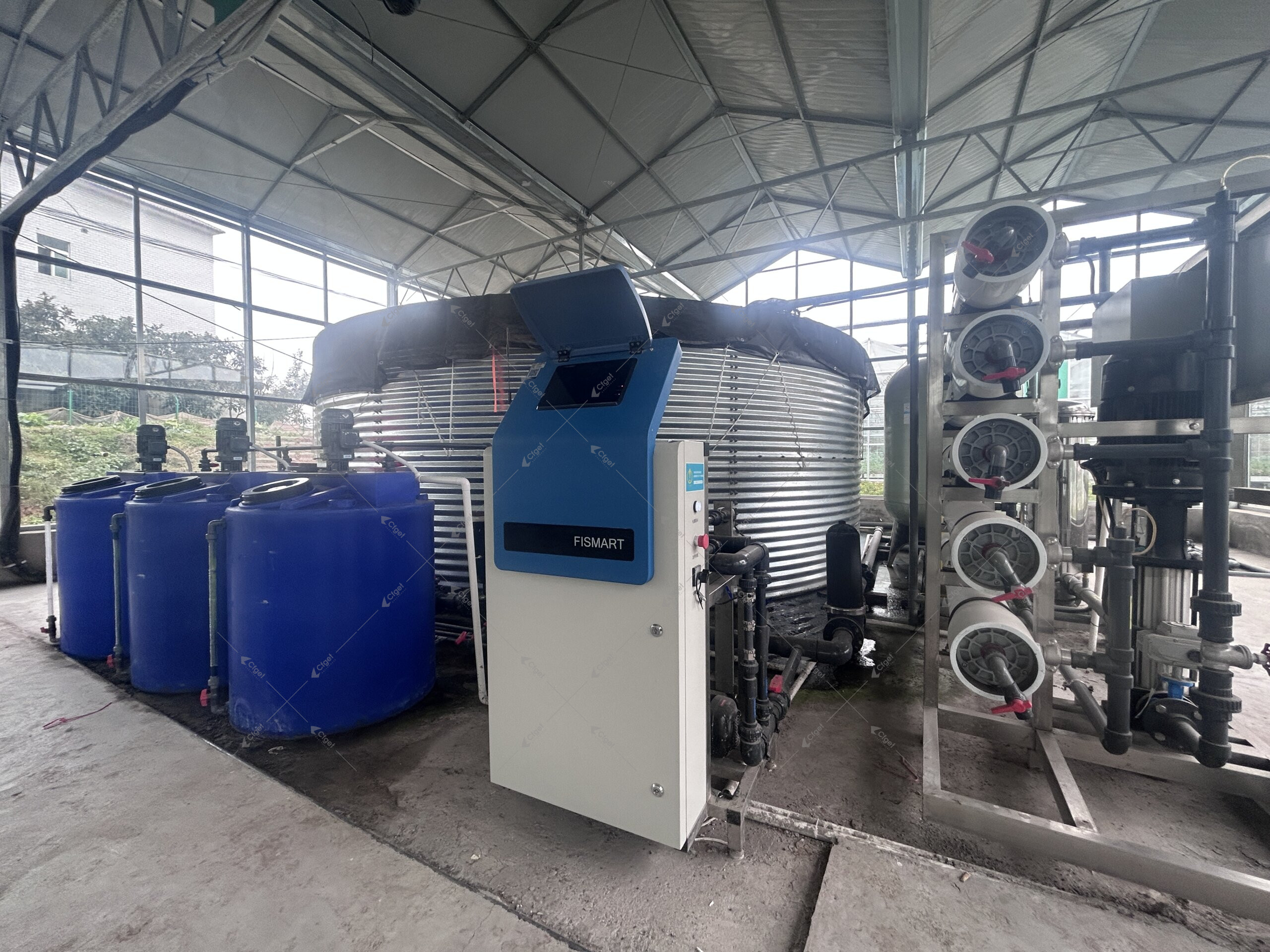
Send a recent laboratory analysis that includes pH, electrical conductivity, alkalinity, major ions, sodium, chloride, bicarbonate, iron and microbiological indicators relevant to the water source and local rules. The result informs filtration, acid dosing, fertilizer compatibility, emitter selection, recirculation, disinfection and discharge planning. UF/IFAS fertigation guidance lists water analysis as an important step and distinguishes the chemical measures that affect treatment and clogging decisions.
State source capacity by hour and day, storage volume, pressure, seasonal variation and backup supply. If pad cooling and irrigation draw from the same source, their coincident peak demand belongs in the hydraulic balance. The bidder should identify concentrate handling, drain routes and which water streams may be reused.
Lay out the crop and service areas before pricing the frame
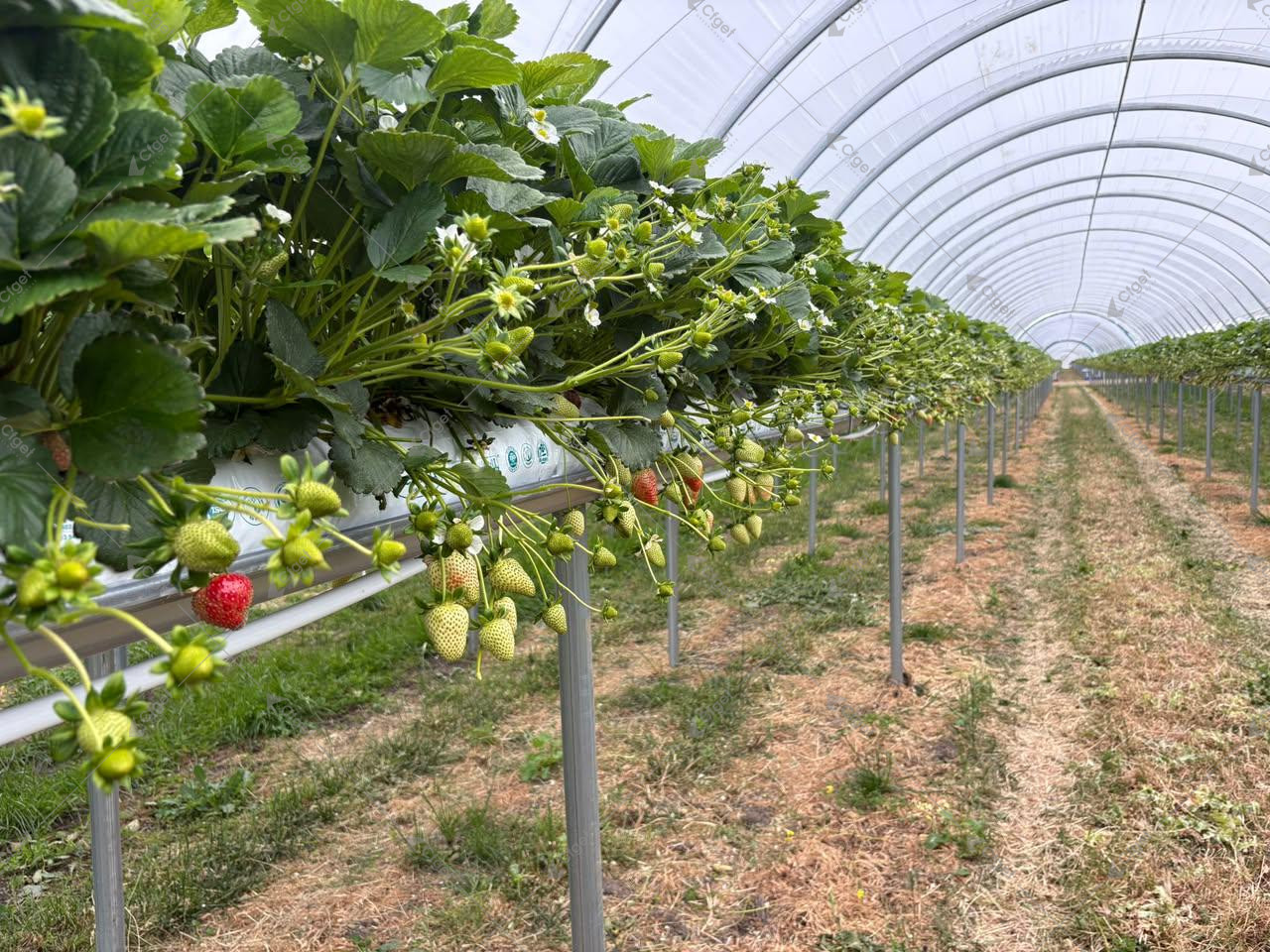
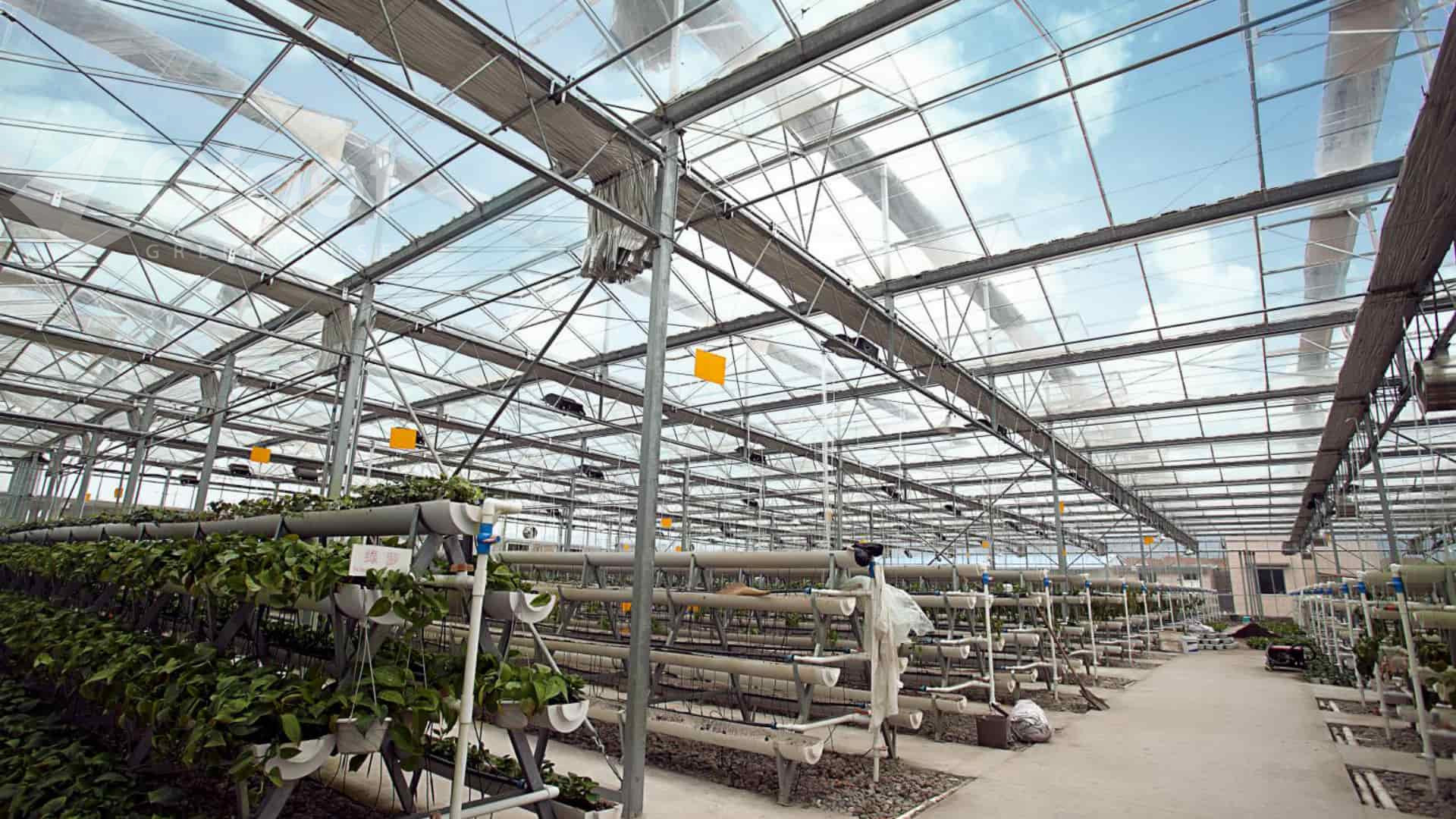
Commercial cucumbers are commonly trained vertically, so the structural brief must include crop-wire height, hanging loads, row direction and service access. The crop plan should also locate propagation, mixing, filtration, storage, fertigation, drainage, packing, hygiene points and waste routes. Gross covered area is not the same as usable crop area.
Oregon State University’s greenhouse cucumber guidance describes trellising, pollination type and crop management choices that affect the operating plan. Use such crop guidance to define design inputs, not as a supplier yield guarantee. Variety, planting density, climate, nutrition, disease pressure, labor and market grade all change saleable output.
Do not buy a yield or payback promise
A greenhouse quotation can identify installed capacities and operating inputs. It cannot prove a universal annual yield, selling price or return on investment. Build the financial model from usable crop area, planned crop cycles, graded output assumptions, local selling channels, labor, energy, water, consumables, replacements and downtime. Keep base, downside and stress cases visible.
Ask suppliers to separate equipment price from civil work, utilities, freight, duties, installation, commissioning and local permits. A low headline price may simply move responsibilities to the buyer. Compare bids against the same responsibility matrix and acceptance tests.
Documents to include in the cucumber greenhouse RFQ
- Coordinates, altitude, site plan, survey, soil information, drainage and access.
- Hourly weather file plus required wind, seismic and other local code criteria.
- Production calendar, variety type, crop-wire height, row layout and usable crop area.
- Day, night and extreme-event crop environment boundaries.
- Water analysis, source capacity, storage, discharge and treatment constraints.
- Electrical service, fuel, backup power, network and local utility limits.
- Covering, vents, screens, shade, cooling, heating and control expectations.
- Fertigation, filtration, drainage, disinfection and sanitation responsibilities.
- Civil work, freight, installation, supervision, permits and training scope.
- Commissioning script, pass criteria, spares, manuals and service response.
Related CFGET planning resources
Use the greenhouse construction process to assign delivery stages, the greenhouse ventilation system guide to compare airflow evidence, and the commercial irrigation system guide to prepare water and zone inputs.
Technical references
- World Bank Climate Change Knowledge Portal: Egypt climate data
- UF/IFAS Extension: water analysis and fertigation system integrity
- Oregon State University: greenhouse cucumber production guidance
Preparing a commercial cucumber project in Egypt? Send CFGET the site, weather, water analysis, crop plan, utilities and responsibility matrix. The response should show the proposed system, calculation basis, exclusions and acceptance evidence.