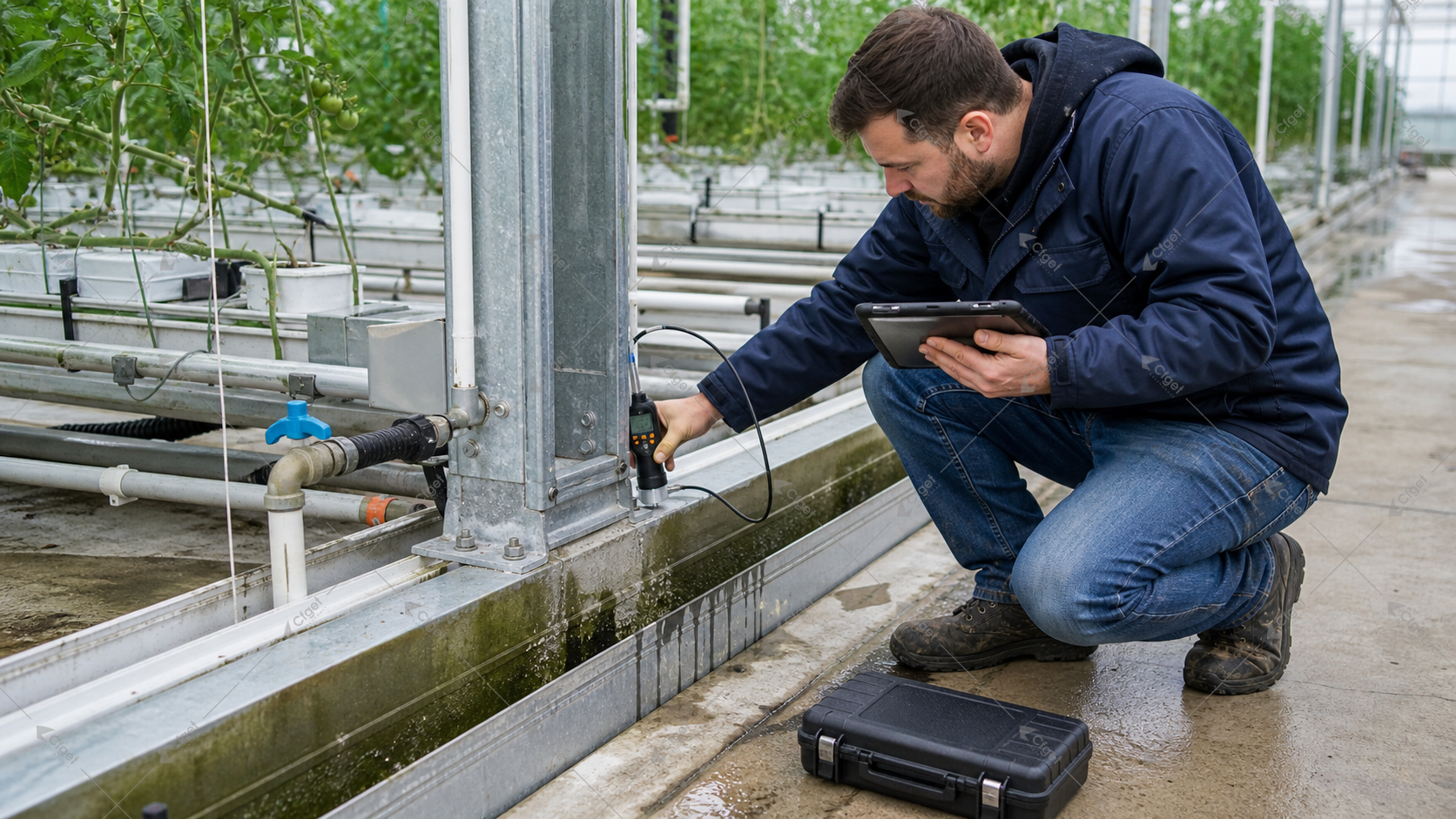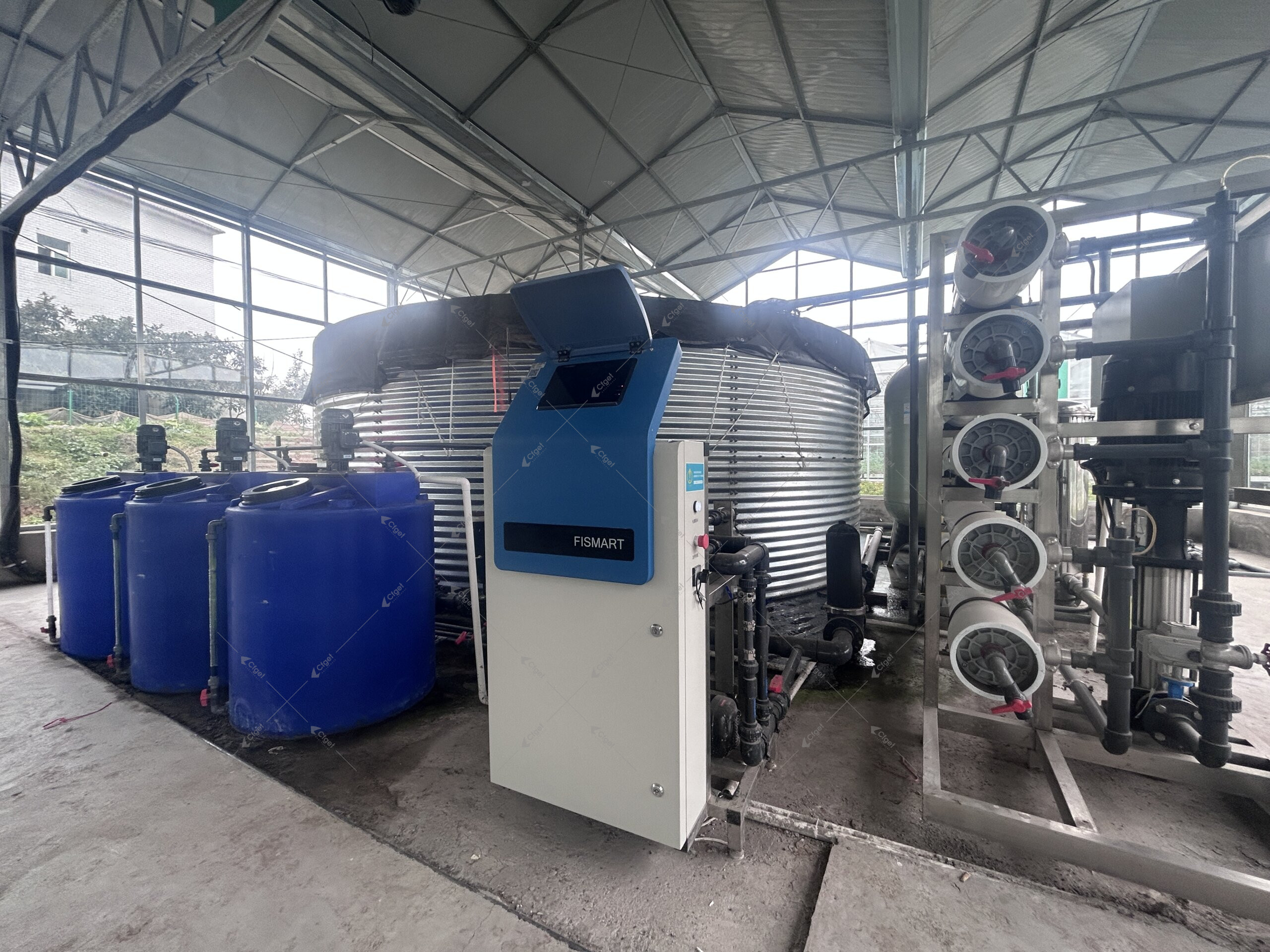
EU buyers can disappear fast when one pest interception happens. If my rose greenhouse loses compliance, I lose my best prices and my export window.
To keep Ethiopian roses export-ready, I design the greenhouse for pest exclusion and humidity control, then run a “systems approach” routine for False Codling Moth. The EU’s Regulation (EU) 2024/2004 takes effect on April 26, 2025, so compliance is now a profit requirement, not an option.<1><2>
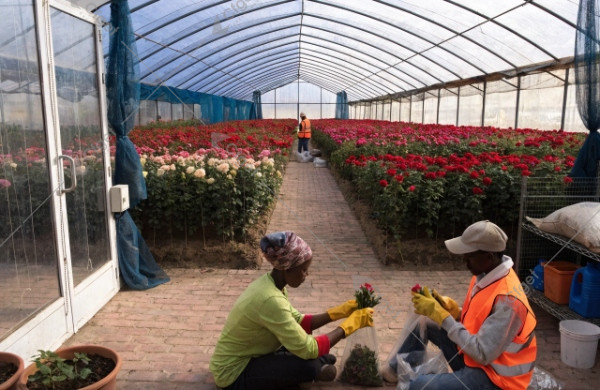
A rose greenhouse built for export compliance.
I am writing this like your buyer will read it. They do not want theory. They want proof that your farm can pass inspections and deliver uniform Grade-A stems every week. Ethiopia’s cut flower sector is heavily rose-focused. A global cut-flower market reference notes roses are the dominant crop in Ethiopia, around 80% of greenhouse area, and it lists Ethiopia as a major exporter. <3> That is why the topic has real search demand and real buying intent.
CFGET Video
What does EU Regulation (EU) 2024/2004 mean for Ethiopian rose greenhouses?
Many farms hear “new EU rule” and think it is paperwork. It is not. It changes what I must prove at farm level.
Regulation (EU) 2024/2004 increases phytosanitary expectations for cut roses, especially around regulated pests like False Codling Moth, and it becomes enforceable on April 26, 2025. My greenhouse must show prevention, monitoring, and traceability, not only chemical control.<1><2>
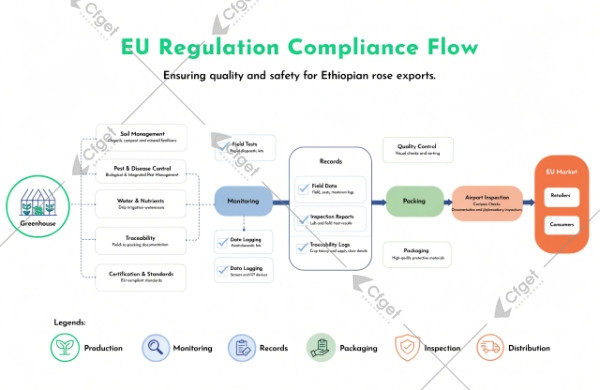
Compliance is a system from farm to export.
This is the practical shift I plan for:
- EU compliance is now about systems approach, not “spray and hope.”
- Workers must recognize symptoms early.
- Records and traceability must be consistent.
EHPEA explains the April 26, 2025 effective date and links directly to the official EU text. <1><2> That gives me a clear reference I can show to buyers and internal teams.
The fast compliance checklist I use
| Area | What EU-style buyers want | What I implement |
|---|---|---|
| Pest exclusion | fewer entry points | netting + sealing + clean entry |
| Monitoring | early detection proof | traps + scouting logs |
| Actions | repeatable response | SOP for removal + isolation |
| Traceability | batch confidence | codes + harvest records |
| Packing | hygiene and control | clean zones + inspection step |
If I can show these, I reduce shipment risk and protect cashflow.
Which greenhouse design choices reduce FCM risk before I spray anything?
A lot of farms try to fight pests with more chemicals. That often increases cost and still fails inspection.
My biggest FCM risk reduction comes from greenhouse design: sealed structure, insect netting with correct airflow planning, clean entry workflow, and waste handling that removes breeding space. This is cheaper than repeated rescue sprays.<1><2>
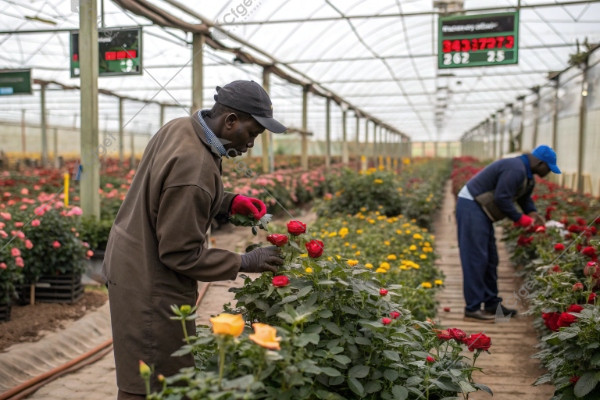
Design reduces pest pressure every day.
I use four design rules:
1) Netting is not a plug-in accessory
Netting adds resistance. If vent area is not increased, airflow collapses and humidity rises. That creates disease pressure and quality loss.
2) Sealing matters more than people admit
Small gaps become pest highways. I treat sealing as part of commissioning, not a “maintenance detail.”
3) Clean entry is a profit tool
I separate visitor path, tool sanitation, and worker flow. This reduces pest movement and contamination.
4) Waste handling must be designed
If plant waste sits near the greenhouse, pest pressure rises and scouting becomes meaningless.
On CFGET’s side, these pages match the design logic and make it easy to explain to buyers:
- https://cfgreenway.com/solutions/pest-barriers/
- https://cfgreenway.com/solutions/humidity/
- https://cfgreenway.com/solutions/temperature/
How do I control humidity to reduce Botrytis and protect vase life in Ethiopian roses?
If I block pests but ignore humidity, I still lose money. High humidity reduces quality and increases disease pressure.
I protect rose quality by preventing condensation and long wet hours. I keep airflow uniform, purge moisture early, and use short heat-and-vent steps when nights cool fast. This reduces Botrytis risk and improves vase life.<3>
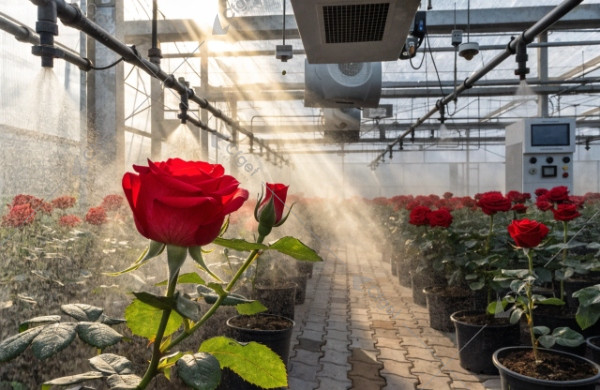
Dew control reduces disease pressure.
A cut-flower market reference notes Ethiopia’s main flower production area is in highlands around Addis Ababa (1600–2500 m). <3> Highlands can mean cooler nights. Cooler nights can mean condensation risk if my greenhouse is not managed well.
My humidity routine is simple:
- keep airflow through the canopy
- avoid late heavy irrigation
- purge moisture before the house “wets up”
- keep records, so I can improve the routine weekly
| A practical “night risk” table I use: | Symptom | What it usually means | What I change first |
|---|---|---|---|
| wet leaves at dawn | purge too late | start purge earlier | |
| Botrytis in corners | dead zones | fan layout + obstruction check | |
| soft stems | unstable climate | stabilize night routine | |
| petal marks | wet hours too long | dew point margin discipline |
If I protect humidity and airflow, I protect Grade-A percentage.
What operational SOP keeps Grade-A stems high while meeting EU rules?
Compliance is not one inspection day. It is daily behavior. If the SOP is too complex, people stop following it.
My best SOP is short, visual, and repeatable: monitor, record, act, and verify. I train workers on pest signs, keep trap logs, and link each harvest batch to traceable records.<1><2>
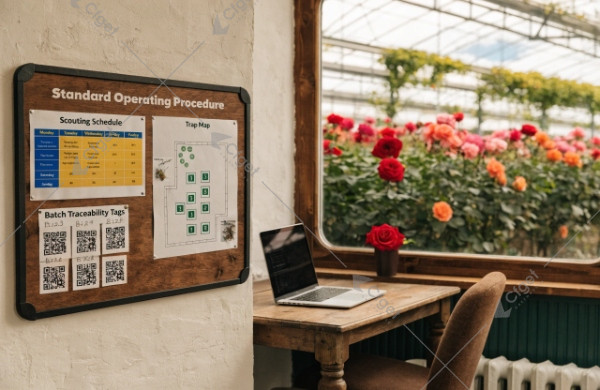
SOP makes compliance repeatable.
Here is the SOP structure I use:
Daily
- check traps and hotspot rows
- remove suspect material immediately
- clean tools and keep waste moving out
Weekly
- review trap trends
- confirm training gaps
- audit sealing and netting damage
Per shipment
- packhouse inspection step
- batch code and traceability record
- final quality grading checkpoint
EHPEA notes worker training and inspection improvements as part of Ethiopia’s industry response. <1> That is exactly the direction I follow: reduce risk before the airport.
Conclusion
Ethiopian rose exports stay profitable when the greenhouse is built for exclusion and humidity control, and the farm runs a simple FCM systems approach every day. April 26, 2025 is a hard compliance deadline, so stability and traceability now decide cashflow.
External Links (Footnotes)
1> https://ehpea.org/new-eu-implementation-regulations-and-ethiopias-rose-industry/
<2> https://eur-lex.europa.eu/eli/reg_impl/2024/2004/oj
<3> https://bi-dam-prod.s3.amazonaws.com/5fd9227bd5ef2b43ea501f02/28b45f7566a906f8043f390081e51daf40436e7d/9781789247602_23_aade89e6f4409ef5983a5b7d4c1f536d.pdf
—
## Internal References (CFGET)
– **CFGET Homepage**
– **Commercial Greenhouse Systems**
– **Pest Barriers**
– **Humidity Solutions**
– **Temperature Solutions**
– **Smart Auto & Control Solutions**
– **Contact**
—
## Internal Blog References (Related CFGET Articles)
– **Tropical Greenhouse Cooling Systems: Complete Guide to Hot Climate Agriculture**
Tropical Greenhouse Cooling Systems: Complete Guide to Hot Climate Agriculture
– **Greenhouse Climate Control Systems for Extreme Heat: Why Your Greenhouse Still Overheats and What to Do**
– **How to Set Up a Commercial Greenhouse: An Essential Guide for Growers and Agribusinesses**
How to Set Up a Commercial Greenhouse: Essential Guide for Growers & Businesses?
– **How Much Does It Cost to Build a Smart Greenhouse? Hidden Costs You Should Know**
How Much Does It Cost to Build a Smart Greenhouse? What Are the Hidden Costs?
– **Why Sawtooth Greenhouses Beat the Heat with Zero-Energy Natural Ventilation**
https://cfgreenway.com/sawtooth-greenhouses-beat-the-heat-with-zero-cost-natural-ventilation/