A greenhouse CO2 generator should be selected only after the buyer checks whether the crop, light level, ventilation schedule, greenhouse leakage, and operating period make enrichment practical. The equipment price is a small part of the decision. Gas supply, distribution, process sensors, independent safety monitoring, alarms, shutoff, combustion controls, installation, calibration, and maintenance belong in the same quotation.
The first design question is not a target concentration. It is whether the greenhouse can hold added CO2 during the intended period. A house that is venting heavily may lose gas faster than the system can usefully distribute it. The buyer needs a mass balance and a control narrative, not a generator selected from floor area alone.
Choose the CO2 source after defining the duty
Commercial projects may consider delivered carbon dioxide, direct-fired gas equipment, or recovered flue gas from a suitable heating plant. These routes have different fuel, purity, heat, moisture, pressure, distribution, maintenance, and safety implications. Availability also changes by location. A buyer should ask the designer to explain why the proposed source fits the crop schedule and local services.
| Route | Design questions | Evidence to request |
|---|---|---|
| Delivered CO2 | Storage location, refill access, pressure control, peak flow, distribution | Supply basis, regulator and vaporizer duty, pipe schedule, refill plan |
| Direct-fired generator | Approved fuel, combustion air, heat and moisture, burner interlocks, byproducts | Manufacturer limits, fuel specification, combustion safeguards, service plan |
| Recovered flue gas | Boiler duty, cleaning, cooling, storage, gas quality, heat demand | Process diagram, gas-quality limits, analyzer and shutdown sequence |
Oklahoma State University Extension describes crop response, source choices, leakage loss, and monitoring as parts of one greenhouse supplementation problem. Its examples are educational, not a design certificate for a specific project. Use a current crop and climate plan when setting the operating target.
Build the sizing calculation from operating data
The calculation should state greenhouse volume, outside concentration used, target range, crop area, crop stage, active light period, air leakage, vent position, distribution losses, and the time allowed to reach the control band. A single number without these inputs cannot be checked. Ask for normal duty and maximum duty, then compare both with storage or fuel capacity.
Ventilation and enrichment need an explicit sequence. The controller may stop injection when vents exceed a defined position, when exhaust fans run, when light is insufficient, or when a safety device trips. Those limits depend on the project. They should be visible in the controls description and tested during commissioning.
| Calculation input | Why it changes the duty | Buyer check |
|---|---|---|
| Greenhouse volume | Sets the initial gas quantity needed to change concentration | Use internal volume, not floor area alone |
| Leakage and ventilation | Added gas leaves with uncontrolled and controlled air exchange | State vent and fan conditions for enrichment |
| Crop and light | Uptake changes with crop stage and useful light | Define operating periods and crop basis |
| Distribution | Poor mixing creates zones that one sensor may miss | Show pipe layout, outlets, circulation and validation points |
| Control band | A narrow band may cause short cycling or unstable valves | State sensor accuracy, deadband, sample interval and fail state |
Separate production control from worker safety
A crop-control sensor is not automatically a life-safety monitor. The two jobs can require different locations, ranges, alarms, relays, calibration procedures, and power arrangements. The design should identify the authority having jurisdiction and the local occupational, fuel, fire, electrical, and gas rules that apply.
Ask for audible and visible alarms, automatic gas isolation, emergency ventilation logic where required, manual emergency actions, signage, training, and event records. Direct-fired equipment also needs the specified fuel and combustion safeguards. Incomplete combustion or unsuitable fuel can damage crops and create a serious safety problem. Do not accept a yield claim as evidence that the gas system is safe.
Price the installed system, not the burner
| Cost group | Include in the comparison |
|---|---|
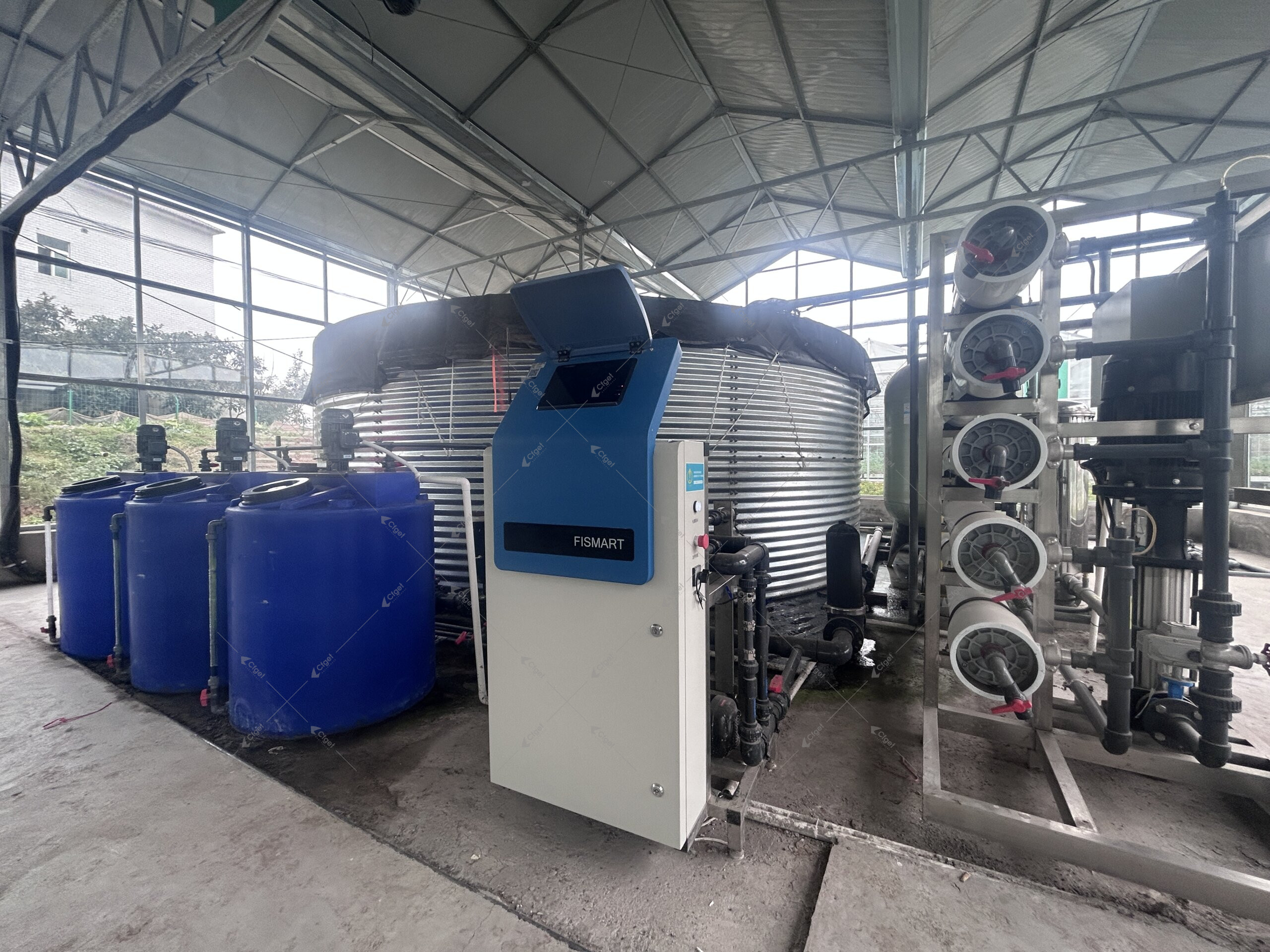
| CO2 source | Generator, tank or boiler interface, approved fuel or gas, pressure equipment |
| Distribution | Headers, zone valves, tubing, outlets, supports, balancing and leak testing |
| Controls | Process sensors, controller, data logging, vent and light interlocks |
| Safety | Independent monitors, alarms, shutoff, emergency sequence, signage and training |
| Installation | Foundations, electrical work, gas work, permits, commissioning and calibration |
| Operation | Gas or fuel, refills, analyzer service, sensor replacement, labor and spares |
The CO2 generator equipment page is the product reference. This Blog article owns sizing, safety, cost and RFQ intent. Climate coordination belongs with the climate-control system, while automation interfaces belong with the smart control solution.
Commission the whole sequence
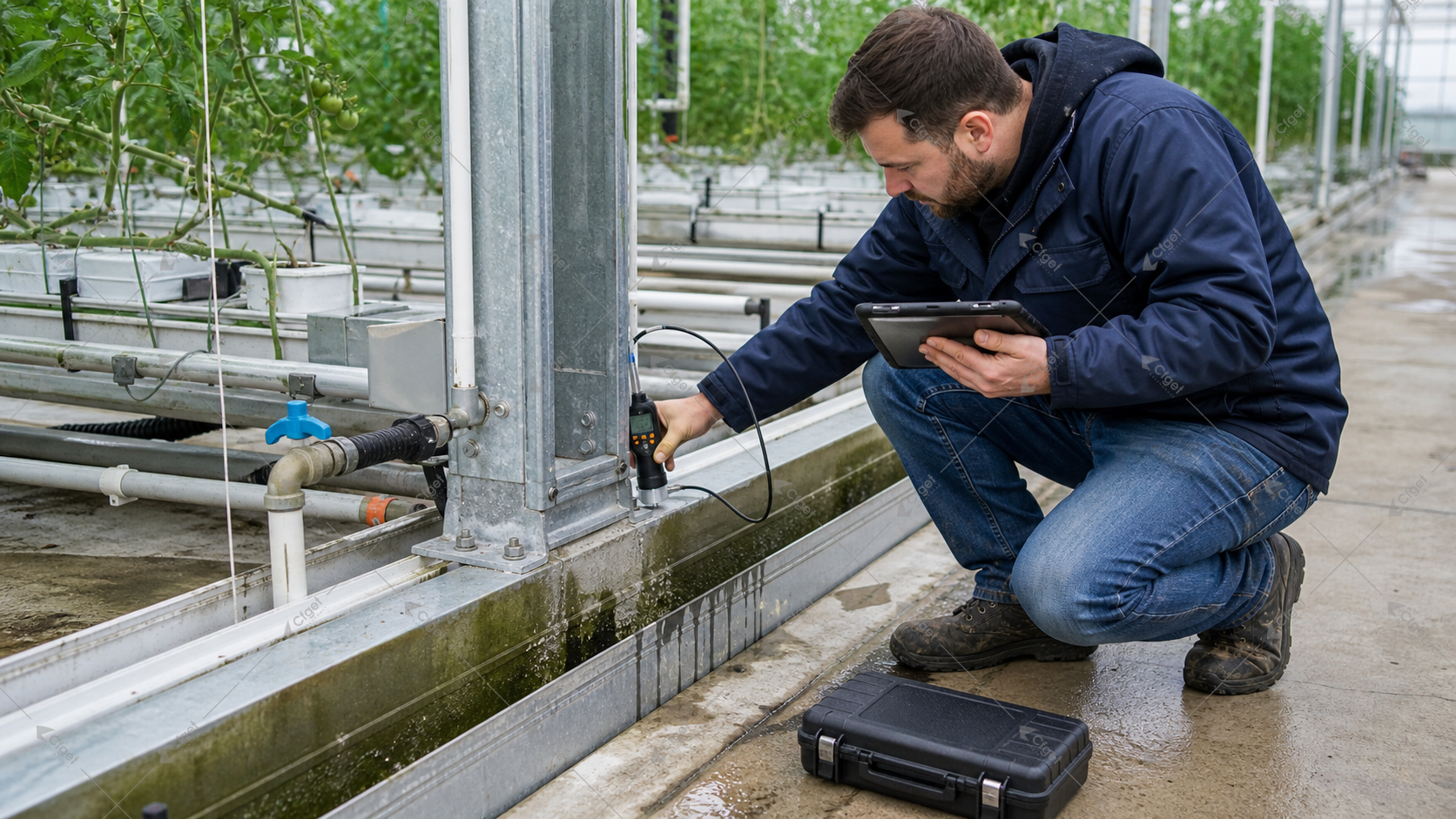
Commissioning should verify sensor identity and calibration, valve direction, distribution leaks, zone response, data logging, vent and fan interlocks, alarms, shutoff, power-loss behavior, restart rules, and manual emergency actions. Record the starting conditions and test results. The operator needs a schedule for calibration, alarm testing, burner service if used, and review of gas consumption against crop and vent history.
Review consumption after handover
The first operating review should compare gas use with light, vent position, outside conditions, crop stage and time inside the control band. A high monthly total does not identify the cause. The trend may point to leakage, a valve problem, unsuitable enrichment hours, a changed crop schedule or a sensor that needs calibration.
Keep separate records for process control and safety events. Process records help the grower decide whether the operating strategy makes sense. Safety alarms require the response and investigation defined by the approved local procedure. The supplier should state which data the controller retains, how it is exported and who has permission to alter the sequence.
Service access also belongs in the design. Regulators, analyzers, burners, valves and safety monitors need safe inspection and replacement space. The owner should receive model numbers, calibration intervals, consumable lists and suitable spare parts. An installed system is not complete when the hardware runs once; it is complete when the operator can test, maintain and isolate it.
RFQ inputs for greenhouse CO2 equipment
- Project country, authority having jurisdiction, greenhouse drawings and internal volume
- Crop, crop stage, growing area, production calendar and useful-light schedule
- Vent and fan sequence, estimated leakage and periods when the house can remain closed
- CO2 source options, gas or fuel availability, quality requirements and refill access
- Normal and peak mass-balance calculations with every assumption shown
- Distribution zones, outlet layout, mixing method and validation points
- Process sensors, independent safety monitors, alarms, shutoff and fail states
- Heat, moisture and combustion effects for direct-fired equipment
- Installation boundary, permits, commissioning, training, spares and calibration plan
- Capital cost, operating model, maintenance duties and quote validity
Technical references
- Oklahoma State University Extension: Greenhouse carbon dioxide supplementation
- US National Institute for Occupational Safety and Health: Carbon dioxide IDLH data
Use the CFGET contact page to send the greenhouse drawing, crop schedule, vent logic and local gas options. Request an installed quotation with a calculation sheet and commissioning plan.