The right commercial greenhouse is the lowest-cost structure that can reliably deliver the crop, season and market quality you need at your site. Start with those operating requirements. Structure type, covering and automation should follow, not lead, the decision.
1. Define the production brief before selecting a greenhouse
A supplier cannot choose responsibly from area and budget alone. The first brief should state the crop, growing method, production months, target harvest window, saleable-quality requirements and the conditions the structure must maintain. Add the site location, design weather, water test, utilities, labour model and expansion plan.
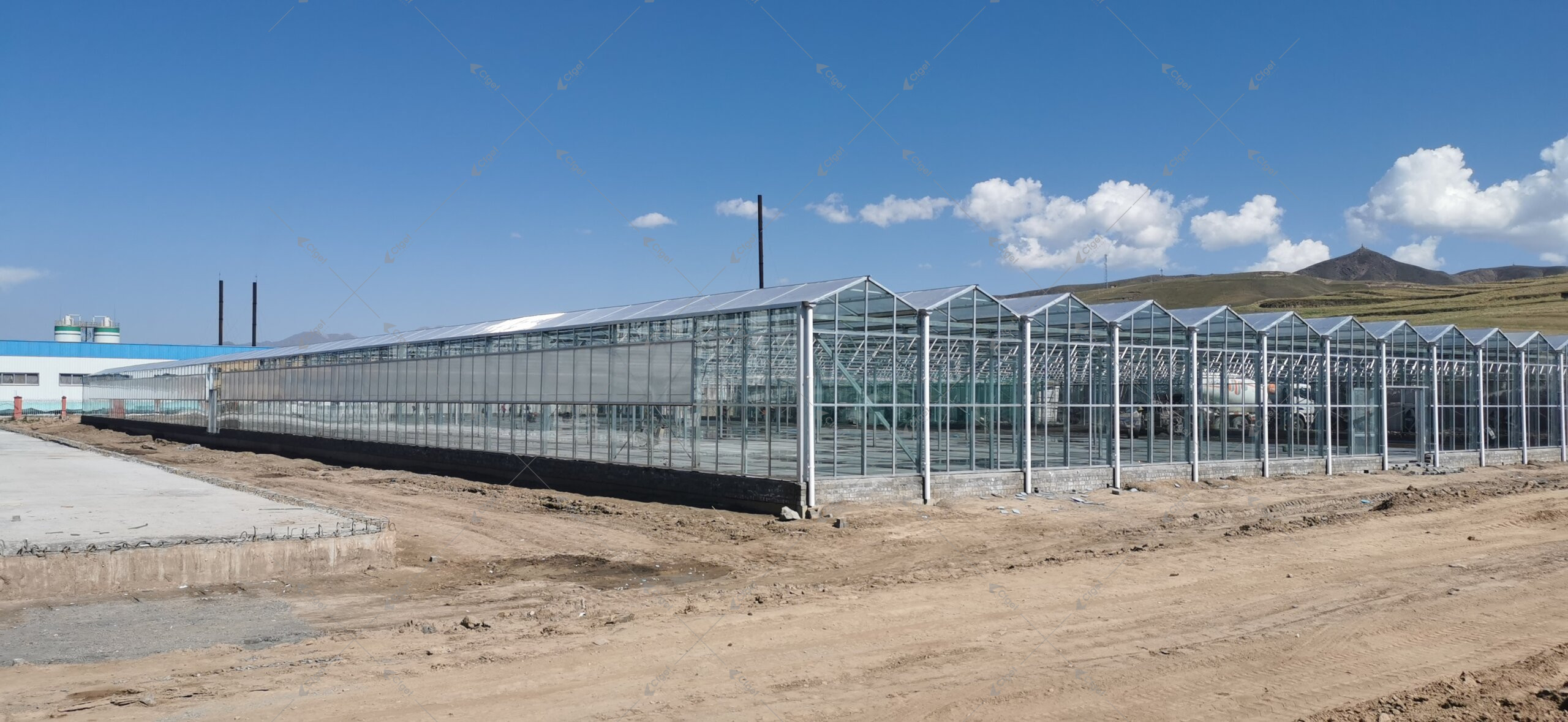
This separates three projects that may look similar in a catalogue: a seasonal rain shelter, a naturally ventilated commercial house, and a year-round controlled facility. They should not share the same specification or price expectation.
2. Choose the structure and covering as a package
| Option | Often fits | Questions before buying |
|---|---|---|
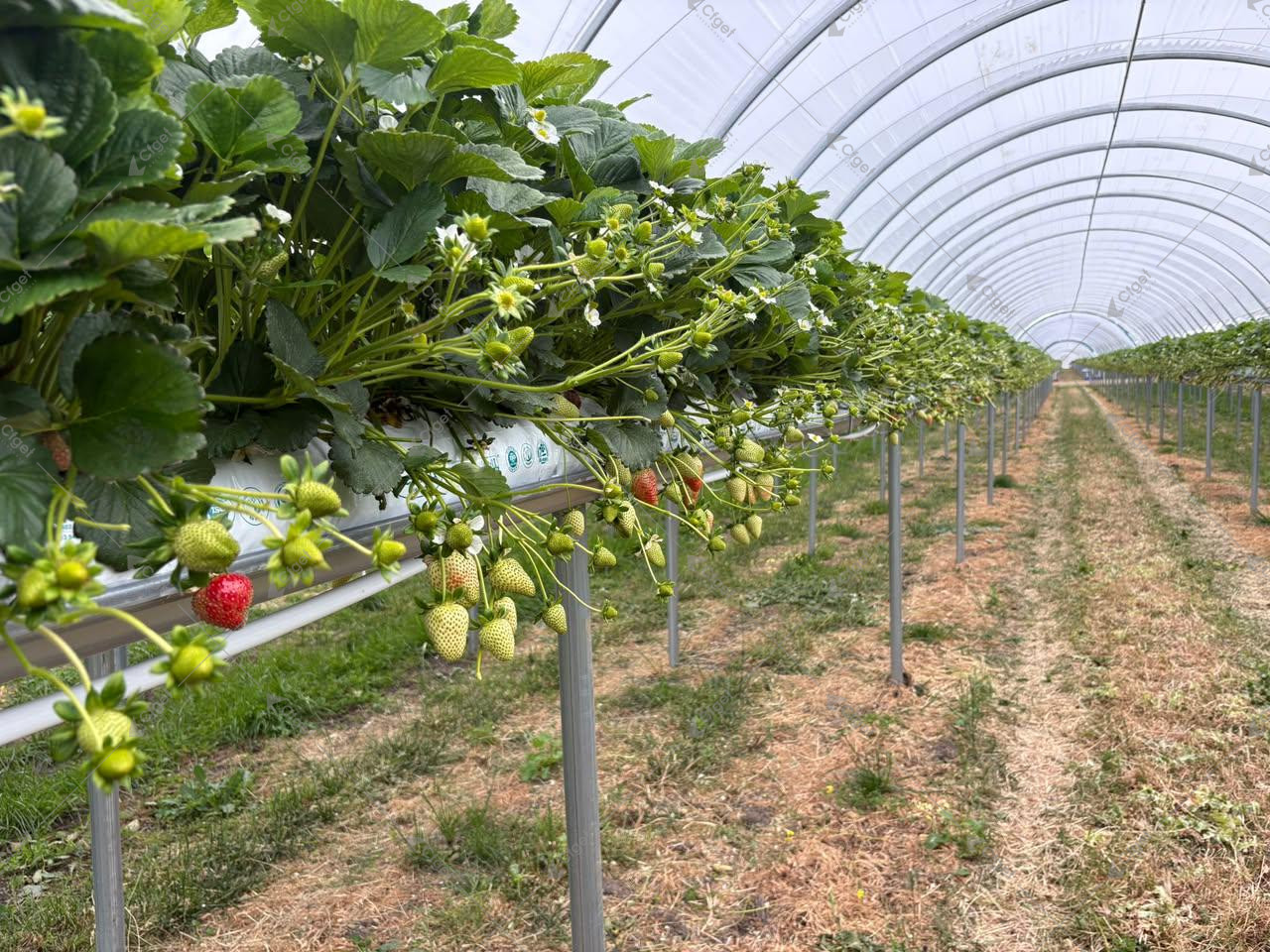
| Single-span or high tunnel | Season extension, rain protection, lower-complexity crops and phased expansion | Ventilation, anchoring, film replacement, snow management and equipment access |
| Multi-span film greenhouse | Larger commercial blocks where cost, airflow and flexible zoning matter | Gutter drainage, bay width, vent area, internal heat build-up and film specification |
| Polycarbonate greenhouse | Projects needing a rigid covering, impact resistance or better insulation than single film | Panel structure, UV layer, condensation control, joint details, replacement access and light ageing |
| Venlo or other glass greenhouse | Long-life controlled facilities, high light use and integrated crop systems | Structural standard, glass specification, shading, energy demand, service access and local installation capability |
| Specialized structure | Research, propagation, blackout, quarantine or crop-specific production | Which requirement cannot be met by a standard commercial house? |
Covering choice changes light, heat loss, cooling demand, structural weight, service life and maintenance. Compare the complete envelope, not only film versus panel versus glass price. The CFGET commercial greenhouse overview provides a starting point for structure families, while the site-specific design still needs engineering review.
3. Match the climate and crop systems to the site
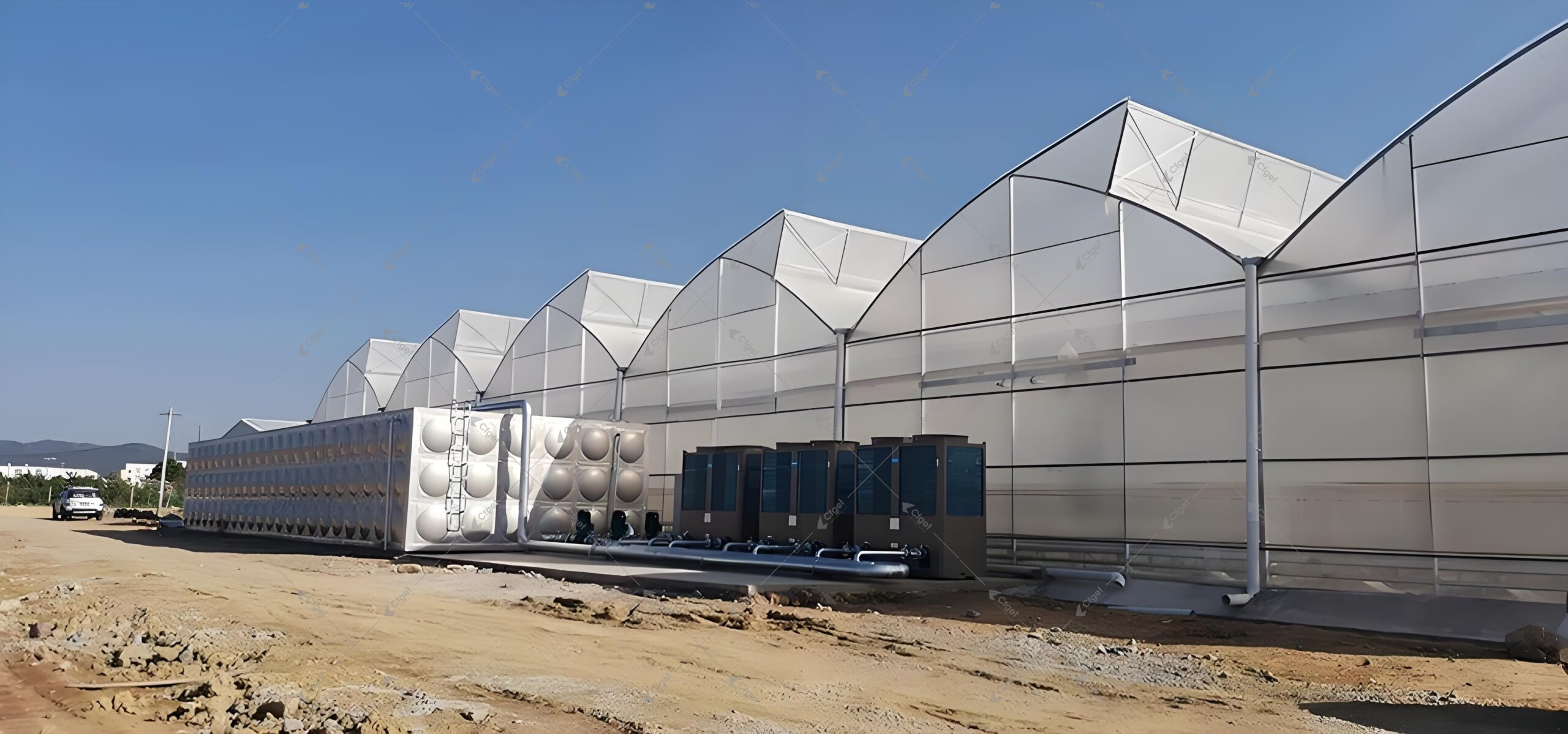
Begin with passive measures: orientation, height, vent geometry, zoning, shading strategy and drainage. Then size the active systems needed to close the gap between outdoor conditions and the crop target. Equipment lists without capacities or design assumptions are not a complete proposal.
Climate systems
Ask the supplier to state the design conditions and expected operating sequence for ventilation, fans, evaporative cooling, fogging, heating, screens, dehumidification and lighting. Some systems are climate-dependent. Evaporative cooling, for example, cannot be evaluated without outdoor temperature and humidity.
Water and growing systems
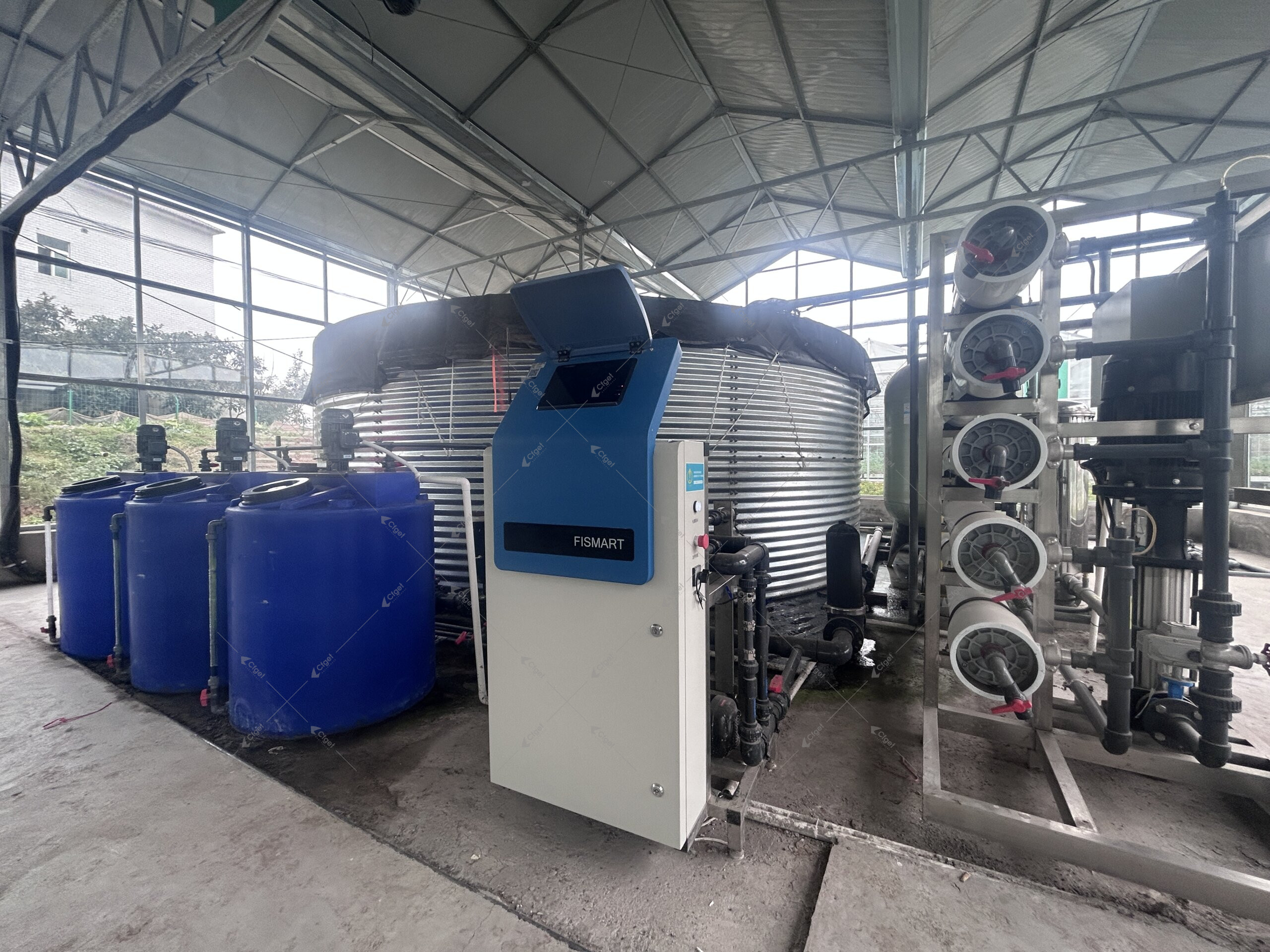
Water quality, peak demand, storage, filtration, disinfection, irrigation zones, fertigation and drainage affect both plant performance and equipment life. Confirm whether benches, gutters, substrates, tanks, pumps, valves and local pipework are included.
Controls and resilience
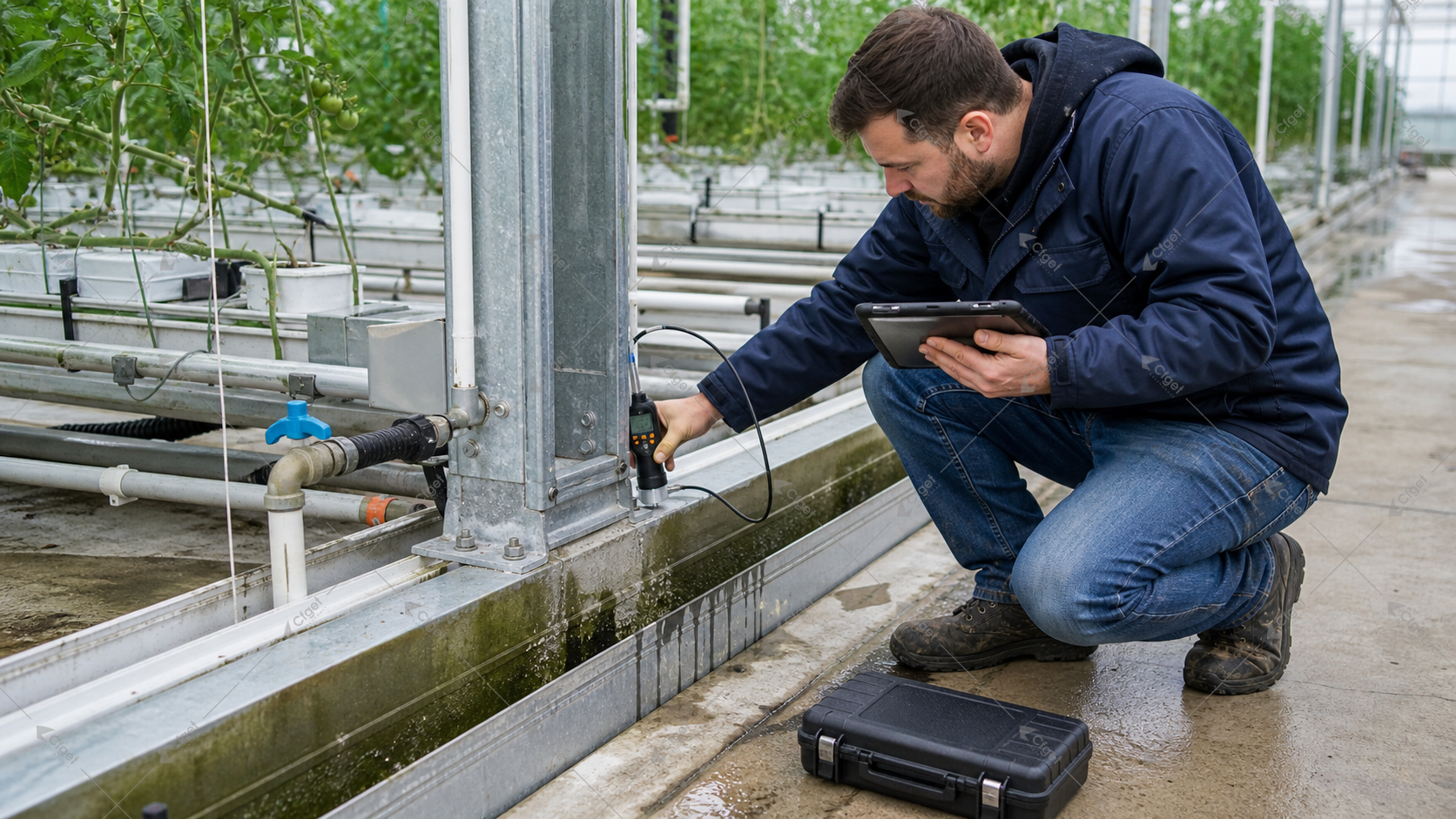
Automation should coordinate the installed systems and protect the crop during faults. Define sensor locations, alarms, manual overrides, backup power, data access, remote support and spare parts. A dashboard alone does not make the facility production-ready.
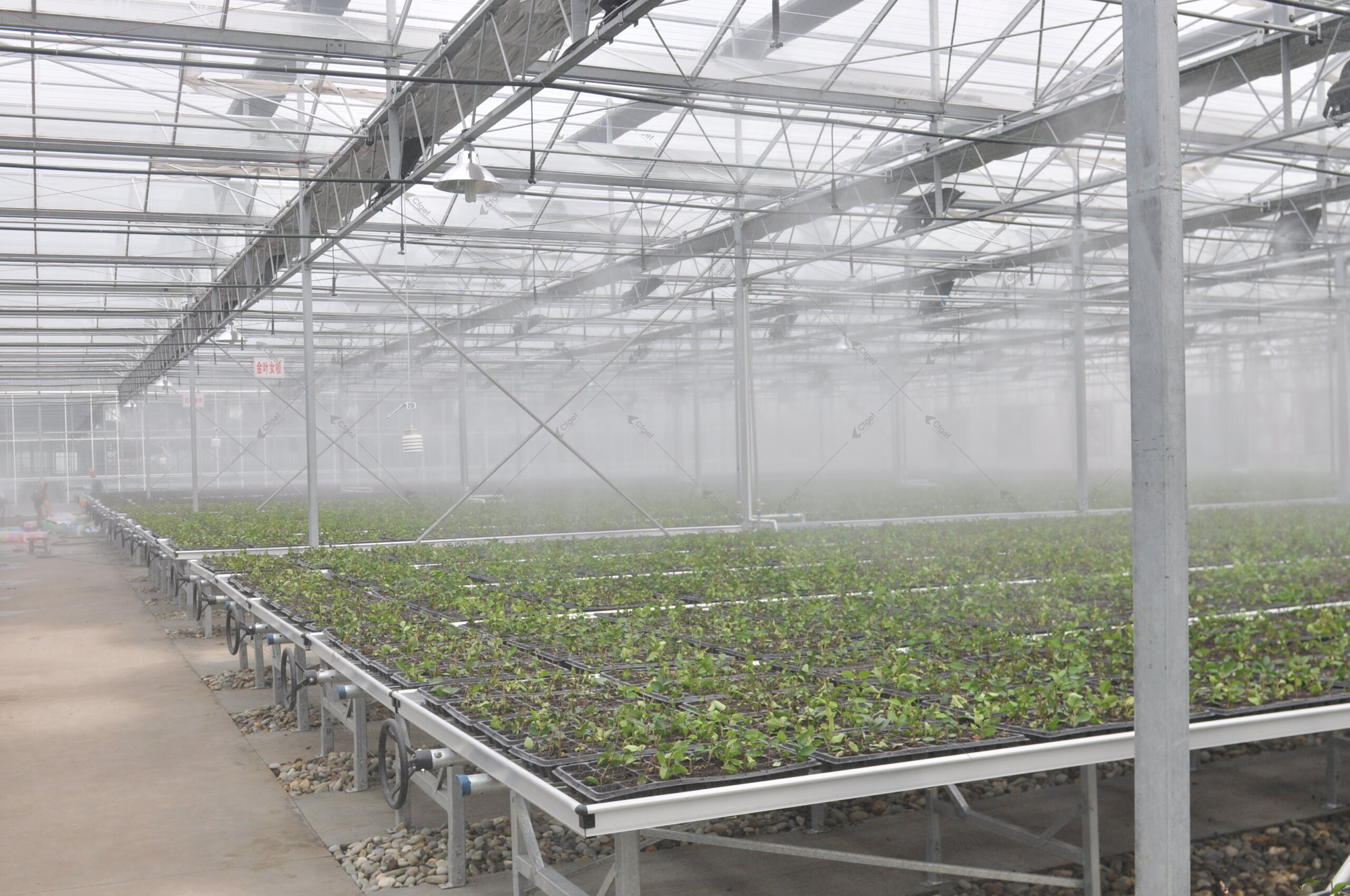
4. Compare commercial greenhouse quotations on equal scope
Put every bid into the same comparison sheet. A lower total may reflect a simpler but valid solution, or it may omit foundations, controls, installation materials or commissioning. The quote should make that difference visible.
| Check | Evidence to request |
|---|---|
| Design basis | Location, weather assumptions, structural loads, crop, season and applicable codes |
| Drawings | Plan, elevations, zones, foundations, vents, doors, equipment rooms and future expansion |
| Materials | Steel sections and coating, aluminium profiles, fasteners, covering thickness and performance data |
| System performance | Quantities, capacities, layouts, power and water demand, controls and operating assumptions |
| Commercial boundary | Incoterm, freight, duty, tax, unloading, local work, installation, testing, training and warranty |
| Delivery evidence | Comparable projects, manuals, quality records, packing plan, schedule and named support responsibility |
For a more detailed scope comparison, use the commercial greenhouse construction cost guide. Project photographs in the CFGET case library can help confirm whether a supplier’s example is genuinely comparable to the proposed crop and systems.
5. Test cost and greenhouse return on investment separately
Capital cost does not decide whether the greenhouse is viable. Build the production model from saleable yield, realistic selling price, crop cycle, market window, labour, energy, water, inputs, maintenance, finance and replacement costs. Run a downside case for lower price, lower pack-out and higher energy use.
Simple payback = total installed investment / conservative annual net cash contribution from the project.
Use this only as a screening calculation. It does not replace cash-flow timing, finance cost, taxes, working capital, ramp-up losses or asset replacement. The dedicated greenhouse ROI guide explains how to build a defensible model without competing with this page’s structure-selection purpose.
6. Information to send with a commercial greenhouse RFQ
- Country, city, site plan and greenhouse area.
- Crop, variety, growing method and production calendar.
- Target indoor conditions and critical crop risks.
- Local temperature, humidity, solar radiation, rainfall, wind, snow and altitude.
- Water analysis, available flow, storage and drainage.
- Electricity, fuel, backup power and site utility limits.
- Required structure, covering and system preferences, if already known.
- Expected delivery term and buyer/supplier installation responsibilities.
- Local code, permit and inspection requirements.
- Target startup date, budget boundary and planned expansion.
Frequently asked questions
Which commercial greenhouse type is best?
There is no universal best type. Choose against the crop, climate, production season, local structural requirements, operating team and cost of climate failure.
Should I request a price before choosing the systems?
You can request an early budget, but label all open assumptions. A comparable quotation needs at least a defined structure, covering, climate functions, water scope, controls and installation boundary.
How many supplier quotations should I compare?
Enough to test the market, but only after normalizing the technical and commercial scope. Three incomplete quotations are less useful than two bids based on the same RFQ.