
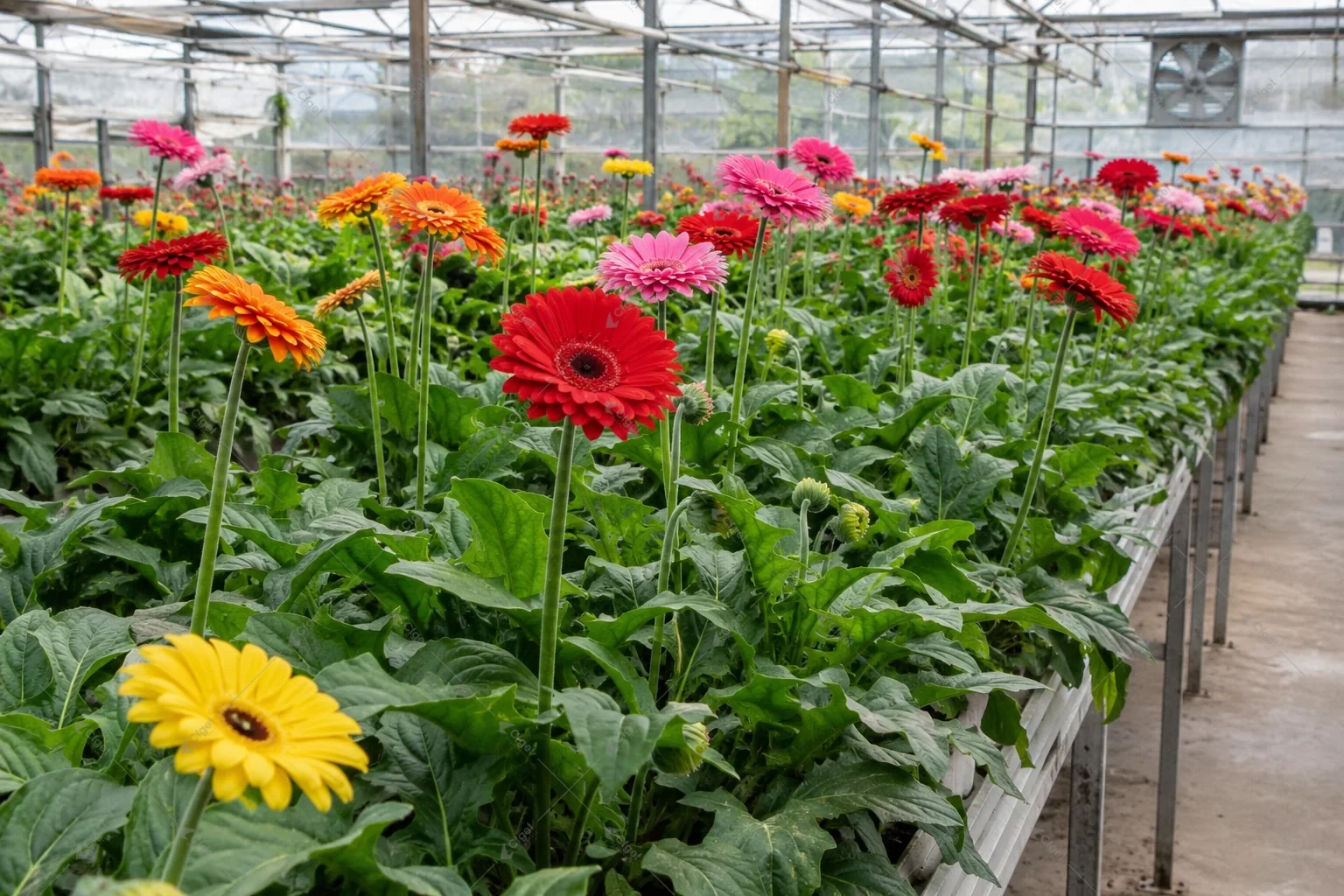
A house can produce more cut gerberas and still miss an order for long stems. A flower count answers how many stems were picked. It does not answer how many reached the length grade the customer ordered, or what the market will pay for the shorter grades. Before changing the lamps, find out which of those outcomes has actually changed.
Measure straight, intact stems at the usual harvest stage for the named cultivar. Keep stems that folded during holding out of the short-stem count; postharvest loss of support is a different complaint from a plant that produced a short stem.
Translate “too short” into the buyer’s actual grade
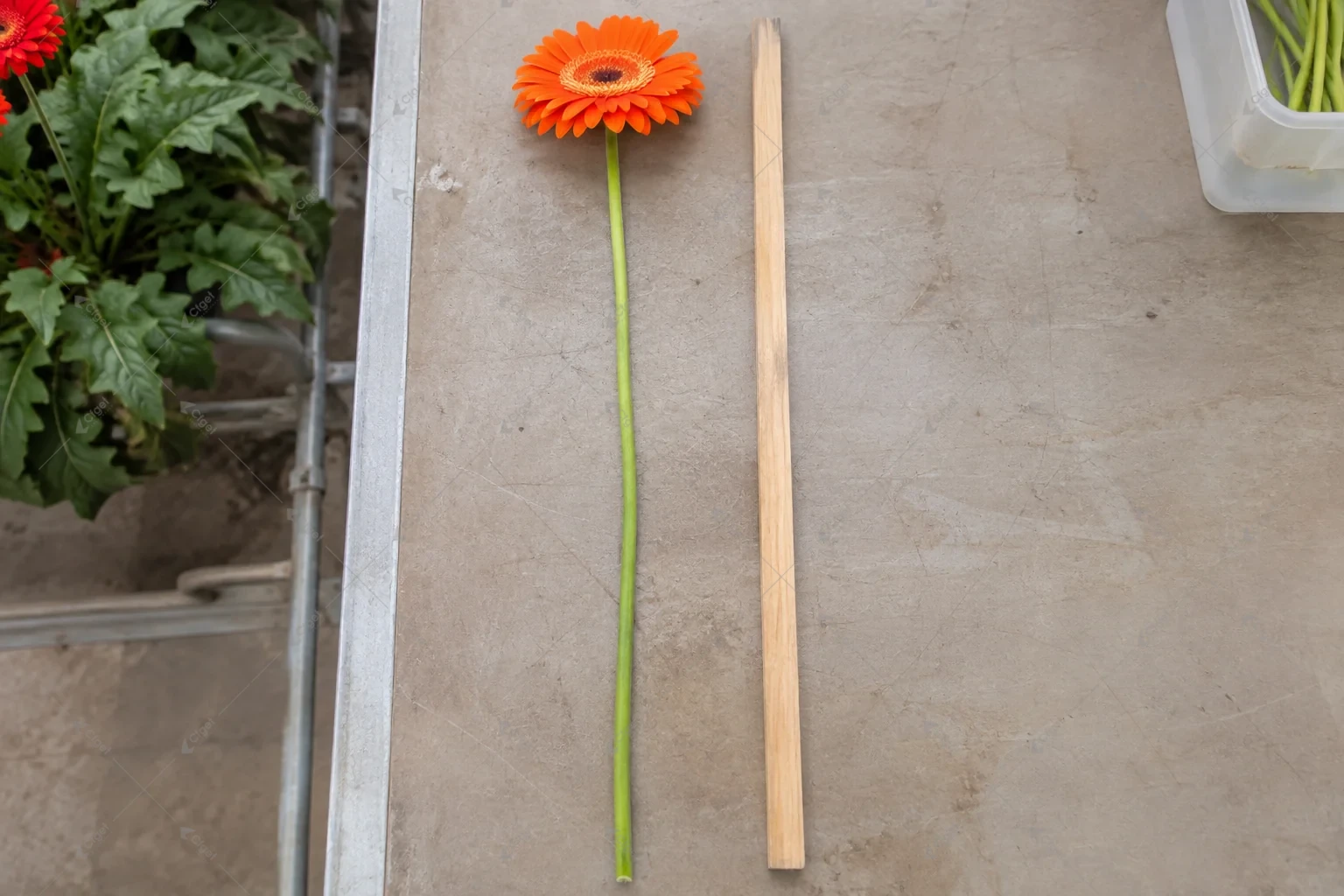
Get the specification used by the people grading the harvest, including where the measurement begins and ends. If a buyer refers to length after a normal trim but the grower records length before trimming, the same flower can appear acceptable in the house and short in the pack room. Resolve that difference before treating it as a production problem.
Retain the distribution by grade, not just an average. A small change around a buyer’s cutoff may move several stems into a different sales category without producing a conspicuous change in the average. The reverse is possible too: a few unusually long stems can lift the mean while the number meeting the booked grade remains unchanged.
Record cultivar and harvest stage on the tally. Compare flowers produced during a comparable period and handled in the same way. A mix of varieties picked for different markets says something about total output, but very little about which crop changed. Where the pack team has already combined bunches, say so instead of trying to recover a cultivar from flower colour.
Keep straightness, physical damage and flower-face condition as separate grading reasons. A stem can be long enough and fail for another reason. Combining all rejects under the short-stem complaint makes a lighting adjustment look relevant to losses it cannot plausibly explain.
Check which response the lighting study measured
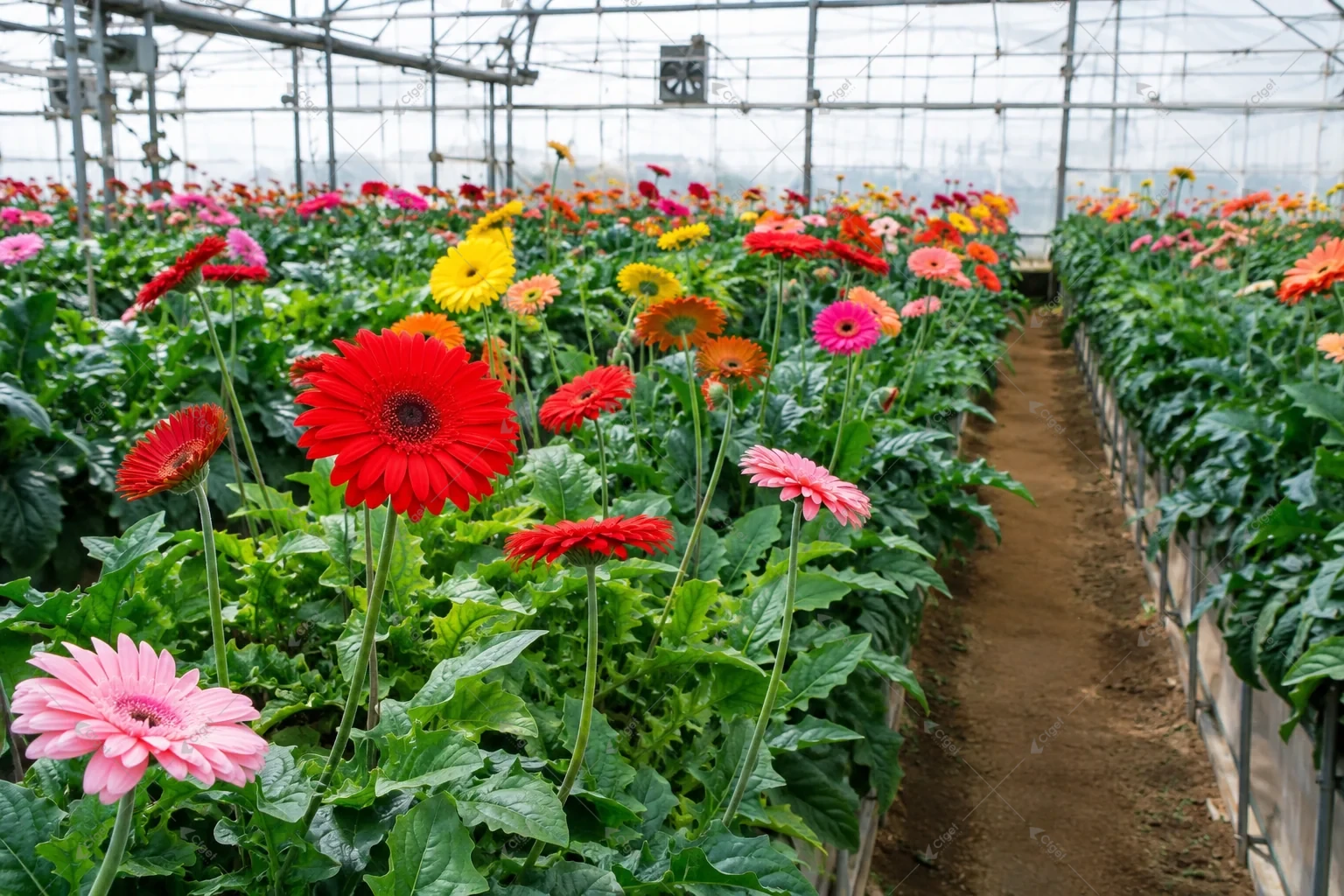
Llewellyn, Schiestel and Zheng investigated supplemental LED light in greenhouse-grown cut gerbera during the darker production season in Canada. They used young Ultima plants to study growth and the rate of flower development, and reproductively mature Panama plants for yield and harvested-flower quality. Those were different cultivars at different stages, not a clean comparison of young and old plants.
For Panama, higher supplemental light increased flower numbers across the tested conditions. Yet stems from the highest light treatment were slightly shorter than those from the three lowest treatments. The researchers characterized many effects on harvested flower size and quality as minor. That is not evidence that additional light always shortens a commercial gerbera crop. It is a useful counterexample to the assumption that more flowers automatically means longer stems.
The trial also found faster flower development in its young-plant assessment. Be careful which question that result answers. Faster progress from visible bud to harvest can matter for scheduling while saying little about the proportion of a different mature cultivar that will meet a particular length grade.
Before using a published response to justify a purchase or programme change, write its outcome next to the operation’s objective. Flower number, time to harvest, average length and number accepted at the required length are four different measures. The study need not be wrong for it to answer a different question from the order on your desk.
Describe the light treatment the crop actually received
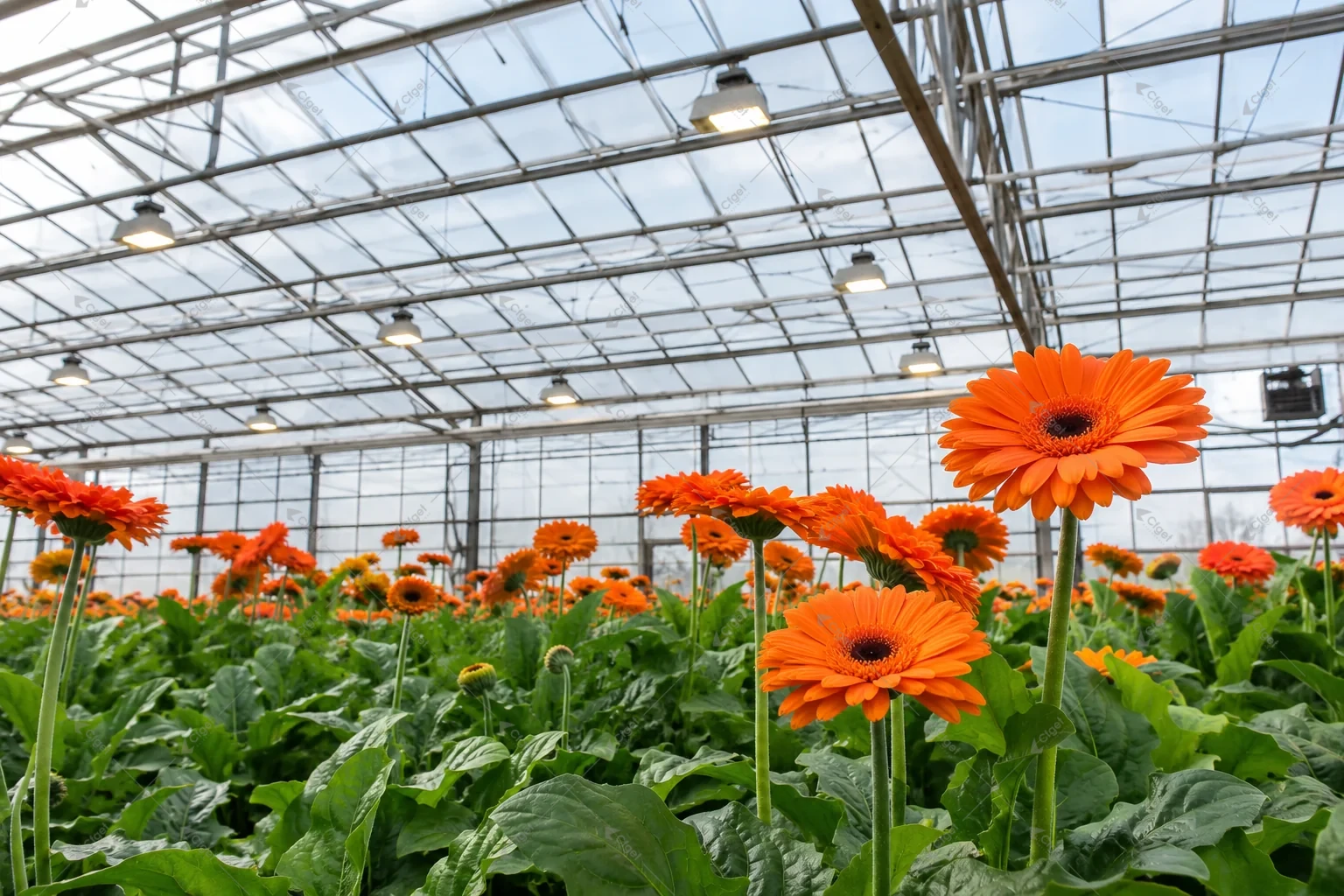
“More light” might mean more intensity during the existing day, extra time at the end of the day, a break in the night, a different spectrum, or simply a brighter spell outside. Describe the change before comparing results. A controller’s requested schedule also needs to be distinguished from what ran in the crop area.
Nakatsuka and colleagues’ Japanese study examined night lighting in one-year-old Sandy gerbera. Particular red and far-red timing treatments increased scape length in the studied setting, with a qualification about season and later response. This is a different intervention from raising supplemental intensity across a fixed day. The two studies are not competing recipes; they changed different things in different crops.
Retrieve the actual cultivar, stage, dates and operating records from the block being reviewed. Note significant changes in natural light and any shade-screen operation during the comparison. If a lighting change coincided with a different planting, harvest stage or grading rule, the records do not isolate lighting as the cause of a length difference.
The grower and adviser should decide whether available measurements adequately represent the canopy. There is no need to turn a length complaint into a fixture specification before identifying the desired crop response. A technically impressive light map cannot reconstruct a missing harvest-grade record.
Compare marketable stems before changing the whole house
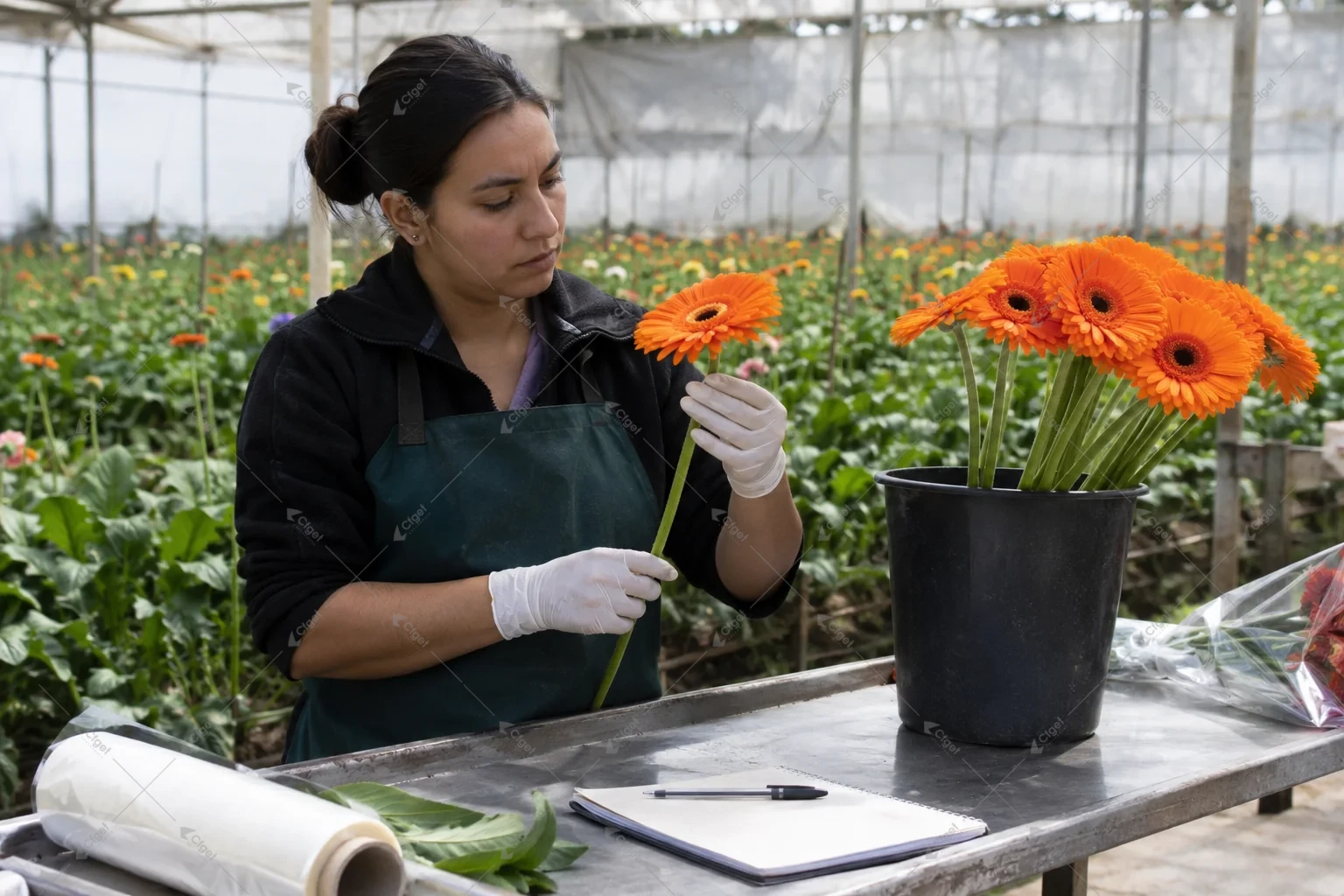
Define the decision in advance. For an order that depends on long stems, the practical outcome is the number meeting that buyer’s grade at the required harvest stage. Total flowers and the share in shorter saleable grades remain useful companion records. They show whether the problem is reduced production, a changed grade mix or both.
Where the operation already has comparable blocks, start with the named cultivar and the same grading method. Describe any differences in growing stage, season, crop history or handling. A small commercial comparison can guide a question for the adviser even when it cannot establish which variable caused the response.
Suppose a block delivers more bunches after a lighting change but its long-stem allocation is unchanged. Sales may still value the additional shorter grade; that is a market decision. It would nevertheless be misleading to claim that the light change solved the long-stem shortage. Conversely, a better proportion of long stems is not the whole result if total output fell.
Bring both counts to the next greenhouse flower-production discussion, along with the crop stage, actual light treatment and buyer’s measurement convention. Those details let the grower decide whether to investigate a specific production change, revise the sales allocation or resolve a grading mismatch. A general promise of “better flower quality” is too broad to choose among them.