A watermelon can reach a convincing exterior size and still open with a gap in the flesh. Once the complaint reaches the greenhouse, the temptation is to explain it from the latest irrigation record or a photograph of the cut surface. Neither contains the early history of that particular fruit.
Hollow heart is an internal quality disorder, not a grade that can be read from the rind. Preserve the identity of the cut fruit first. Then investigate its cultivar, flowering period and production block. That sequence gives the grower something firmer to work with than a photograph forwarded from a buyer with no lot number.
Keep the cut-fruit finding attached to the lot
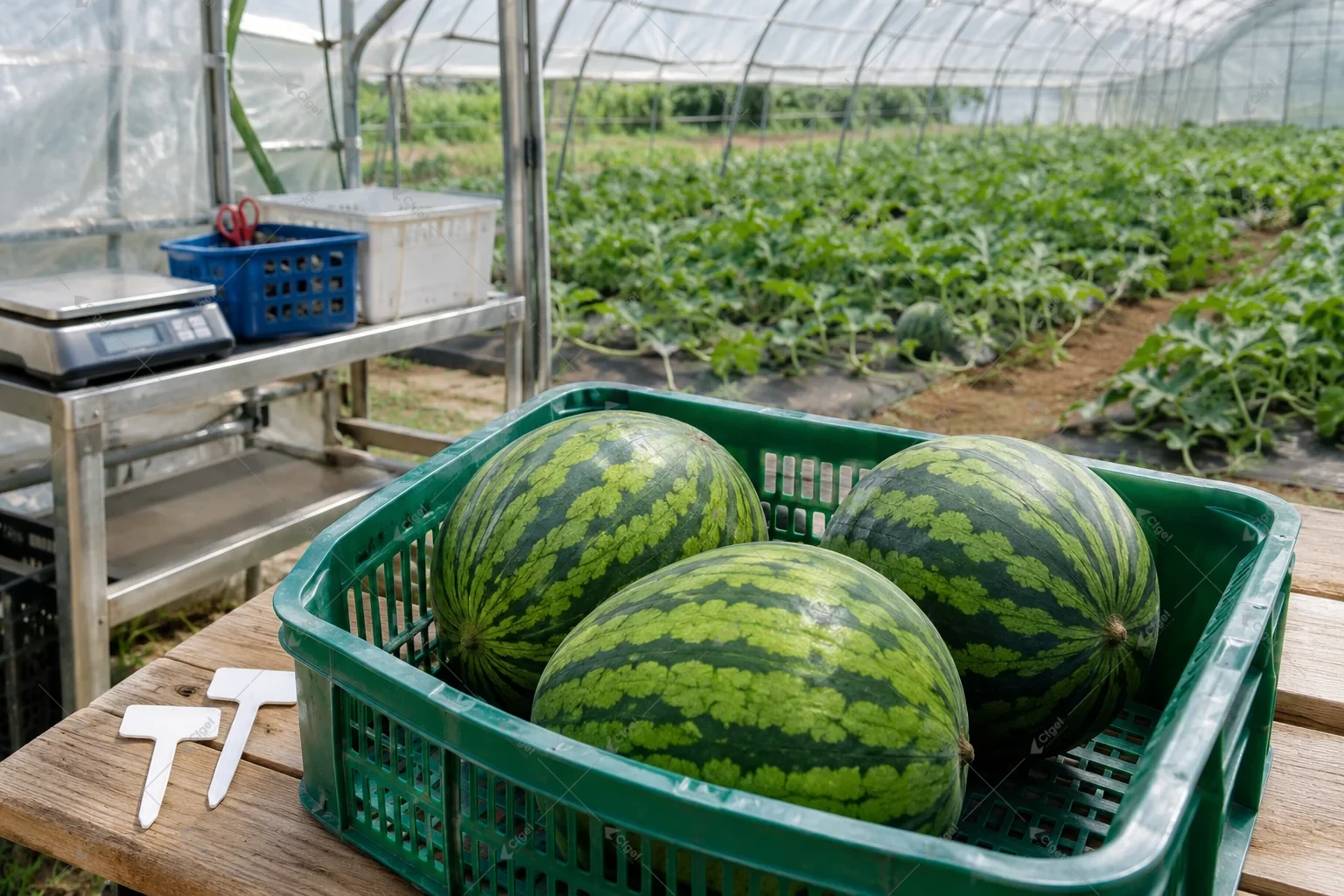
Ask for the original photograph, the date of cutting, the carton or delivery reference and the number of fruit actually opened. Record where the gap appears and whether the report concerns one fruit or several. Keep the rind and exterior appearance in the description, even if they look ordinary. These details help connect a quality complaint to a crop; they do not diagnose the cause.
In a 2021 watermelon study by Trandel and colleagues, hollow heart is described as a crack in the internal placental tissue that enlarges into a cavity. The paper concerns a specific seedless cultivar and graft comparison. Its definition helps distinguish a gap within the flesh from a crack that begins at the rind. It does not make a customer’s photograph sufficient to classify every internal defect.
If the buyer opened the fruit because something already looked unusual, note that selection. A complaint sample selected for a suspected problem does not estimate the share of affected fruit in a shipment. Conversely, one normal fruit opened at the greenhouse cannot invalidate a documented defect from the same lot.
Decide with the buyer who keeps the sample record and how the next fruit will be identified. Avoid circulating an unattributed cut-fruit picture as the standard for the entire harvest. The useful evidence is the connection between an actual observation and a traceable part of the crop.
Revisit early development even if the fruit set
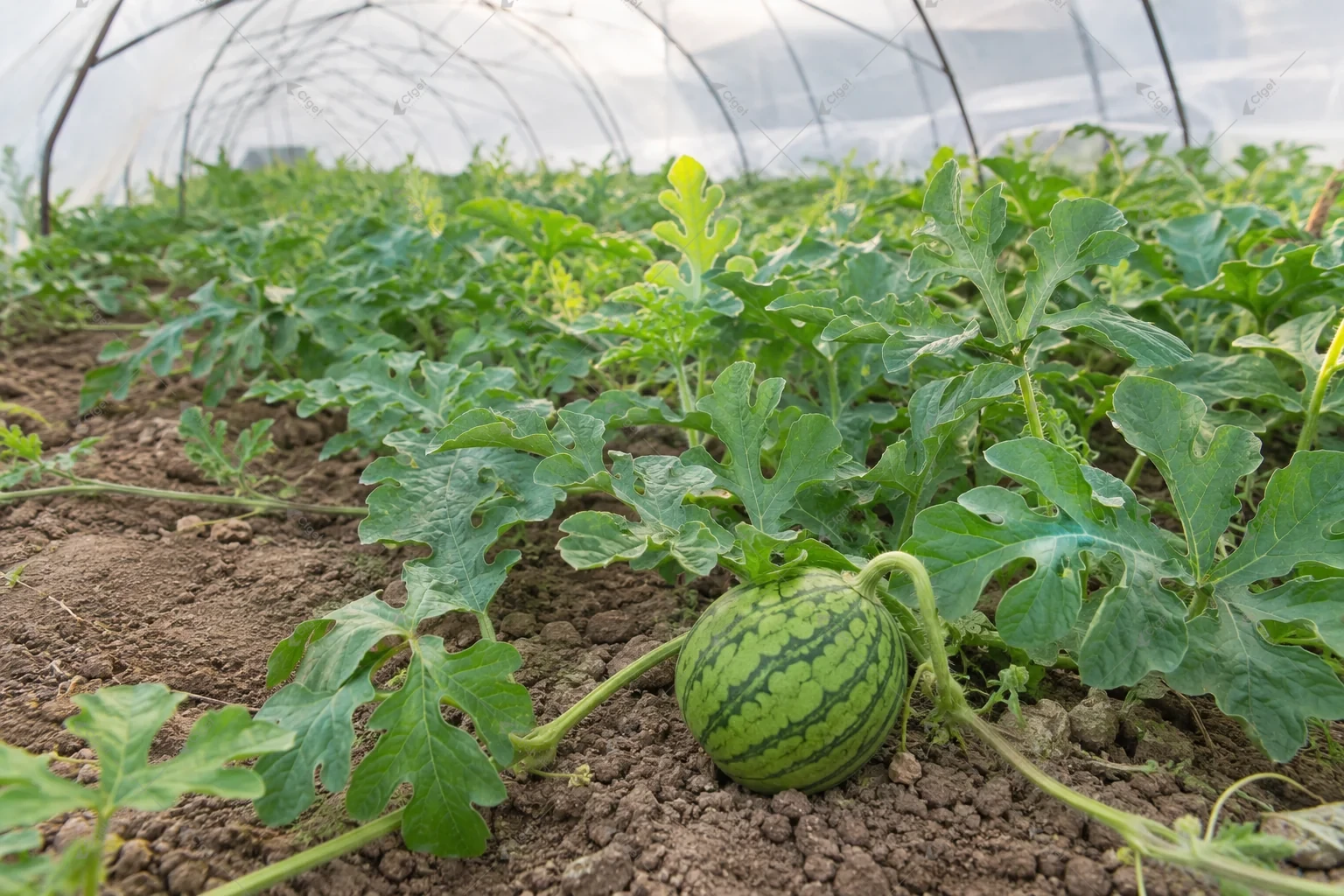
Fruit set establishes that a fruit began growing. It does not establish that every part of the developing flesh filled normally. This distinction is especially important when a grower remembers a satisfactory fruit count and concludes that pollination can be crossed off the investigation.
Gordon Johnson’s University of Delaware report on seedless watermelon describes plants in a pollen-limited research setting. Some fruit set and grew, yet internal development was abnormal. He also reported hollow heart in immature fruit. Those observations give a reason to examine flowering and early fruit development rather than assuming the gap first appeared shortly before harvest.
The report does not prove that every hollow cavity in a commercial lot resulted from the same history. Retain the distinction between what the experiment demonstrated and what the greenhouse has actually documented. A poor-weather interval during bloom may warrant questions; it is not, by itself, a confirmed explanation for fruit cut much later.
Identify the period in which the affected fruit could have set. A precise date may not be available, particularly when picking records combine several rows. Use the best supported window and state how it was estimated. Trying to attach the complaint to one memorable day can narrow the investigation before the records justify it.
Recover the planting and flowering records that matter
Start with the actual fruit cultivar and whether the planting was grafted. Where it was grafted, obtain the scion and rootstock names rather than recording only “grafted plants.” Trandel and colleagues compared Liberty watermelon on a particular squash rootstock with nongrafted material. Their result makes planting identity relevant; it does not establish that any grafted crop will avoid hollow heart or that changing rootstock will resolve a complaint.
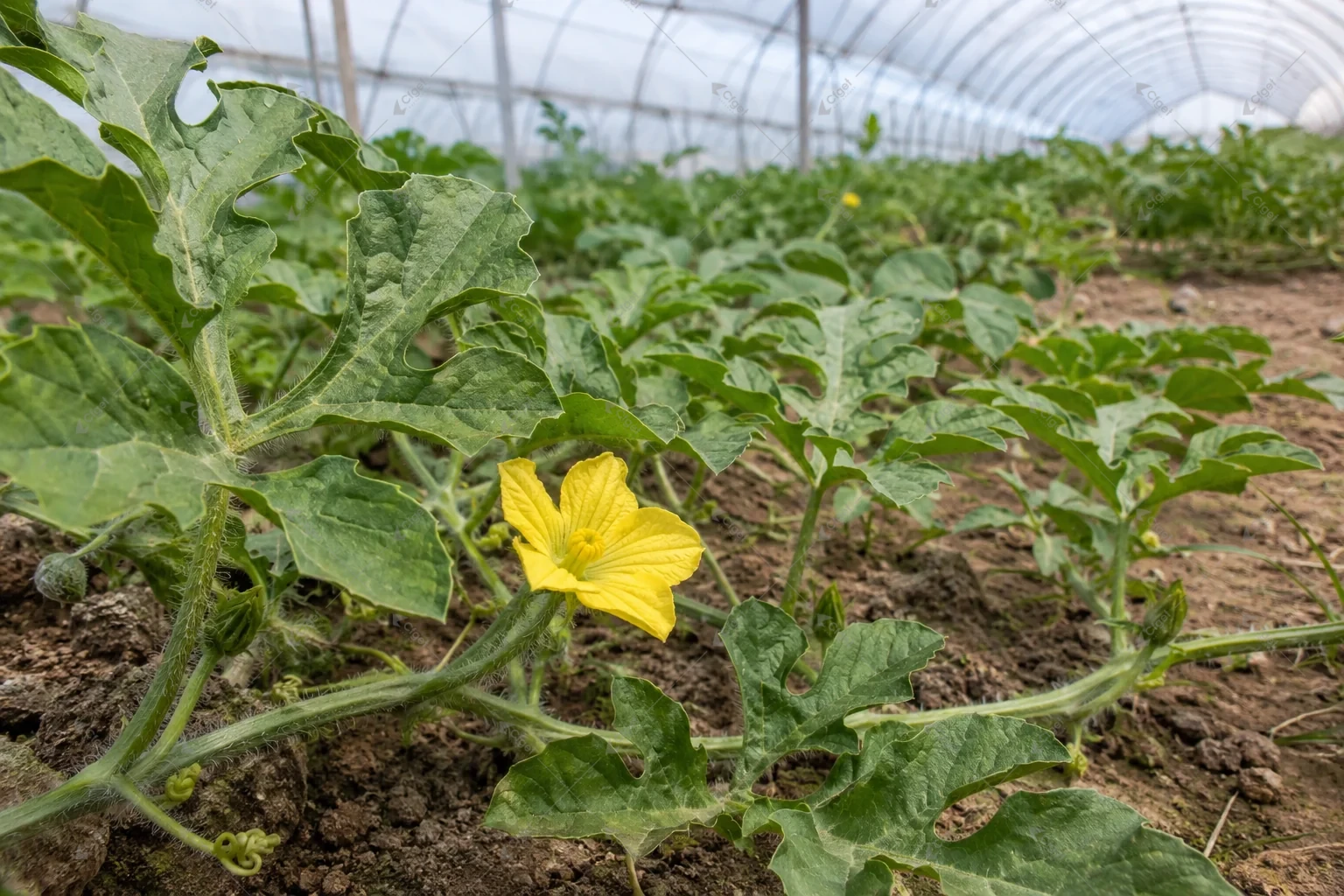
For a seedless planting, check what pollen-producing material was present and whether it was flowering during the relevant interval. Use records from the planted block, not the intended order alone. A nursery substitution, a move between bays or an uneven start can change what was actually available. Record confirmed observations separately from recollections.
The guide to seedless watermelon pollinizer plant orders covers procurement and responsibility before planting. At this stage the problem is retrospective: did the material on that order reach the affected block, and what evidence survives from bloom? There is no need to turn a cut-fruit complaint into a new universal donor ratio or hive specification.
Bring the crop adviser the flowering records, weather or house conditions and the distribution of affected samples. Include other relevant differences among lots. Where two blocks differ in both cultivar and flowering date, a difference in internal quality cannot isolate either factor. Label the comparison accordingly instead of deciding which explanation is more convenient.
Agree what the next quality check can establish
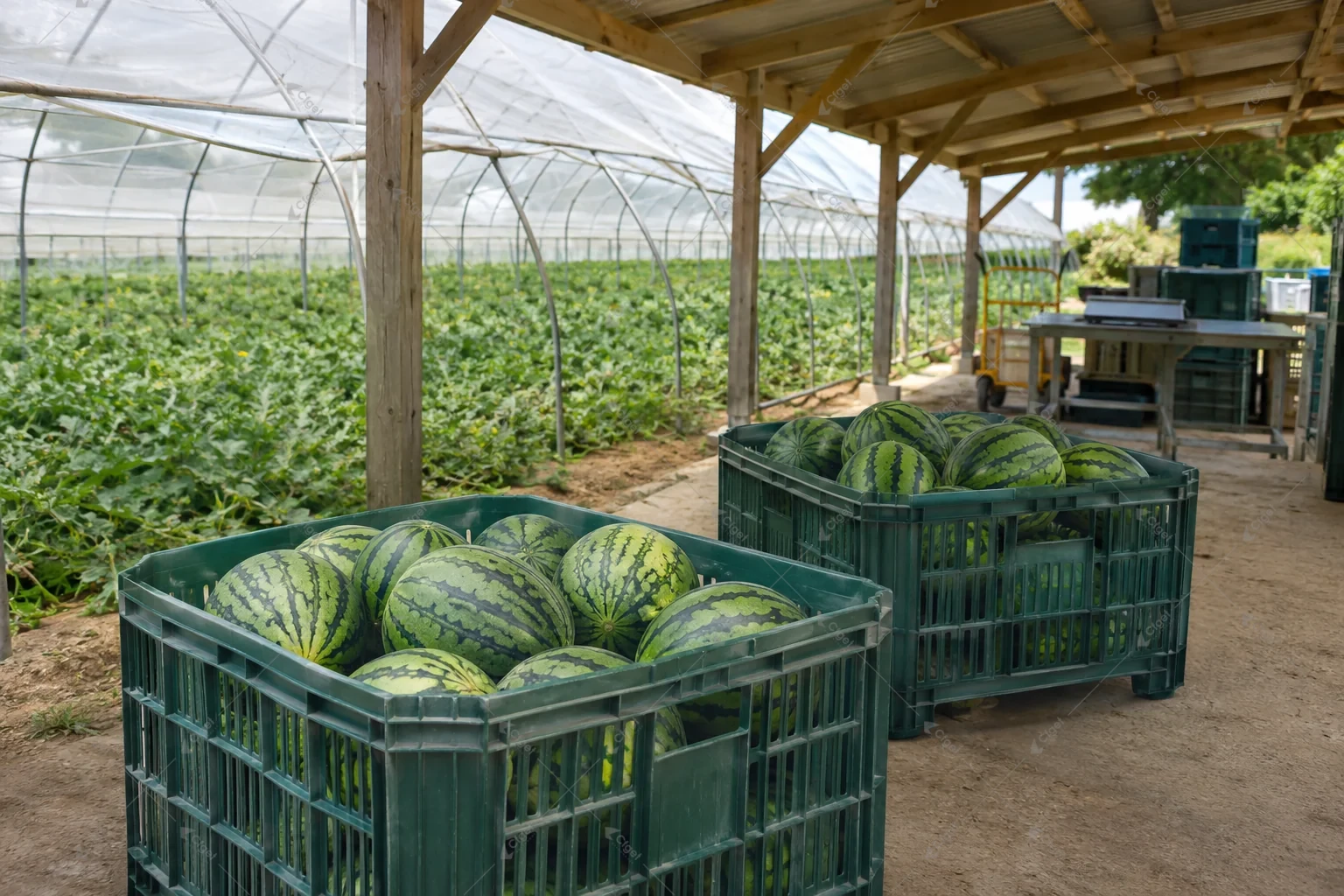
Agree with the buyer or quality manager how the next fruit will be selected, identified and assessed under the operation’s specification. State the question first. Checking another fruit from a complaint carton answers a different question from assessing a broader harvest lot. A larger count is not automatically a better comparison if the selection process changes halfway through.
Keep the denominator. “Three fruit opened from a specified harvest group, with one internal gap observed” describes the inspection. “The crop has hollow heart” drops the identity and the evidence limit. When later samples come from a different picking day or block, retain them separately until there is a reason to combine the records.
The current sale decision and the next-crop production decision belong to different people. Quality staff apply the buyer’s requirements to the lots they can assess. The grower and adviser use crop history to decide what should be investigated or documented during the next flowering period. Neither decision requires a promise that affected fruit can be repaired, or an inference about food safety from appearance alone.
Close the case with the fruit photographs, buyer outcome, crop map and unresolved questions together. If the next planting is monitored through bloom, give those observations the same lot identifiers that will later appear at harvest. Then the next cut fruit can be traced to a crop history rather than only to a delivery date.