Strawberries are among the world’s most in‑demand fruits, and greenhouse production is rapidly expanding because it allows growers to produce high‑quality strawberries year‑round with better control over climate, pests, and water. In commercial greenhouses, strawberries can deliver significantly higher yields, more consistent quality, and extended harvests compared with outdoor production.
The best greenhouse strawberry production systems combine climate control, irrigation and fertigation, light optimization, and substrate choices to increase yields and fruit quality throughout the year. Growers who control these factors well can transform a seasonal crop into a year‑round revenue stream.
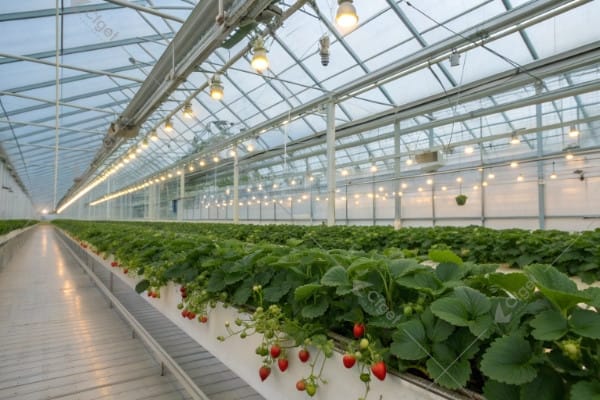
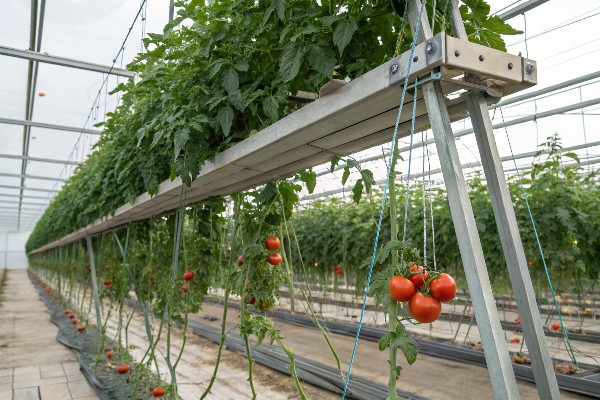
Commercial greenhouse system optimized for strawberries.
In this article, I write from the perspective of a grower who has worked with greenhouse fruit producers and has seen real strategies that improve yields. I share practical, actionable techniques growers can implement today — from environment control to cultivar selection — to boost production and profitability.
Why greenhouse strawberries outperform outdoor production
Growing strawberries in a greenhouse eliminates many of the limitations of field production, such as unpredictable weather, pests, and short growing season. Greenhouses allow precise management of light, temperature, humidity, and nutrition throughout all growth stages.
Greenhouse production extends growing seasons, stabilizes yields, and produces fruit with better shelf life and flavor consistency.
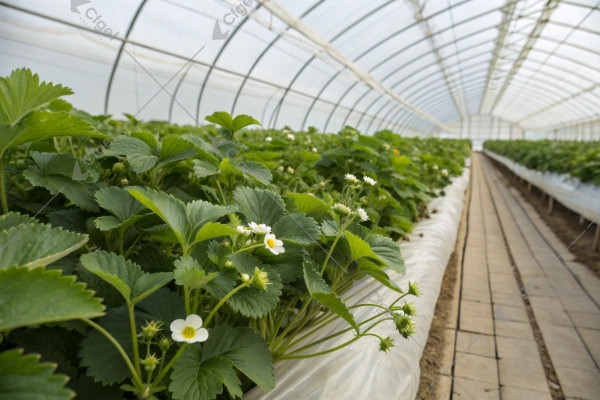
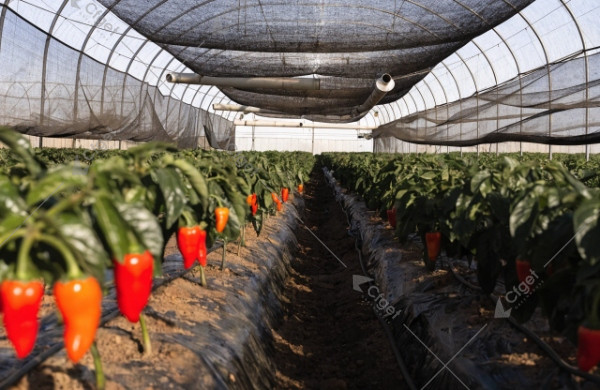
Controlled environment boosts strawberry production.
Dive deeper
Strawberries thrive in moderate temperatures — typically between 18–24 °C during the day and 10–13 °C at night — with stable humidity levels. In open field settings, these conditions are hard to maintain consistently, especially through winter, early spring, or late fall. In greenhouse systems, growers can maintain these ranges using climate controls like ventilation, shading screens, heating, and cooling systems. This allows production nearly year‑round in regions like North America and Europe — where demand for fresh local berries remains strong even in the off‑season.
Greenhouse production also improves fruit quality traits like size, color, and sweetness by preventing stress from wind, rain, and extreme heat. In addition, protected cultivation significantly reduces the reliance on pesticides and enhances food safety compliance, which matters for commercial markets.
Choosing the right greenhouse structure for strawberries
Selecting the right greenhouse type sets the foundation for successful strawberry production. Different structures influence light penetration, microclimate uniformity, and energy costs — all of which affect yield and quality.
1. Multi‑Span Polycarbonate Greenhouses
Best for: Commercial growers in temperate climates seeking balance between cost and control.
Why it works:
✔ Good light diffusion improves canopy penetration.
✔ Better insulation than film reduces heating cost in shoulder seasons.
✔ Durable and flexible for adding automation systems.
Challenges:
– Light transmission lower than glass.
– May require supplemental LED lighting in low‑light months.
Grower insight:
Polycarbonate panels spread light more evenly across strawberry canopies, reducing light saturation at the top and allowing flowers and fruit at lower levels to develop consistently.
2. Glass Greenhouses
Best for: High‑end, year‑round production in cooler climates.
Why it works:
✔ Highest natural light transmission of all greenhouse types.
✔ Works well with advanced climate and automation systems.
✔ Long lifespan and structural stability.
Challenges:
– High upfront cost.
– May require robust heating systems in winter.
Grower insight:
Glass greenhouses paired with LED supplemental lighting can sustain production even during short winter days. LED systems mimic ideal light spectra for flowering and fruiting, boosting total annual production.
3. Semi‑Closed or High‑Tech Greenhouses
Best for: Large commercial operations aiming for global market supply.
Why it works:
✔ Highly stable internal climate with minimal weather influence.
✔ Efficient resource use (water, energy).
✔ Automated climate, irrigation, and fertigation optimized for strawberries.
Challenges:
– Complex design and management.
– Higher initial investment.
Grower insight:
Semi‑closed greenhouses maintain stable CO₂, temperature, and humidity with less manual intervention, reducing stress on strawberry plants and enhancing fruit set and quality.
Cultivar choice: aligning genetics with greenhouse conditions
Choosing the right strawberry cultivar for greenhouse production directly affects yield, harvest window, and fruit quality.
Different strawberry varieties have distinct production patterns:
- June‑bearing varieties produce a concentrated main crop.
- Everbearing varieties offer two or more harvest windows.
- Day‑neutral varieties can fruit continuously under controlled environments.
Day‑neutral varieties are often ideal for greenhouse systems because they can produce fruit throughout most of the year without strict photoperiod requirements.
How to optimize temperature and humidity for maximum yield
Strawberries are sensitive to temperature and humidity extremes. Optimal environmental control leads to healthier plants, more flowers, and larger berries.
Target ranges for strawberries:
- Temperature: 18–24 °C (day), ~10–13 °C (night).
- Humidity: 60–70%, avoiding excessive leaf wetness.
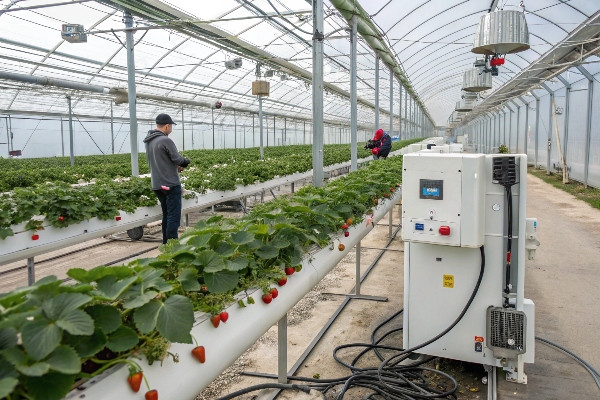
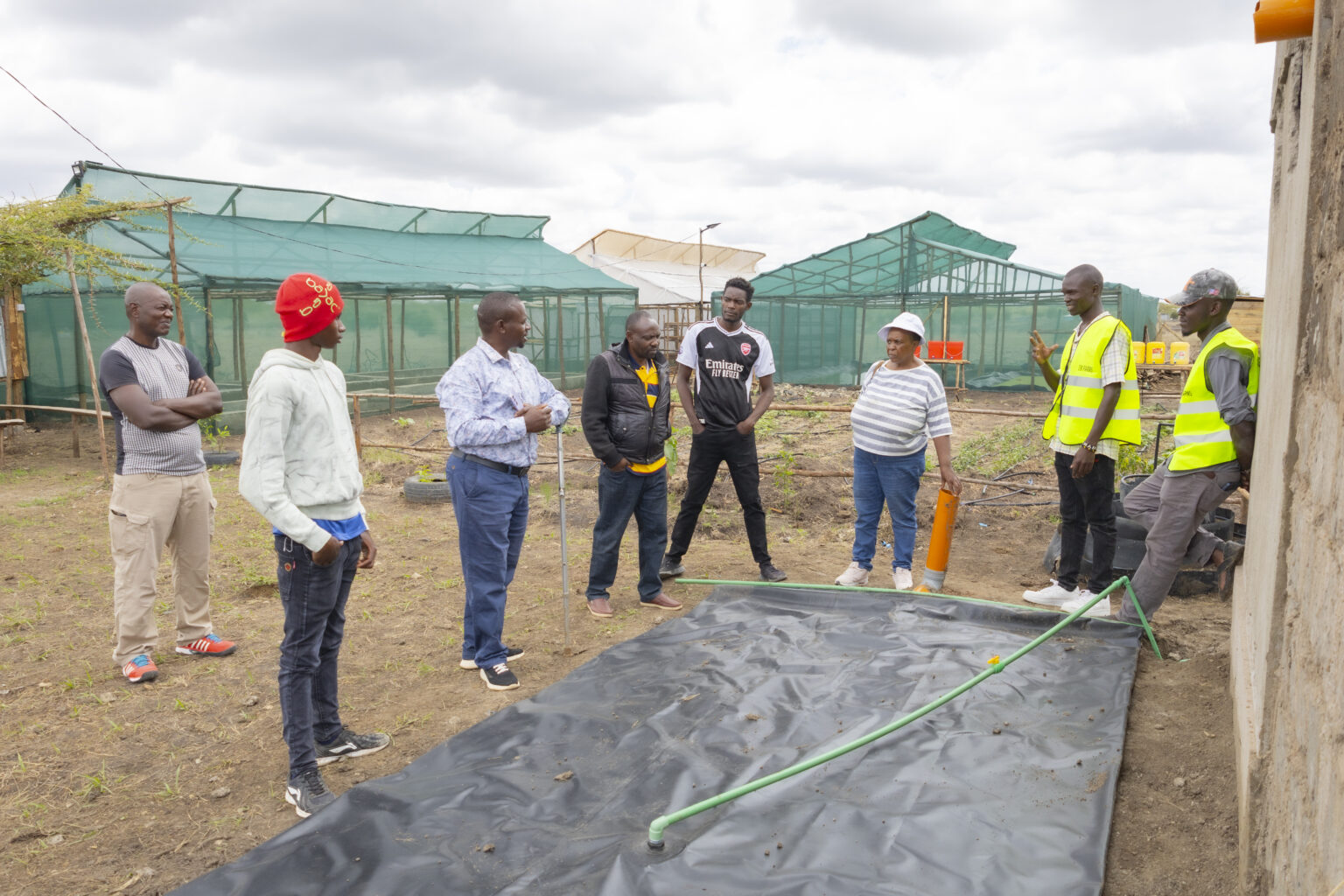
Environmental sensors help maintain ideal growing conditions.
Dive deeper
Temperature and humidity management starts with proper ventilation and climate control systems. During spring and fall, automated vents, fans, and shading screens reduce temperature spikes while maintaining moderate humidity. In winter, heating systems prevent cold stress, which can slow flower development and reduce total yield.
Humidity control is critical because excessive moisture promotes fungal diseases like botrytis and powdery mildew. Well‑designed greenhouse airflow (with air circulation fans and careful zoning) prevents stagnant air pockets and reduces disease pressure.
Growers often integrate digital climate controllers that use real‑time sensor data to adjust settings automatically. This automation ensures stable conditions that help strawberry plants transition smoothly between vegetative and fruiting phases without stress.
Boosting strawberry yield with irrigation and fertigation
Water and nutrient delivery systems are critical for high yield. Strawberries require consistent moisture without waterlogging, and nutrient needs vary by growth stage.
Best practices:
- Use drip irrigation for precise moisture control.
- Pair irrigation with fertigation systems to deliver balanced nutrients.
- Employ EC and pH sensors to fine‑tune nutrient solutions.
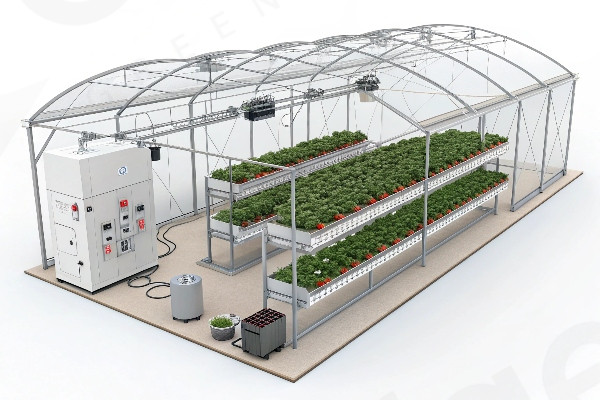
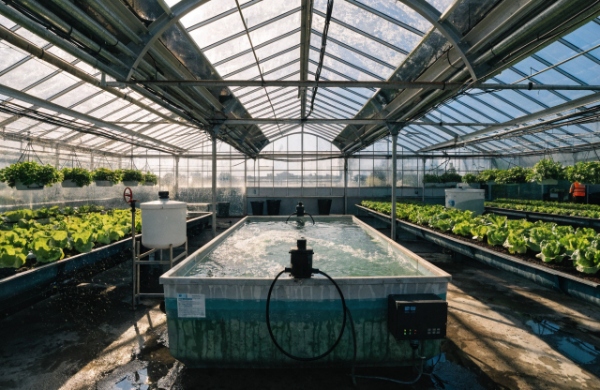
Irrigation and fertigation ensure optimal root zone conditions.
Dive deeper
Strawberries prefer consistent moisture at the root zone to support flowering and fruit development. Drip irrigation keeps moisture levels steady and reduces disease risk by keeping foliage dry. Integrating fertigation allows growers to deliver nutrients directly to where they are needed most.
Commercial growers often adjust nutrient ratios over time — more nitrogen in early vegetative stages and increased potassium and phosphorus during flowering and fruiting. Automated injectors and monitoring systems help maintain precise nutrient delivery without manual guesswork.
Substrate choice also influences water and nutrient behavior. Many commercial growers use soilless substrates like peat mixes or stone wool, which provide good aeration and consistent moisture retention while reducing disease risk compared with soil beds.
Advanced strategies: light management and supplemental lighting
Strawberry plants need sufficient light for photosynthesis, fruit set, and sugar accumulation in berries.
Key strategies:
- Install LED supplemental lighting for winter or low‑sun months.
- Use light diffusion panels to evenly distribute light across the canopy.
- Manage shading to prevent heat stress during summer.
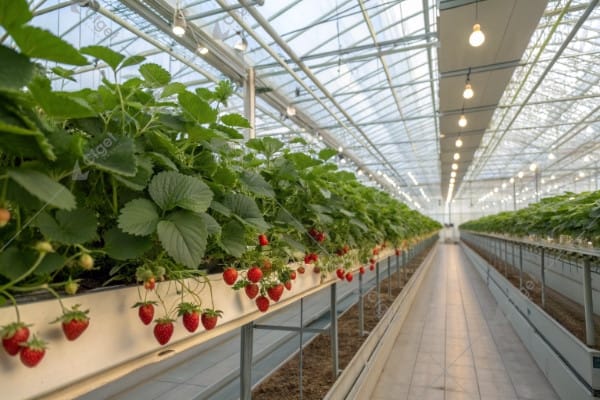
LED lighting boosts photosynthesis during low‑light periods.
Dive deeper
Strawberries require about 8–12 hours of effective light daily for optimal growth. In winter or northern latitudes with short days, supplemental LED lighting is essential to maintain fruit production. LEDs are energy efficient and can be tuned to light spectra that enhance photosynthesis and flowering.
Light diffusion — either through greenhouse glazing material or dedicated diffusion panels — ensures that lower leaves and fruits receive adequate light, reducing competition at the top of the canopy and increasing total canopy productivity.
Growers must also use shading systems to protect plants from excessive heat and light intensity during hot periods, which can stress plants and reduce fruit quality.
Harvest scheduling and labor optimization
Efficient harvest planning improves yield quality and reduces losses. Harvest timing is crucial — strawberries are best picked when nearly ripe to maximize flavor and shelf life. Frequent harvests (every 2–3 days) prevent overripe fruit from attracting pests or spoiling.
Raised beds or elevated table systems improve worker ergonomics, reduce labor fatigue, and accelerate harvest pace without damaging plants.
Conclusion
Commercial greenhouse strawberries offer growers a powerful way to extend seasons, increase yields, and produce high‑quality fruit year‑round. By combining the right greenhouse structure, climate control, irrigation and fertigation strategies, and advanced lighting, growers can significantly improve productivity and profitability.
The most successful strawberry greenhouses treat the crop holistically — from choosing the right cultivar to optimizing irrigation, climate, and harvest practices.
Internal References (CFGET)
-
Commercial Greenhouse Systems
https://cfgreenway.com/greenhouse/ -
Smart Auto & Control Solutions
https://cfgreenway.com/solutions/smart-auto-control/
Internal Blog References (Related CFGET Articles)
-
Polycarbonate Greenhouse Systems
https://cfgreenway.com/polycarbonate/ -
Semi‑Closed Greenhouse Systems
https://cfgreenway.com/semi-closed/ -
Retractable Roof Greenhouses
https://cfgreenway.com/retractableroof/