Natural light cycles limit harvest timing. Seasonal production restricts profit potential. Your high-value crops deserve precise photoperiod control that maximizes both quality and scheduling flexibility.
Blackout greenhouses achieve complete light deprivation with 99.9% darkness levels, enabling controlled flowering cycles for photoperiod-sensitive crops. These systems allow multiple harvests per year while optimizing plant quality through precise environmental control.
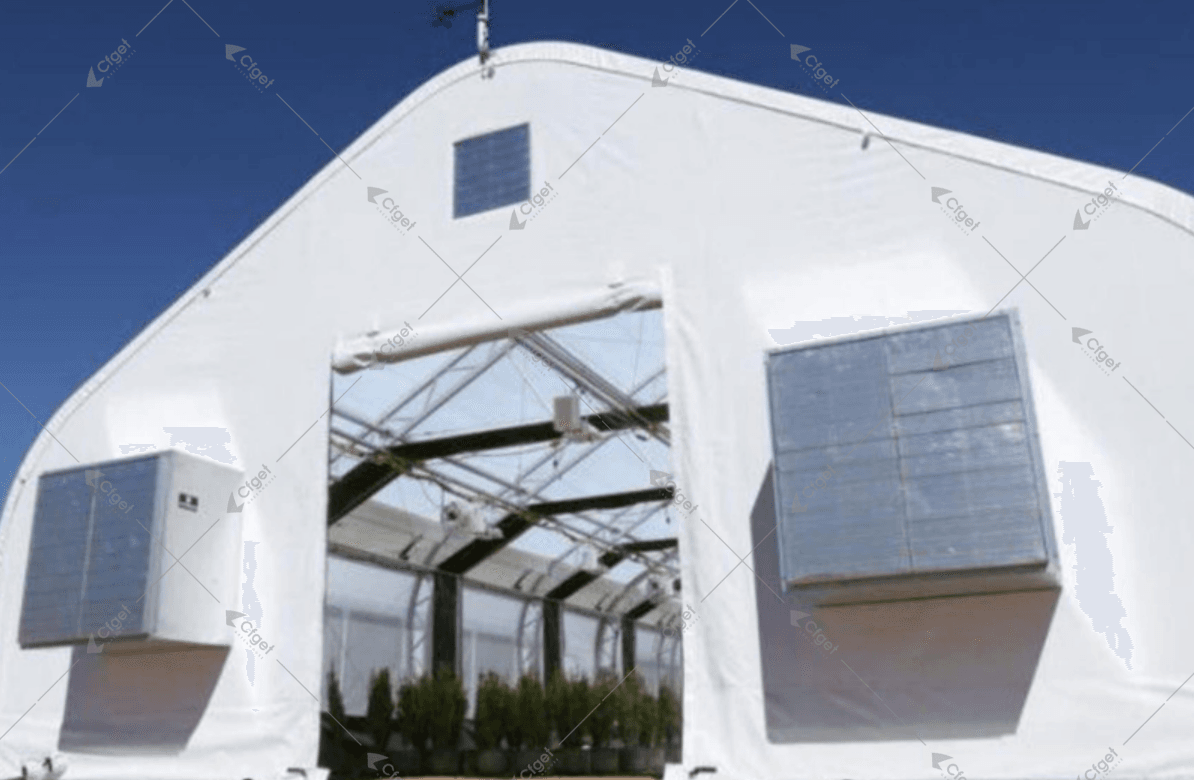
Two years ago, a medicinal cannabis facility in Colorado struggled with inconsistent harvests due to light pollution from nearby developments. Their outdoor crops flowered unpredictably, causing scheduling nightmares and quality issues. We installed a blackout greenhouse system that delivered complete light control. Now they harvest every 8 weeks year-round with consistent potency levels that command premium prices.
The Science of Photoperiod Control: How Blackout Systems Trigger Flowering?
Plant biology responds to light duration signals. Photoperiod-sensitive species require specific dark periods to initiate flowering. Understanding these mechanisms enables precise harvest timing and quality optimization.
Photoperiod-sensitive plants measure night length through phytochrome receptors that detect red and far-red light ratios. Complete darkness for 12+ hours triggers flowering hormones, while any light contamination disrupts this critical process.

Understanding Plant Circadian Biology
Phytochrome proteins act as molecular light switches in plant cells. These proteins exist in two forms that convert between each other based on light exposure. Red light converts phytochrome to the active form, while far-red light converts it back to inactive. The ratio between these forms signals day and night to the plant’s internal clock.
Critical dark period requirements vary by species and cultivar. Short-day plants like cannabis require 12+ hours of uninterrupted darkness to flower properly. Even brief light exposure during dark periods can prevent flowering or cause plants to revert to vegetative growth. This sensitivity demands absolute light control for consistent results.
Circadian rhythm disruption affects more than flowering timing. Light pollution during dark periods reduces essential oil production, cannabinoid synthesis, and overall plant quality. Studies show that even moonlight-level illumination (0.1 lux) can interfere with photoperiod responses in sensitive varieties.
Temperature interactions complicate photoperiod control. Many plants require specific temperature drops during dark periods to optimize flowering. Blackout systems must coordinate light deprivation with thermal management. This integration ensures both photoperiod and temperature signals align properly.
| Plant Response | Light Requirement | Dark Requirement | Critical Factors |
|---|---|---|---|
| Vegetative Growth | 14+ hours | <10 hours | Continuous light cycles |
| Flowering Initiation | <12 hours | 12+ hours | Uninterrupted darkness |
| Flower Development | 12 hours | 12 hours | Consistent timing |
| Harvest Optimization | Variable | 12+ hours | Quality-dependent scheduling |
Hormonal cascades begin within hours of proper dark period initiation. Florigen proteins increase rapidly when darkness extends beyond critical thresholds. These flowering hormones trigger genetic changes that redirect plant energy from leaf production to flower development. The process becomes irreversible after 3-5 days of proper photoperiod exposure.
Light spectrum effects extend beyond simple on-off responses. Blue light suppresses flowering more strongly than red light during dark periods. Green light shows minimal photoperiod interference at low intensities. LED technology allows precise spectrum control that optimizes both growth and flowering responses.
Seasonal adaptation varies significantly between cultivars and species. Equatorial varieties evolved with consistent 12-hour day-night cycles year-round. Northern varieties adapted to dramatic seasonal changes in photoperiod. Understanding these genetic differences guides photoperiod programming for specific crops.
Environmental stress can override photoperiod signals in some plants. Drought, nutrient deficiency, or extreme temperatures may trigger premature flowering regardless of light conditions. Blackout systems must integrate with comprehensive environmental control to maintain proper plant responses.
Maximizing Potency & Yields: A Guide for Medicinal Cannabis Growers?
Cannabis cultivation demands precision for medical-grade products. Potency levels determine therapeutic value and market prices. Environmental control directly affects cannabinoid production and harvest quality.
Controlled photoperiod manipulation increases THC and CBD production by 25-40% compared to natural light cycles. Blackout systems enable precise timing that optimizes trichome development and cannabinoid synthesis for maximum therapeutic value.
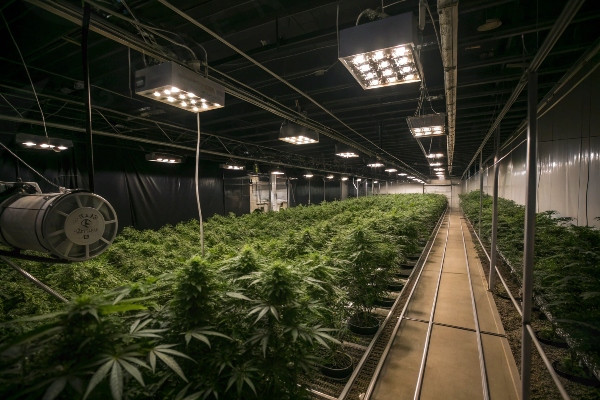
Optimizing Cannabinoid Production Through Environmental Control
Trichome development responds dramatically to environmental stress during flowering. Controlled light deprivation creates mild stress that stimulates resin production without damaging plant health. The key lies in timing stress application during peak cannabinoid synthesis periods.
Temperature differential management becomes critical during dark periods. Dropping temperatures 10-15°F during darkness mimics natural conditions that trigger maximum resin production. Blackout systems must integrate heating and cooling to maintain these precise temperature swings throughout the flowering cycle.
Humidity control affects both plant health and cannabinoid concentration. Relative humidity should drop from 65% during vegetative growth to 45% during late flowering. Lower humidity concentrates cannabinoids while preventing mold and mildew that destroy valuable crops. Automated systems maintain these precise levels regardless of outside weather.
CO2 enrichment timing aligns with photoperiod cycles for maximum benefit. Plants utilize CO2 only during light periods when photosynthesis occurs. Blackout systems coordinate CO2 injection with lighting schedules, maintaining 1200-1500 ppm during light periods while allowing levels to drop during darkness.
| Growth Phase | Light Period | Dark Period | Temperature | Humidity | CO2 Level |
|---|---|---|---|---|---|
| Vegetative | 18 hours | 6 hours | 75-80°F | 60-65% | 1200 ppm |
| Early Flower | 12 hours | 12 hours | 70-75°F | 55-60% | 1200 ppm |
| Late Flower | 12 hours | 12 hours | 65-70°F | 45-50% | 1000 ppm |
| Pre-Harvest | 10 hours | 14 hours | 60-65°F | 40-45% | 400 ppm |
Nutrient management shifts dramatically during controlled flowering cycles. Phosphorus and potassium requirements increase 200-300% during flower development. Nitrogen levels must decrease to prevent excessive leaf growth that reduces flower quality. Automated fertigation systems adjust nutrient ratios based on photoperiod programming.
Light intensity optimization varies throughout flowering cycles. Early flowering benefits from full-intensity lighting to establish flower sites. Mid-flowering requires moderate intensity to prevent heat stress while maintaining photosynthesis. Late flowering uses reduced intensity to concentrate cannabinoids without promoting new growth.
Harvest timing precision determines final product quality. Trichome color changes from clear to cloudy to amber indicate peak cannabinoid levels. Blackout systems enable harvest scheduling that captures optimal potency windows. This precision can increase market value by 30-50% for premium medical products.
Drying and curing integration extends controlled environment benefits. Post-harvest processing in controlled environments maintains cannabinoid stability and terpene profiles. Blackout capabilities allow light-sensitive compounds to remain stable during processing. This integration preserves therapeutic value throughout the entire production cycle.
Creating the Perfect Environment: Growing Gourmet & Medicinal Mushrooms?
Mushroom cultivation requires unique environmental conditions. Light sensitivity varies dramatically between species. Controlled environments enable year-round production of high-value specialty varieties.
Blackout greenhouses provide ideal mushroom growing conditions through complete light control, precise humidity management, and sterile air filtration. These systems enable cultivation of light-sensitive varieties that command premium prices in gourmet and medicinal markets.
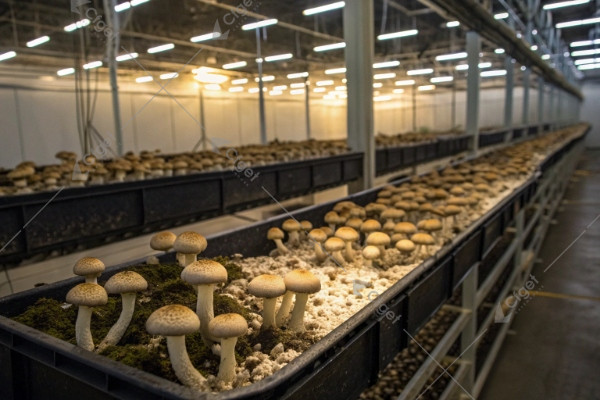
Specialized Requirements for Fungal Cultivation
Mushroom biology differs fundamentally from plant cultivation. Fungi require organic substrates rather than soil or hydroponic solutions. Most species prefer complete darkness during vegetative growth phases. Light requirements vary dramatically between species and growth stages.
Substrate sterilization becomes critical in enclosed environments. Contamination destroys entire crops within days of infection. Blackout greenhouses must include steam sterilization systems for growing media. HEPA air filtration prevents airborne contamination that plagues open cultivation systems.
Humidity control requires precision beyond typical greenhouse capabilities. Most gourmet mushrooms require 85-95% relative humidity during fruiting phases. This extreme humidity level demands specialized humidification and air circulation systems. Condensation control prevents water droplets that spread contamination.
Temperature stability affects both growth rates and mushroom quality. Most species require temperatures within 2-3°F of optimal ranges. Blackout systems must maintain these precise temperatures while managing the heat generated by humidification and air circulation equipment.
| Mushroom Species | Light Requirement | Temperature Range | Humidity Range | Growing Substrate |
|---|---|---|---|---|
| Shiitake | Minimal light for fruiting | 55-75°F | 85-95% | Hardwood logs/sawdust |
| Oyster | Complete darkness | 60-80°F | 85-95% | Straw/agricultural waste |
| Lion’s Mane | Dim light for fruiting | 65-75°F | 85-95% | Hardwood sawdust |
| Reishi | Complete darkness | 70-80°F | 90-95% | Hardwood sawdust |
Air circulation patterns prevent stagnation while maintaining humidity levels. Gentle airflow prevents spore settling while avoiding desiccation of developing mushrooms. Blackout systems integrate circulation fans with humidity controls to maintain optimal growing conditions.
Harvest timing requires careful observation of mushroom development stages. Most gourmet varieties reach peak quality within 24-48 hour windows. Controlled environments enable precise timing that maximizes both yield and quality. Multiple flushes from single substrates increase overall profitability.
Contamination prevention extends beyond initial sterilization. Worker hygiene protocols become critical in enclosed systems. Blackout greenhouses must include changing areas and sanitization stations. Positive air pressure prevents outside contamination while maintaining sterile growing conditions.
Substrate recycling reduces production costs while maintaining environmental sustainability. Spent mushroom substrate provides excellent compost for other agricultural applications. Integrated systems can cycle nutrients between mushroom production and plant cultivation phases.
Specialty lighting systems support specific mushroom varieties that require illumination for fruiting. LED systems provide precise wavelengths without heat generation. Programmable controllers coordinate lighting with other environmental factors for optimal mushroom development.
The 5 Essential Features of a High-Performance Light Deprivation System?
System performance determines crop success and profitability. Critical components must work reliably under demanding conditions. Your investment requires proven technologies that deliver consistent results.
Professional light deprivation systems require automated blackout curtains, light-tight seals, backup power systems, environmental integration, and remote monitoring capabilities. These features ensure reliable operation and protect valuable crops from system failures.
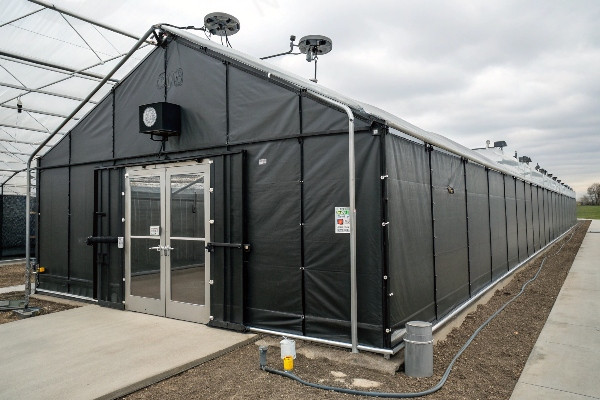
Critical Components for Reliable Light Control
Automated blackout curtain systems form the foundation of reliable light deprivation. Motor-driven curtains deploy within 2-3 minutes for rapid light control. Heavy-duty fabrics block 99.9% of light transmission while withstanding thousands of deployment cycles. Redundant motors prevent system failures during critical periods.
Curtain fabric selection affects both performance and longevity. Woven polyethylene fabrics resist tearing while providing complete opacity. Reflective coatings reduce heat absorption during sunny periods. UV-resistant materials maintain performance for 10+ years under intense sunlight exposure.
Light-tight sealing systems prevent contamination around curtain edges. Inflatable seals create positive pressure against greenhouse frames. Brush seals accommodate structural movement while maintaining light barriers. Multiple seal layers provide redundancy against single-point failures.
Track systems must operate reliably under extreme weather conditions. Aluminum tracks resist corrosion while providing smooth curtain movement. Sealed bearing systems prevent contamination from dust and moisture. Regular maintenance schedules ensure consistent operation throughout the system’s lifespan.
| System Component | Performance Specification | Reliability Features |
|---|---|---|
| Blackout Curtains | 99.9% light blocking | Redundant motors, heavy-duty fabric |
| Sealing Systems | Zero light leakage | Multiple seal layers, inflatable seals |
| Control Systems | ±1 minute timing accuracy | Backup power, remote monitoring |
| Environmental Integration | Coordinated operation | Automated climate control |
Control system integration coordinates light deprivation with other environmental factors. Programmable controllers manage curtain deployment based on time schedules and light sensors. Integration with heating, cooling, and ventilation systems maintains optimal growing conditions during blackout periods.
Backup power systems prevent crop losses during utility outages. Battery backup systems provide 24-48 hours of operation for critical systems. Automatic transfer switches engage backup power within seconds of utility failure. Generator connections enable extended operation during prolonged outages.
Light sensor arrays verify complete darkness throughout the growing area. Multiple sensors detect any light leakage that could affect crop quality. Alarm systems alert operators to seal failures or curtain malfunctions. Data logging tracks system performance for maintenance scheduling.
Remote monitoring capabilities enable 24/7 oversight of critical systems. Internet-connected controllers provide real-time status updates and alarm notifications. Smartphone apps allow immediate response to system problems. Cloud-based data storage enables performance analysis and optimization.
Safety systems prevent equipment damage and worker injury. Emergency stops allow immediate curtain retraction during maintenance. Obstacle detection prevents curtain damage from equipment or workers. Fail-safe designs ensure curtains retract during power failures to prevent structural damage.
Weather integration prevents system damage during extreme conditions. Wind sensors retract curtains automatically during high wind conditions. Rain sensors coordinate curtain operation with irrigation systems. Snow load monitoring prevents structural damage from accumulated precipitation.
Conclusion
Blackout greenhouses enable precise photoperiod control that maximizes crop quality and harvest flexibility. Professional systems integrate automated light deprivation with comprehensive environmental control, creating optimal conditions for photoperiod-sensitive crops while ensuring reliable year-round operation.