I’ve met growers who built greenhouses thinking only about materials. Months later, they discovered the real bill came from energy, foundations, labor, and equipment upgrades they never planned for.
The cost to build a greenhouse in 2025 ranges widely depending on purpose, climate, materials, and automation. Small hobby units start at $500–$3,000, commercial structures range from $30–$120/m², and high-tech glass systems can exceed $200/m². The real question isn’t price — it’s planning.
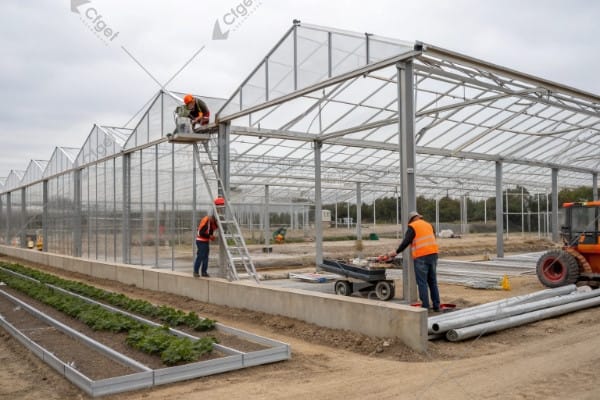
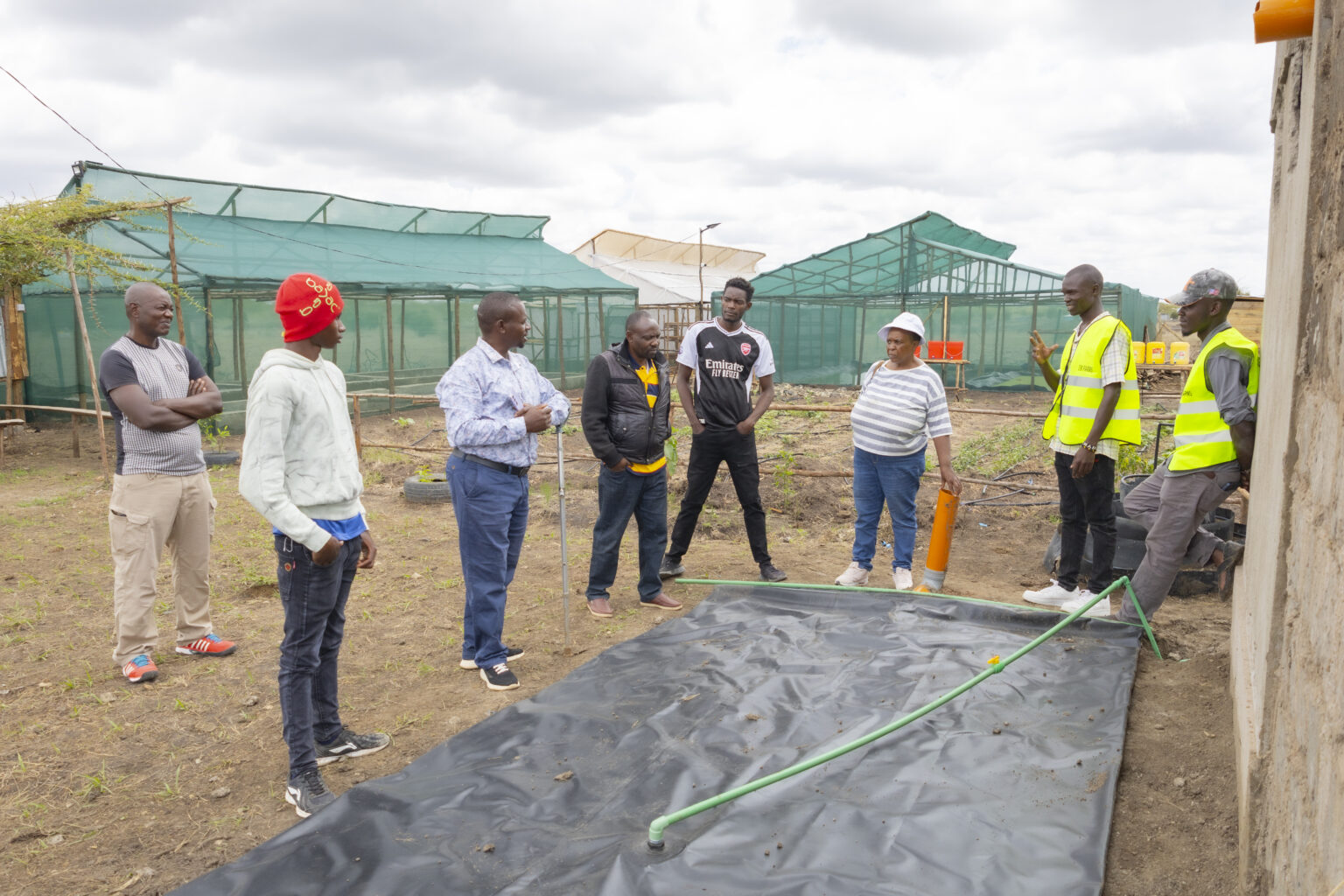
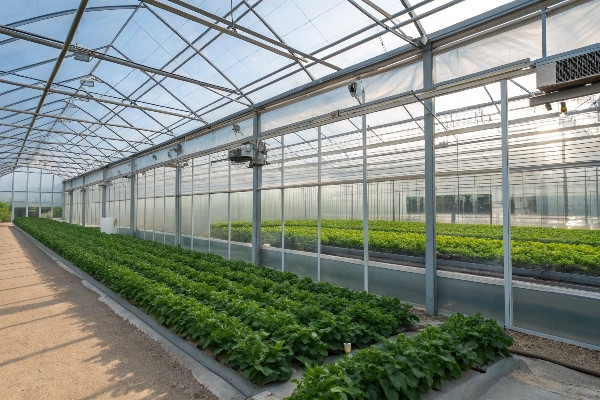
Steel structure installation stage.
Many top results online give only a simple number: “A greenhouse costs $5–$35/ft².”
But real projects fail not because the square-foot price is wrong — they fail because budgeting ignores hidden costs, climate, and long-term operation.
So this guide fixes what most articles missed and builds a full 2025-ready framework.
How much does it cost to build a greenhouse in 2025?
People want one number. But greenhouse cost is not one number — it’s tiers.
Small hobby greenhouses cost $500–$3,000, small commercial projects cost $30–$80/m², and high-tech glass greenhouses in 2025 range $120–$200+ per m² depending on climate, automation, and material. Hidden costs like foundations, utilities, permits, and energy can add 20–60% if not planned.
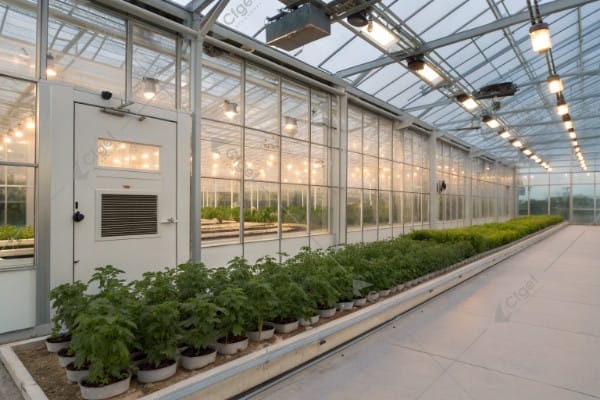
The problem with average cost articles
They only list rough numbers, but rarely tell you which type fits your project.
So let’s classify by reality — budget, area, and purpose.
1. Cost Tiers Most Guides Don’t Explain Clearly
| Greenhouse Type | Area | Cost / m² (2025) | Approx Total | Best For |
|---|---|---|---|---|
| Hobby DIY | 10–30 m² | $50–150 | $500–$3,000 | Home growing |
| Semi-commercial | 200–1000 m² | $30–80 | $6,000–$80,000 | Entry farming |
| Commercial Film/PC | 1000+ m² | $40–120 | $40k–300k+ | Vegetables/fruits |
| High-tech Glass | 1000+ m² | $120–200+ | $120k–millions | Year-round premium crops |
People overspend when they buy “too little technology for commercial farming” or “too much automation for beginners.”
This chart alone solves half of planning mistakes.
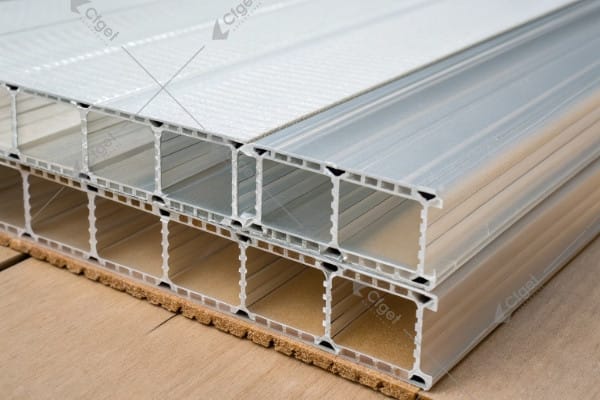
2. CAPEX Breakdown — Not Just the Frame
Most websites say “greenhouse cost depends on materials,” which is true but incomplete.
The structure is often only 30–50% of cost — the rest hides in systems.
| Cost Category | Typical Share | Notes |
|---|---|---|
| Structure & covering | 30–50% | Film, PC, Glass define price ceiling |
| Cooling/Heating systems | 15–35% | Biggest for hot/cold climates |
| Irrigation/Fertigation | 8–15% | Must scale with production |
| Shading & ventilation | 5–12% | Avoid disease + overheating |
| Automation & controls | 5–20% | Optional, but scales labor savings |
| Lighting/CO₂ (optional) | cost heavy | Boost winter yield dramatically |
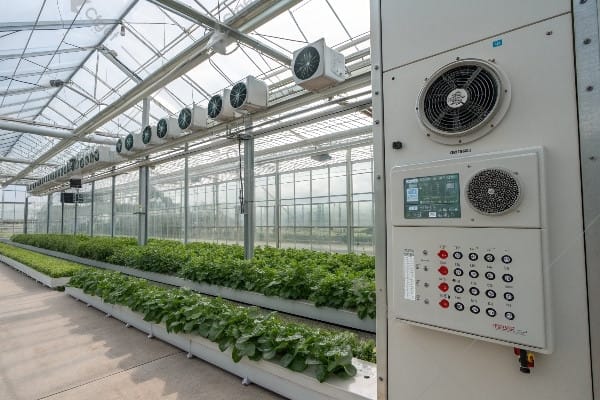
Climate control drives OPEX & ROI.
If your supplier only quotes structure cost — the quote is incomplete.
3. Hidden Costs No One Lists (But Kill Budgets in Real Projects)
Hidden cost checklist you must budget for:
- Land leveling + civil works
- Foundation + drainage system
- Electrical access, wiring, transformer upgrades
- Water source connection & pipes
- Permits, engineering certification, wind/snow load design
- Import duty + logistics + on-site installation
- Insurance, fire safety compliance, local labor
These can add 20–60% on top of structure price.
Many projects go overbudget because structural cost excludes infrastructure.
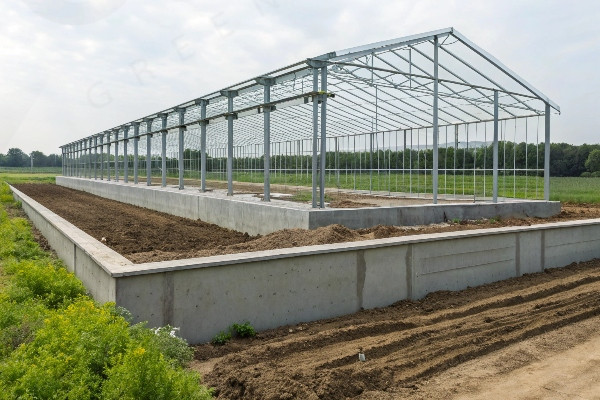
Groundwork often costs more than expected.
4. Climate Adjustment — Why Two Identical Greenhouses Don’t Cost the Same
A greenhouse in Canada ≠ the same greenhouse in UAE.
Climate modifies cost more than materials do.
Cold regions need:
- Insulation + double film/PC
- Heating + LED (high OPEX commitment)
Hot regions need:
- Pad & fan cooling
- Fogging or shading systems
Tropical humid zones need:
- Strong ventilation
- Anti-fungal design + IPM consideration
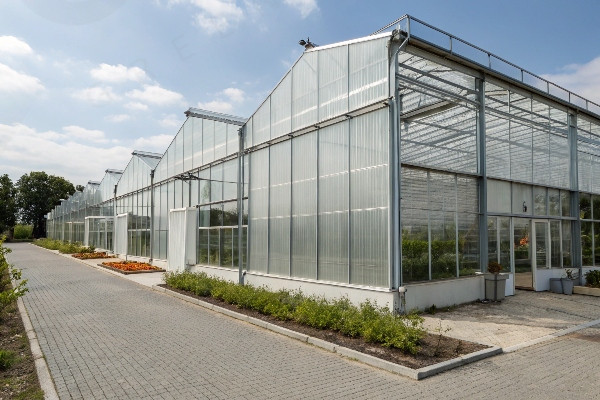
Choosing the wrong design for climate = paying twice.
5. Long-Term Cost (TCO) & OPEX — Where 2025 Investment Really Wins/Loses
Most 2025 “cost guides” forget OPEX entirely.
But you don’t just buy a greenhouse — you own it for 10–20 years.
| OPEX Factor | Influence |
|---|---|
| Energy | Highest volatility — can double in winter |
| Labor | Automation = long-term savings |
| Maintenance | Film replacement every 3–5 years |
| Water/Fertilizer | Low but constant |
| System upgrades | Often appear in year 2–4 |
A low CAPEX greenhouse can cost more long-term if energy and labor are inefficient.
Sometimes a more expensive design pays back faster.
Conclusion
A greenhouse in 2025 has no single price — only pricing tiers and strategy.
Hobby builds cost hundreds, commercial units cost tens of thousands, and high-tech systems cost more but return more. The best investment is one aligned with crop, climate, skill, and long-term plan.
If you plan first, cost becomes predictable.
If you build first and plan later, cost becomes a surprise.