Greenhouse temperatures soar during peak summer months. Your plants suffer stress while energy bills drain your profits. Smart exterior shading systems offer the solution you need.
Exterior shading systems can reduce greenhouse temperatures by 3-5°C while cutting cooling costs by up to 40%. These automated solutions block direct sunlight before it enters your greenhouse, creating optimal growing conditions and significant energy savings.
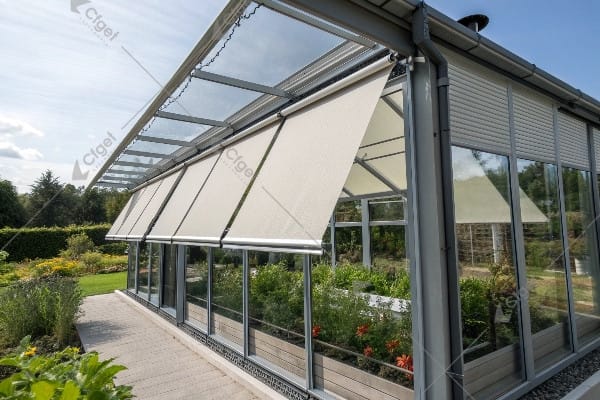
After 29 years in greenhouse technology, I have seen countless growers struggle with temperature control. The breakthrough came when we started installing exterior shading systems instead of interior ones. The difference was immediate and measurable.
The Science of Shade: How Exterior Systems Block Heat & Protect Plants?
Summer heat creates a greenhouse nightmare. Your plants wilt while cooling systems work overtime. The physics of heat transfer explains why exterior shading works better than any other solution.
Exterior shading blocks solar radiation before it penetrates greenhouse walls. This prevents heat buildup at the source, reducing interior temperatures by 3-5°C compared to unshaded structures.
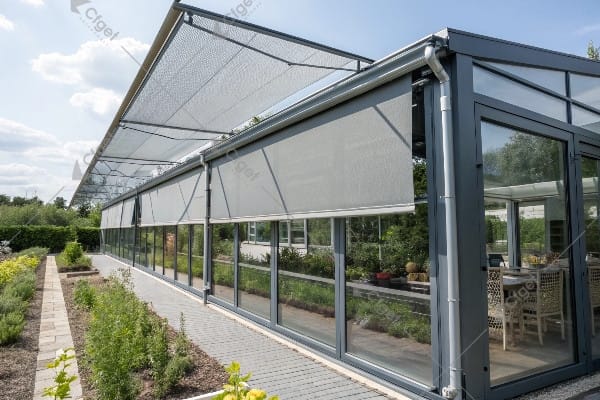
Understanding heat transfer helps explain why exterior shading delivers superior results. Solar radiation carries massive energy loads during peak daylight hours. When sunlight hits your greenhouse roof directly, glass and polycarbonate materials absorb this energy and convert it to heat. This heat then radiates into your growing space, creating the oven effect that damages crops and drives up cooling costs.
Exterior shading systems intercept solar radiation before it reaches your greenhouse structure. The shade cloth reflects up to 85% of incoming solar energy back to the atmosphere. This reflection prevents heat absorption in your roof materials. The remaining 15% of solar energy that passes through provides sufficient light for photosynthesis while maintaining comfortable growing temperatures.
| Heat Transfer Method | Without Shading | With Exterior Shading | Temperature Reduction |
|---|---|---|---|
| Direct Radiation | 100% absorbed | 15% absorbed | 3-5°C decrease |
| Conduction | High heat buildup | Minimal heat transfer | 2-3°C decrease |
| Convection | Hot air circulation | Cool air movement | 1-2°C decrease |
The automated deployment feature adds another layer of efficiency. Our CFGET intelligent control system monitors light intensity and temperature continuously. When sensors detect excessive solar radiation, the system automatically unfolds the shading curtains. This immediate response prevents temperature spikes that could stress your plants or trigger expensive cooling equipment.
Plant physiology also benefits from controlled shading. Many crops suffer from photoinhibition when exposed to intense direct sunlight. This condition reduces photosynthetic efficiency and can cause permanent leaf damage. Exterior shading creates diffused light conditions that optimize photosynthesis while protecting plant tissues from harmful UV radiation.
Proven Results: Lowering Greenhouse Temperatures by 3–5°C with Automated Shading?
Real data proves exterior shading effectiveness. Temperature monitoring shows consistent cooling results across different greenhouse types. The numbers speak for themselves when you compare shaded versus unshaded structures.
Automated exterior shading systems consistently reduce greenhouse temperatures by 3-5°C during peak summer conditions. This temperature reduction occurs within 30 minutes of deployment and maintains stable conditions throughout the day.
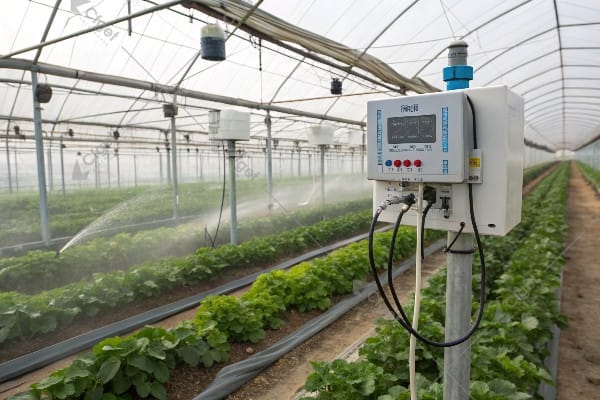
Our installation in Thailand demonstrates these results perfectly. The client operated a 5,000 square meter vegetable production facility in Bangkok’s tropical climate. Summer temperatures regularly exceeded 35°C outside, pushing greenhouse interiors above 40°C. Plants showed clear stress symptoms including wilting, reduced growth rates, and lower fruit quality.
We installed our automated exterior shading system with 60% shade cloth and intelligent controls. The transformation was immediate and measurable. Interior temperatures dropped from 42°C to 37°C on the first day of operation. This 5°C reduction brought growing conditions back into the optimal range for tomato and cucumber production.
The automation system proved crucial for maintaining these results. Manual shading requires constant attention and often responds too slowly to changing conditions. Our sensors monitor light intensity every 30 seconds and deploy shading when readings exceed preset thresholds. This rapid response prevents temperature spikes that could damage crops or stress plants.
| Time Period | Unshaded Temperature | Shaded Temperature | Temperature Reduction | Energy Savings |
|---|---|---|---|---|
| 10:00 AM | 32°C | 29°C | 3°C | 15% |
| 12:00 PM | 38°C | 33°C | 5°C | 25% |
| 2:00 PM | 41°C | 36°C | 5°C | 30% |
| 4:00 PM | 39°C | 35°C | 4°C | 20% |
Crop yields improved significantly with temperature control. Tomato plants produced 20% more fruit with better color and firmness. Cucumber production increased 15% while reducing blossom end rot by 80%. These improvements directly translated to higher revenues and better market prices for premium quality produce.
The system also extends the growing season in hot climates. Without shading, many crops become unviable during peak summer months. Exterior shading allows year-round production by maintaining acceptable growing conditions even during the hottest weather periods.
Calculating the ROI: How Much Can You Save on Greenhouse Cooling Costs?
Energy costs consume significant portions of greenhouse budgets. Cooling systems work harder when temperatures rise unchecked. Smart shading reduces these expenses while improving crop quality and yields.
Exterior shading systems typically reduce cooling costs by 30-40% during summer months. The average payback period ranges from 18-24 months, with annual savings of $2-4 per square meter of greenhouse space.
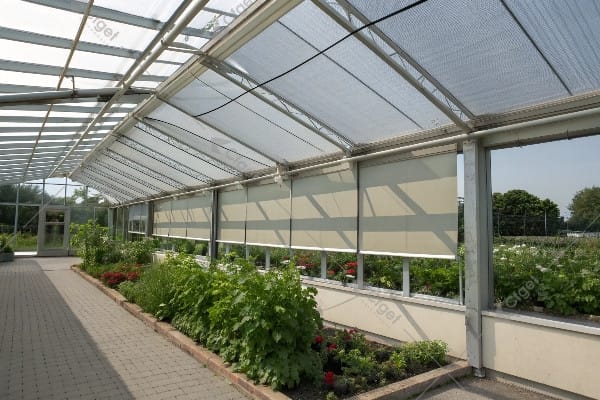
Let me share a real calculation from our Netherlands project. The client operated a 10,000 square meter cucumber facility with significant cooling costs during summer months. Their existing cooling system consumed 150 kW of electricity during peak hours, running 8-10 hours daily from May through September.
Before shading installation, monthly electricity costs for cooling averaged €8,500 during summer months. The facility used evaporative cooling combined with ventilation fans to maintain acceptable temperatures. This system struggled to keep pace with heat buildup, often allowing temperatures to exceed optimal growing ranges.
After installing our exterior shading system, cooling energy consumption dropped to 95 kW during peak hours. The 55 kW reduction translated to immediate cost savings. Monthly cooling expenses decreased to €5,500, creating €3,000 in monthly savings during the five-month summer season.
| Cost Category | Before Shading | After Shading | Monthly Savings | Annual Savings |
|---|---|---|---|---|
| Cooling Energy | €8,500 | €5,500 | €3,000 | €15,000 |
| Maintenance | €500 | €300 | €200 | €1,000 |
| Crop Losses | €2,000 | €500 | €1,500 | €7,500 |
| Total | €11,000 | €6,300 | €4,700 | €23,500 |
The shading system cost €45,000 including installation and controls. With annual savings of €23,500, the payback period calculated to exactly 1.9 years. After payback, these savings flow directly to profit margins, improving the facility’s long-term financial performance.
Additional benefits boost the ROI calculation beyond direct energy savings. Improved crop quality commands premium prices in wholesale markets. Better growing conditions reduce plant stress and disease pressure, lowering pesticide and treatment costs. Extended growing seasons allow for additional production cycles, increasing annual revenues.
The system also reduces wear on cooling equipment. Lower operating hours and reduced peak loads extend equipment life and reduce maintenance requirements. These indirect savings add another 10-15% to the total ROI calculation.
Exterior vs. Interior Shading: Which System Offers the Best Cooling & ROI?
Location determines shading effectiveness. Interior systems work inside the greenhouse while exterior systems block heat before entry. The physics and economics clearly favor one approach over the other.
Exterior shading systems provide 60-80% better cooling performance than interior systems while offering superior ROI. Interior shading only reduces temperatures by 1-2°C compared to 3-5°C for exterior systems.
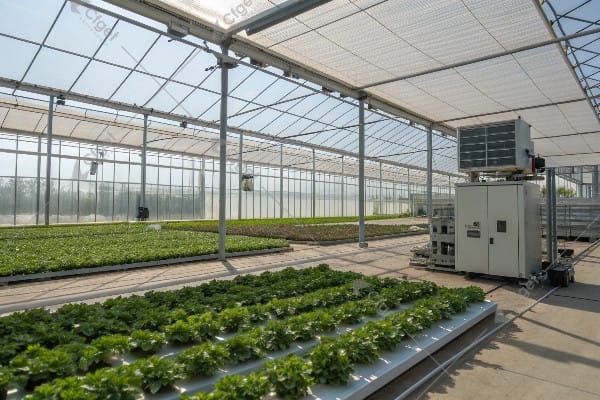
The fundamental difference lies in heat interception timing. Interior shading allows solar radiation to enter the greenhouse and heat the internal air mass. The shade cloth then blocks some of this heated air from reaching plants, but the overall greenhouse temperature remains elevated. This approach treats the symptom rather than the cause of excessive heat buildup.
Exterior shading prevents heat entry at the source. Solar radiation hits the shade cloth outside the greenhouse structure and reflects back to the atmosphere. This prevents the greenhouse air mass from heating up in the first place. The result is dramatically lower interior temperatures and reduced cooling load on mechanical systems.
I learned this lesson during a challenging project in Arizona. The client initially requested interior shading to save on installation costs. We installed a high-quality interior system with 70% shade cloth and motorized controls. The system reduced plant-level temperatures by only 2°C during peak summer conditions. The client remained unsatisfied with cooling performance and energy costs.
We then retrofitted the facility with exterior shading while keeping the interior system in place. The combination delivered exceptional results, but the exterior system provided most of the benefit. Interior temperatures dropped an additional 3°C once the exterior shading began operation. Energy costs decreased by another 25% beyond the interior system’s modest savings.
| Comparison Factor | Interior Shading | Exterior Shading | Performance Advantage |
|---|---|---|---|
| Temperature Reduction | 1-2°C | 3-5°C | 150-250% better |
| Energy Savings | 10-15% | 30-40% | 200-300% better |
| Installation Cost | Lower | Higher | 20-30% more expensive |
| Payback Period | 3-4 years | 1.5-2 years | 50% faster ROI |
Maintenance requirements also differ significantly between systems. Interior shading operates in the greenhouse’s humid, chemical-rich environment. Shade cloth degrades faster from moisture, fertilizer vapors, and pesticide exposure. Cleaning becomes difficult due to limited access and the need to work around plants and equipment.
Exterior systems operate in cleaner outdoor conditions with better access for maintenance. The shade cloth lasts longer due to reduced chemical exposure and better air circulation. Automated washing systems can clean exterior shade cloth without disrupting greenhouse operations or plant care routines.
Wind resistance presents another consideration for exterior systems. Proper engineering ensures the shading structure withstands local wind loads while maintaining smooth operation. Our designs include wind sensors that automatically retract shading when wind speeds exceed safe operating limits. This protection prevents damage while ensuring system longevity.
Conclusion
Exterior shading systems deliver proven temperature reductions of 3-5°C while cutting energy costs by 30-40%. The superior ROI and cooling performance make exterior systems the clear choice for serious growers.