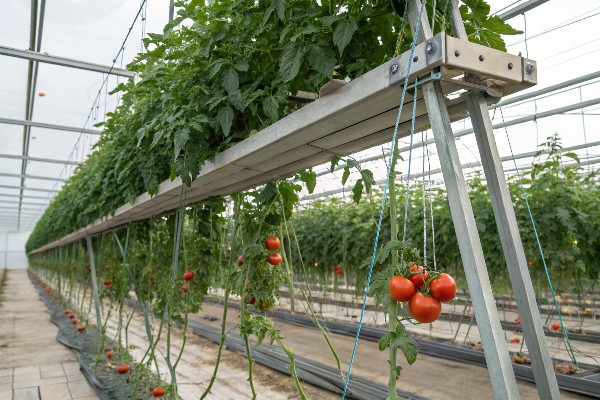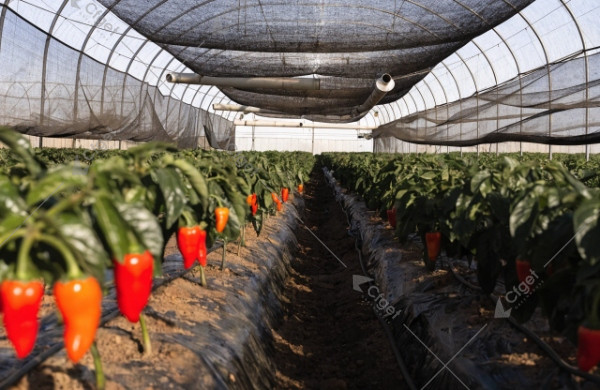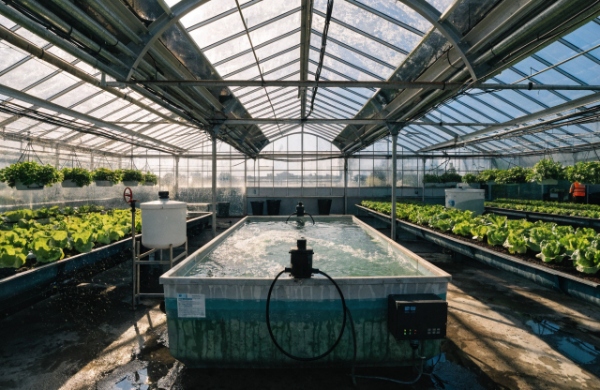
Fertilizer costs eating into profits while crop quality remains inconsistent? Traditional feeding methods waste 40-60% of nutrients through poor timing and imprecise application.
Fertigation systems deliver nutrients through irrigation water directly to plant root zones, increasing fertilizer efficiency by 30-50% while boosting yields up to 25%. This precision feeding transforms fertilizer from an expense into a profit driver.
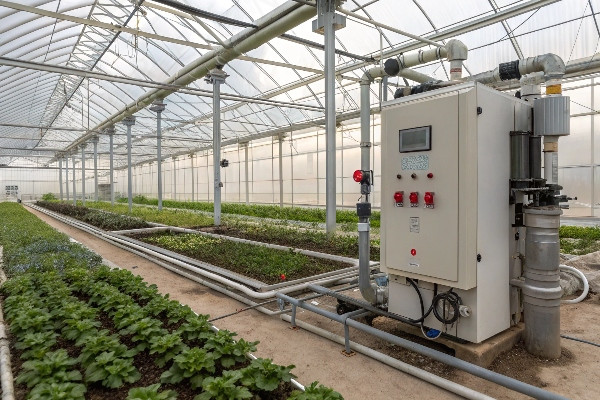
After designing fertigation systems for commercial operations across six continents, I’ve witnessed the dramatic transformation these systems create. Growers consistently report not just higher yields, but improved crop quality, reduced labor costs, and fertilizer savings that often exceed the entire system investment within two growing seasons.
The Science of Fertigation: How Automated Dosing Maximizes Nutrient Uptake
Plant nutrition becomes surgical when you deliver nutrients dissolved in irrigation water directly to active root zones where uptake occurs most efficiently.
Automated fertigation systems inject precise nutrient concentrations into irrigation lines based on real-time plant needs, soil conditions, and growth stage requirements. This precision eliminates nutrient waste while ensuring plants never experience deficiency stress.
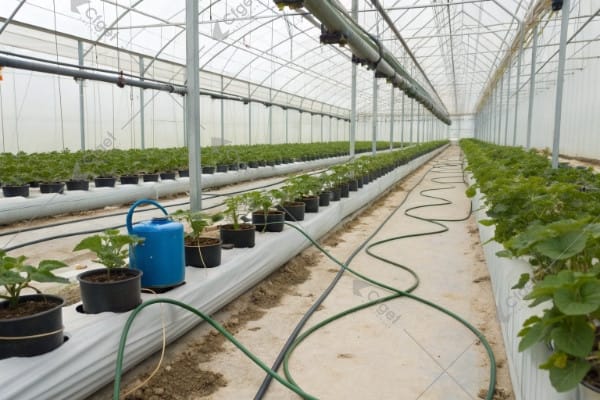
Understanding Nutrient Mobility and Uptake
The magic of fertigation lies in delivering nutrients when and where plants can use them immediately. Traditional broadcasting spreads fertilizer across soil surfaces where only 30-40% reaches plant roots. The remainder leaches away, volatilizes, or becomes chemically bound to soil particles.
Fertigation places nutrients directly in the active root zone where feeder roots concentrate their absorption activity. This targeted delivery means plants absorb 70-90% of applied nutrients compared to 30-40% with traditional methods. The efficiency gain translates directly into reduced fertilizer costs and improved plant performance.
Nutrient timing becomes precise with fertigation systems that can deliver different formulations throughout the day or growing cycle. Morning applications might emphasize nitrogen for photosynthesis support, while afternoon feeding could focus on potassium for fruit development and disease resistance.
Concentration control prevents the feast-or-famine cycles that stress plants with traditional feeding methods. Instead of heavy applications followed by gradual depletion, fertigation maintains steady nutrient availability that matches plant uptake patterns throughout each day.
pH management through fertigation ensures optimal nutrient availability by maintaining root zone pH within ideal ranges for each crop. Automated systems can inject pH adjusters along with nutrients, preventing the lockout conditions that waste expensive fertilizers.
Electrical conductivity (EC) monitoring provides real-time feedback on total dissolved nutrients in the root zone. This measurement guides injection rates and prevents over-fertilization that can damage plants or waste expensive inputs.
Advanced Fertigation Chemistry
Multi-stage nutrient programs deliver different fertilizer formulations automatically based on crop development stages. Vegetative growth requires high nitrogen ratios, while reproductive phases benefit from increased phosphorus and potassium. Automated systems make these transitions seamlessly without manual intervention.
Nutrient compatibility management prevents chemical reactions that create precipitates or reduce nutrient availability. Quality fertigation systems use separate injection lines for incompatible nutrients, mixing them only at the point of application to prevent losses.
Micronutrient integration ensures plants receive complete nutrition packages through single irrigation events. Chelated micronutrients remain available in the root zone longer, providing sustained nutrition that supports optimal plant health and productivity.
Buffer capacity calculations account for soil and water chemistry that affects nutrient availability. Systems adjust injection rates based on these factors, ensuring plants receive intended nutrient levels regardless of growing medium variations.
From Cost Center to Profit Center: Calculating the ROI of Your Fertigation System
Smart growers view fertigation systems as profit-generating investments rather than operational expenses. The numbers consistently support this perspective across diverse crops and markets.
Fertigation systems typically pay for themselves within 18-36 months through fertilizer savings, yield increases, and labor reduction. Many operations see complete payback within a single growing season on high-value crops.
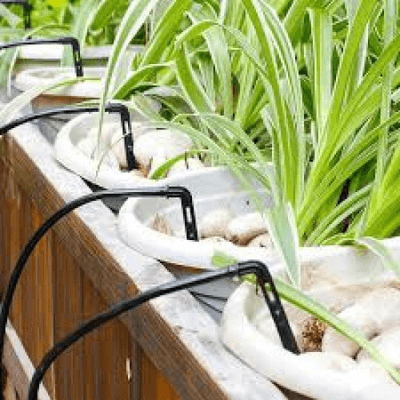
Breaking Down the Investment Mathematics
A complete fertigation system for a 10,000 square foot greenhouse typically costs $15,000-$30,000 depending on complexity and automation level. This investment includes injection pumps, control systems, monitoring equipment, and installation. The returns justify this expense quickly through multiple revenue streams.
Fertilizer cost reduction represents the most immediate return. Traditional fertilizer programs for intensive greenhouse production cost $0.50-$1.50 per square foot annually. Fertigation reduces these costs by 30-50% through improved efficiency, saving $1,500-$7,500 annually in our example facility.
Yield increases of 15-25% are common with fertigation systems compared to traditional feeding methods. On crops generating $5-$15 per square foot in revenue, this yield boost adds $7,500-$37,500 annually to gross income. These gains result from consistent nutrition that eliminates growth-limiting deficiencies.
Labor savings accumulate through automated feeding that eliminates manual fertilizer mixing and application. Most operations save 1-2 hours daily on fertilizer-related tasks, worth $25-$50 per day in labor costs. Annual savings of $9,000-$18,000 are typical for operations running year-round.
Water savings often accompany fertigation installations since these systems integrate with efficient irrigation designs. Reduced water usage of 20-30% saves money while supporting sustainable growing practices that may qualify for rebates or certifications.
Quality improvements create premium pricing opportunities that can exceed all other benefits combined. Consistent nutrition produces uniform crops with better shelf life, color, and nutritional content. Premium markets often pay 20-50% more for superior quality produce.
Advanced ROI Considerations
Risk reduction benefits include more predictable crop outcomes that support better market planning and customer relationships. Consistent quality and timing reduce crop losses while improving customer satisfaction and repeat business opportunities.
Environmental compliance benefits may include reduced groundwater contamination risk and lower regulatory reporting requirements. Some regions offer tax incentives or grants for precision agriculture technologies that reduce environmental impact.
Insurance considerations occasionally include premium reductions for operations with advanced environmental control systems. Insurers recognize the reduced crop loss risk from precision nutrition management and consistent growing conditions.
Financing options for fertigation systems often include equipment leasing or agricultural loans with favorable terms. The rapid payback periods make these systems attractive to lenders who understand the proven returns.
A Grower’s Guide: Unlocking Quality & Consistency in High-Value Crops
High-value crops demand precision nutrition that fertigation systems deliver better than any other feeding method. The investment becomes essential rather than optional when crop values exceed $10 per square foot.
Premium crops like herbs, leafy greens, and specialty vegetables respond dramatically to consistent nutrition delivery. Fertigation eliminates the nutrient stress cycles that reduce quality, shelf life, and market value.
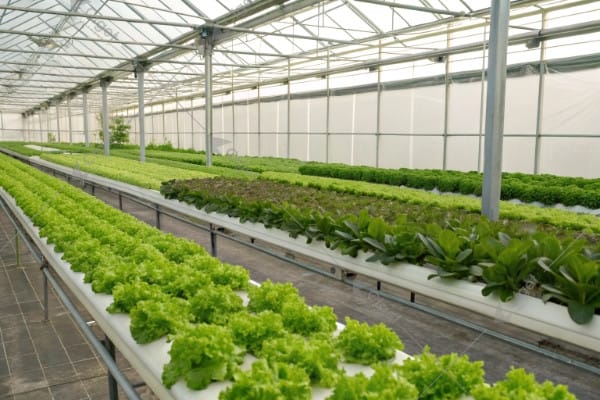
Optimizing Nutrition for Premium Markets
Leafy greens require consistent nitrogen availability to maintain rapid growth rates and deep green coloration that consumers expect. Fertigation systems can deliver small, frequent nitrogen applications that maintain optimal leaf color without the excessive growth that reduces shelf life.
Herb production benefits enormously from precise nutrition that enhances essential oil production and flavor intensity. Controlled nutrient stress through fertigation can increase oil concentrations by 20-40%, creating premium products that command higher prices in specialty markets.
Microgreen operations depend on fertigation for the rapid, uniform growth essential for consistent harvest timing. Traditional feeding methods create growth variations that complicate harvesting and reduce product uniformity. Fertigation eliminates these problems through precise nutrition control.
Specialty vegetables like baby vegetables and gourmet varieties require nutrition programs that support rapid development while maintaining tender textures and concentrated flavors. Fertigation enables the precise control needed for these demanding quality requirements.
Cut flower production uses fertigation to control stem length, flower size, and bloom timing for specific market windows. Precise nutrition management can time flowering to coincide with holiday markets or special events, maximizing revenue opportunities.
Quality Control Through Nutrition Management
Consistency becomes automatic when fertigation systems maintain steady nutrient availability throughout the growing cycle. Plants never experience the stress cycles that create quality variations between harvest batches or individual plants within crops.
Shelf life improvements result from balanced nutrition that strengthens plant cell walls and reduces susceptibility to post-harvest deterioration. Properly fertilized crops maintain quality longer, reducing losses and supporting premium market positioning.
Nutritional content optimization uses fertigation to enhance vitamin, mineral, and antioxidant levels in edible crops. Targeted nutrition programs can increase these health-promoting compounds, creating products that appeal to health-conscious consumers.
Color development in fruits and vegetables responds to specific nutrient ratios delivered through fertigation systems. Precise potassium and phosphorus management enhances red coloration in tomatoes and peppers while supporting sugar development in fruits.
Disease resistance improves with balanced nutrition that strengthens plant immune systems. Proper calcium and potassium levels reduce susceptibility to physiological disorders while supporting natural disease resistance mechanisms.
The 3 Pillars of a Successful Fertigation Strategy: Injectors, Controls, & Monitoring
Every successful fertigation system builds on three fundamental components that must work together seamlessly for optimal performance and reliability.
Precision injection equipment, intelligent control systems, and comprehensive monitoring create the foundation for profitable fertigation operations. Weakness in any pillar compromises the entire system’s effectiveness and return on investment.
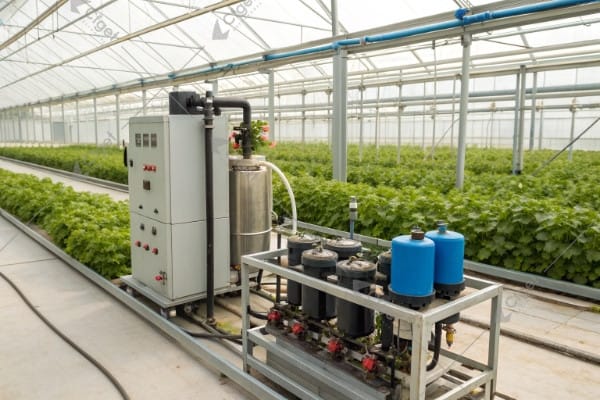
Pillar #1: Precision Injection Equipment
Dosing pump selection determines system accuracy and long-term reliability. Positive displacement pumps provide the most precise injection rates, maintaining accuracy within 1-2% even when system pressures fluctuate. These pumps handle concentrated fertilizer solutions without damage while providing consistent performance over years of operation.
Injection point design affects nutrient mixing and distribution throughout irrigation systems. Proper injection creates turbulent flow that ensures complete mixing before water reaches plants. Poor injection design creates concentration variations that stress some plants while under-feeding others.
Chemical compatibility requires injection equipment that resists corrosion from acidic fertilizers and cleaning solutions. Stainless steel and specialized plastics provide long service life while maintaining injection accuracy. Cheap materials fail quickly, creating expensive repairs and crop damage.
Calibration procedures ensure injection rates match intended application rates throughout the growing season. Quality systems include calibration protocols that verify accuracy monthly, preventing the drift that reduces system effectiveness over time.
Flow rate matching balances injection pump capacity with irrigation system flow rates. Oversized pumps waste energy while undersized pumps cannot maintain proper injection ratios during peak irrigation demand periods.
Pillar #2: Intelligent Control Systems
Automated control eliminates human error while providing 24/7 nutrition management that manual systems cannot match. Modern controllers adjust injection rates based on multiple inputs including soil moisture, plant growth stage, weather conditions, and nutrient levels.
Recipe management allows storage of different fertilizer programs for various crops, growth stages, and seasonal conditions. Operators can switch between programs instantly, ensuring optimal nutrition without manual calculations or mixing procedures.
Environmental integration coordinates fertigation with climate control systems to optimize nutrient uptake. Controllers can reduce feeding during cloudy periods when plants photosynthesize less, while increasing nutrition during high-growth conditions.
Safety interlocks prevent equipment damage and crop injury from system malfunctions. Quality controllers monitor injection rates, system pressures, and nutrient concentrations, shutting down operations when parameters exceed safe limits.
Data logging capabilities track system performance and crop responses over time, enabling continuous optimization of fertigation programs. This historical data helps identify trends and opportunities for improvement that manual systems cannot provide.
Pillar #3: Comprehensive Monitoring Systems
pH monitoring ensures optimal nutrient availability by maintaining root zone acidity within ideal ranges for each crop. Automated pH adjustment prevents the lockout conditions that waste fertilizers while supporting maximum nutrient uptake efficiency.
Electrical conductivity (EC) measurement provides real-time feedback on total dissolved nutrients in irrigation water. This monitoring prevents over-fertilization that damages plants while ensuring adequate nutrition levels throughout the growing cycle.
Flow monitoring verifies irrigation system performance while detecting leaks or blockages that compromise fertigation effectiveness. Accurate flow measurement enables precise calculation of nutrient application rates and total fertilizer usage.
Nutrient-specific monitoring using ion-selective electrodes can track individual nutrients like nitrate, potassium, and calcium in real-time. This advanced monitoring enables surgical nutrition management that optimizes each nutrient independently.
Alarm systems provide immediate notification when monitored parameters exceed acceptable ranges or when equipment malfunctions occur. Early warning prevents crop damage while minimizing system downtime and repair costs.
Remote monitoring capabilities allow system oversight from any location with internet access. This connectivity supports efficient operations management while providing peace of mind during critical growing periods.
Conclusion
Fertigation systems transform fertilizer from an operational expense into a precision tool that drives higher yields, better quality, and increased profitability through automated nutrient delivery.