Commercial greenhouse construction cost cannot be compared responsibly from one square-metre price. A useful budget separates the greenhouse structure from site work, climate systems, water and growing equipment, freight, installation, and commissioning. If two suppliers include different scopes, the lower number may simply be the less complete quote.
What is the real commercial greenhouse construction cost?
There is no defensible worldwide average for a commercial greenhouse without a defined scope. A film-covered growing shell in a mild climate and a glass greenhouse with heating, cooling, fertigation, screens, controls, and local installation are different projects, even when the floor area is identical.
For an early budget, use this equation:
Total installed project budget = greenhouse supply + site and civil work + local utilities + freight and import costs + installation + commissioning + contingency.
A supplier can usually narrow the greenhouse supply portion after receiving the location, crop, area, target season, preferred covering, climate-control requirement, and installation scope. Local contractors and authorities must confirm civil work, utility connections, permits, and code compliance.
What should a complete greenhouse budget contain?
Start with scope, not price. The following six cost groups make omissions easier to see.
| Cost group | Items to define | Common omission |
|---|---|---|
| 1. Site and civil work | Survey, grading, drainage, foundations, internal roads, equipment pads | Ground conditions and stormwater work are left to the buyer without an allowance |
| 2. Structure and covering | Frame, galvanizing, fasteners, gutters, doors, vents, film, polycarbonate, or glass | Wind and snow design basis is missing, so quotes are not structurally comparable |
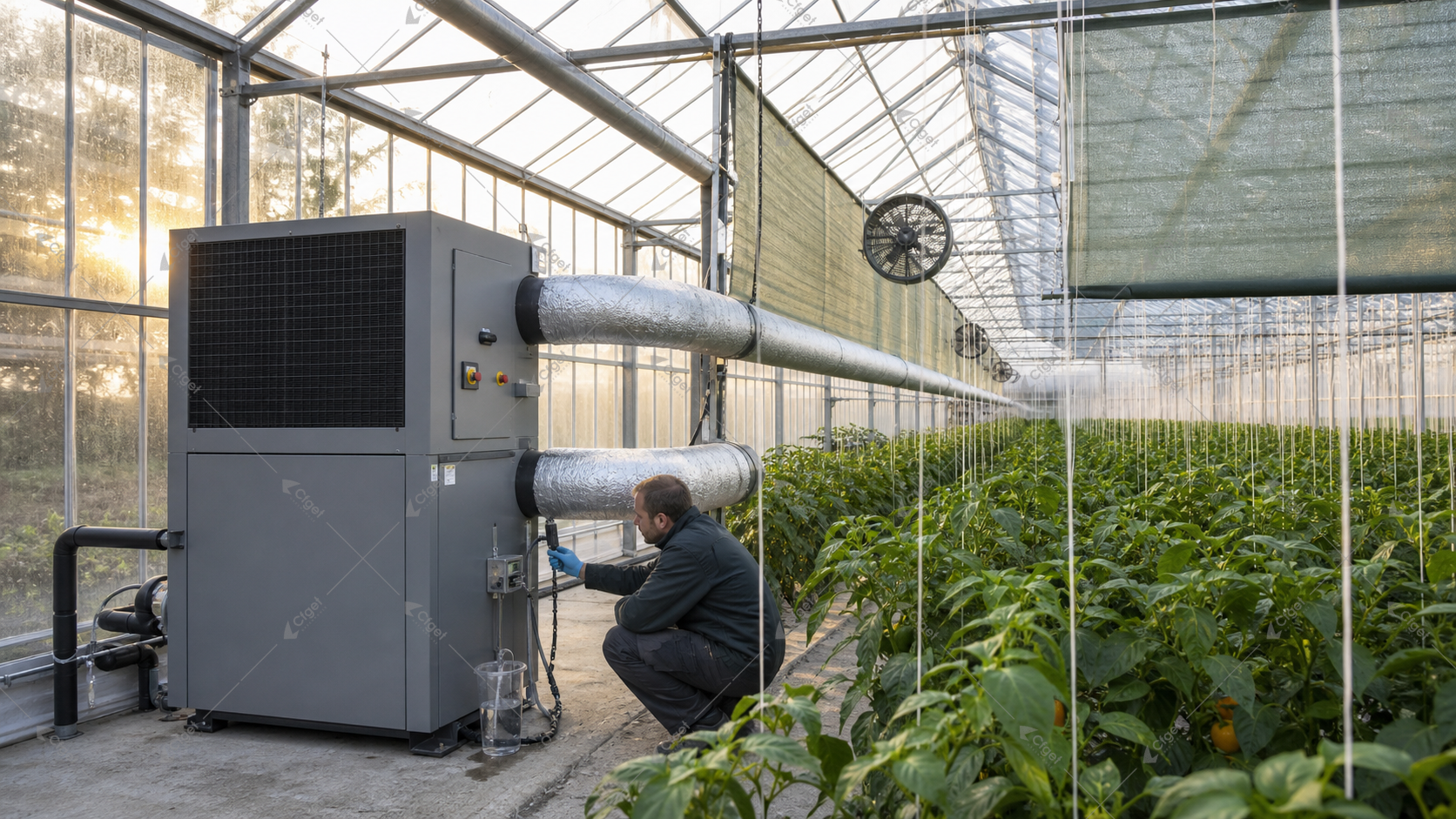
| 3. Climate systems | Natural ventilation, fans, pads, fogging, heating, thermal or shade screens, lighting | Equipment is listed without capacity, layout, controls, or installation materials |
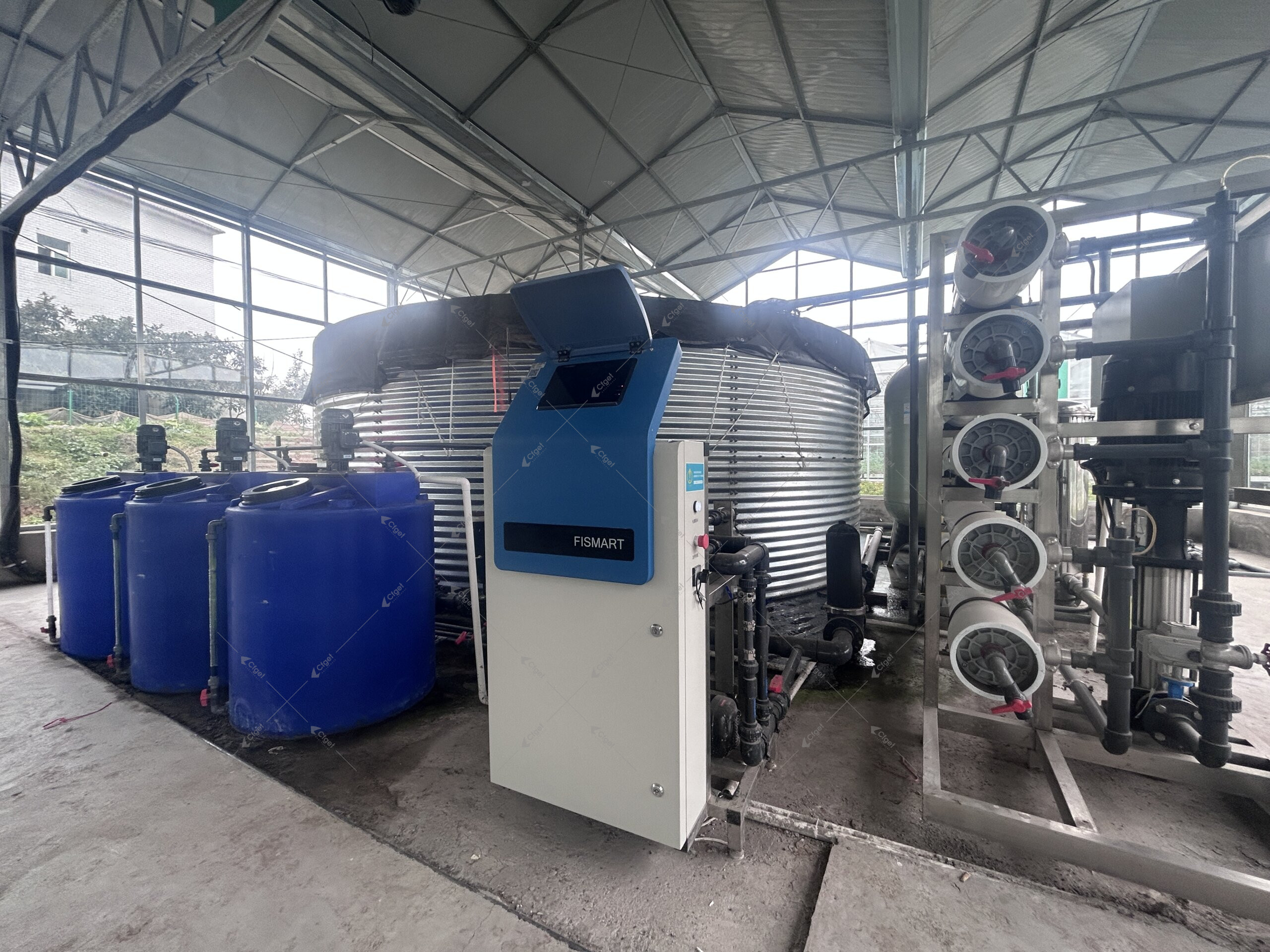
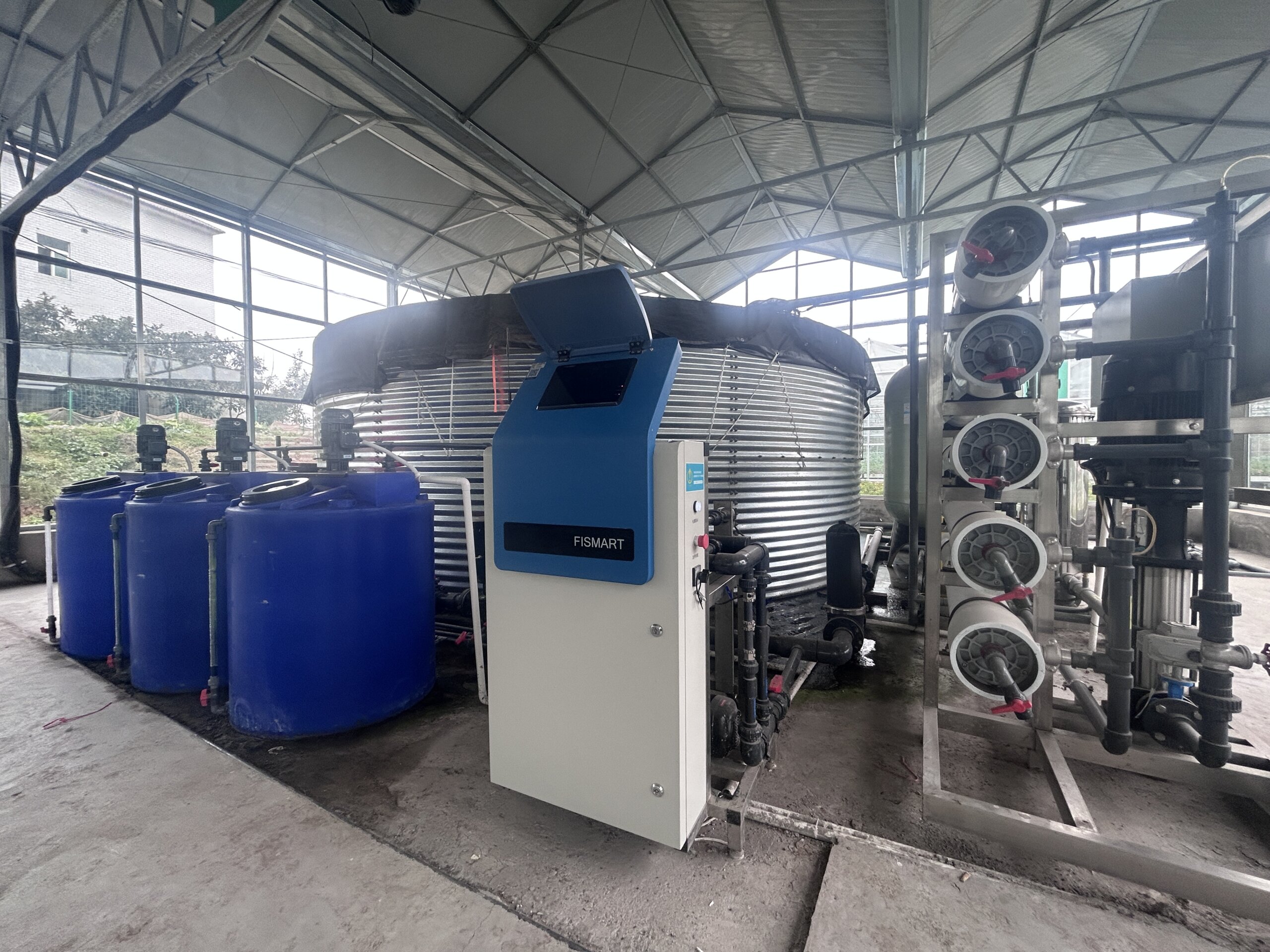
| 4. Water and crop systems | Water treatment, irrigation, fertigation, tanks, pumps, filtration, benches or gutters | The quote stops at the greenhouse shell even though the buyer expects a production-ready facility |
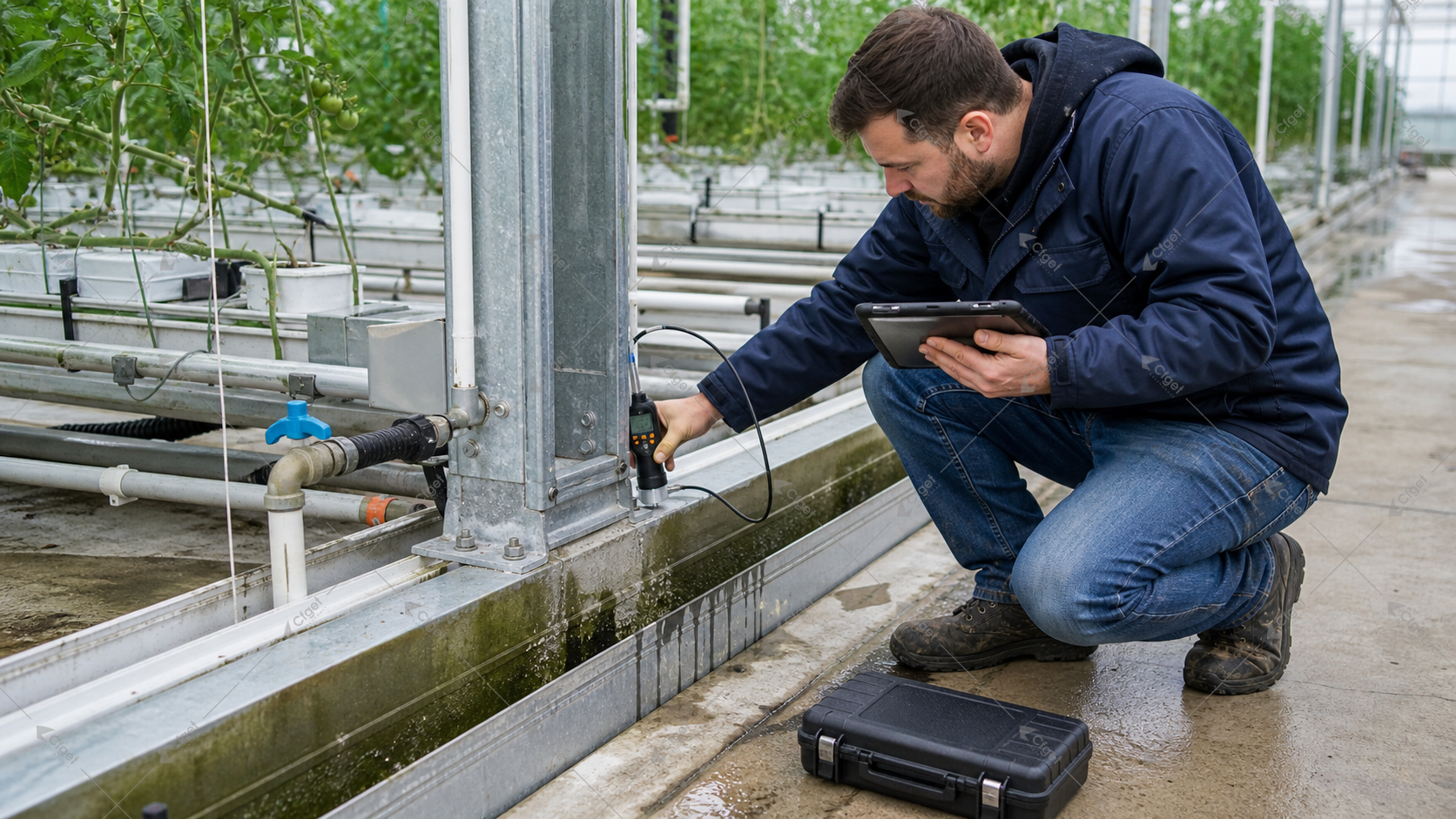
| 5. Electrical and controls | Power distribution, sensors, control panels, cabling, alarms, network connection | Local electrical work, transformers, backup power, or control integration is excluded |
| 6. Delivery and startup | Packing, inland freight, ocean freight, duty, installation, supervision, testing, training, spares | The equipment price is presented as if it were the installed project cost |
Which decisions change greenhouse construction cost most?
Climate and structural loads
Location changes the design before it changes the equipment list. Wind exposure, snow load, rainfall, humidity, temperature range, altitude, and corrosion risk can alter steel sections, foundations, ventilation area, covering, heating, cooling, and drainage. A quotation that does not state its design conditions is not ready for comparison.
Growing season and crop target
A protected seasonal crop may only need rain protection and natural ventilation. Year-round production can require tighter temperature, humidity, irrigation, lighting, and backup-control requirements. Define the crop and production window before deciding how much technology to buy.
Covering and service life
Film, polycarbonate, and glass affect more than the purchase price. They change structural weight, light behaviour, heat loss, replacement work, cleaning, repair, and the equipment needed to maintain the target climate. The right comparison is total ownership cost for the intended crop and climate, not covering price alone.
Automation level
Automation can reduce repetitive work and improve consistency, but it also adds sensors, actuators, cabling, controls, commissioning, spare parts, and training. Automate the processes that protect the crop or remove a real labour constraint. Buying every available control function is not automatically the best investment.
Local work and responsibility boundaries
Imported equipment may be only one part of the installed cost. Ask who is responsible for unloading, foundations, local materials, water and electricity connections, cranes, accommodation, permits, installation labour, testing, and post-startup support. Ambiguous responsibility is where many budget gaps begin.
How should a buyer compare greenhouse quotes?
Put every supplier into the same comparison sheet. Do not compare the total at the bottom until the technical basis and exclusions match.
| Comparison check | What a useful quote should show |
|---|---|
| Design basis | Project location, wind and snow assumptions, temperature range, crop, operating season, and applicable standards |
| Dimensions | Total area, span and bay dimensions, gutter and ridge height, zones, doors, service rooms, and expansion allowance |
| Material specification | Steel sizes and coating, aluminium profiles, covering type and thickness, fastener and seal details |
| System performance | Quantities, capacities, layout, control method, power and water demand, and operating assumptions |
| Commercial terms | Incoterm, currency, validity, packing, freight, taxes, duties, payment schedule, lead time, and warranty |
| Installation scope | Buyer and supplier responsibilities, supervision days, labour, tools, lifting equipment, testing, training, and acceptance |
| Exclusions | A clear list, not a vague statement that “local work is excluded” |
A low quotation can be valid if the project only needs a simple structure. It becomes risky when it appears to cover the same job but quietly excludes the systems and local work required to operate. Ask each supplier to mark every line as included, optional, by buyer, or not applicable.
What do real greenhouse projects show?
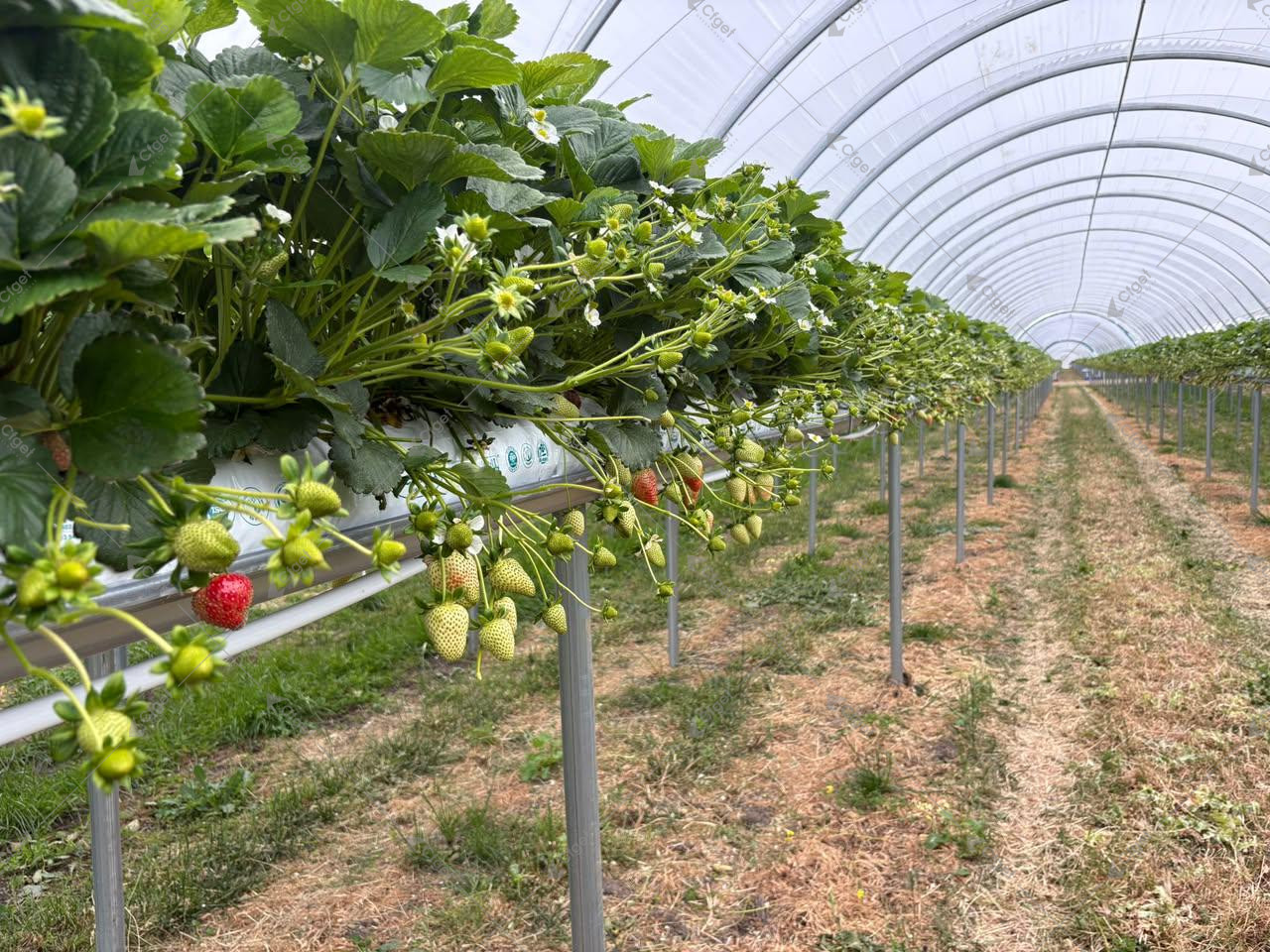
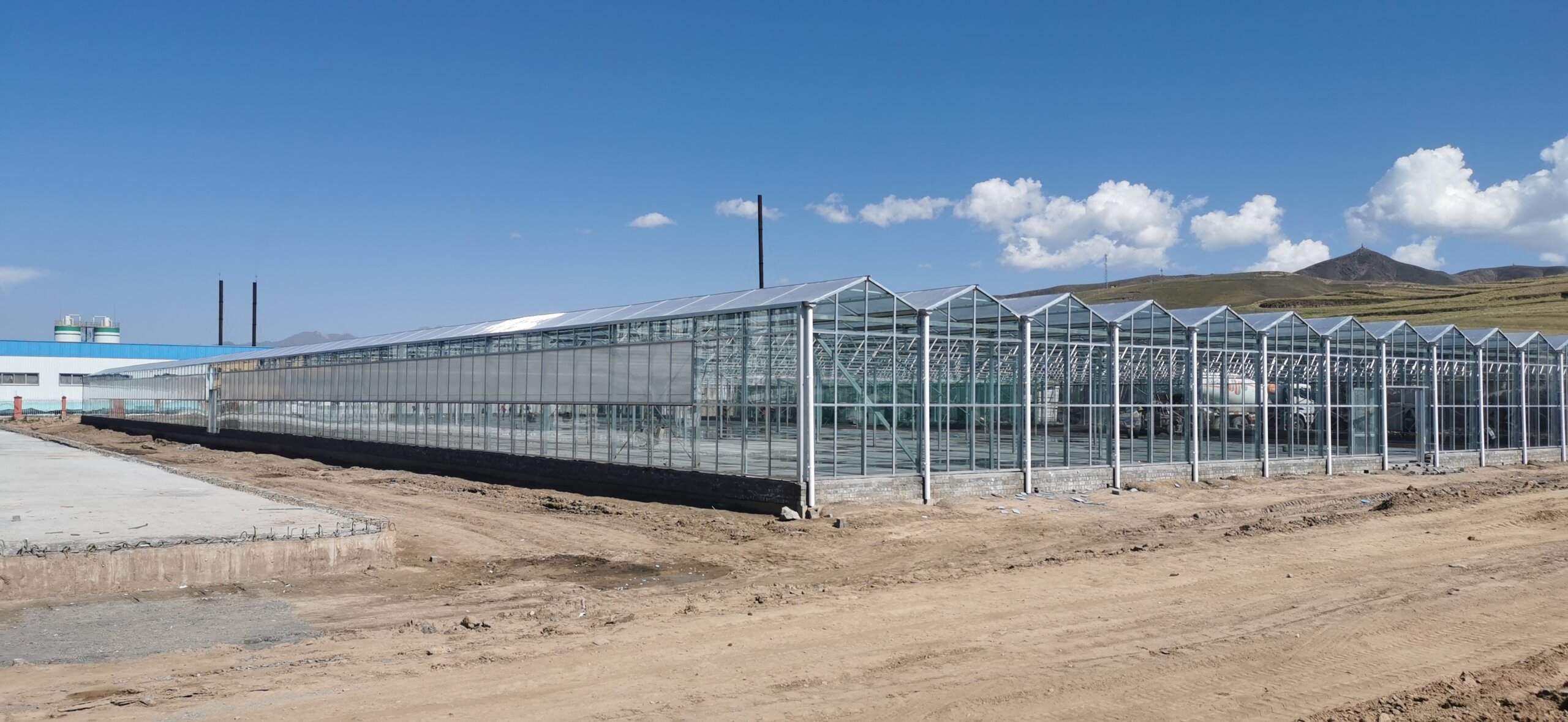
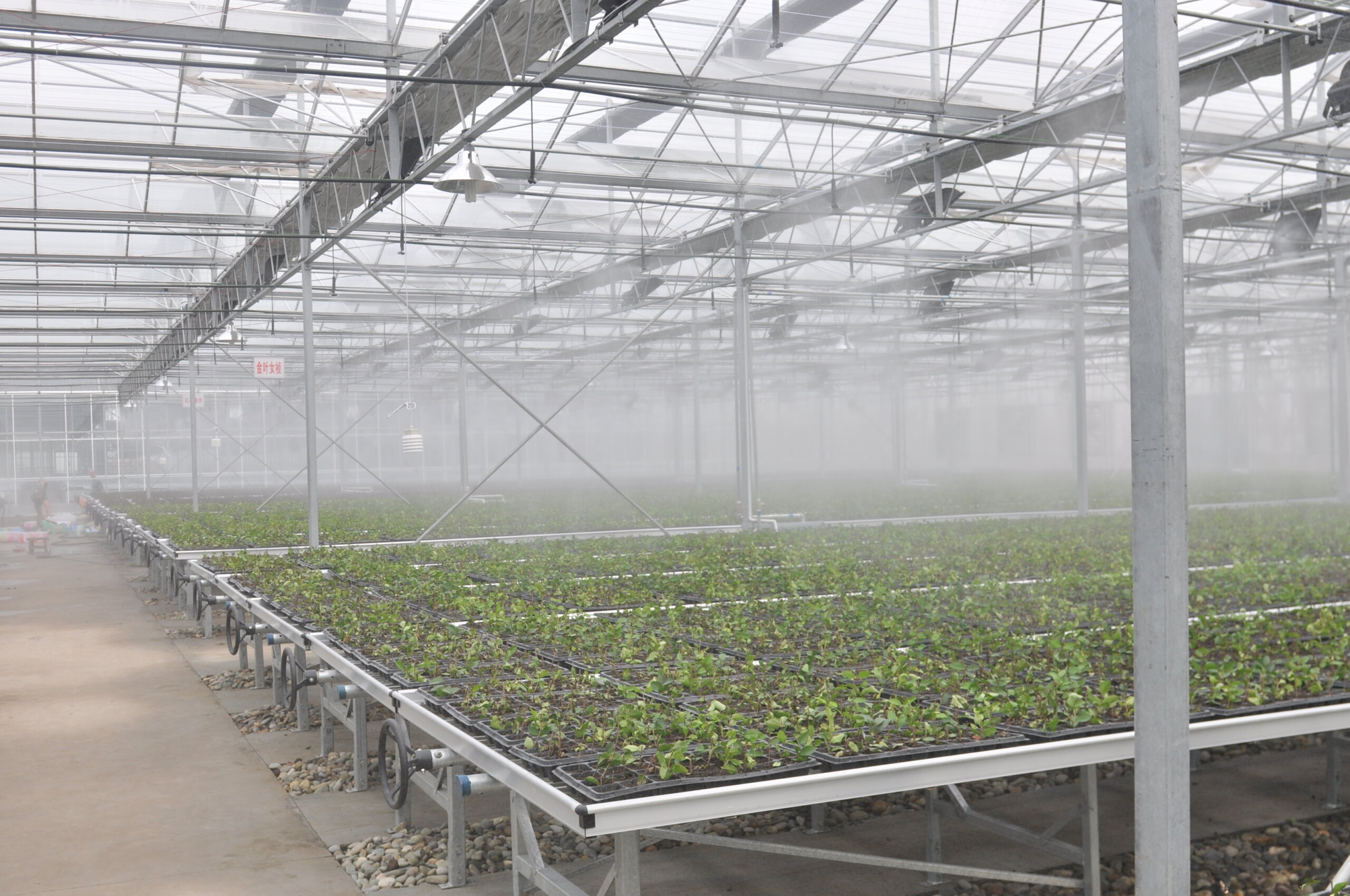
CFGET’s public greenhouse project library includes projects for different crops and climates, from vegetable production to propagation and research. The photos make one point clear: “a greenhouse” can describe very different structures, internal systems, and installation scopes. A useful estimate must begin with the project conditions, not with a universal price copied from another market.
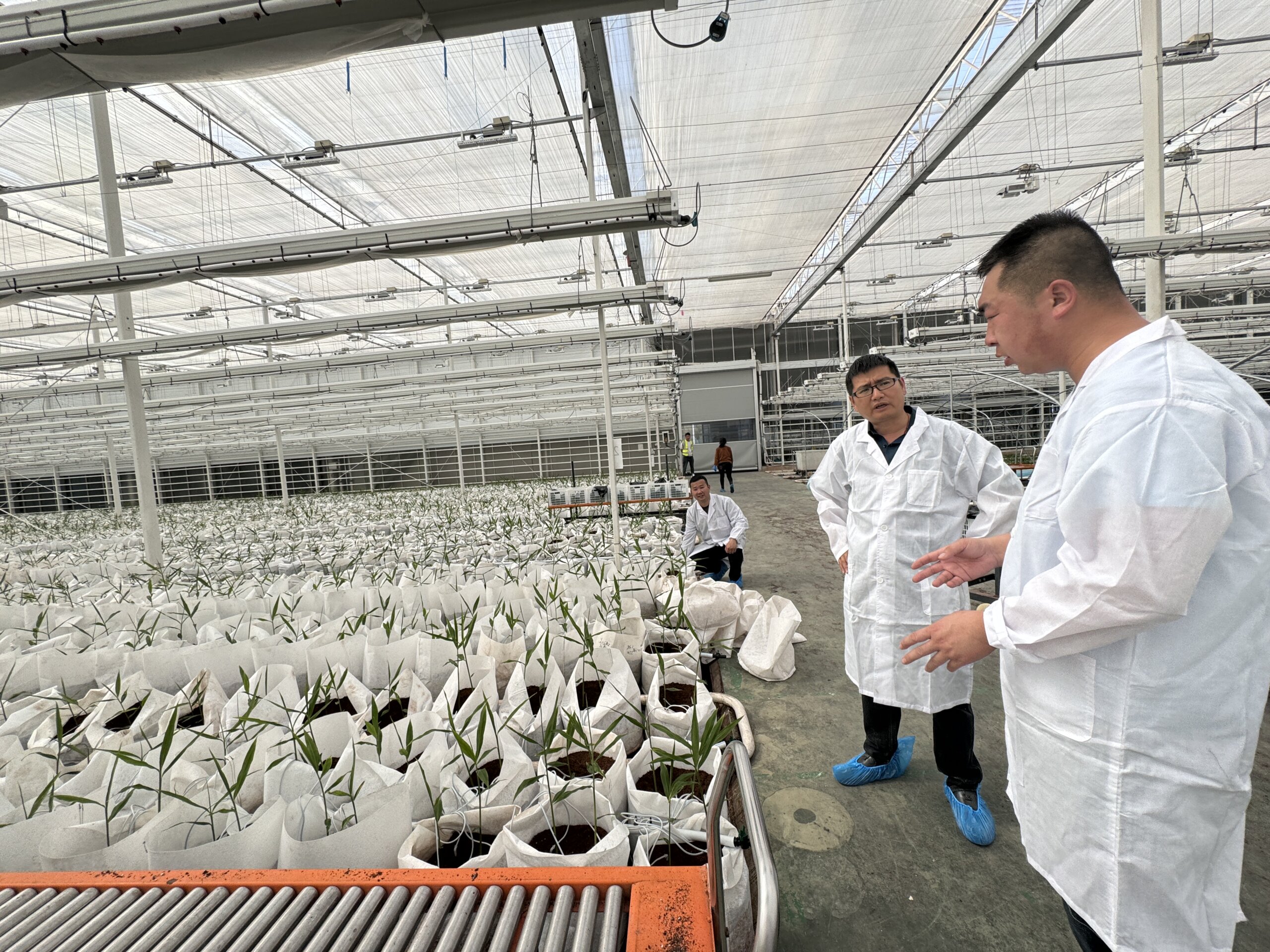
For example, the Colorado tomato and vegetable greenhouse project page shows an installed production environment, while other case pages show different structures and crops. Use case evidence to check whether a supplier has worked with a comparable scope; do not treat an undisclosed project price as a market average.
What information is needed for a useful greenhouse cost estimate?
Send the same brief to every supplier. These ten inputs are enough for a first technical discussion:
- Country, city, and exact project site if available.
- Crop and growing method.
- Required greenhouse area and whether expansion is planned.
- Production months and target indoor conditions.
- Local temperature, humidity, rainfall, wind, snow, and altitude data.
- Preferred covering, if already decided.
- Required cooling, heating, shading, lighting, irrigation, fertigation, and control systems.
- Available water quality, flow, electricity, fuel, and drainage.
- Expected delivery term and installation responsibility.
- Budget boundary and target startup date.
If several items are unknown, that is normal. Mark them as open decisions instead of filling the gaps with assumptions. CFGET’s commercial greenhouse overview and system solutions can help define the scope before an RFQ is issued.
Frequently asked questions
Why do commercial greenhouse prices per square metre vary so much?
The denominator may be the same, but the numerator is not. Quotes can include different structural loads, coverings, climate systems, crop equipment, freight, installation, and local work. Compare scope before comparing the rate.
Is a greenhouse kit price the same as construction cost?
No. A kit or equipment price may exclude foundations, utilities, delivery, duty, installation, commissioning, and crop systems. Ask for the delivery term and responsibility list.
Should I choose the lowest greenhouse quotation?
Choose the lowest quotation only after confirming that the design basis, material specification, system capacities, delivery terms, installation scope, warranty, and exclusions are genuinely comparable.
Can a supplier estimate cost without the crop and location?
Only as a very rough range. Crop, climate, structural loads, growing season, water, energy, and local installation conditions can change both the structure and the systems.