Winter temperatures destroy valuable crops and force production shutdowns. Cold weather limits growing seasons while heating costs consume profits. Smart heating systems transform winter challenges into year-round opportunities.
Greenhouse heating systems enable profitable winter production by maintaining optimal growing temperatures of 18-24°C. Proper heating extends growing seasons by 4-6 months while generating additional revenue streams during peak market periods.
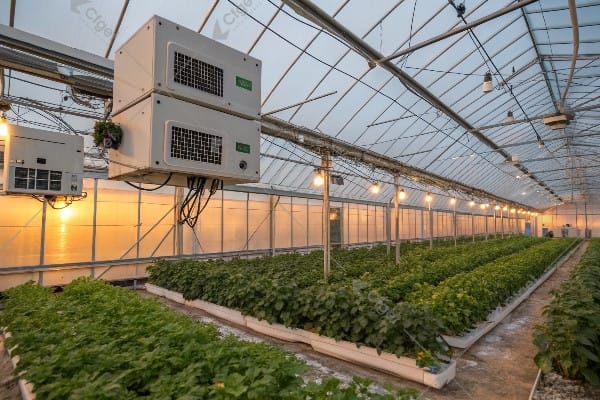
After installing heating systems across northern Europe, Canada, and high-altitude regions for 29 years, I have learned that winter heating separates successful operations from seasonal businesses. The difference lies in understanding heating as an investment rather than an expense.
Gas, Electric, or Hot Water? Choosing the Most Efficient System for Your Climate?
Fuel selection determines operating costs and system reliability. Each heating method offers distinct advantages for different climates and applications. The wrong choice creates unnecessary expenses while the right system maximizes profitability.
Natural gas heating provides the lowest operating costs at $0.03-0.05 per kWh equivalent, while electric systems offer precise control at $0.08-0.15 per kWh. Hot water systems deliver uniform heat distribution with 85-90% efficiency ratings.
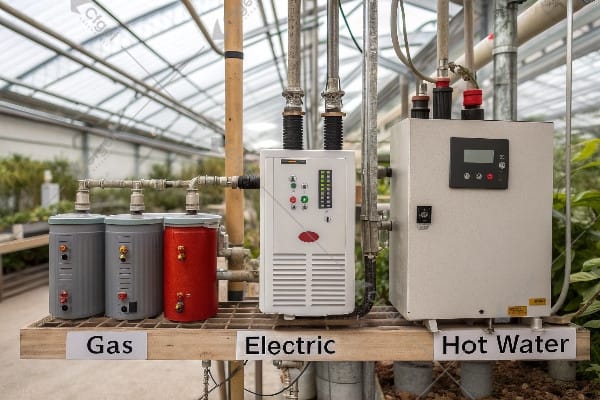
Natural gas heating dominates commercial greenhouse operations due to superior economics and reliability. Gas-fired unit heaters provide rapid temperature response and lower fuel costs in most regions. Modern condensing boilers achieve 90-95% efficiency while producing clean combustion that benefits plant growth through CO2 enrichment.
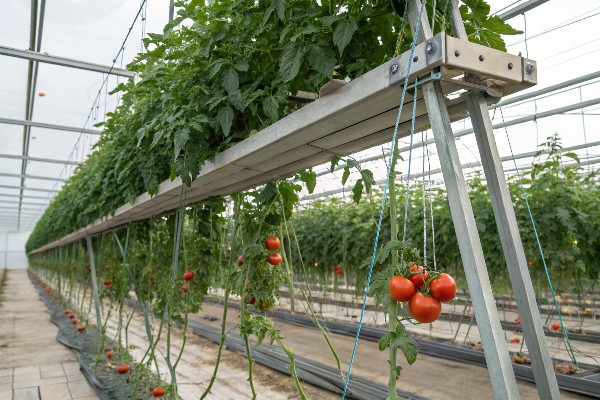
I installed a gas heating system for a tomato producer in Ontario facing brutal Canadian winters. Outdoor temperatures dropped to -25°C while the greenhouse maintained perfect 22°C growing conditions. The gas system consumed 40% less energy than the previous electric heating while providing better temperature uniformity. Annual heating costs decreased from $85,000 to $51,000, creating immediate profit improvements.
Electric heating offers advantages in specific situations despite higher operating costs. Areas without natural gas infrastructure require electric solutions. Precise zone control makes electric heating ideal for research facilities and specialty crop production. Heat pumps can reduce electric heating costs by 50-60% in moderate climates with temperatures above -5°C.
Hot water heating systems excel in large facilities requiring uniform temperature distribution. Boiler-generated hot water circulates through pipe networks or floor heating systems. This approach eliminates hot spots and provides gentle, consistent warming throughout the growing space. Installation costs run higher than gas or electric systems, but operating efficiency and crop quality improvements justify the investment.
| Heating System | Initial Cost | Operating Cost | Efficiency | Best Application |
|---|---|---|---|---|
| Natural Gas | Moderate | Lowest | 90-95% | Commercial production |
| Electric Resistance | Low | Highest | 100% | Small greenhouses |
| Heat Pump | High | Moderate | 200-300% | Mild winter climates |
| Hot Water | Highest | Low-Moderate | 85-90% | Large uniform heating |
Climate conditions influence system selection significantly. Regions with mild winters benefit from heat pump technology that extracts heat from outside air even at low temperatures. Extreme cold climates require gas or electric resistance heating for reliable operation. Moderate climates allow flexibility in system choice based on fuel availability and costs.
Fuel availability and pricing vary dramatically by location. Rural areas may lack natural gas service, making propane or electric heating the only options. Urban locations typically offer multiple fuel choices with competitive pricing. Long-term fuel price trends should influence system selection since heating systems operate for 15-20 years.
System reliability becomes critical during extreme weather events when heating failure means total crop loss. Gas systems require backup power for circulation fans and controls. Electric systems need generator backup during power outages. Redundant heating capacity prevents catastrophic losses during equipment failures or extreme cold snaps.
The carbon dioxide production from gas combustion provides an additional benefit for plant growth. Properly vented gas heaters enrich greenhouse air with CO2 that accelerates photosynthesis and increases yields. This secondary benefit can improve crop production by 15-25% during winter months when natural CO2 levels drop.
A Pro’s Guide to Sizing Your Heater (A Greenhouse BTU Calculation Guide)?
Accurate heat load calculations determine proper equipment sizing and operating costs. Undersized systems cannot maintain target temperatures while oversized equipment wastes energy and money. Professional calculations ensure optimal performance and efficiency.
Greenhouse heating requirements typically range from 100-200 watts per square meter depending on climate conditions, insulation levels, and target temperatures. Proper calculations account for heat loss through walls, roof, floor, and air infiltration.

Heat loss calculations begin with determining the temperature differential between inside and outside conditions. Most greenhouse crops require 18-24°C growing temperatures. Design calculations use the lowest expected outdoor temperature for your location. A greenhouse in Minnesota targeting 20°C indoor temperature with -30°C design outdoor temperature faces a 50°C temperature differential.
Surface heat loss represents the largest component of total heating requirements. Each square meter of greenhouse surface loses heat based on the U-value of the covering material and temperature differential. Single-layer glass has a U-value of 6.0 W/m²·K, while double-layer polycarbonate reduces this to 3.5 W/m²·K. Insulated walls and energy curtains can further reduce heat loss by 40-60%.
Air infiltration creates additional heating loads that many calculations overlook. Cold outside air entering through cracks, vents, and door openings requires heating to target temperature. Tight construction reduces infiltration rates, but completely sealed greenhouses need controlled ventilation for plant health. We typically calculate 0.5-1.0 air changes per hour for infiltration losses.
Ground heat loss varies significantly based on floor construction and insulation. Concrete floors on grade lose substantial heat to the ground, especially around the perimeter. Insulated foundations and heated floors can reduce ground losses by 70-80%. Raised bench growing systems minimize ground contact and reduce heating requirements.
| Heat Loss Component | Typical Range | Calculation Method | Reduction Strategies |
|---|---|---|---|
| Wall/Roof Surface | 60-70% of total | U-value × Area × ΔT | Insulation, double glazing |
| Air Infiltration | 20-25% of total | ACH × Volume × ΔT | Tight construction, sealing |
| Ground Loss | 10-15% of total | Perimeter × U-value × ΔT | Foundation insulation |
| Equipment/Piping | 5% of total | Estimated losses | Insulation, efficient design |
A practical example demonstrates the calculation process. Consider a 1,000 square meter greenhouse in Germany with 20°C target temperature and -15°C design outdoor temperature. The structure uses double-wall polycarbonate covering with U-value of 3.5 W/m²·K. Surface area totals 1,800 square meters including walls and roof.
Surface heat loss equals 1,800 m² × 3.5 W/m²·K × 35°K = 220,500 watts. Air infiltration at 0.75 air changes per hour requires an additional 45,000 watts. Ground losses add 25,000 watts. Total heating requirement reaches 290,500 watts or approximately 291 kW.
Safety factors account for equipment degradation, extreme weather conditions, and system inefficiencies. We typically apply a 15-20% safety factor to calculated loads. This greenhouse would require 335-350 kW of heating capacity to ensure reliable temperature maintenance during the coldest conditions.
Zoned heating systems allow different temperature settings for various crops or growth stages. Propagation areas may require 25-28°C while mature plants thrive at 18-20°C. Multiple heating zones reduce overall energy consumption by avoiding overheating of areas with lower temperature requirements.
Heat recovery systems capture waste heat from ventilation air and lighting systems. Heat exchangers can recover 60-80% of ventilation heat losses during winter operation. LED lighting produces significant heat that can supplement space heating requirements. These recovery systems reduce calculated heating loads and improve overall energy efficiency.
Beyond Survival: Calculating the True ROI of a Greenhouse Heating Investment?
Heating systems require substantial initial investment and ongoing operating costs. The financial justification extends beyond just keeping plants alive. Smart operators calculate the complete economic impact including extended seasons, premium pricing, and increased yields.
Greenhouse heating investments typically generate 150-300% ROI through extended growing seasons, premium winter pricing, and year-round facility utilization. Average payback periods range from 2-4 years depending on crop values and local energy costs.
The economic analysis begins with understanding seasonal price variations for your target crops. Winter vegetables command premium prices due to limited local production and import costs. Tomatoes selling for $2.50 per kilogram in summer often reach $4.00-5.00 per kilogram during winter months. This price differential drives the economic justification for heating investments.
Extended growing seasons multiply facility productivity and revenue potential. An unheated greenhouse in northern climates operates 6-7 months annually. Proper heating extends this to 10-12 months of productive operation. The additional 4-6 months of production can double annual revenue while heating costs typically represent only 15-25% of total operating expenses.
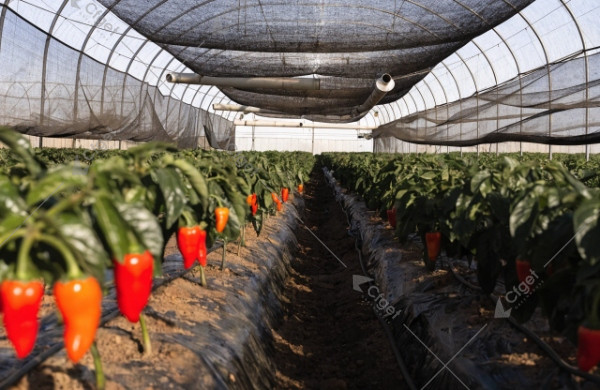
I analyzed the economics for a pepper producer in Poland considering heating system installation. The 3,000 square meter facility generated €180,000 annual revenue during the 7-month unheated season. Market analysis showed winter pepper prices averaging 80% higher than summer levels due to import competition.
The heating system cost €95,000 including boiler, distribution piping, and controls. Annual heating costs projected to €28,000 based on local natural gas prices. However, winter production generated an additional €240,000 in revenue at premium pricing levels. Net additional profit after heating costs reached €212,000 annually.
| Financial Metric | Without Heating | With Heating | Improvement | ROI Impact |
|---|---|---|---|---|
| Operating Season | 7 months | 11 months | +57% | Revenue increase |
| Annual Revenue | €180,000 | €420,000 | +133% | Major improvement |
| Heating Costs | €0 | €28,000 | New expense | Operating cost |
| Net Profit | €54,000 | €266,000 | +393% | Excellent ROI |
Premium crop quality during winter months commands even higher prices than standard winter premiums. Heated greenhouses maintain optimal growing conditions that produce superior size, color, and flavor characteristics. These quality improvements often justify 20-30% price premiums above standard winter pricing.
Labor efficiency improves significantly with year-round production schedules. Skilled greenhouse workers remain employed throughout the year instead of seeking seasonal employment elsewhere. This continuity reduces training costs and maintains institutional knowledge that improves overall operational efficiency.
Equipment utilization rates increase dramatically with extended operating seasons. Expensive infrastructure including irrigation systems, climate controls, and structural investments generate returns over 11-12 months instead of 6-7 months. This improved utilization reduces the effective cost of all greenhouse systems and infrastructure.
Market positioning advantages emerge from reliable year-round supply capability. Customers value consistent availability and often pay premiums for guaranteed supply relationships. Local restaurants and specialty retailers particularly appreciate local winter production that reduces their dependence on long-distance imports.
The heating investment also provides risk management benefits that are difficult to quantify but extremely valuable. Backup heating prevents catastrophic crop losses during unexpected cold snaps. Insurance costs may decrease due to reduced weather-related risks. Crop financing becomes easier with year-round production capability.
The 4 Biggest Mistakes to Avoid in Your Winter Greenhouse Strategy?
Winter heating mistakes cost money and compromise crop quality. These errors occur frequently in both new installations and existing facilities. Understanding common problems prevents expensive failures and ensures profitable winter operations.
The four most critical winter heating mistakes are undersized systems, poor heat distribution, inadequate insulation, and ignoring backup heating. These errors reduce heating efficiency by 30-50% and increase crop loss risks during extreme weather.
Undersized heating systems represent the most dangerous and expensive mistake. Many operators underestimate heating requirements to reduce initial costs without understanding the consequences. Inadequate heating capacity cannot maintain target temperatures during extreme weather, resulting in stressed plants, reduced yields, and potential crop losses.
The economic impact extends beyond immediate crop damage. Stressed plants become more susceptible to diseases and pests that can spread throughout the facility. Recovery time after cold damage delays production schedules and disrupts marketing plans. Customer relationships suffer when supply commitments cannot be met due to weather-related production problems.
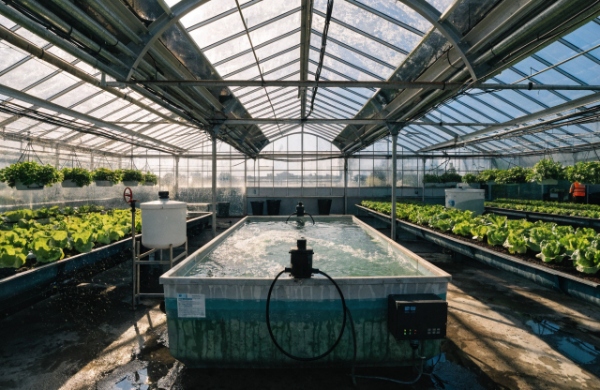
I witnessed this mistake at a lettuce operation in Michigan where the owner installed heating capacity 40% below calculated requirements. The system maintained adequate temperatures during moderate cold but failed during a severe cold snap with -28°C outdoor temperatures. Interior temperatures dropped to 8°C overnight, causing extensive crop damage and €45,000 in losses.
Poor heat distribution creates uneven temperatures that stress plants and waste energy. Common distribution problems include inadequate air circulation, blocked heating vents, and improper equipment placement. Hot spots near heaters can damage plants while cold zones reduce growth rates and quality.
| Common Mistake | Immediate Impact | Long-term Consequences | Prevention Strategy |
|---|---|---|---|
| Undersized heating | Temperature swings | Crop losses, stress | Proper load calculations |
| Poor distribution | Uneven temperatures | Reduced yields | Professional design |
| Inadequate insulation | High energy costs | Reduced profitability | Energy audit, upgrades |
| No backup heating | System failure risk | Catastrophic losses | Redundant capacity |
Inadequate insulation forces heating systems to work harder while increasing operating costs unnecessarily. Single-glazed greenhouses lose 60-70% more heat than properly insulated structures. Energy curtains, double glazing, and foundation insulation can reduce heating costs by 40-60% while improving temperature control.
The insulation mistake often results from focusing on initial construction costs rather than lifetime operating expenses. Proper insulation adds 10-15% to construction costs but reduces heating expenses by thousands of dollars annually. The payback period for insulation improvements typically ranges from 2-4 years.
Ignoring backup heating creates catastrophic risk during equipment failures or extreme weather events. Primary heating systems can fail due to power outages, fuel supply interruptions, or mechanical problems. Without backup capacity, total crop loss becomes inevitable during winter heating emergencies.
Backup heating does not require full system duplication. Portable heaters, secondary fuel sources, or reduced-capacity permanent systems can provide emergency protection. The key is having immediate access to alternative heating when primary systems fail during critical periods.
Control system mistakes compound all other heating problems. Improperly calibrated thermostats cause temperature swings that stress plants and waste energy. Inadequate zone control heats unused areas unnecessarily. Poor sensor placement creates false readings that trigger incorrect heating responses.
Professional commissioning ensures control systems operate correctly and optimize heating performance. Proper sensor placement, calibration procedures, and programming prevent control-related problems that reduce system efficiency and crop quality.
Maintenance neglect allows small problems to become major failures during peak heating season. Dirty heat exchangers reduce efficiency by 15-25%. Clogged burners create unsafe operating conditions. Failed circulation fans eliminate heat distribution. Regular maintenance prevents these problems and ensures reliable winter operation.
Conclusion
Greenhouse heating systems transform winter challenges into profitable opportunities through extended growing seasons and premium pricing. Proper system selection, sizing, and installation ensure reliable operation and excellent return on investment.