Greenhouse installation for hot climates should be evaluated by drawings, material specifications, climate fit, installation support, after sales process, and quote transparency before price is compared.
*By Coraline Liao, CEO, CFGET | Updated: July 14, 2026*
*Reviewed by CFGET Project Planning Team*
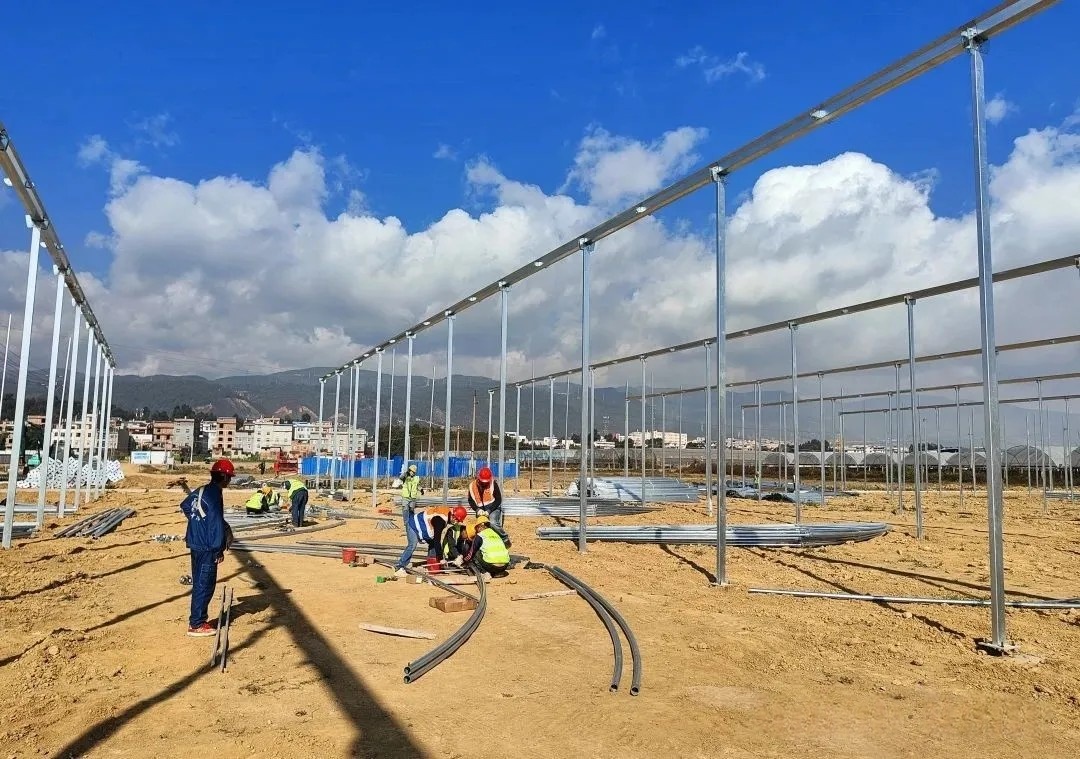
When I review greenhouse installation for hot climates, I start with the site and the crop before looking at product names. The site, crop, structure, covering, systems, installation scope, and operator skill all change the recommendation.
Use this with our Commercial Greenhouse Buying Guide topic cluster. For a full project, keep it beside Commercial Greenhouse Solutions so the structure, systems, and crop plan do not drift apart.
Quick answer
- Greenhouse installation for hot climates should be treated as a project decision, not a product name.
- The buyer should define climate, crop, area, systems, budget, timeline, local labor, and maintenance ability before comparing suppliers.
- A useful answer should explain what fits, what does not fit, and which assumptions still need local engineering review.
- The best next step is a compact RFQ with enough project detail for a supplier to respond responsibly.
Key facts worth checking
| Question | Answer to make visible |
| What changes the recommendation? | Greenhouse installation for hot climates depends on climate, crop, site services, budget, installation, and maintenance ability. |
| What should the buyer send? | Location, crop, area, target season, climate issue, required systems, timeline, and installation scope. |
| What should the supplier prove? | The system layout, equipment scope, assumptions, limitations, spare parts, and support process. |
How I would make this decision on a real project
On a real project, I first ask what the greenhouse has to survive and what the crop has to earn. That keeps the decision away from catalog language.
Then I test the recommendation against the same project checklist: climate, crop, structure, systems, budget, installation, and maintenance.
Before ordering, a buyer should still confirm local wind load, snow load, permit rules, energy price, water quality, and crop economics. This can narrow the decision, but the final design still needs project engineering.
Field notes to check before the quote
- If daytime peaks are above 38 C, I check pad-fan area, shade percentage, air leakage, water quality, and power cost before accepting the cooling layout.
- A cooling quote that lists fans and pads but not air volume, pad area, control logic, and maintenance access is still too thin for a real project decision.
- I would size ventilation, shade, irrigation, and cooling together because changing one layer often changes the others.
Buyer checkpoint
| Buyer question | What to decide before requesting a price | Why it protects the project |
| Project job | What greenhouse installation for hot climates must do for the crop, climate, and season. | Keeps the quote tied to the job the greenhouse has to do. |
| Risk boundary | Wind, snow, heat, water, energy, installation labor, and local rules. | Shows which assumptions need engineering review. |
| Supplier answer | Drawings, material specs, system scope, packing details, and responsibility boundary. | Turns a vague price request into a quote that can be checked. |
Evidence pack
Greenhouse installation for hot climates needs project evidence before product names or a single price mean much.
| Project input | What to verify | Why it matters |
| Climate data | Monthly temperature, wind, snow, humidity, radiation, and extreme events. | The greenhouse has to fit the site, not just the catalog. |
| Crop plan | Crop, growing method, row spacing, target season, and labor skill. | Crop requirements change height, ventilation, irrigation, and control needs. |
| Supplier scope | Drawings, bill of materials, packing list, installation support, and after sales process. | Clear scope reduces hidden cost and wrong expectations. |
Climate and project assumptions to confirm
- Use local wind and snow load assumptions before confirming structure.
- Check the hottest and coldest operating months, the annual average alone.
- Confirm water quality and power availability before selecting irrigation or climate equipment.
Suitable when
- The crop, climate, structure, systems, and budget are defined together.
- The supplier can provide drawings, specifications, and a clear responsibility boundary.
- The buyer has a realistic plan for installation, operation, and maintenance.
Not suitable when
- The design is copied from another country without local climate review.
- The quote lists only product names and total price.
- Yield, payback, or lifespan is promised without assumptions.
Neutral source to keep beside the quote
CFGET project planning note
If daytime peaks are above 38 C, I would check pad-fan area, shade percentage, water quality, power cost, and air leakage before accepting a cooling-system quote.
Buyer risk signal
Risk signal: the quote lists fans and pads but does not show air-exchange assumptions, pad area, shade rate, water quality, or power cost.
Ask the supplier for these exact specs
| Spec to request | Why it matters |
| Pad area, fan air volume, shade percentage, and target inside temperature | These decide whether the cooling plan can work in peak heat. |
| Water quality requirement and pad maintenance plan | Poor water quality can reduce pad performance and raise maintenance cost. |
| Power load and control logic | Cooling cost and reliability depend on electrical capacity and automation settings. |
CFGET video: greenhouse climate control in practice
This CFGET video shows a greenhouse climate system in use, which helps buyers check whether the quoted equipment matches the site conditions.
Do greenhouses work in hot climates?
Many buyers compare greenhouse options before they define the job the structure has to do. That can make two quotes look similar when the scope is not similar at all.
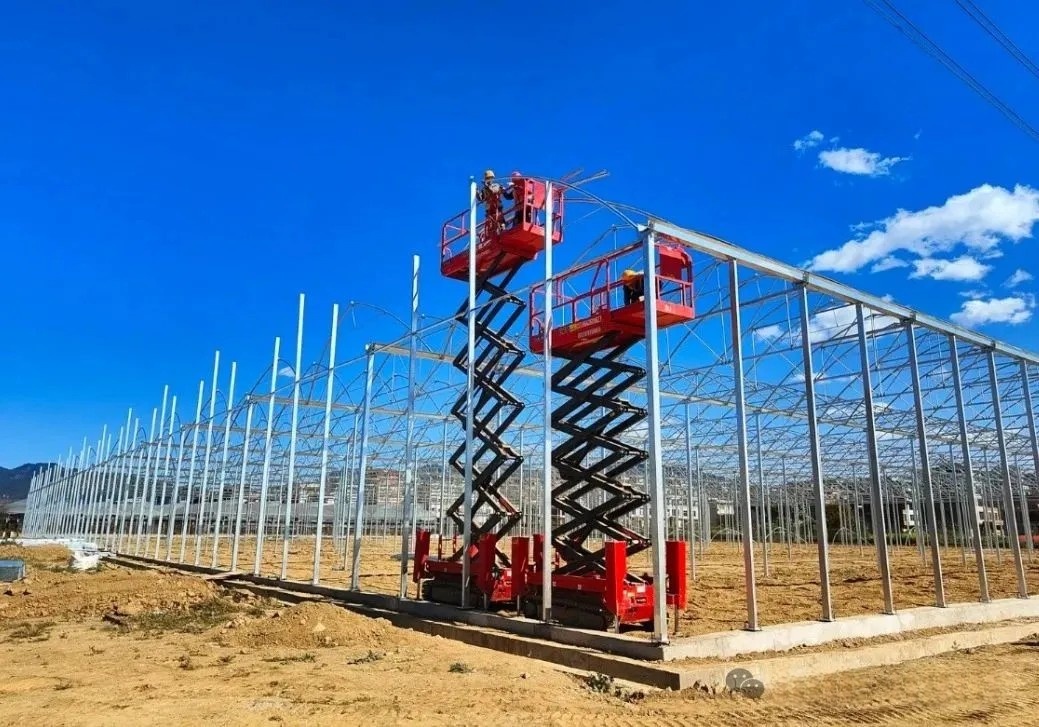
Start with the climate, crop, size, and operating target before selecting the structure or equipment package.
| Decision area | Why it matters | Evidence to request |
| Climate | Temperature, wind, snow, and humidity define the structure and systems. | Local climate data and load assumptions. |
| Crop | Tomato, lettuce, flowers, and berries need different layouts and controls. | Crop plan, row spacing, and production target. |
| Supplier scope | A low quote may exclude installation, controls, or spare parts. | Detailed bill of materials and delivery scope. |
How I would evaluate it
I would first check the project location, crop value, target planting season, local wind and snow expectations, available water and power, and whether the buyer needs a simple structure or a controlled production system. These details decide whether a film tunnel, polycarbonate house, glass house, fan-pad system, natural ventilation, drip irrigation, or climate computer is appropriate.
Which supplier signals reduce project risk?
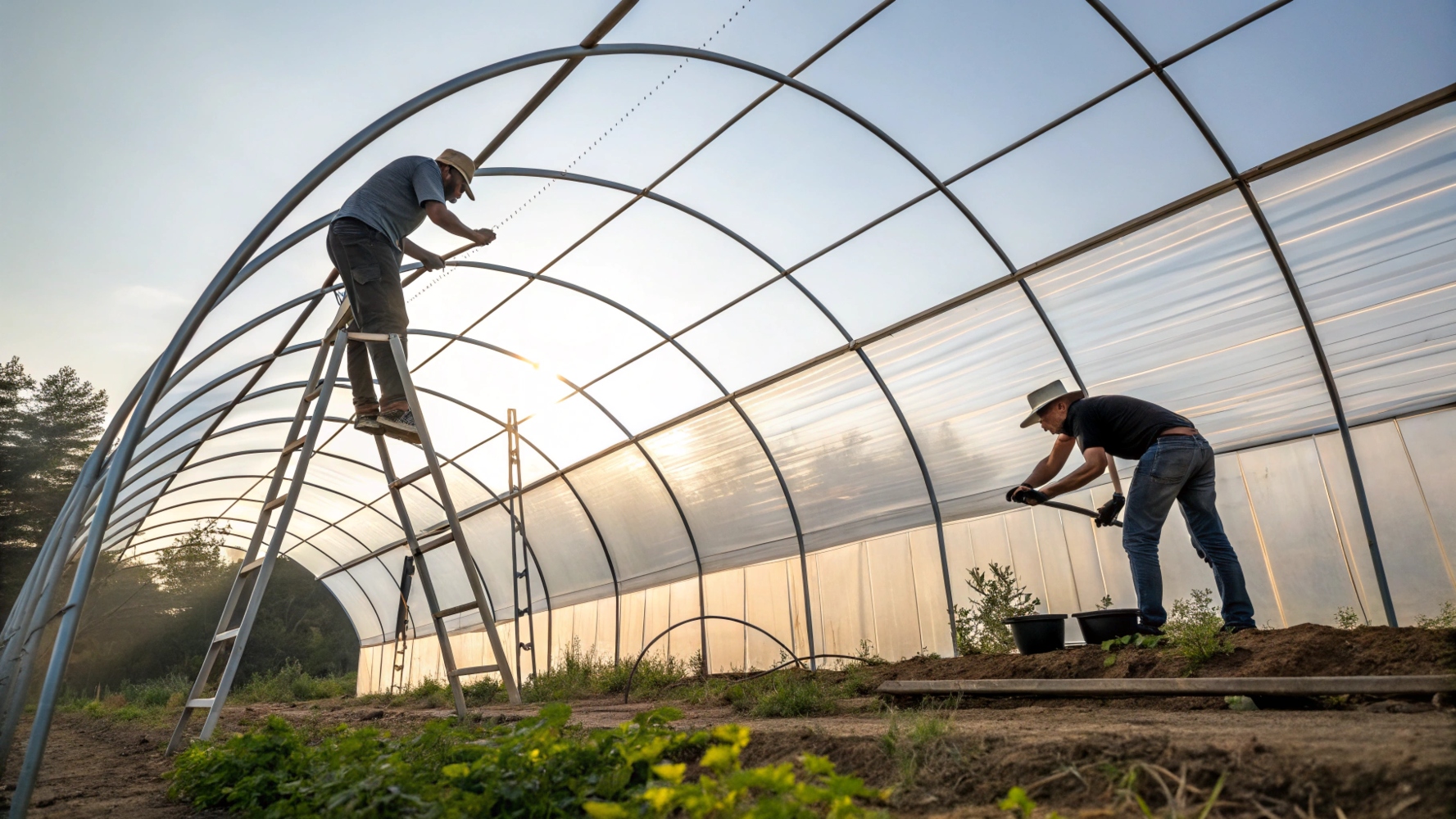
A greenhouse can fail commercially even when the frame is strong if the operating system does not match the crop or climate.
Compare each option by crop performance, maintenance, energy use, installation difficulty, and long-term replacement cost.
| Check | Good sign | Risk sign |
| Specification | Clear steel, covering, load, and system details. | Only product names and a total price. |
| Climate fit | Design mentions heat, wind, snow, humidity, or shade. | Same design offered for every country. |
| Support | Drawings, packing list, installation guidance, and spare parts are defined. | After sales support is vague. |
What to request from a supplier
Ask for a bill of materials, structure drawing, covering material specification, system diagram, packing plan, installation responsibility, spare parts list, and quote validity period. If two quotes differ sharply, compare what each quote excludes before deciding one supplier is cheaper.
How should an RFQ be prepared for a useful answer?
Buyers often ask for a fast price before they send the details that make the price useful.
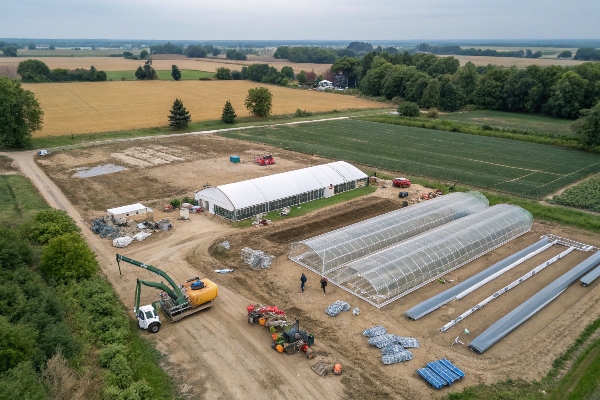
Send a short RFQ with location, crop, area, climate issue, structure type, systems, timeline, and installation scope.
| RFQ field | Example | Why it matters |
| Country and city | Riyadh, Saudi Arabia | Sets climate, logistics, and design assumptions. |
| Crop and method | Tomato in substrate bags | Defines height, irrigation, drainage, and climate targets. |
| Area | 1 hectare / 2.47 acres | Controls span layout, equipment sizing, and shipping volume. |
| Systems | Pad-fan, drip fertigation, shade screen | Prevents missing equipment in the quote. |
| Supplier scope | Materials only, supervision, or full installation support | Separates supplier responsibility from local owner work. |
Practical next step
For a first CFGET review, send these eight details: country and city, crop, area, target season, covering preference, cooling or heating need, irrigation method, and installation scope. Include the climate challenge, crop method, required systems, and installation scope. Photos or a simple site sketch also help. Email [email protected].
Final buying note
Greenhouse installation for hot climates works best when the buyer writes down the assumptions before looking at product names. A good decision combines engineering trade-offs with supplier proof and a realistic operating plan.
Before you use this recommendation
- Treat this as a planning guide, not a final engineering design.
- Check the local climate data, crop plan, water quality, energy cost, and building rules before ordering.
- Ask the supplier to show drawings, material specifications, equipment scope, packing details, and installation responsibilities.
- Avoid any quotation that promises yield, payback, or structural performance without stating the assumptions.
How this guide was prepared
I prepare these notes the same way I review an early buyer request: start with the search question, translate it into a greenhouse project planning checklist, check available project media, and keep neutral technical sources beside the quote when reliable public references are available. The point is to make assumptions, limits, and RFQ requirements visible before a buyer compares suppliers.
Coraline is a greenhouse horticulture practitioner focused on practical greenhouse planning, climate adaptation, crop matching, and long-term agricultural project decisions. Coraline writes from practical greenhouse horticulture experience. The focus is project planning, climate fit, crop requirements, investment logic, and long-term operation. Technical recommendations should be adapted to local climate data, crop plans, budgets, and professional engineering review before implementation.
Company details
CFGET: CFGET designs, manufactures, and delivers greenhouse systems and smart farming solutions from its own factory in Sichuan, China.
Address: NO 108, South Area Chengdu Modern Industrial Park, Sichuan, China
Email: [email protected]
About CFGET: https://cfgreenway.com/about/
Where this fits in the greenhouse buying cluster
Start with the hub, then open the system or crop pages that match your decision.
- Commercial Greenhouse Buying Guide
- Commercial Greenhouse Solutions
- Greenhouse Cooling System
- Greenhouse Climate Control
- Greenhouse Temperature Control
- Greenhouse Installation Guide
- CFGET Downloads
- Choose Greenhouse Supplier
- Contact CFGET
- Greenhouse Humidity Control
- Smart Greenhouse Control
- CFGET Project Cases