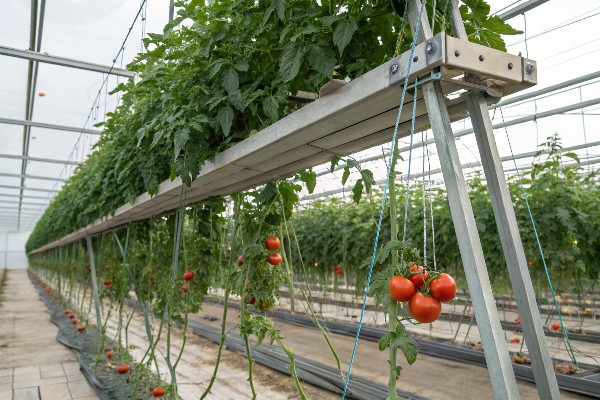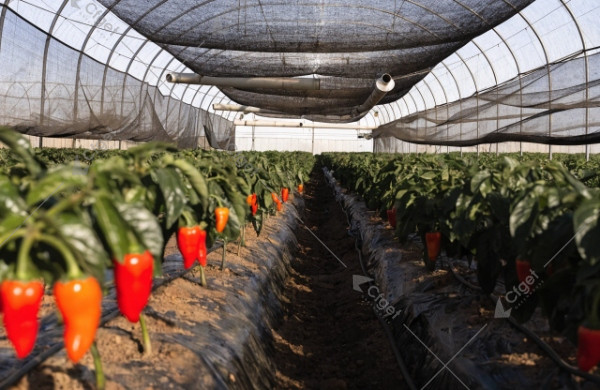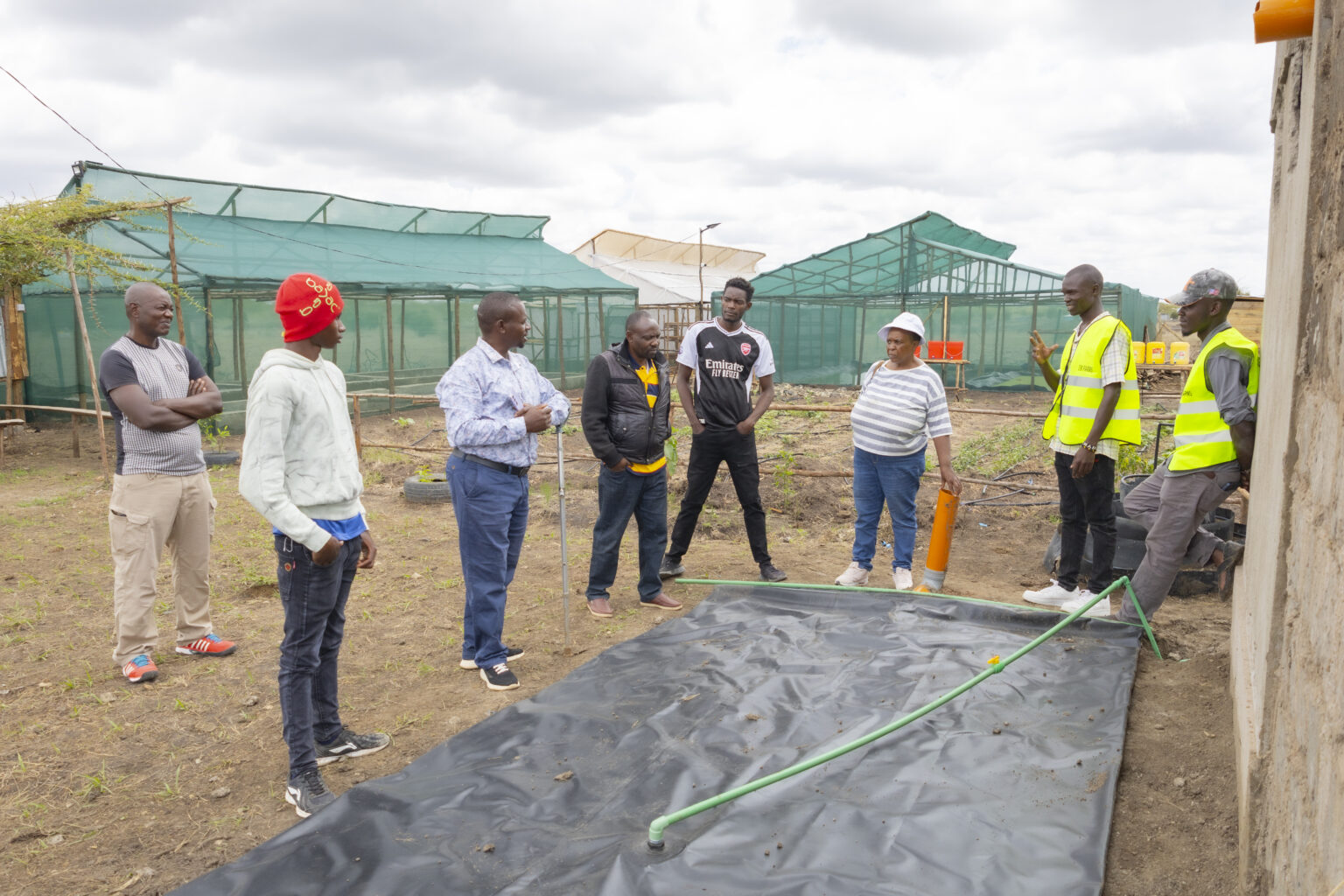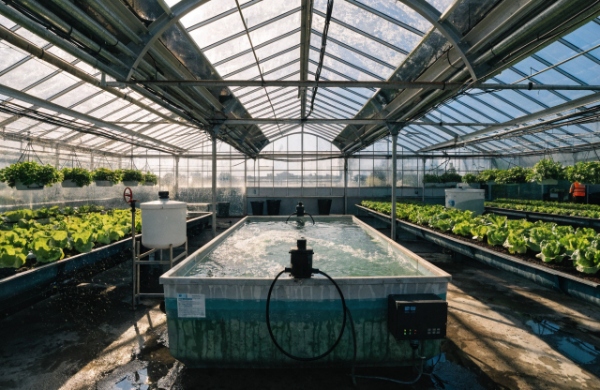
Water costs skyrocketing while crop yields stagnate? Poor irrigation wastes thousands of gallons while starving your plants of essential nutrients they desperately need.
Modern greenhouse irrigation systems can increase yields by 30-40% while reducing water usage by 50% through precision delivery and integrated fertigation. The right system transforms water from an expense into your most powerful production tool.
Over nearly three decades of designing irrigation systems across diverse climates, I’ve learned that water delivery isn’t just about keeping plants alive. It’s about creating the foundation for maximum productivity, nutrient efficiency, and sustainable growing practices that protect both your profits and the environment.
Drip vs. Spray: Choosing the Right Irrigation System for Your Crops
The irrigation method you choose determines everything from water efficiency to disease pressure. Each system serves specific crops and growing situations better than others.
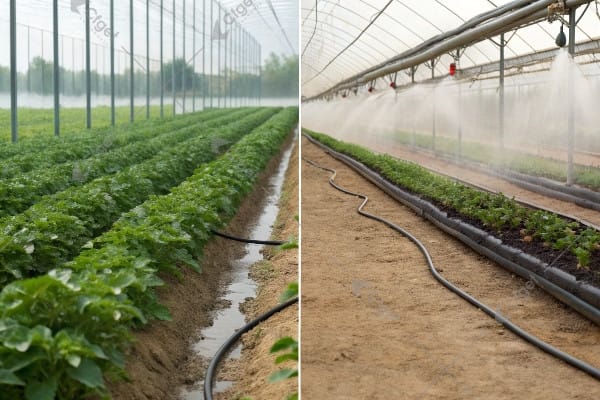
Drip irrigation delivers water directly to root zones with 90-95% efficiency, while spray systems provide broader coverage for specific crop types and growth stages. Your crop selection and growing objectives determine the optimal choice.
Understanding Drip Irrigation Advantages
Drip systems excel at precision water delivery that matches plant uptake rates exactly. Water moves through emitters at controlled rates, typically 0.5-4 gallons per hour per emitter. This slow, steady delivery allows complete soil infiltration without runoff or waste.
Root zone targeting represents drip irrigation’s greatest strength. Water goes exactly where plants need it most, encouraging deep root development and efficient nutrient uptake. Surface evaporation drops dramatically because water never contacts the soil surface in non-planted areas.
Disease prevention becomes automatic with drip systems since foliage stays completely dry during irrigation cycles. Fungal and bacterial problems that thrive in humid conditions can’t establish when leaves remain moisture-free. This disease reduction often eliminates fungicide applications, reducing costs and improving crop safety.
Water savings of 40-60% compared to spray systems are common because every drop reaches its intended target. No water is lost to wind drift, evaporation during application, or irrigation of pathways and empty growing areas. These savings compound over time, especially in water-scarce regions.
Fertigation integration works seamlessly with drip systems because nutrients flow directly to root zones where plants absorb them immediately. This precise delivery reduces fertilizer waste while ensuring consistent plant nutrition throughout the growing cycle.
When Spray Systems Make Sense
Spray irrigation serves specific purposes that drip systems cannot match effectively. Seedling establishment often requires spray systems because young plants have limited root systems that need broader water distribution to establish properly.
Humidity management becomes possible with spray systems that can increase relative humidity levels around plants. This capability proves valuable in arid climates where plants need both root zone moisture and atmospheric humidity for optimal growth.
Foliar feeding applications work best through spray systems that can deliver nutrients directly to leaf surfaces. Some nutrients absorb more efficiently through leaves than roots, making spray application the preferred delivery method for specific feeding programs.
Cooling effects from spray systems provide dual benefits in hot climates. Water evaporation from wet foliage creates cooling that reduces plant stress during extreme heat events. This cooling can prevent flower abortion and maintain photosynthesis during temperature peaks.
Crop washing and dust removal require spray systems to clean produce and maintain plant health in dusty environments. Regular washing improves light penetration to leaves while reducing pest habitat and disease pressure from accumulated debris.
The Science of Fertigation: How to Feed Your Plants with Every Drop
Fertigation transforms irrigation from simple water delivery into precision nutrition management that maximizes both plant health and resource efficiency.
Fertigation delivers nutrients dissolved in irrigation water directly to root zones where plants absorb them immediately. This method increases fertilizer efficiency by 20-30% while reducing labor costs and environmental impact.

Nutrient Delivery Precision
Modern fertigation systems inject concentrated fertilizer solutions into irrigation lines at precisely controlled rates. Injection pumps meter nutrients based on water flow rates, ensuring consistent nutrient concentrations regardless of irrigation duration or volume changes.
pH and electrical conductivity (EC) monitoring ensures optimal nutrient availability and plant uptake. Automated systems adjust nutrient concentrations and pH levels continuously, maintaining ideal growing conditions without manual intervention. This precision prevents nutrient lockout and maximizes fertilizer efficiency.
Nutrient timing becomes surgical with fertigation systems that can deliver different fertilizer formulations throughout the day or growing cycle. Morning applications might emphasize nitrogen for growth, while afternoon feeding could focus on potassium for fruit development and disease resistance.
Root zone placement ensures nutrients reach plants immediately without loss to leaching or surface evaporation. Traditional broadcasting wastes 30-50% of applied fertilizers through runoff and volatilization. Fertigation eliminates these losses by placing nutrients exactly where roots can absorb them.
Concentration control allows adjustment of nutrient levels based on plant growth stages, weather conditions, and crop requirements. Young plants receive dilute solutions that won’t burn tender roots, while mature plants get concentrated feeding that supports heavy fruit production.
Advanced Fertigation Strategies
Multi-stage nutrient programs deliver different fertilizer formulations automatically based on crop development stages. Vegetative growth requires high nitrogen levels, while flowering and fruiting benefit from increased phosphorus and potassium ratios. Automated systems make these transitions seamlessly.
Weather-responsive feeding adjusts nutrient delivery based on environmental conditions. Cloudy days might trigger reduced feeding since plants photosynthesize less, while sunny periods could increase nutrient concentrations to support maximum growth rates.
Deficit irrigation strategies use controlled water stress combined with precise nutrition to improve crop quality. Slight moisture stress concentrates sugars and flavors in fruits while targeted nutrition maintains plant health. This technique requires precise fertigation control to succeed.
Leachate recycling systems capture and reuse drainage water, recovering unused nutrients while minimizing environmental impact. Closed-loop systems can achieve 95% nutrient efficiency while reducing fertilizer costs and eliminating groundwater contamination.
Foliar fertigation combines root zone nutrition with leaf feeding through alternating spray and drip applications. This dual approach maximizes nutrient uptake efficiency while providing rapid correction of deficiency symptoms when they appear.
4 Keys to Designing an Efficient Greenhouse Irrigation Layout
Proper irrigation design determines system performance, maintenance requirements, and long-term reliability. These four principles guide every successful installation.
Effective irrigation layouts balance uniform water distribution, easy maintenance access, system expandability, and integration with other greenhouse systems. Poor design creates hot spots, maintenance nightmares, and expensive retrofits.
Key #1: Hydraulic Design for Uniform Distribution
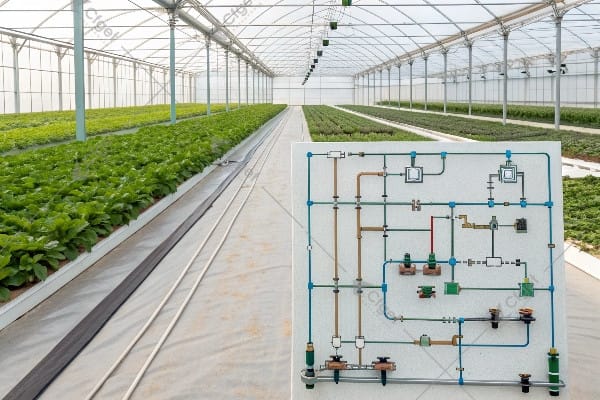
Pressure compensation ensures equal water delivery throughout the entire irrigation system regardless of elevation changes or distance from the main supply. Pressure-compensating emitters maintain consistent flow rates even when system pressure varies by 20-30 PSI.
Zone sizing calculations determine optimal irrigation block sizes based on crop water requirements, available water pressure, and system capacity. Oversized zones create pressure drops that reduce uniformity, while undersized zones increase installation costs and complexity.
Pipe sizing follows hydraulic principles that balance initial costs with long-term performance. Undersized pipes create excessive pressure losses and poor uniformity, while oversized pipes waste money without improving performance. Proper calculations optimize both cost and function.
Flow velocity management prevents particle settlement in distribution lines while avoiding erosion damage to system components. Velocities between 3-5 feet per second provide optimal performance for most greenhouse irrigation applications.
Key #2: Maintenance Access and System Serviceability
Service pathway planning ensures technicians can reach all system components for routine maintenance and emergency repairs. Irrigation lines should never block access to plants or other greenhouse equipment during normal operations.
Component accessibility requires strategic placement of valves, filters, and control equipment where staff can service them safely and efficiently. Hidden or hard-to-reach components increase maintenance costs and reduce system reliability over time.
Drainage provisions prevent water accumulation in low areas that could damage equipment or create safety hazards. Proper drainage also facilitates system flushing and winterization procedures in seasonal operations.
Expansion planning incorporates future growth needs into initial design layouts. Systems designed for easy expansion accommodate business growth without expensive retrofits or complete system replacement.
Key #3: Integration with Environmental Controls
Sensor placement coordinates irrigation timing with temperature, humidity, and light conditions to optimize plant growth and resource efficiency. Soil moisture sensors prevent over-irrigation while ensuring plants never experience water stress.
Climate control integration synchronizes irrigation with heating, cooling, and ventilation systems to maintain optimal growing conditions. Irrigation timing can support cooling strategies while avoiding conflicts with humidity management systems.
Automation compatibility ensures irrigation systems work seamlessly with greenhouse management software and remote monitoring systems. Modern operations require integration capabilities that support data-driven decision making.
Emergency override capabilities maintain crop protection during equipment failures or extreme weather events. Manual controls and backup systems prevent crop loss when automated systems experience problems.
Key #4: Water Quality and Treatment Integration
Filtration system sizing handles anticipated water quality issues without restricting system performance. Sand, organic matter, and mineral precipitates require different filtration approaches that must be planned during initial design phases.
Water treatment integration incorporates pH adjustment, disinfection, and nutrient injection systems into the overall irrigation layout. These systems require specific placement and sizing to function effectively without interfering with each other.
Quality monitoring equipment placement allows continuous tracking of water parameters throughout the distribution system. Multiple monitoring points identify problems before they affect crop health or system performance.
Waste management planning addresses disposal of filter backwash, system drainage, and leachate collection. Environmental regulations often require specific handling procedures that must be incorporated into system design.
The CFGET Advantage: Integrating Your Irrigation for Total System Control
CFGET irrigation systems integrate seamlessly with all greenhouse environmental controls, creating unified growing environments that respond automatically to changing crop needs and weather conditions.
Our integrated approach combines irrigation, fertigation, climate control, and monitoring systems into single platforms that optimize resource efficiency while maximizing crop productivity. This integration eliminates the conflicts between separate systems that plague many operations.
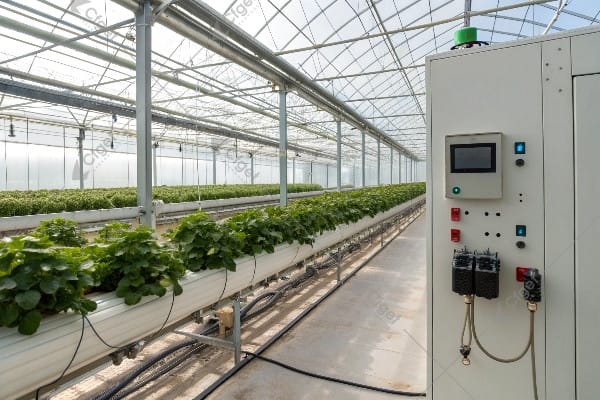
Unified System Architecture
CFGET designs eliminate the communication problems between separate irrigation and climate control systems that create inefficiencies and crop stress. Our unified architecture ensures all systems work together toward common objectives rather than competing for resources or creating conflicting conditions.
Single-point control interfaces allow operators to manage entire greenhouse environments from centralized locations. This integration reduces training requirements while improving response times during critical growing periods or emergency situations.
Data integration provides comprehensive insights into system performance and crop responses that separate systems cannot deliver. Our platforms track relationships between irrigation, nutrition, climate, and plant growth, enabling optimization strategies impossible with standalone systems.
Predictive control algorithms anticipate plant needs based on growth stage, weather forecasts, and historical performance data. These systems adjust irrigation schedules proactively rather than simply reacting to current conditions, preventing stress before it affects crop quality.
Performance Optimization Features
Multi-zone management allows different irrigation and fertigation programs within single greenhouse structures. Crop staging, variety differences, and growth phase requirements all receive optimal treatment without compromising other growing areas.
Resource allocation algorithms balance water, energy, and fertilizer usage across all greenhouse systems to minimize costs while maintaining optimal growing conditions. These systems find efficiency opportunities that manual management cannot identify.
Quality assurance monitoring tracks system performance continuously, identifying problems before they affect crops or escalate into expensive repairs. Preventive maintenance scheduling reduces downtime while extending equipment life.
Remote accessibility enables monitoring and control from any location with internet access. This capability supports efficient operations management while providing peace of mind during critical growing periods or when traveling.
Scalability planning ensures systems grow with your operation without requiring complete replacement. CFGET designs accommodate expansion through modular components that integrate seamlessly with existing installations.
Conclusion
Precision irrigation systems form the foundation of profitable greenhouse operations, delivering optimal plant nutrition while conserving water and reducing operational costs through intelligent automation.