Starting greenhouse farming feels overwhelming. You want better yields but worry about costs and complexity. Traditional soil cultivation in greenhouses offers the perfect entry point.
Greenhouse soil cultivation combines the protection of controlled environments with familiar growing methods. This approach reduces initial investment while delivering 30-50% higher yields than outdoor farming through extended seasons and better plant protection.
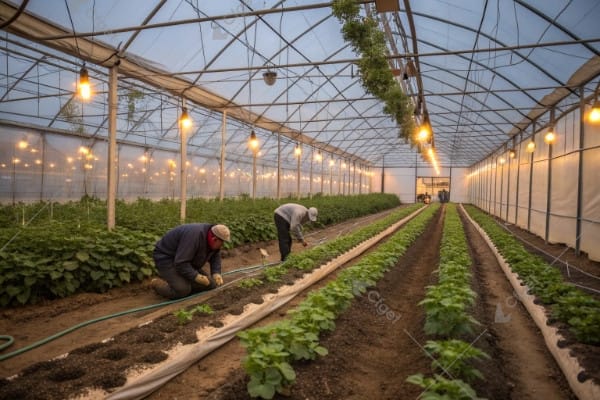
After 29 years helping growers worldwide, I’ve seen countless farmers transform their operations through greenhouse soil cultivation. This method bridges the gap between outdoor farming and advanced hydroponic systems. You get the benefits of protected growing without the steep learning curve of soilless systems.
The Greenhouse Advantage: How a Simple Structure Extends Your Season & Protects Soil?
Cold weather ends your growing season too early. Pests destroy crops when you least expect it. Rain and wind damage plants right before harvest.
Greenhouse structures create a controlled microclimate that extends growing seasons by 2-4 months and reduces crop losses by up to 70%. The protective environment maintains soil temperature and moisture while blocking harmful weather and pests.

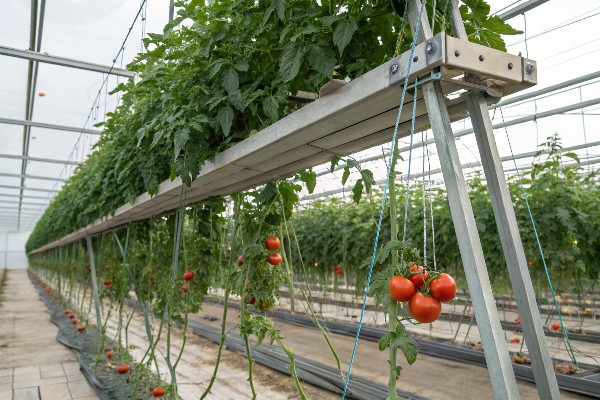
The greenhouse advantage goes beyond simple weather protection. I remember working with a tomato grower in Thailand who struggled with monsoon damage every year. After installing a basic greenhouse structure, his yields increased from 15 tons per hectare to 35 tons per hectare. The key was soil protection and climate control.
Temperature regulation stands as the primary benefit. Greenhouse structures maintain soil temperatures 5-10 degrees higher than outdoor conditions. This warmth promotes faster root development and nutrient uptake. Your plants grow stronger root systems that support heavier fruit loads.
Moisture control represents another critical advantage. Rain can oversaturate soil and create anaerobic conditions that kill beneficial microorganisms. Greenhouse coverage prevents soil saturation while allowing controlled irrigation. You decide when and how much water your crops receive.
Wind protection cannot be overlooked. Strong winds strip moisture from leaves and can physically damage plants. Inside a greenhouse, air movement becomes gentle circulation that strengthens stems without causing stress. Your plants develop thicker, more resilient structures.
| Greenhouse Benefit | Outdoor Growing | Greenhouse Growing |
|---|---|---|
| Growing Season | 6-8 months | 10-12 months |
| Pest Pressure | High | Low-Medium |
| Weather Damage | 20-30% loss | 5-10% loss |
| Soil Temperature Control | None | Full control |
| Water Management | Weather dependent | Farmer controlled |
The economic impact becomes clear when you calculate season extension. A six-month outdoor season becomes a ten-month greenhouse season. This 67% increase in growing time translates directly to revenue opportunities. You can grow two full crops instead of one, or extend single crops for maximum yield.
Getting Started: 3 Simple Steps to Prepare Your Soil for Greenhouse Success?
Poor soil preparation ruins greenhouse investments. You spend money on structures but get disappointing results. Proper soil preparation ensures your greenhouse delivers expected returns.
Successful greenhouse soil preparation involves soil testing, organic matter addition, and drainage improvement. These three steps create the foundation for healthy root systems and maximum nutrient uptake in protected environments.
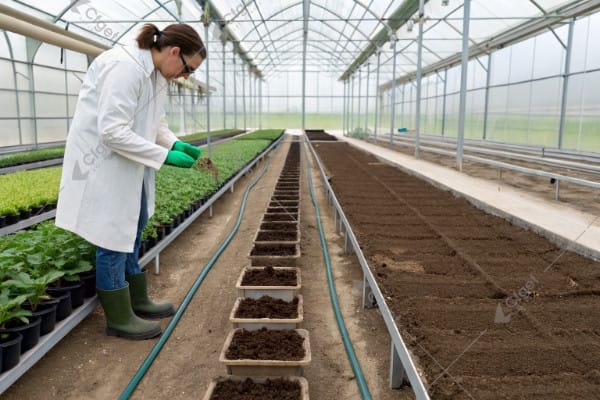
Step one requires comprehensive soil testing. Many growers skip this crucial step and wonder why their greenhouse crops underperform. Soil pH, nutrient levels, and organic matter content determine plant health more than any other factors. I’ve seen growers struggle for years with nutrient deficiencies that simple soil tests would have revealed.
Professional soil testing costs between $30-50 per sample but saves hundreds in fertilizer waste and crop losses. Test for pH levels, nitrogen, phosphorus, potassium, and micronutrients. Also check organic matter percentage and soil structure. These results guide all future soil management decisions.
Step two focuses on organic matter incorporation. Greenhouse soils need 3-5% organic matter content for optimal plant performance. Compost, aged manure, or commercial organic amendments improve soil structure and water retention. Add 2-4 inches of organic matter and till to 12-inch depth.
The organic matter serves multiple purposes. It improves soil drainage in clay soils and increases water retention in sandy soils. Beneficial microorganisms thrive in organic-rich environments, creating natural disease suppression. Root development accelerates in well-structured soils with adequate organic content.
Step three addresses drainage and bed preparation. Greenhouse soils must drain excess water quickly while retaining adequate moisture for plant growth. Poor drainage kills more greenhouse crops than any pest or disease. Create raised beds 6-8 inches high with 36-48 inch spacing for optimal drainage and access.
Install drainage systems if your soil has clay content above 40%. French drains or perforated pipes prevent waterlogging during heavy irrigation. Proper drainage allows deeper watering cycles that encourage strong root development. Plants with deep roots resist stress better and produce higher yields.
| Soil Preparation Step | Timeline | Cost Range | Expected Benefit |
|---|---|---|---|
| Soil Testing | 1 week | $30-50 | Targeted nutrition |
| Organic Matter Addition | 2-3 weeks | $200-400 per 1000 sq ft | Improved structure |
| Drainage Installation | 1-2 weeks | $300-800 per 1000 sq ft | Prevented waterlogging |
Soil vs. Soilless: Why In-Ground Growing is the Smart, Low-Cost Start?
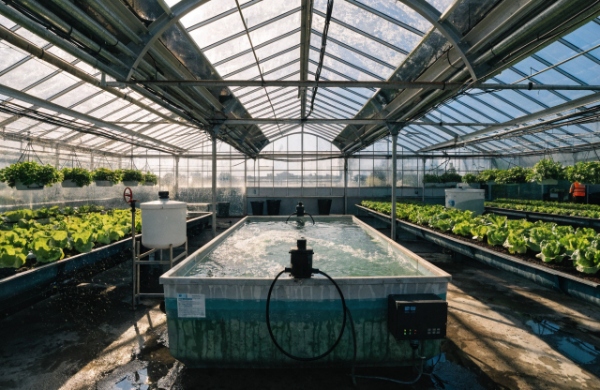
Hydroponic systems look impressive but require significant investment and technical knowledge. Soilless growing intimidates beginners with complex nutrient formulations and equipment requirements. Soil-based growing offers proven results with familiar methods.
Soil cultivation requires 60-70% less initial investment than hydroponic systems while delivering comparable yields for most crops. The learning curve is gentler, maintenance costs are lower, and local soil conditions provide natural buffering against management mistakes.

The financial comparison reveals why soil cultivation makes sense for beginners. A basic greenhouse with soil beds costs $15-25 per square meter to establish. The same greenhouse equipped with hydroponic systems costs $40-60 per square meter. This 150% cost difference represents a significant barrier for new growers.
Equipment complexity creates another advantage for soil systems. Hydroponic setups require pumps, timers, pH meters, EC meters, and backup systems. Each component can fail and requires technical knowledge to repair. Soil systems need basic irrigation equipment that most farmers already understand and can maintain locally.
Nutrient management becomes simpler with soil systems. Soil acts as a buffer that prevents rapid pH swings and nutrient imbalances. Organic matter releases nutrients slowly over time, reducing the precision required for feeding schedules. Mistakes in hydroponic nutrition can kill crops within days, while soil systems forgive minor errors.
Local soil conditions provide unique advantages that artificial media cannot replicate. Native soils contain beneficial microorganisms adapted to local climate conditions. These microbes form symbiotic relationships with plant roots that improve nutrient uptake and disease resistance. Hydroponic systems lack this biological diversity.
Water management requires less precision in soil systems. Soil moisture content changes gradually, giving growers time to adjust irrigation schedules. Hydroponic systems can go from optimal to stress conditions within hours if pumps fail or timers malfunction. This forgiveness makes soil systems ideal for growers learning greenhouse management.
The yield potential of soil systems often surprises skeptics. While hydroponic systems can achieve slightly higher yields under perfect management, soil systems consistently deliver strong performance with less risk. A well-managed soil greenhouse produces 80-90% of hydroponic yields at 40% of the setup cost.
| Growing System | Initial Investment | Technical Skill Required | Yield Potential | Risk Level |
|---|---|---|---|---|
| Soil Cultivation | Low ($15-25/m²) | Basic | High (80-90% of max) | Low |
| Hydroponic | High ($40-60/m²) | Advanced | Maximum (100%) | High |
| Hybrid Systems | Medium ($25-35/m²) | Intermediate | High (85-95% of max) | Medium |
Managing Risks: A Practical Guide to Pest & Disease Control in Greenhouse Soil?
Greenhouse environments can amplify pest and disease problems if not managed properly. Warm, humid conditions create ideal breeding grounds for harmful organisms. Soil-based systems face unique challenges that require specific management strategies.
Effective greenhouse soil pest management combines prevention, biological controls, and targeted interventions. Proper sanitation, beneficial insect releases, and soil health maintenance reduce pest pressure by 70-80% compared to reactive chemical treatments alone.
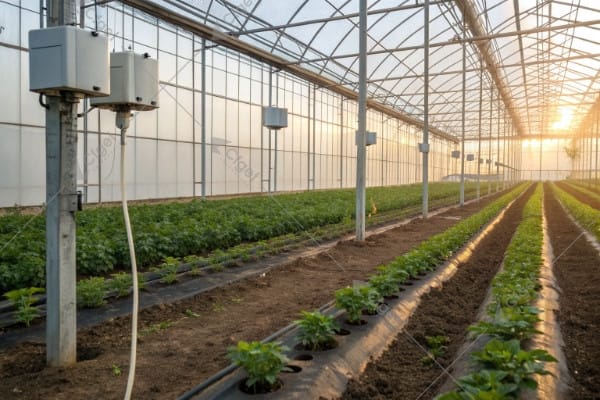
Prevention forms the foundation of successful pest management. Clean greenhouse structures before each growing season using diluted bleach solutions or commercial sanitizers. Remove all plant debris, weeds, and organic matter that can harbor pests or diseases. Install fine mesh screens on ventilation openings to exclude flying insects while maintaining airflow.
Soil sterilization becomes necessary when dealing with soilborne diseases. Steam sterilization works effectively but requires specialized equipment. Solar sterilization offers a low-cost alternative for smaller operations. Cover prepared soil beds with clear plastic during hot summer months. Soil temperatures reach 140-160°F, killing most harmful organisms while preserving beneficial microbes in deeper layers.
Biological control agents provide sustainable pest management solutions. Beneficial insects like predatory mites, parasitic wasps, and ladybugs control common greenhouse pests naturally. These biological agents establish populations that provide ongoing protection throughout the growing season. Release beneficial insects early in the season before pest populations build up.
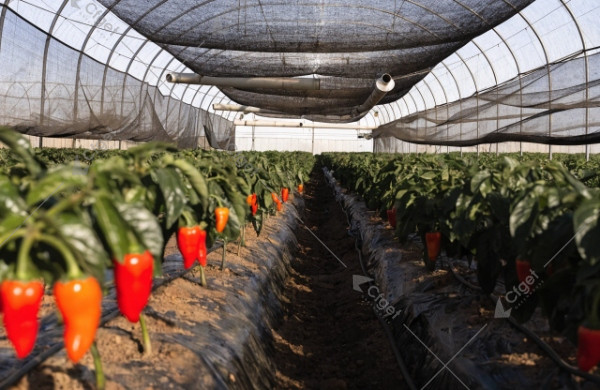
I’ve worked with growers who achieved remarkable success using integrated biological control programs. One pepper grower in Netherlands reduced pesticide use by 85% while maintaining premium crop quality. The key was consistent beneficial insect releases and careful monitoring of pest populations.
Companion planting strategies work well in greenhouse soil systems. Marigolds, basil, and other aromatic plants repel many common pests while attracting beneficial insects. Plant these companions along greenhouse borders and between crop rows. The diverse plant community creates natural pest suppression while improving overall greenhouse biodiversity.
Soil health maintenance prevents many disease problems before they start. Healthy soils with balanced nutrition and adequate organic matter support strong plant immune systems. Plants growing in optimal soil conditions resist diseases better than stressed plants. Regular soil testing and amendment programs maintain the biological balance needed for natural disease suppression.
Monitoring systems help detect problems early when treatment options are most effective. Weekly scouting walks identify pest populations before they reach damaging levels. Sticky traps placed throughout the greenhouse capture flying insects and indicate population trends. Yellow traps attract aphids and whiteflies, while blue traps capture thrips.
| Pest Management Strategy | Effectiveness | Cost | Implementation Difficulty |
|---|---|---|---|
| Prevention/Sanitation | 70-80% reduction | Low | Easy |
| Biological Controls | 60-75% reduction | Medium | Moderate |
| Companion Planting | 40-50% reduction | Low | Easy |
| Chemical Intervention | 80-95% reduction | High | Easy |
| Integrated Approach | 85-95% reduction | Medium | Moderate |
Record keeping becomes essential for successful pest management programs. Document pest scouting results, beneficial insect releases, and treatment applications. This information helps identify patterns and improve management strategies over time. Many pest problems follow predictable seasonal cycles that proper records can reveal.
Emergency response protocols prepare growers for severe pest outbreaks. Identify approved pesticides for emergency use while maintaining organic certification if applicable. Establish relationships with beneficial insect suppliers for rapid deployment when needed. Quick response prevents minor problems from becoming crop disasters.
The economic benefits of integrated pest management extend beyond reduced pesticide costs. Healthier crops produce higher yields and better quality produce. Premium markets often pay higher prices for crops grown with minimal chemical inputs. The investment in biological controls and prevention pays dividends through improved crop performance and market access.
Conclusion
Greenhouse soil cultivation offers the perfect entry point for growers seeking higher yields without complex systems. This traditional approach delivers proven results while building skills for future expansion opportunities.