Poor water quality destroys expensive irrigation systems and kills valuable crops. Contaminated water carries diseases while mineral buildup clogs emitters. Professional water treatment protects your investment and ensures consistent production.
Greenhouse water treatment systems prevent 90% of irrigation failures while reducing disease pressure by 80%. Proper filtration, sterilization, and purification ensure optimal plant health and extend equipment life by 5-10 years.
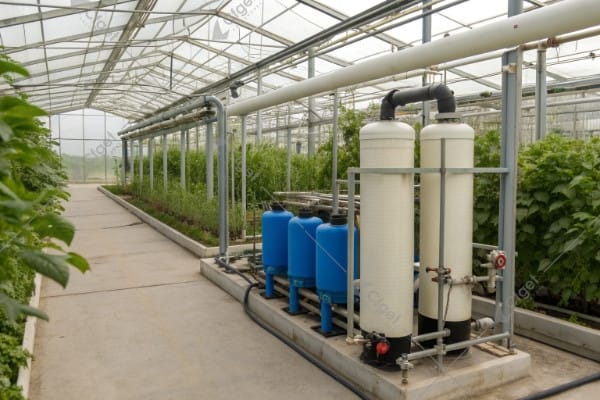
During 29 years of greenhouse installations, I have seen countless operations fail due to water quality problems. The most expensive greenhouse technology becomes worthless when poor water quality destroys crops and clogs irrigation systems. Smart operators invest in water treatment from day one.
The #1 Threat to Your Drip Irrigation System (And How to Stop It)?
Mineral buildup represents the greatest threat to drip irrigation reliability. Hard water deposits clog emitters while bacterial growth blocks water flow. These problems destroy system performance and create massive replacement costs.
Calcium carbonate precipitation clogs 60-80% of drip emitters within 6-12 months in hard water conditions. Proper water treatment prevents mineral buildup and extends emitter life from 2 years to 8-10 years of reliable operation.

The mineral buildup process begins when hard water containing dissolved calcium and magnesium enters the irrigation system. These minerals remain invisible in solution until water evaporates or pH changes trigger precipitation. Drip emitters create ideal conditions for mineral deposits due to slow flow rates and frequent wet-dry cycles.
Calcium carbonate forms the most common and destructive deposits in greenhouse irrigation systems. This white, chalky buildup accumulates inside emitter passages and reduces flow rates progressively. Initial symptoms include uneven watering patterns and reduced flow from individual emitters. Complete blockage occurs within months in severe hard water conditions.
I encountered this problem at a cucumber facility in Arizona using untreated well water with 450 ppm calcium hardness. The grower installed 15,000 drip emitters in a state-of-the-art irrigation system. Within eight months, over 60% of emitters showed significant flow reduction. Complete system replacement would have cost $85,000.
We installed a comprehensive water treatment system including sediment filtration, water softening, and acid injection for pH control. The transformation was immediate and dramatic. New emitters maintained consistent flow rates while the treatment system prevented further mineral accumulation. The $35,000 treatment investment saved the entire irrigation system.
Iron precipitation creates another serious clogging threat, particularly in well water systems. Dissolved iron appears clear when pumped from the ground but oxidizes rapidly when exposed to air. The resulting rust particles clog filters and emitters while staining greenhouse surfaces and plant materials.
| Water Quality Issue | Clogging Timeline | Flow Reduction | Treatment Solution | Prevention Cost |
|---|---|---|---|---|
| Calcium deposits | 6-12 months | 50-90% | Water softening | $2-4 per m³ |
| Iron precipitation | 3-6 months | 60-80% | Iron removal | $1-3 per m³ |
| Bacterial growth | 2-4 weeks | 70-100% | UV sterilization | $0.50-1 per m³ |
| Suspended solids | 1-3 months | 40-70% | Filtration | $0.25-0.75 per m³ |
Bacterial and algae growth accelerate clogging problems while introducing disease risks. Organic matter in water sources provides nutrients for microbial growth that forms slimy biofilms inside irrigation lines. These biofilms trap mineral particles and create complete blockages that resist chemical cleaning.
The biological growth problem becomes severe in warm climates where water temperatures exceed 25°C. Stagnant water in storage tanks and distribution lines provides ideal breeding conditions for harmful microorganisms. Legionella, E. coli, and Pythium thrive in these environments and can devastate crop production.
Prevention requires multiple treatment approaches working together. Sediment filtration removes particles that provide nucleation sites for mineral precipitation. Water softening eliminates calcium and magnesium that form deposits. pH adjustment prevents precipitation conditions that trigger mineral buildup.
Chlorine injection or UV sterilization eliminates biological growth that accelerates clogging. Automated flushing systems remove accumulated debris before it causes permanent damage. Regular monitoring ensures treatment systems maintain water quality within acceptable parameters.
The economic impact of clogging extends beyond emitter replacement costs. Uneven irrigation creates plant stress that reduces yields and quality. Manual cleaning and maintenance consume valuable labor time. System downtime during repairs disrupts production schedules and can cause crop losses during critical growth periods.
From Filtration to UV: A Breakdown of Water Treatment Technologies?
Multiple treatment technologies address different water quality problems. Each method targets specific contaminants while contributing to overall system performance. Understanding these technologies helps select the optimal treatment combination for your water source.
Effective greenhouse water treatment combines 3-5 technologies including sediment filtration, chemical treatment, and biological control. Multi-stage systems achieve 99% contaminant removal while maintaining optimal water quality for plant health and irrigation reliability.

Sediment filtration provides the foundation for all water treatment systems. Sand filters, cartridge filters, and screen filters remove suspended particles that clog downstream equipment. Proper filtration protects pumps, valves, and emitters while improving the effectiveness of chemical treatments.
Multi-media filtration combines different filter materials to remove various particle sizes and types. Sand removes large particles while activated carbon absorbs chlorine and organic compounds. Anthracite coal provides additional particle removal with longer service life than single-media filters.
Reverse osmosis represents the most comprehensive filtration technology available. RO membranes remove 95-99% of dissolved minerals, bacteria, viruses, and chemical contaminants. This technology produces ultra-pure water ideal for sensitive crops and hydroponic systems. However, RO systems require significant energy input and produce waste water that must be managed.
Water softening eliminates calcium and magnesium minerals that cause scale buildup in irrigation systems. Ion exchange resins replace hard water minerals with sodium or potassium ions that remain soluble. Properly sized softening systems prevent mineral precipitation while maintaining plant-available nutrients.
| Treatment Technology | Contaminants Removed | Efficiency | Operating Cost | Best Application |
|---|---|---|---|---|
| Sediment Filtration | Particles, turbidity | 90-95% | Low | All systems |
| Water Softening | Calcium, magnesium | 95-99% | Moderate | Hard water areas |
| Reverse Osmosis | All dissolved solids | 95-99% | High | Sensitive crops |
| UV Sterilization | Bacteria, viruses | 99.9% | Low | Biological control |
| Ozone Treatment | Organics, pathogens | 99% | Moderate | Advanced treatment |
UV sterilization provides chemical-free biological control that eliminates bacteria, viruses, and fungi without affecting water chemistry. UV lamps produce specific wavelengths that damage microbial DNA and prevent reproduction. This technology works instantly without contact time requirements or chemical residues.
The effectiveness of UV treatment depends on water clarity and flow rates. Turbid water blocks UV penetration and reduces sterilization efficiency. Pre-filtration ensures optimal UV performance while proper sizing maintains adequate exposure time for complete pathogen elimination.
Ozone treatment offers advanced oxidation that destroys organic contaminants and pathogens while improving water clarity. Ozone generators produce this powerful oxidizer on-site using electricity and oxygen. The treatment breaks down pesticide residues, eliminates biofilms, and provides residual disinfection throughout the irrigation system.
Chemical treatment methods include chlorination, acid injection, and specialized additives for specific problems. Chlorine provides economical biological control with residual protection throughout the distribution system. Acid injection prevents mineral precipitation by maintaining water pH below saturation levels.
Iron removal systems combine oxidation, filtration, and backwashing to eliminate dissolved iron before it can cause staining and clogging. Specialized media catalyzes iron oxidation while automatic backwashing removes accumulated precipitates. These systems require minimal maintenance while providing reliable iron control.
The treatment system design must match water source characteristics and quality requirements. Municipal water typically needs only basic filtration and biological control. Well water often requires comprehensive treatment including mineral removal, iron control, and sterilization. Surface water sources need extensive treatment due to variable quality and high contamination risks.
The Key to Green Certification: Securing Your Water Quality Standards?
Environmental certification programs require strict water quality standards and sustainable treatment practices. Green certifications open premium markets while demonstrating environmental responsibility. Proper water treatment systems ensure compliance and support certification goals.
Organic and sustainable certification programs require water treatment systems that eliminate chemical residues while preventing contamination. Compliant systems increase crop values by 20-40% through premium market access and environmental certifications.
Organic certification standards prohibit synthetic chemicals in water treatment systems. Chlorine, synthetic flocculants, and chemical pH adjusters cannot be used in certified organic production. Alternative treatment methods must achieve equivalent water quality using approved materials and processes.
UV sterilization becomes essential for organic operations requiring biological control without chemical additives. UV systems eliminate pathogens effectively while leaving no chemical residues that could compromise organic certification. Proper UV system design ensures complete pathogen elimination while maintaining organic compliance.
Physical filtration methods align perfectly with organic production requirements. Sand filtration, activated carbon, and reverse osmosis remove contaminants without introducing prohibited substances. These technologies produce clean water that meets organic standards while protecting irrigation systems and plant health.
Sustainable certification programs like GLOBALG.A.P. and SQF require documented water quality management systems. Regular testing, treatment monitoring, and record keeping demonstrate ongoing compliance with certification requirements. Automated monitoring systems provide continuous documentation while reducing labor requirements.
Water conservation becomes increasingly important for environmental certifications. Treatment systems must minimize waste water production while maximizing water reuse opportunities. Efficient filtration, optimized backwashing, and recycling systems reduce environmental impact while supporting sustainability goals.
| Certification Program | Water Quality Requirements | Prohibited Treatments | Approved Methods | Testing Frequency |
|---|---|---|---|---|
| USDA Organic | No synthetic chemicals | Chlorine, synthetic pH | UV, filtration, ozone | Monthly |
| GLOBALG.A.P. | Documented quality system | None specified | All methods allowed | Quarterly |
| Rainforest Alliance | Sustainable practices | Excessive chemicals | Efficient treatment | Bi-annual |
| SQF | Food safety standards | Contamination risks | Validated systems | Continuous |
The economic benefits of certification justify water treatment investments through premium pricing and market access. Organic produce commands 20-40% price premiums while certified sustainable products access high-value export markets. These premiums often exceed water treatment costs within the first growing season.
Traceability requirements demand detailed documentation of water sources, treatment processes, and quality results. Digital monitoring systems automatically record treatment parameters while generating compliance reports. This documentation reduces certification audit time while demonstrating ongoing compliance.
Risk assessment protocols identify potential contamination sources and treatment requirements. Groundwater sources need different treatment approaches than surface water or municipal supplies. Comprehensive risk analysis ensures treatment systems address all potential threats to water quality and certification compliance.
Emergency response procedures maintain certification compliance during treatment system failures or water quality emergencies. Backup treatment methods, alternative water sources, and rapid testing protocols prevent certification violations during unexpected events.
The certification maintenance requires ongoing monitoring and system optimization. Annual audits verify continued compliance while identifying improvement opportunities. Proactive system upgrades ensure long-term certification while adapting to changing standards and requirements.
Choosing the Right System: A 4-Step Guide to Water Source Analysis?
Water source characteristics determine treatment requirements and system design. Proper analysis identifies all contaminants while establishing treatment priorities. This systematic approach ensures optimal system performance and cost-effectiveness.
Comprehensive water analysis identifies 15-25 key parameters that determine treatment requirements. Professional analysis costs $200-500 but prevents $10,000-50,000 in treatment system mistakes and ensures optimal performance for your specific water source.
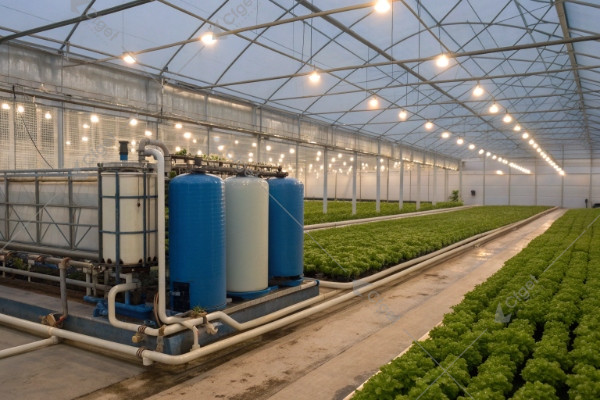
Step one involves comprehensive water testing that identifies all potential contaminants and quality issues. Basic testing covers pH, hardness, iron, bacteria, and suspended solids. Advanced analysis includes heavy metals, pesticides, nitrates, and specific pathogens that could affect plant health or system performance.
Seasonal testing reveals water quality variations that affect treatment system design. Well water chemistry can change with groundwater levels and seasonal recharge patterns. Surface water quality varies dramatically with weather conditions, agricultural runoff, and upstream activities. Multiple test results provide accurate system sizing and treatment selection.
The testing laboratory must use certified methods and provide results in formats suitable for treatment system design. Agricultural extension services often provide low-cost testing while commercial laboratories offer comprehensive analysis packages. International operations may require testing that meets specific country standards and certification requirements.
Step two analyzes test results against irrigation system requirements and crop tolerance levels. Different crops tolerate varying water quality levels while irrigation systems have specific performance requirements. Tomatoes tolerate higher salinity than lettuce while drip systems require lower suspended solids than sprinkler irrigation.
| Water Quality Parameter | Acceptable Range | Treatment Trigger | Crop Impact | System Impact |
|---|---|---|---|---|
| pH | 5.5-7.5 | <5.0 or >8.0 | Nutrient availability | Corrosion, scaling |
| Hardness (ppm CaCO3) | <150 | >200 | Nutrient lockout | Emitter clogging |
| Iron (ppm Fe) | <0.3 | >0.5 | Leaf staining | Filter clogging |
| Bacteria (CFU/ml) | <100 | >500 | Disease pressure | Biofilm formation |
| Suspended Solids (ppm) | <25 | >50 | None direct | Physical clogging |
Step three evaluates treatment technology options based on contaminant types, removal efficiency, and operating costs. Multiple technologies often work together to address different water quality issues. Cost-benefit analysis determines the optimal combination of treatment methods for your specific situation.
Treatment system capacity must match peak irrigation demands while providing adequate contact time for chemical processes. Undersized systems cannot maintain water quality during peak flow periods while oversized systems waste energy and increase operating costs. Proper sizing ensures reliable performance throughout the growing season.
Step four develops a comprehensive treatment system design including equipment selection, installation requirements, and maintenance procedures. Professional design ensures optimal performance while minimizing installation and operating costs. The design should include monitoring systems, backup equipment, and expansion capability for future growth.
Installation planning addresses site preparation, utility requirements, and integration with existing irrigation systems. Water treatment systems require electrical power, drainage, and chemical storage areas. Proper planning prevents installation delays and ensures safe, efficient operation.
Commissioning procedures verify system performance and establish operating parameters. Initial testing confirms treatment effectiveness while operator training ensures proper system management. Documentation provides baseline performance data for ongoing system optimization and maintenance planning.
Maintenance scheduling prevents system failures while optimizing treatment performance. Regular filter changes, equipment cleaning, and performance monitoring maintain water quality standards. Preventive maintenance costs far less than emergency repairs or crop losses from system failures.
Conclusion
Greenhouse water treatment protects irrigation investments while ensuring optimal crop health and certification compliance. Proper system selection and maintenance prevent costly failures while supporting profitable, sustainable production.