Many growers hesitate to invest in hydroponic greenhouses not because of cost, but because of fear — “What if it doesn’t pay back?”
Hydroponic greenhouses become profitable when annual yield reaches break-even output, operating cost is controlled, and market price remains stable. Most commercial projects achieve ROI in 3–7 years depending on crop, climate, and management.
I write this article because most online content only tells you cost — not yield requirements, break-even thresholds, or ROI sensitivity. This guide fills the missing parts with real metrics, ROI logic, and two hydroponic cases you can reference.
Why comparing investment vs yield matters in hydroponic greenhouses
People ask: “Is hydroponic greenhouse profitable?”
The real question is more practical:
👉 How much yield is needed to break even, and how many years until payback?
What most pages fail to provide
❌ No break-even formulas
❌ No yield baseline or targets
❌ No cost–climate ROI comparison
❌ No negative scenarios or failure cases
❌ Few hydroponic-specific examples
This article gives you what SERP results did not.
Hydroponic greenhouse investment explained (CAPEX & OPEX)
A greenhouse is not simply expensive or cheap — investment is a structure of multiple cost layers.

CAPEX (Initial Build Cost)
| Component | Cost Share | Notes |
|---|---|---|
| Structure | 30–50% | Film < PC < Glass (cost ranking) |
| Cooling/Ventilation | 15–30% | Critical for hot regions |
| Hydroponic system (NFT/DFT/Dutch bucket) | 15–25% | Yield-deciding component |
| Climate sensors/automation | 5–15% | Add later if budget limited |
| LED+CO₂ | Optional but costly | Boost yield significantly |
OPEX (Operating Cost)
| Cost | Weight | Comment |
|---|---|---|
| Energy | 35–40% | The biggest ROI sensitivity factor |
| Labor | 20–30% | Lower with automation |
| Nutrient & water | 10–18% | Very predictable |
| Maintenance | 5–12% | Grows slightly over years |
⚠ A 20% increase in power costs can extend payback by 1–3 years.
Yield expectations — real numbers you can benchmark
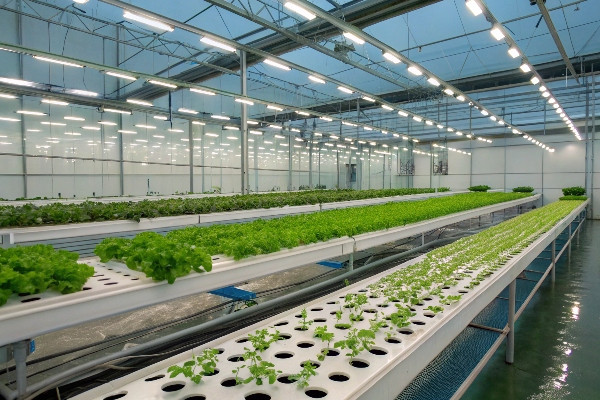
Commercial hydroponic output ranges
| Crop | Hydroponic yield/year | Notes |
|---|---|---|
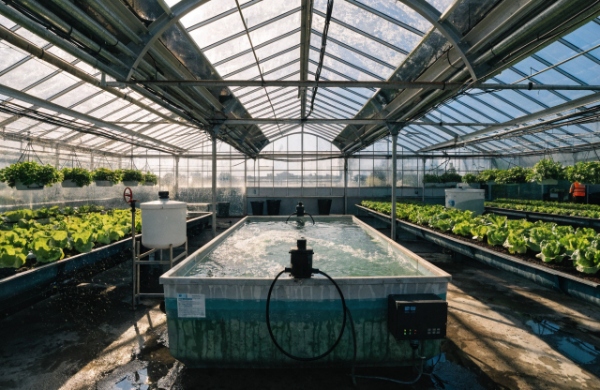
| Lettuce | 8–20 cycles/year | High frequency cash crop |
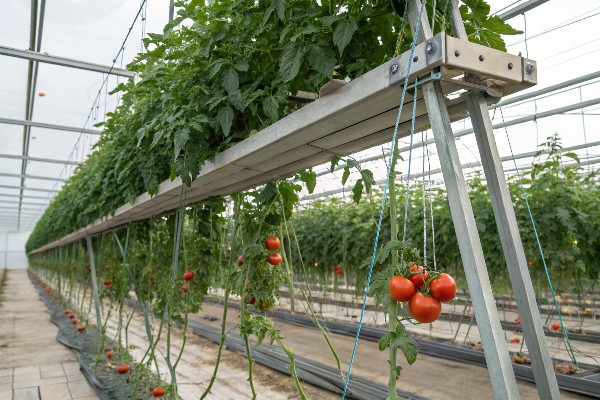
| Tomato | 30–70+ kg/m²/year | Big gap = skill & climate |
| Strawberry | 2–4× outdoor yield | Premium pricing advantage |
Hydroponics does not magically increase yield — it removes limitations.
ROI & Payback — finally a clear model
ROI = Annual Profit ÷ Total Investment
Payback = Investment ÷ Annual Net Income
Example (NFT lettuce farm)
15 cycles/year × 25 heads/m² × $1.5/head → ~$560 revenue/m²
After cost → ~$360 net/m²/year
Estimated Payback = ~4–6 years
Profitability = Yield × Turnover × Market price — not low CAPEX.
Break-even yield — the number that decides success
When output meets this line → the farm lives.
Exceeds it → the farm earns fast.
| Crop | Break-even yield | Ideal profitable yield |
|---|---|---|
| Lettuce | ~10 cycles/year | 15–20 cycles/year |
| Tomato | ~22–30 kg/m² | 45–70+ kg/m²/year |
| Strawberry | ~60% marketable | 85–92% premium grade |
Below break-even = delayed payback or loss.
Above = compounding revenue.
Climate impact — same system ≠ same ROI
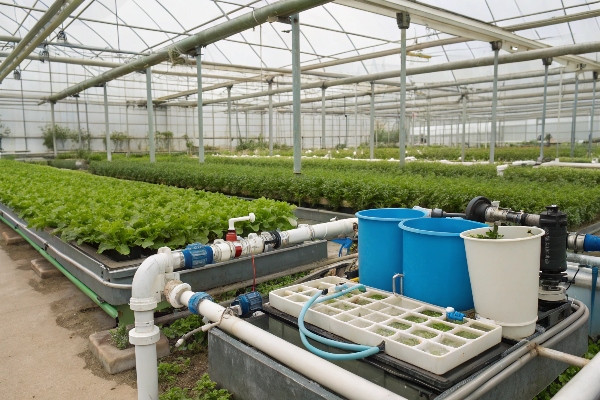
ROI patterns by region
| Region | Advantage | Risk |
|---|---|---|
| Middle East / Desert | Water saving huge | Cooling cost high |
| Canada / Northern Europe | Winter premium price | Heating & LED needed |
| Southeast Asia / Tropics | Fast lettuce cycles | Disease if ventilation weak |
💡 Good design > cheap build.
Sensitivity analysis — only few pages talk about this
| Scenario | ROI Impact |
|---|---|
| Energy +20% | Payback +1–3 years |
| Selling price -10% | Profit -15–25% |
| Yield -20% | ROI may fail completely |
Hydroponics pays — but only with stable management.
Hydroponic greenhouse case studies
Case 1 — NFT Hydroponic Lettuce Farm (Malaysia)
| Indicator | Outdoor | Hydroponic |
|---|---|---|
| Cycle time | 35–45d | 24–30d |
| Cycles/year | 6–8 | 12–18 |
| Loss rate | 22–30% | 5–8% |
| Water usage | — | ↓70–85% |
| ROI | — | 3.5–5 years |
“We stopped waiting for weather. We harvest monthly.”
Case 2 — Dutch Bucket Hydroponic Tomato Greenhouse (Netherlands)
| Indicator | Outdoor Soil | Hydroponic |
|---|---|---|
| Yield | 12–18 kg/m² | 40–60 kg/m² |
| Marketable rate | ~65% | >90% |
| Labor demand | High | ↓30–40% |
| ROI | — | 5–6.5 years |
“Winter tomatoes finally became profitable.”
Conclusion
Hydroponic greenhouses become profitable when yield meets target, climate design matches conditions, and management is consistent. Cost does not guarantee ROI — yield and operational efficiency do.