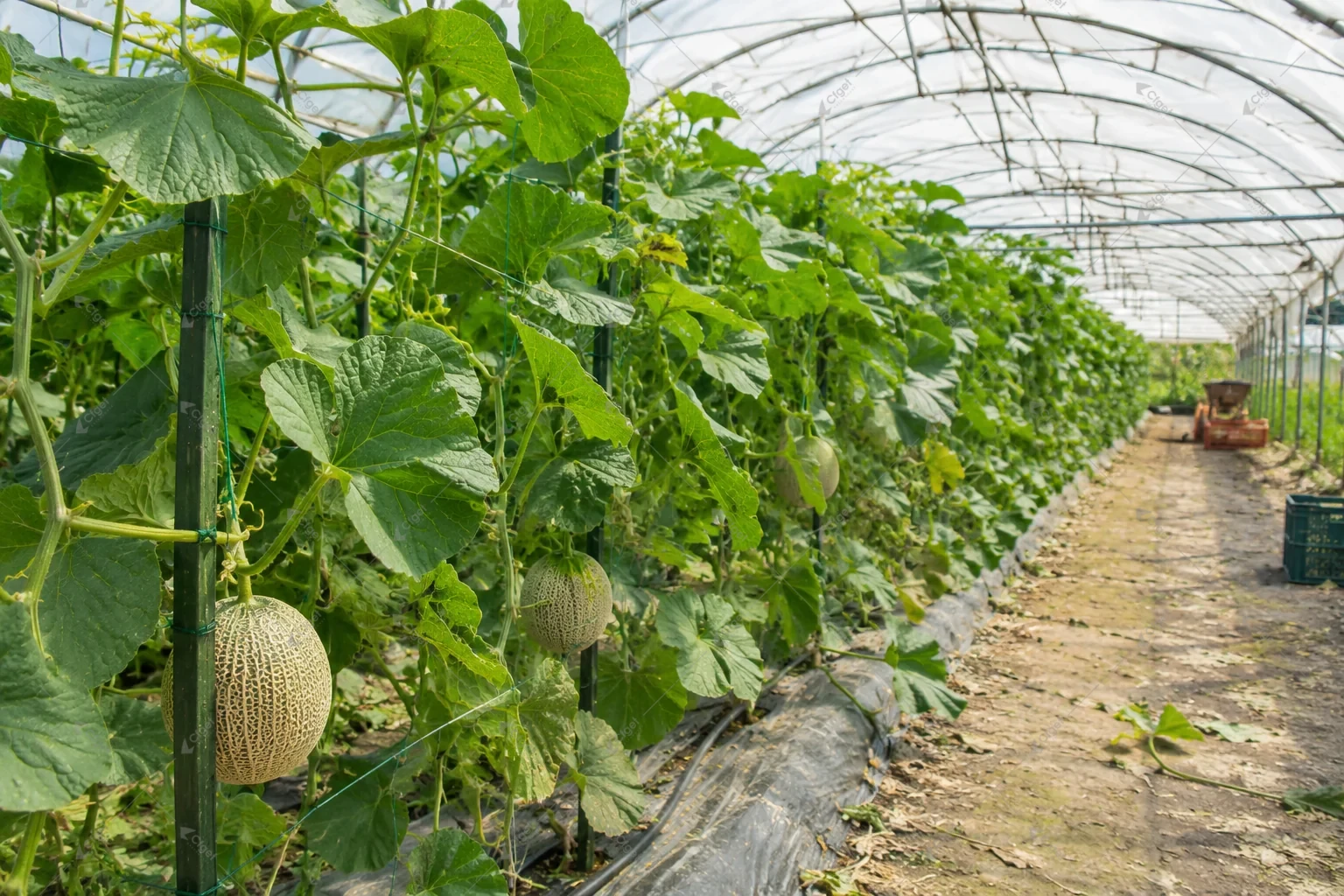
“Nearly finished” can describe two very different melon houses. One has a last pick ready for dispatch. In the other, most fruit still need time on the vine and the buyer expects several more deliveries. The appearance of powdery mildew late in the calendar says little about which decision fits either crop.
Start the conversation with three things: the condition of the leaves that remain, the fruit still developing and the dates on which the buyer can take it. A white patch on a leaf deserves attention, but neither the patch nor the date alone tells the grower what remains to be gained by continuing the crop.
Look at the canopy serving the remaining fruit
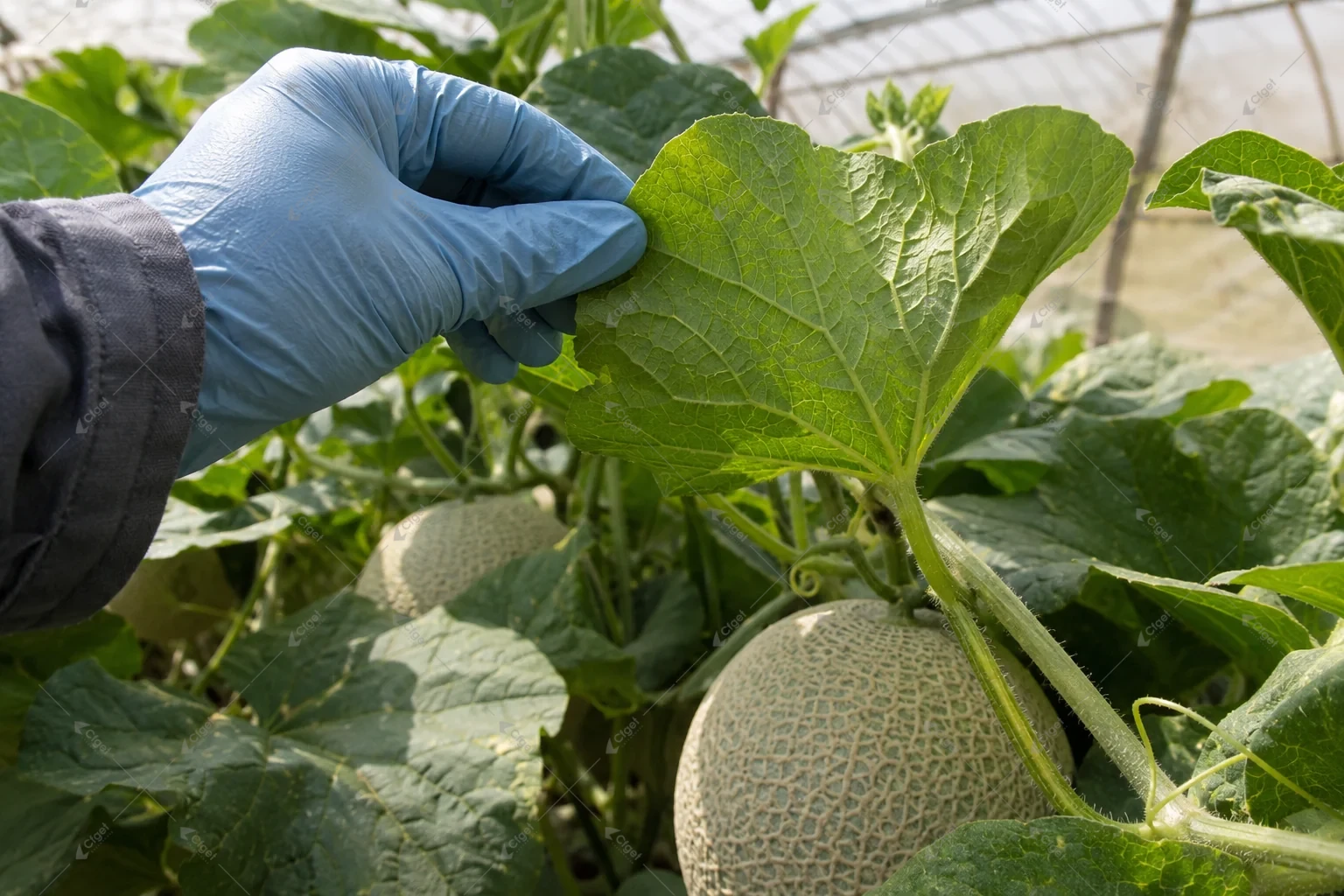
Walk the affected block with the crop adviser. Include the lower leaves and the undersides of leaves as well as the foliage seen from the aisle. Record where suspected powdery growth occurs, which areas still have functioning leaves, and whether the change is confined to one part of the house. If the diagnosis is uncertain, document it as suspected rather than naming the disease from a photograph.
Margaret McGrath’s Cornell account of cucurbit powdery mildew explains why leaf loss matters in both greenhouse and field crops. Premature leaf decline can shorten harvest and reduce fruit size or number. In melons, incomplete ripening and lower soluble solids can also reduce eating quality. The effect that concerns a buyer may therefore become apparent in the fruit even when the most visible disease is on the foliage.
Record which leaves you examined and where. “A few affected leaves at the end of row C” gives the next scout a place to revisit. “The whole house has mildew” hides the difference between an isolated finding and extensive canopy loss. If some leaves were removed between walks, include that in the record; a cleaner-looking row is not evidence of recovery.
Dry leaves do not rule out powdery mildew. At the same time, a leaf that looks dull or pale is not proof of it. Ask the adviser what additional observations or diagnostic material would make a difference to the crop decision.
Divide the fruit into harvest groups
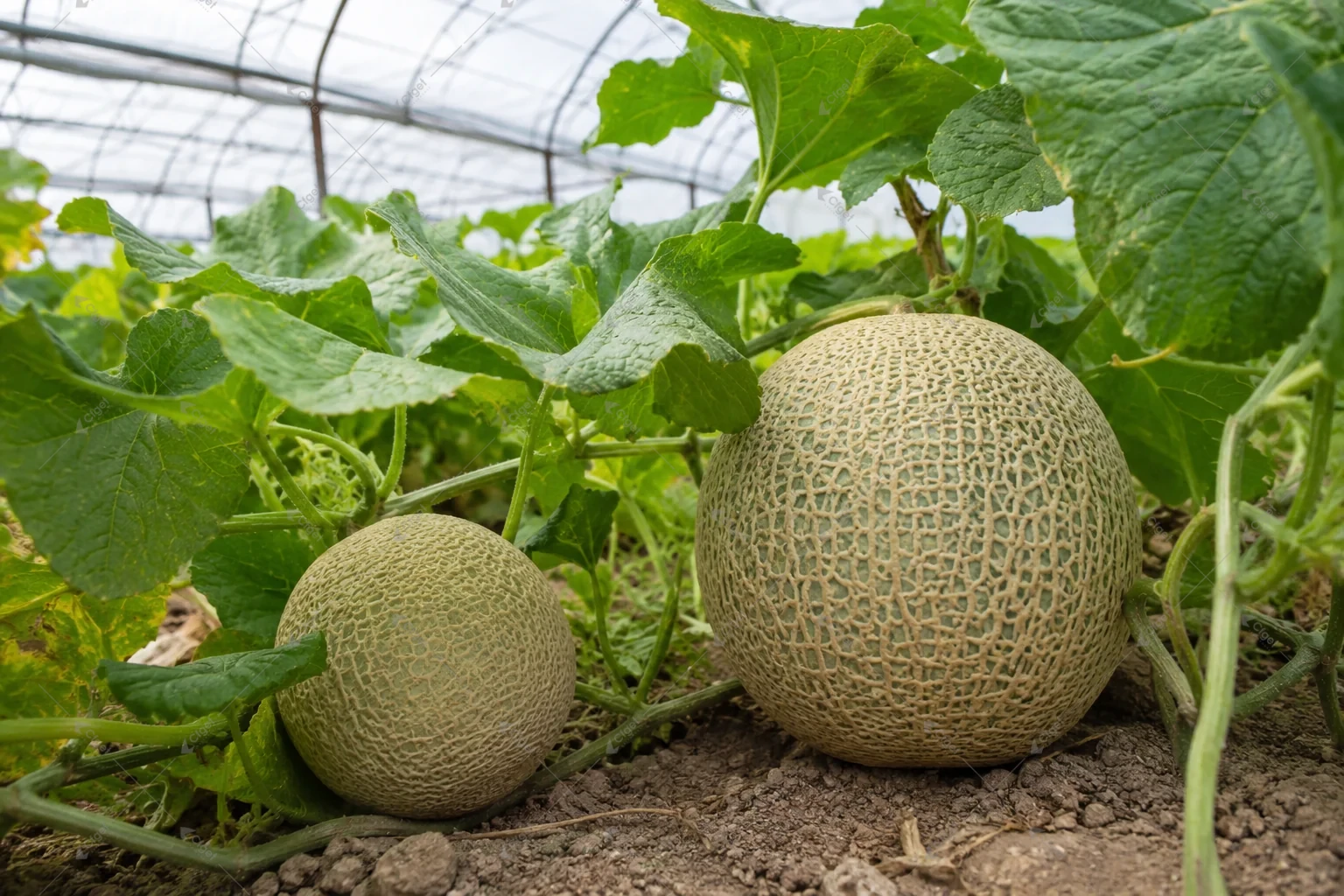
Look below the canopy before estimating what the block has left. The relevant groups are fruit ready for assessment now, fruit present but not yet at the required stage, and fruit whose finishing prospects remain uncertain. Use the named cultivar’s maturity criteria and the buyer’s specification. A fruit count from above the row tells you little about how many boxes can be shipped next week.
For each group, record the approximate number observed, the area covered and the basis for assigning its stage. If only accessible aisle fruit were counted, make that limitation explicit. The view at the edge can differ from the middle of a dense bed. It is more useful to have a partial count with a known boundary than an apparently precise whole-house estimate.
Check the quality that matters for the order. An order for appearance and size still needs an agreed internal-quality standard where the buyer specifies one. Use the operation’s established fruit assessment method and record the lot tested. One acceptable sample does not establish that later fruit under a declining canopy will meet the same requirement.
Avoid treating every fruit left on the vine as a future sale. For example, a mature group due for tomorrow’s collection and a group still filling under weakened leaves have different needs. Keep them separate until the grower has evidence for combining them. That distinction allows the sales team to talk about confirmed supply without promising the uncertain portion.
Put the crop window beside the buyer’s window
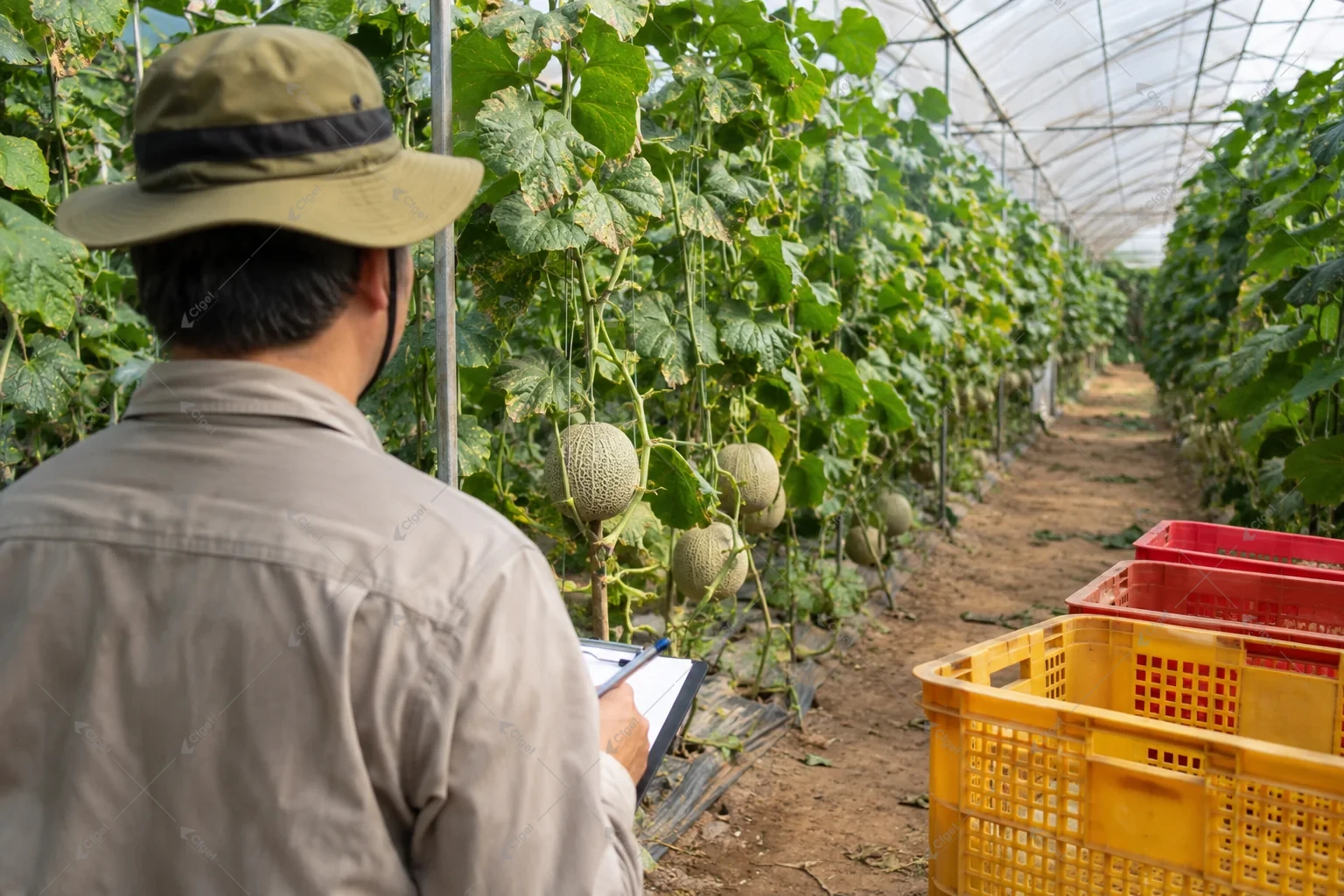
Ask when the next collection actually takes place, how late the order can be accepted and whether a smaller split delivery is possible. These answers can change the decision even when the plants have not changed. There is little value in counting fruit against a cancelled delivery slot, but an available later order may justify another crop assessment.
Set those dates beside the grower’s assessment of the remaining fruit. Which group is already close to its specified stage? Which will still rely on the canopy through the interval? Which has no realistic buyer commitment yet? Retain both the biological and commercial uncertainties. Crop inventory is evidence for a discussion, not a guarantee of accepted yield.
Bring the recent management history to that discussion. The adviser needs to know what was previously done, when the disease was first recognized and whether the later inspection covers the same area. The harvest team needs to know which blocks it can enter and pick under the operation’s current approved programme. Do not create a new treatment schedule from a general disease description.
If the grower considers continuing only part of the house, name the boundary. Two adjoining areas with different fruit stages may need different commercial decisions even though the same adviser reviews their plant-health plan. Keep the reason for each decision visible to the people assigning labour and booking collections.
Agree the next inspection or closeout decision
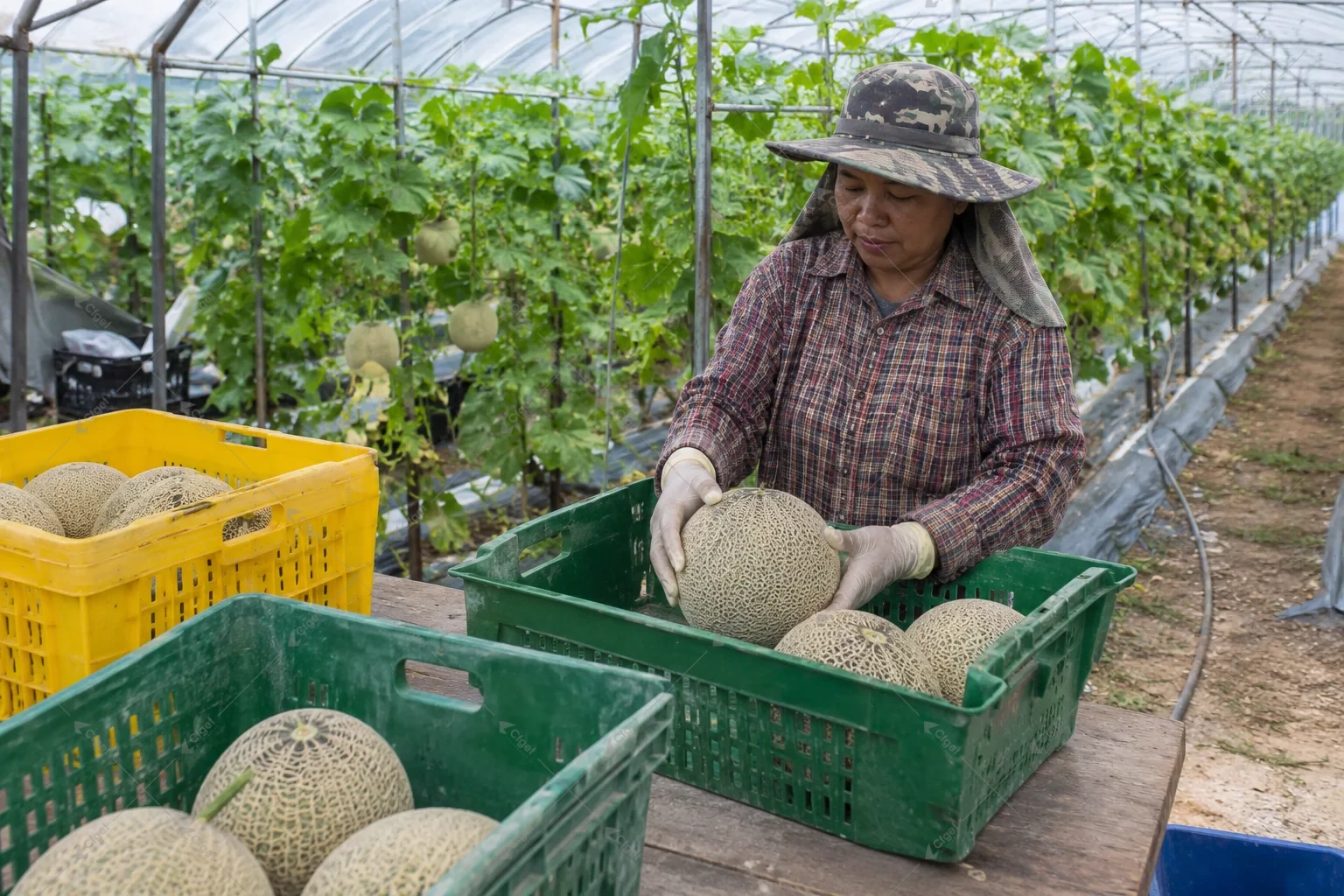
Specify what the next review must answer. It might be whether a named group has reached buyer stage, whether usable foliage has declined further, or whether an uncertain block still has a viable collection date. Give the check an owner and a time that fits the next picking decision. “Continue watching” is difficult to act on when several teams work the same house.
Where the crop continues, compare actual pick and quality results with the earlier estimate. Record both accepted fruit and fruit that did not meet the order, using the buyer’s actual reasons. A size rejection, weak flavour and physical handling damage are different outcomes. Do not assign them all to mildew simply because mildew was present.
Where the crop is being closed, agree the final harvest and changeover with the responsible grower. Preserve the cultivar, affected area, timing of canopy loss and final sales outcome for the next planning review. Future decisions can then begin with what happened to the crop that remained, rather than a calendar rule that all late mildew is either harmless or uneconomic to manage.
For a greenhouse planning review, a row map marked with the remaining fruit groups, scouting access and picking route is often more informative than a single disease photograph. It shows where the crop and dispatch decisions actually meet.