Struggling with high energy costs while trying to keep your greenhouse at the perfect temperature? Many growers face this exact challenge every growing season.
Natural ventilation through strategic roof and side vent placement can reduce your cooling costs by up to 80% while maintaining optimal growing conditions. This time-tested method uses physics to create consistent airflow without electricity or complex systems.

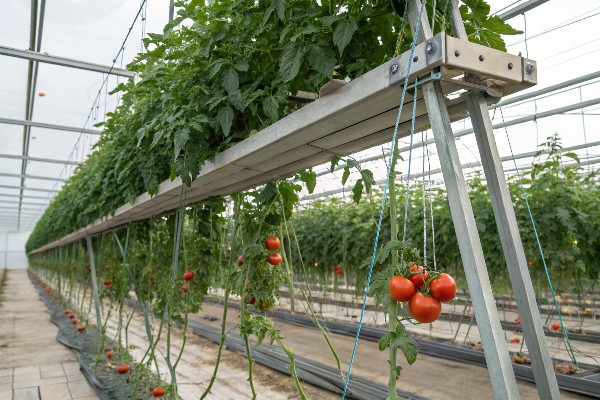
Strategic vent placement creates efficient natural airflow patterns.
After 29 years of designing greenhouse systems, I have seen countless growers transform their operations with proper natural ventilation. The beauty lies in its simplicity. When we design the basic configuration for all CFGET greenhouses, we focus on creating the perfect balance between roof and side vents. This approach has proven successful across different climates, from the humid conditions of Southeast Asia to the variable temperatures of Central Asia.
The Chimney Effect: How Roof & Side Vents Create Perfect Airflow?
Hot air trapped in your greenhouse can destroy crops faster than you think. This problem becomes critical during peak growing seasons.
The chimney effect occurs when hot air rises through roof vents while cool air enters through side vents, creating continuous circulation. This natural process can maintain temperature differences of 10-15°F between inside and outside without any mechanical assistance.

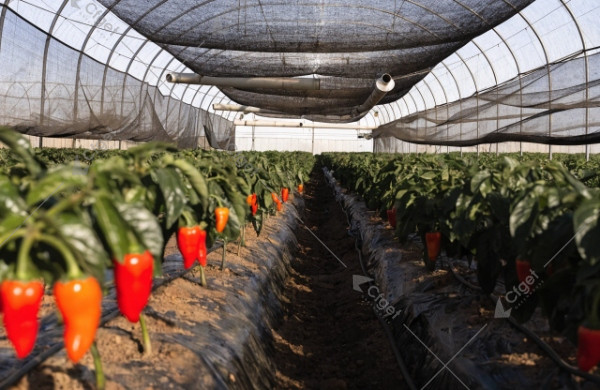
Hot air rises while cool air enters creating natural circulation.
Understanding the physics behind this process helps us design better systems. When solar radiation heats the air inside your greenhouse, that warm air becomes less dense and naturally rises toward the roof. We position roof vents at the highest points to capture this rising air. At the same time, cooler outside air gets drawn in through side vents positioned near ground level.
The key lies in proper sizing and placement. Through our experience across more than 20 countries, I have learned that the total vent area should equal 15-20% of the floor area. We typically split this ratio with 60% roof vents and 40% side vents. This configuration creates the strongest chimney effect.
Temperature differences drive this system. Even a 5°F difference between inside and outside air can generate significant airflow. The greater the temperature difference, the stronger the natural ventilation becomes. This makes the system most effective during the hottest parts of the day when cooling is needed most.
Wind also plays a crucial role. External wind pressure on one side of the greenhouse pushes air through side vents while creating suction on the opposite side. We design our vent systems to work with prevailing wind patterns in each region. This dual approach of thermal and wind-driven ventilation ensures consistent performance.
More Than Cooling: Preventing Disease with Proper Air Circulation?
Stagnant air in your greenhouse creates the perfect breeding ground for fungal diseases and pest infestations. Many growers lose entire crops to problems that proper airflow could prevent.
Continuous air movement through natural ventilation reduces humidity levels by 20-30% and prevents disease-causing moisture from settling on plants. This airflow also disrupts pest life cycles and creates an inhospitable environment for harmful organisms.

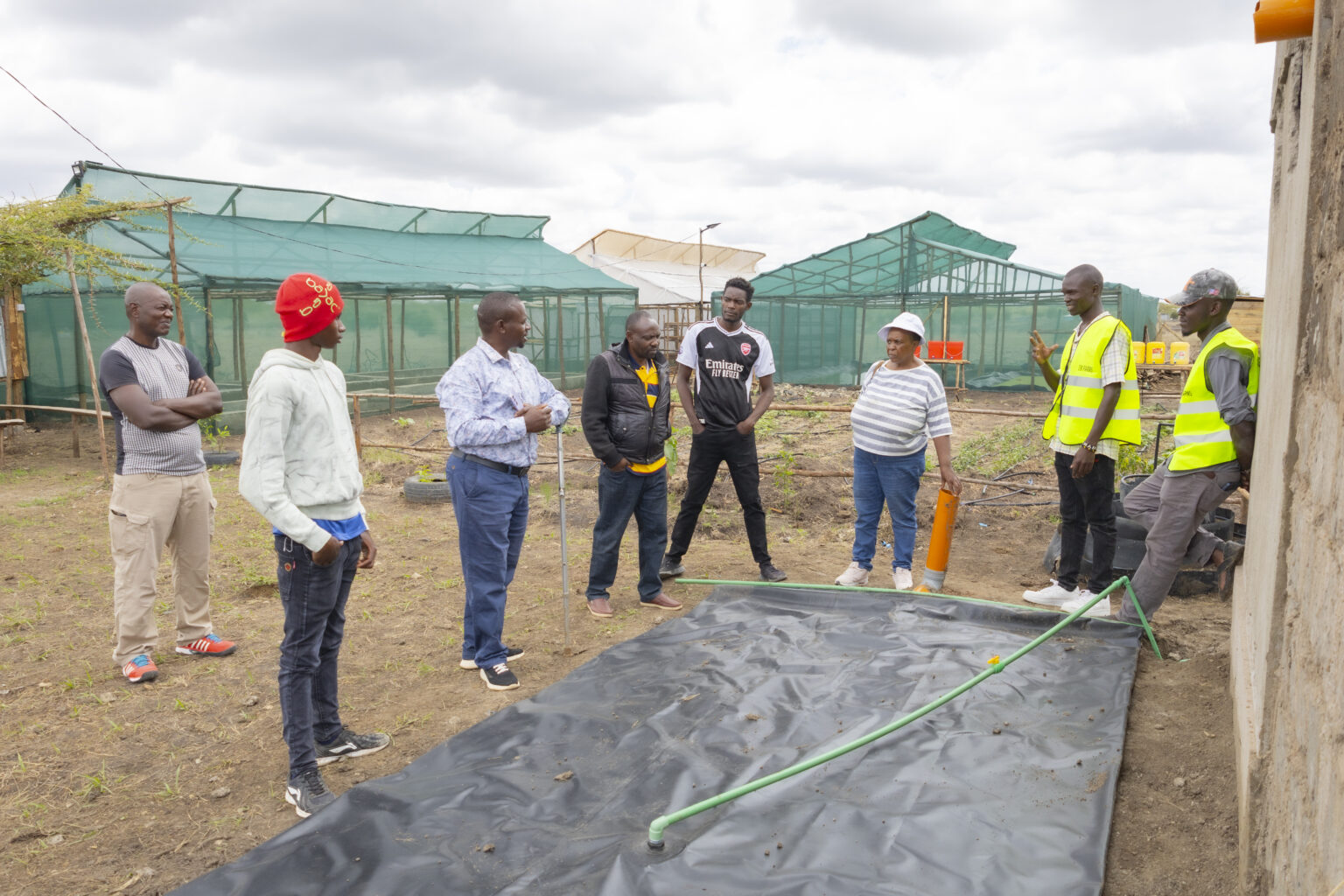
Proper airflow keeps plants healthy and disease-free naturally.
Disease prevention starts with understanding moisture dynamics. When air moves constantly through your greenhouse, it carries away excess humidity before it can condense on plant surfaces. Fungal spores need moisture to germinate and spread. By maintaining air movement, we create conditions where these pathogens cannot establish themselves.
Our natural ventilation systems also help regulate transpiration rates in plants. When air moves across leaf surfaces, it removes the boundary layer of humid air that surrounds each leaf. This process allows plants to transpire more efficiently, which improves nutrient uptake and overall plant health.
Temperature uniformity becomes another major benefit. Without proper airflow, hot spots develop in different areas of the greenhouse. These temperature variations stress plants and create microclimates where diseases thrive. Natural ventilation eliminates these hot spots by distributing air evenly throughout the growing space.
Pest control improves significantly with good airflow. Many flying insects prefer still air conditions for laying eggs and feeding. Constant air movement makes it difficult for these pests to land and establish populations. We have observed dramatic reductions in aphid and whitefly problems when growers implement proper natural ventilation systems.
The Smart Choice for Temperate Climates: Why Natural Ventilation Is Often Enough?
Expensive mechanical cooling systems might be overkill for your growing conditions. Many growers invest in complex equipment they simply do not need.
In temperate climates with summer temperatures below 85°F, natural ventilation alone can maintain optimal growing conditions for most crops. This approach eliminates energy costs while providing more reliable temperature control than mechanical systems.
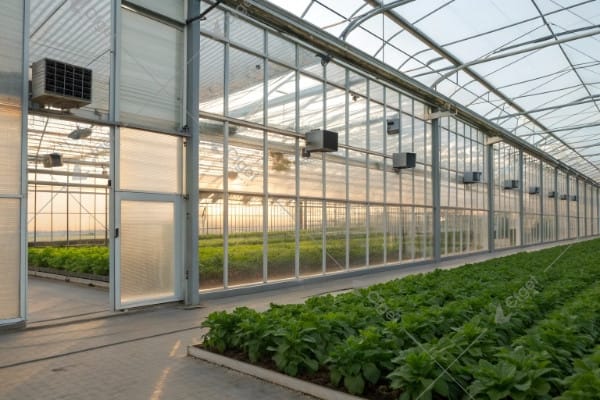
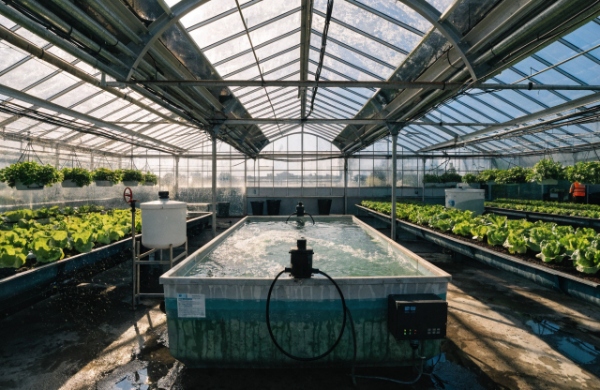
Natural systems work perfectly in moderate temperature zones.
Climate analysis reveals the true potential of natural ventilation. In regions where summer temperatures rarely exceed 85°F, the temperature differential between inside and outside air provides sufficient driving force for natural airflow. We have installed successful systems across temperate zones in Europe and North America where mechanical cooling would be unnecessary expense.
Economic benefits become clear when you calculate long-term costs. Natural ventilation systems require minimal maintenance and no electricity to operate. Over a 10-year period, the savings compared to mechanical cooling can exceed $50,000 for a typical commercial greenhouse. These savings allow growers to invest in other improvements like better growing media or advanced irrigation systems.
Reliability stands out as another major advantage. Mechanical systems can fail during the hottest days when cooling is most critical. Natural ventilation has no moving parts to break down and no electrical components to malfunction. This reliability becomes especially important in remote locations where service calls are expensive and time-consuming.
Crop quality often improves with natural ventilation. The gentle, consistent airflow mimics outdoor growing conditions better than forced-air systems. Plants develop stronger stems and better root systems when they experience natural air movement patterns. We have documented improved yields and better fruit quality in naturally ventilated greenhouses compared to mechanically cooled facilities.
3 Keys to Optimizing Your Natural Ventilation Design?
Poor vent design can make natural ventilation completely ineffective. Many greenhouse owners struggle with inadequate cooling because their systems were not properly planned.
Successful natural ventilation requires proper vent sizing (15-20% of floor area), strategic placement (roof vents at peaks, side vents near ground), and automated controls that respond to temperature changes. These three elements work together to create optimal growing conditions.

Perfect vent sizing and placement creates maximum cooling efficiency.
Vent sizing calculations form the foundation of effective design. We use a formula based on greenhouse volume, expected temperature rise, and local climate conditions. For most applications, total vent area should equal 15-20% of the floor area. However, this percentage increases in hot climates and decreases in cooler regions. Our experience across different climates has taught us to adjust these calculations based on local conditions.
| Climate Zone | Vent Area % | Roof/Side Split | Special Considerations |
|---|---|---|---|
| Temperate | 15-18% | 60/40 | Wind direction priority |
| Hot Humid | 20-25% | 65/35 | Continuous operation |
| Arid | 18-22% | 55/45 | Night cooling focus |
Strategic placement determines airflow patterns throughout the greenhouse. Roof vents must be positioned at the highest structural points to capture rising hot air effectively. We typically space roof vents every 12-16 feet along the ridge line. Side vents work best when placed within 3 feet of ground level to draw in the coolest available air.
Automated controls ensure optimal performance without constant manual adjustment. Temperature-activated vent openers respond automatically to changing conditions. These systems open vents gradually as temperatures rise and close them when cooling is no longer needed. We recommend dual-temperature sensors to account for variations within the greenhouse space.
The interaction between all three elements creates synergy that exceeds the sum of individual parts. Proper sizing provides adequate airflow capacity. Strategic placement directs that airflow where it is needed most. Automated controls ensure the system operates at peak efficiency throughout changing daily and seasonal conditions.
Conclusion
Natural ventilation offers energy-free cooling through strategic vent design and automated controls, making it the smart choice for sustainable greenhouse operations.