Picture this: your research facility struggles with inconsistent growing conditions. Your students can’t see real agricultural processes in action. Your community lacks access to modern farming education.
Research and exhibition greenhouses solve these challenges by combining scientific precision with public engagement. These specialized structures serve as living laboratories where research, education, and community outreach converge to advance agricultural knowledge and inspire the next generation of growers.
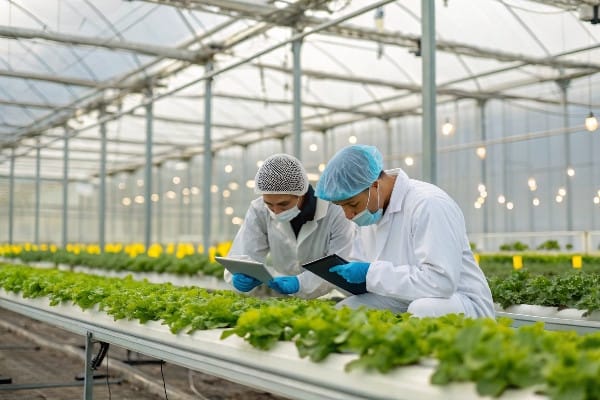
After 29 years in greenhouse design, I’ve seen how these facilities transform institutions. They’re not just growing spaces – they’re knowledge hubs that bridge the gap between cutting-edge research and practical application.
Beyond the Glass: What Makes Research Greenhouses Different from Commercial Operations?
Your commercial greenhouse focuses on profit margins and production speed. Your research facility needs something entirely different. The stakes feel overwhelming when grant funding depends on precise data collection.
Research greenhouses prioritize data accuracy and educational value over pure production efficiency. They feature advanced monitoring systems, flexible growing zones, and visitor-friendly designs that support both scientific research and public engagement activities.
The fundamental difference lies in purpose and design philosophy. Commercial greenhouses maximize yield per square foot. Research facilities maximize learning opportunities and data quality. I remember visiting a university greenhouse where students could observe plant responses to different light spectrums in real-time. The facility had transparent partitions between growing zones so visitors could see multiple experiments simultaneously.
These structures serve multiple stakeholders with different needs. Researchers require precise environmental control for reproducible results. Students need hands-on learning opportunities with clear visual access to growing processes. The public wants engaging displays that explain agricultural science in accessible terms. Funding bodies expect measurable educational outcomes and research publications.
The design must accommodate specialized equipment that commercial growers rarely use. Research-grade sensors cost significantly more than standard monitoring systems but provide the accuracy needed for peer-reviewed studies. Climate chambers within the main structure allow for controlled experiments. Dedicated spaces for sample preparation and data analysis integrate seamlessly with growing areas.
Visitor flow becomes a critical design element. Pathways must provide clear sightlines without disrupting ongoing research. Educational displays need regular updates as experiments progress. Safety considerations multiply when dealing with public access to active research areas.
The structural requirements differ substantially from commercial applications. Research greenhouses often need higher ceilings to accommodate specialized equipment. Electrical systems must support extensive monitoring networks and research instruments. Ventilation systems require precise control rather than simple temperature management.
Achieving Research-Grade Precision: How Do Automated Systems Ensure Data Reliability?
Manual climate control introduces human error into your research data. Temperature fluctuations of even two degrees can invalidate months of experimental work. Your reputation depends on reproducible results that other institutions can verify.
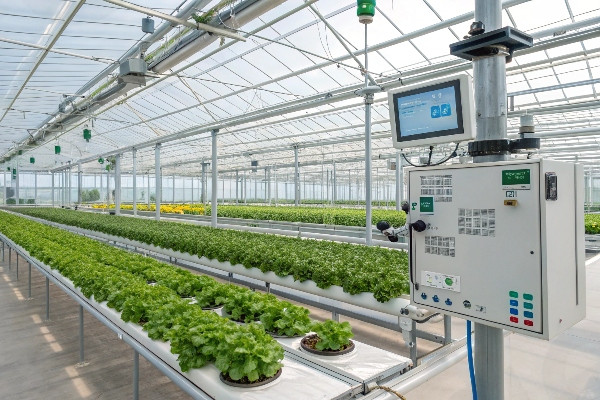
Automated climate control systems maintain environmental parameters within 0.5-degree accuracy, ensuring research data meets peer-review standards. These systems integrate sensors, actuators, and data logging to create controlled conditions that support valid scientific conclusions.
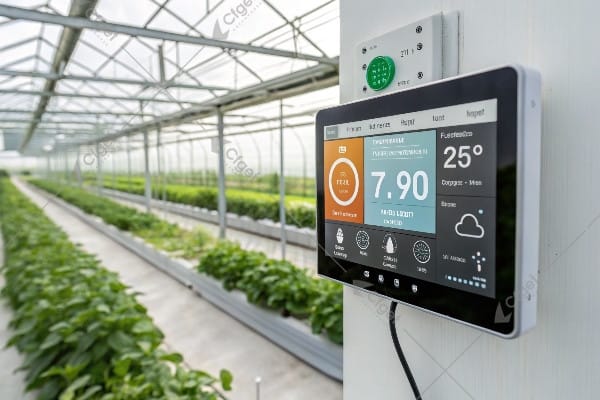
Precision starts with sensor selection and placement. Research applications demand sensors with calibration certificates and documented accuracy specifications. Temperature sensors must maintain accuracy across the full operating range with minimal drift over time. Humidity sensors require regular calibration against reference standards. Light sensors need spectral response curves that match research requirements.
Data logging systems capture measurements at intervals appropriate for the research protocol. Some experiments need readings every minute while others require hourly averages. The system must store data with timestamps and maintain backup copies. Integration with laboratory information management systems allows researchers to correlate environmental data with plant measurements.
Control algorithms go beyond simple on-off switching found in commercial systems. Proportional-integral-derivative controllers maintain stable conditions without overshooting target values. Predictive algorithms anticipate environmental changes based on weather forecasts and daily cycles. Multi-zone control allows different experiments to run simultaneously under different conditions.
Equipment redundancy prevents data loss from system failures. Backup sensors provide continuous monitoring if primary sensors fail. Redundant actuators ensure climate control continues during equipment maintenance. Uninterruptible power supplies maintain system operation during power outages.
Communication protocols enable remote monitoring and control. Researchers can check conditions from their offices and receive alerts about system anomalies. Integration with building management systems coordinates greenhouse operations with facility-wide energy management. Web-based interfaces allow authorized users to access data from anywhere.
The system must document all environmental conditions for regulatory compliance and publication requirements. Audit trails record every control action with timestamps and user identification. Calibration records demonstrate measurement accuracy over time. Data export functions support statistical analysis and graphing software used by researchers.
Designing for Discovery: What Architectural Features Enhance the Visitor Experience?
Your visitors arrive with varying levels of agricultural knowledge. Some are elementary students seeing plants grow for the first time. Others are industry professionals evaluating new technologies. Creating an engaging experience for everyone seems impossible without compromising research integrity.
Effective research greenhouse architecture balances scientific functionality with educational accessibility through strategic sightlines, interactive displays, and flexible spaces that adapt to different visitor groups while maintaining research protocols.
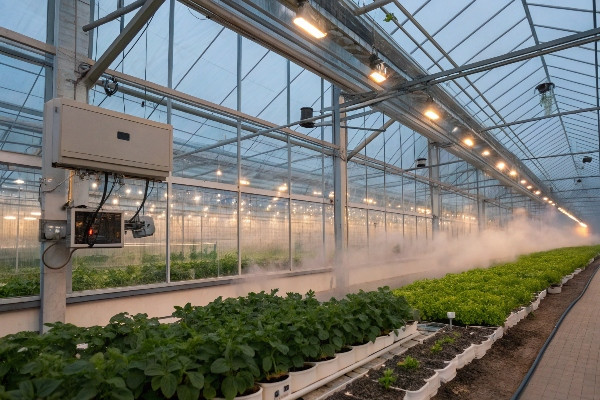
Visitor circulation requires careful planning to prevent interference with research activities. Elevated walkways provide excellent views of growing areas without allowing direct contact with experimental plants. Glass partitions maintain visual access while protecting sensitive experiments from contamination. Dedicated entrance and exit points control visitor flow and maintain security protocols.
Lighting design serves dual purposes in research and exhibition spaces. Growing areas need specific light spectrums for plant development while visitor areas require comfortable illumination for reading displays and safe navigation. LED systems with programmable controls can adjust color temperature and intensity based on time of day and visitor schedules.
Interactive displays transform passive observation into active learning experiences. Touch screens allow visitors to explore different growing techniques and environmental settings. Real-time data displays show current greenhouse conditions and explain how they affect plant growth. Before-and-after photo galleries demonstrate research outcomes over time.
Flexible spaces accommodate different types of educational programs. Classroom areas within the greenhouse allow instructors to reference live examples during lessons. Demonstration plots can be reconfigured for different age groups and learning objectives. Mobile display systems adapt to seasonal research cycles and changing exhibitions.
Accessibility considerations ensure all visitors can participate fully in the educational experience. Wheelchair-accessible pathways reach all major viewing areas. Visual displays include audio descriptions for visitors with visual impairments. Multi-language signage serves diverse community populations.
Climate comfort for visitors requires separate consideration from plant growing conditions. Visitor areas may need supplemental heating or cooling to maintain human comfort while research areas optimize for plant requirements. Air circulation systems prevent humidity buildup in crowded viewing areas without disrupting controlled growing environments.
Safety systems protect both visitors and research integrity. Emergency exits are clearly marked and easily accessible from all visitor areas. Restricted access zones protect sensitive experiments and expensive equipment. Security systems monitor visitor movement and prevent unauthorized access to research areas.
From Concept to Funding: What Are the 4 Essential Steps for Grant Success?
Your institution needs a research greenhouse but faces tight budget constraints. Grant applications seem overwhelming with their technical requirements and budget justifications. Previous funding attempts failed due to incomplete proposals or unrealistic timelines.
Successful greenhouse grant proposals follow four critical steps: needs assessment and stakeholder alignment, technical specification development, budget justification with cost-benefit analysis, and partnership building with equipment suppliers and educational organizations.
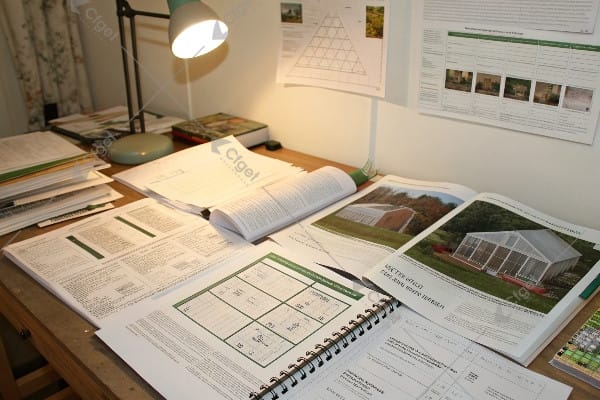
Step 1: Needs Assessment and Stakeholder Alignment
Begin with comprehensive stakeholder interviews to document specific requirements from each user group. Researchers need precise environmental control for their experimental protocols. Educators require flexible spaces that support different teaching methods. Administrators want measurable outcomes that justify the investment. Community partners seek programs that serve local educational needs.
Document current limitations that the greenhouse will address. Quantify the number of students who will benefit from hands-on learning opportunities. Identify research projects that require controlled growing environments. Calculate the economic impact of improved agricultural education in your region.
Create a stakeholder advisory committee that includes representatives from all user groups. Regular meetings ensure the project maintains broad support throughout the development process. Written endorsements from key stakeholders strengthen the grant application and demonstrate institutional commitment.
Step 2: Technical Specification Development
Work with experienced greenhouse designers to develop detailed technical specifications that match your research and educational objectives. Climate control requirements must support the most demanding research protocols while remaining flexible enough for educational demonstrations.
Specify equipment with documented performance characteristics and warranty terms. Research-grade sensors and controls cost more than commercial alternatives but provide the accuracy needed for publishable results. Include provisions for future upgrades as research needs evolve.
Develop architectural plans that optimize both functionality and visitor experience. Structural engineers must account for local weather conditions and building codes. Electrical and mechanical systems require coordination with campus utilities and maintenance staff.
Step 3: Budget Justification with Cost-Benefit Analysis
Create detailed cost estimates that include construction, equipment, installation, and first-year operating expenses. Obtain quotes from multiple suppliers to demonstrate competitive pricing. Include contingency funds for unexpected costs during construction.
Calculate long-term benefits in quantifiable terms. Estimate the number of students who will use the facility annually. Project research publications and grant funding that the facility will enable. Document cost savings from reduced need for off-site field trips and laboratory rentals.
Compare costs with alternative approaches to achieving the same educational and research objectives. Demonstrate that the greenhouse provides better value than temporary solutions or off-site partnerships.
Step 4: Partnership Building
Establish partnerships with equipment suppliers who can provide technical support and training. Many manufacturers offer educational discounts and extended warranty terms for institutional customers. Some suppliers provide ongoing maintenance contracts that ensure long-term system reliability.
Develop relationships with other institutions that operate similar facilities. Site visits provide valuable insights into design decisions and operational challenges. Collaborative agreements can share resources and reduce individual costs.
Engage with local agricultural organizations and government agencies that support educational initiatives. Their endorsement letters strengthen grant applications and may provide matching funds or in-kind contributions.
Create detailed project timelines that coordinate construction with academic schedules. Summer construction minimizes disruption to classes while allowing completion before the next growing season. Phased implementation can spread costs across multiple budget cycles if needed.
Conclusion
Research and exhibition greenhouses represent the future of agricultural education and innovation. These specialized facilities bridge the gap between scientific research and public engagement, creating lasting value for institutions and communities alike.