Your growing operation needs to expand but traditional scaling methods mean multiplying costs without multiplying efficiency.
Multi-span film greenhouses reduce per-square-meter costs by 35-45% compared to single structures while providing unified climate control across thousands of square meters for consistent commercial production.
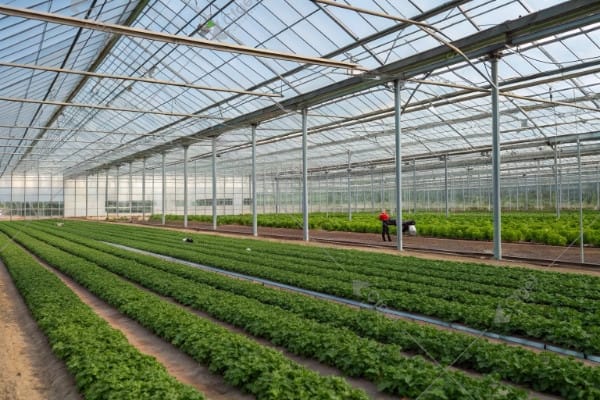
Commercial multi-span greenhouses maximizing land efficiency.
After 29 years helping commercial growers scale their operations, we at CFGET have learned that profitable expansion requires more than just adding greenhouse space. You need structures that reduce labor per unit, optimize climate control efficiency, and adapt to your specific crop requirements. Multi-span film greenhouses deliver exactly this combination, which explains why they’ve become the standard for commercial operations from Thailand’s tropical lowlands to Kazakhstan’s continental extremes.
Achieving Economies of Scale: The Cost-Effectiveness of Multi-span Structures?
Building multiple single greenhouses drains your capital through repeated infrastructure costs and inefficient land use.
Multi-span greenhouses share walls, foundations, and climate systems between connected units, cutting construction costs to $15-25 per square meter while covering 70% more growing area on the same land footprint.
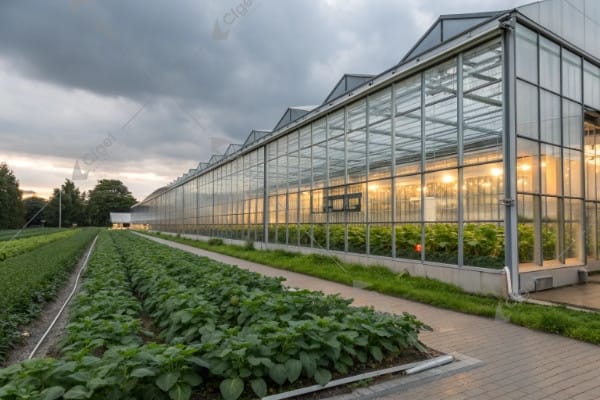
Space and cost efficiency of multi-span design.
Breaking Down the Real Cost Advantages
When we design multi-span systems, every shared component multiplies your savings. A 5,000-square-meter multi-span greenhouse needs just one electrical connection, one water main, and one control room. Five separate 1,000-square-meter greenhouses would require five of everything. Our recent project in Malaysia demonstrated this perfectly – the client saved $47,000 in infrastructure costs alone by choosing a multi-span design over multiple tunnels.
| Cost Factor | Single Greenhouses (5x1000m²) | Multi-span (5000m²) | Savings |
|---|---|---|---|
| Foundation Work | $35,000 | $22,000 | $13,000 |
| Climate Control Systems | $25,000 | $15,000 | $10,000 |
| Irrigation Infrastructure | $18,000 | $11,000 | $7,000 |
| Electrical Installation | $12,000 | $7,000 | $5,000 |
| Labor for Construction | $20,000 | $13,000 | $7,000 |
| Total Construction | $110,000 | $68,000 | $42,000 |
The operational savings continue after construction. One worker manages climate control for the entire multi-span structure through a central system. Pest management becomes more effective because you’re treating one contained space rather than moving between buildings. Even simple tasks like checking temperatures or adjusting vents take 60% less time in multi-span layouts. These efficiency gains translate directly to your bottom line – our clients typically report 25-30% lower operational costs per kilogram of produce.
From Seedlings to Harvest: Customizing Your Greenhouse Layout for Maximum Yield?
Standard greenhouse designs force you to adapt your growing methods to the structure instead of the other way around.
Multi-span greenhouses offer complete flexibility in bay width, height, and internal configuration, allowing you to optimize layouts for specific crops, mechanization requirements, and workflow patterns that maximize production per square meter.
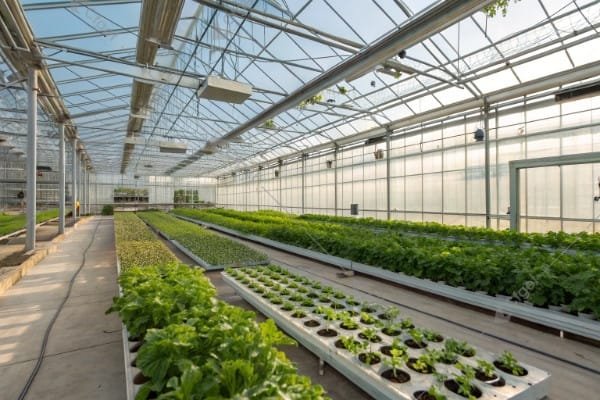
Strategically designed growing zones for maximum efficiency.
Designing Your Production Flow
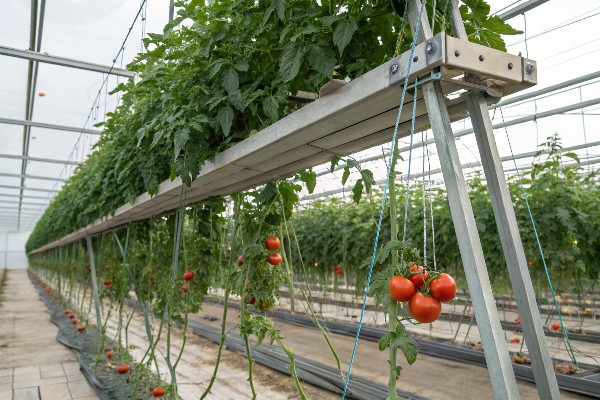
We start every multi-span project by mapping your production cycle. Where do seedlings begin? How do plants move through growth stages? What equipment needs access? These questions shape the physical structure. For a recent tomato operation in Turkey, we designed 8-meter spans to accommodate their existing transplanting equipment, with 5-meter ridge height for vertical growing systems. The layout included dedicated zones – 20% for seedling development, 70% for production, and 10% for packing and logistics.
The beauty of multi-span flexibility shows in specialized configurations. Cucumber growers benefit from 9.6-meter spans that optimize hanging crop systems. Leafy vegetable producers prefer 6.4-meter spans with lower heights for better climate uniformity. We can even combine different span widths in one structure – wider spans for tall crops, narrower ones for processing areas.
| Crop Type | Optimal Span Width | Ridge Height | Special Features |
|---|---|---|---|
| Tomatoes | 8.0m | 5.0m | Vertical support systems |
| Cucumbers | 9.6m | 5.5m | High-wire cultivation |
| Lettuce/Herbs | 6.4m | 4.0m | Multi-tier benching |
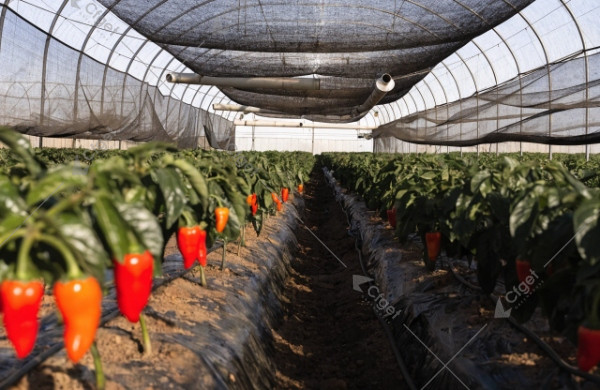
| Peppers | 8.0m | 4.5m | Row spacing for carts |
| Seedling Production | 6.4m | 3.5m | Moveable bench systems |
Internal logistics determine profitability as much as crop yield. We design central corridors wide enough for electric carts or small tractors. Concrete pathways in high-traffic areas prevent soil compaction and enable year-round access. Automated boom irrigation systems travel on overhead rails, eliminating ground-level obstacles. Every design decision focuses on reducing labor time and increasing productive growing space.
A Contractor’s Guide: Key Considerations for Installation and System Integration?
Poor installation planning leads to delays, cost overruns, and systems that never perform as promised.
Successful multi-span installation requires coordinated scheduling of foundation, structure, covering, and systems work, with critical attention to drainage, ventilation alignment, and control system integration from day one.
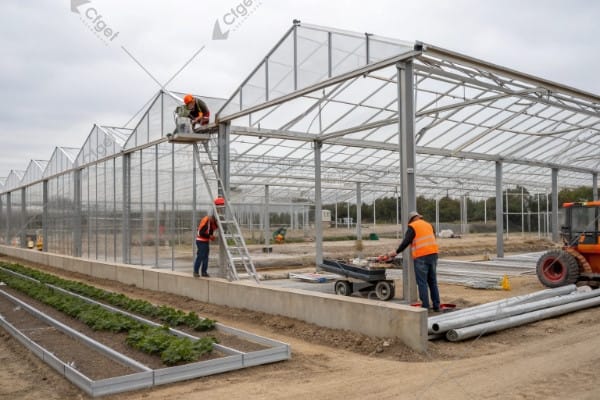
Systematic installation ensuring structural integrity.
Managing Complex Installation Projects
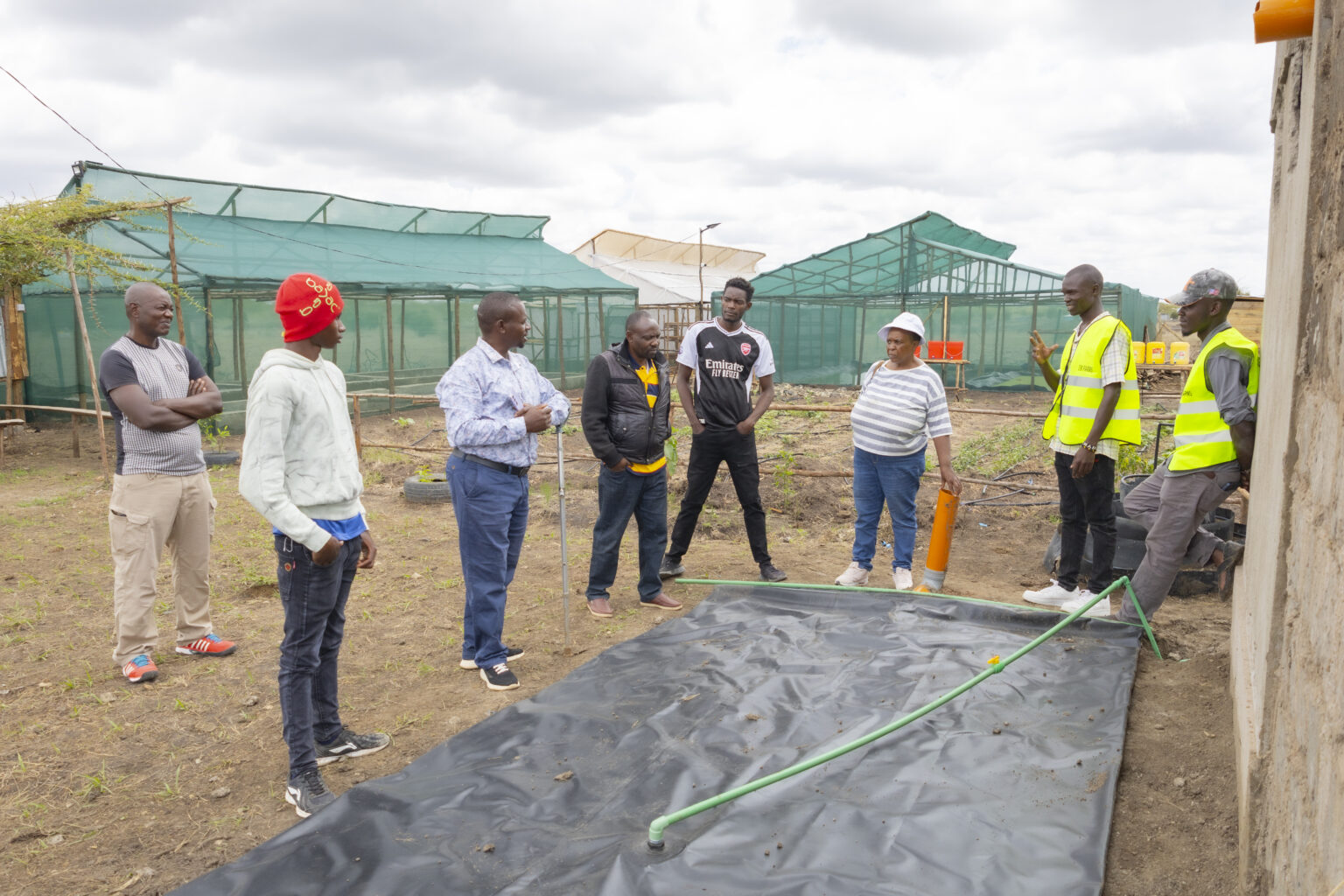
Foundation preparation determines everything that follows. We require soil testing before breaking ground because multi-span structures concentrate loads differently than single houses. Poor drainage destroyed a competitor’s project in Indonesia last year – water accumulated under the structure, causing differential settling that twisted the frame. We now specify French drains around the perimeter and graded floors that direct water to collection points. This adds $2-3 per square meter but prevents catastrophic failures.
The installation sequence matters immensely. We erect all structural columns first, ensuring perfect alignment using laser levels. Gutter connections come next – these carry both structural loads and rainwater, so precision is critical. Only after the main frame stands true do we install the film covering. This sequence prevents wind damage during construction and ensures proper tensioning of the covering material.
System integration happens parallel to structure assembly, not after. Electrical conduits run through columns during erection. Irrigation mains install beneath pathways before concrete pouring. Climate sensors mount during gutter installation when access is easy. This integrated approach typically saves two weeks compared to sequential installation and prevents the damage that occurs when contractors drill through completed structures. We provide detailed scheduling charts showing exactly when each trade needs site access, preventing conflicts and delays.
Planning for Growth: How Multi-span Systems Future-Proof Your Agricultural Business?
Fixed structures limit your ability to adapt to market changes or expand successful operations.
Multi-span designs allow seamless expansion through modular additions, easy technology upgrades, and flexible crop rotation capabilities that protect your investment against market shifts and technological advances.
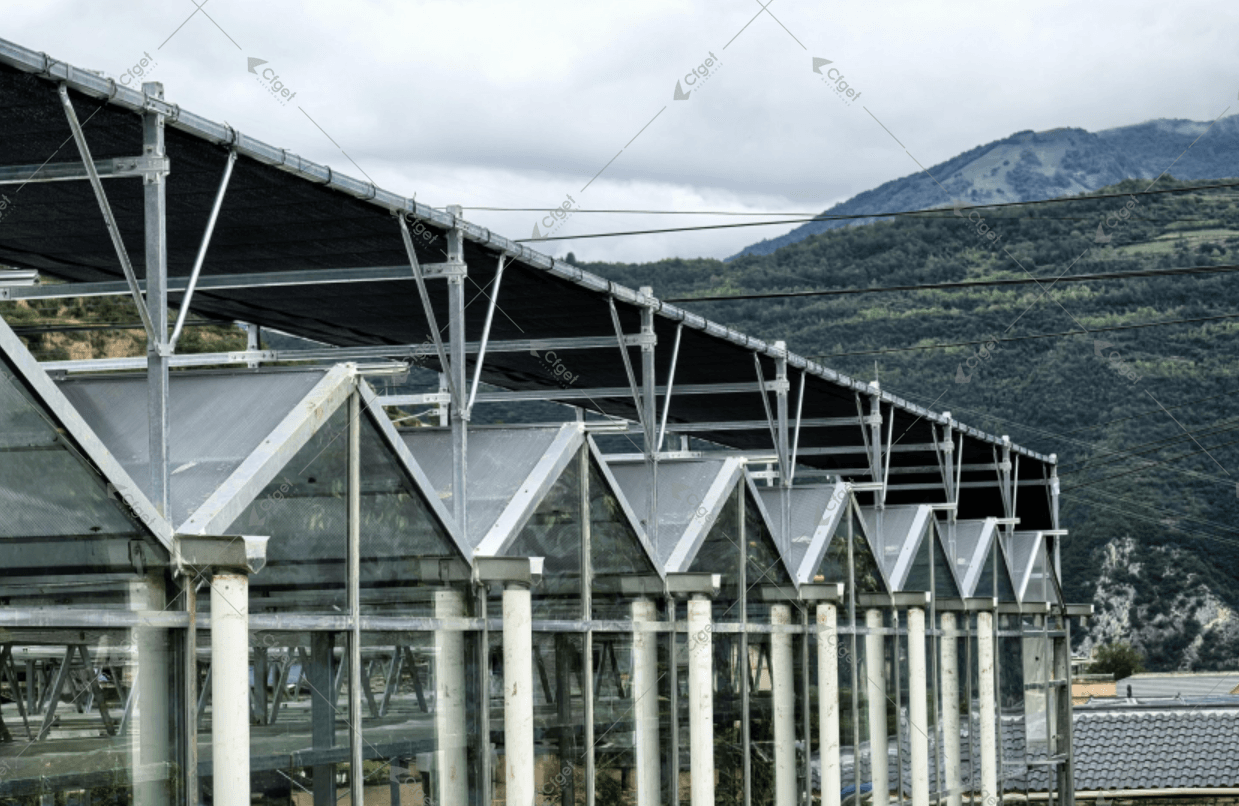
Planned expansion pathway for growing operations.
Building Adaptability Into Your Investment
We design every multi-span project with expansion in mind. The initial structure includes reinforced end walls that become interior partitions when you add spans. Utility systems include spare capacity – a 5,000-square-meter greenhouse gets infrastructure capable of serving 8,000 square meters. This forward planning costs 5-10% more initially but saves 30-40% on expansion costs later.
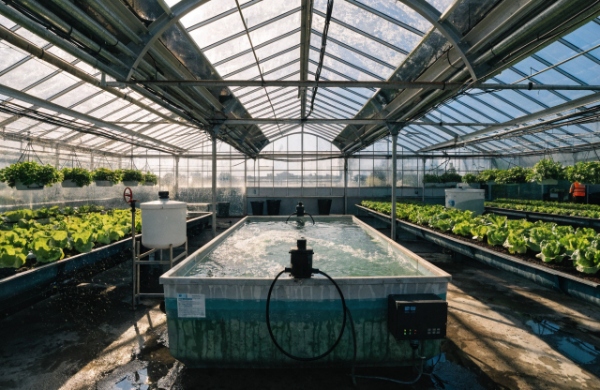
Technology integration becomes simpler in multi-span structures. When you upgrade from manual to automated climate control, one system manages the entire structure. Adding supplemental lighting? The open spans accommodate various mounting configurations. Converting to hydroponic production? The level floors and existing drainage simplify installation. We’ve helped clients transition from soil-based cucumber production to hydroponic tomatoes in the same structure with minimal modifications.
| Future-Proofing Feature | Initial Cost Impact | Future Benefit |
|---|---|---|
| Oversized Utilities | +8% | 40% savings on expansion |
| Reinforced End Walls | +3% | Enables seamless addition |
| Modular Control Systems | +5% | Simple technology upgrades |
| Convertible Growing Systems | +4% | Crop flexibility |
| Extra Height Clearance | +6% | Accommodates future automation |
Market adaptability protects your investment long-term. Multi-span greenhouses easily divide into climate zones for different crops. You might grow tomatoes in spans 1-3 while testing market demand for herbs in span 4. If herbs prove profitable, conversion is simple. This flexibility helped our Dutch client survive when tomato prices crashed – they quickly converted 40% of their space to high-value lettuce production, maintaining profitability while competitors struggled.
Conclusion
Multi-span film greenhouses deliver the economies of scale, customization flexibility, and future adaptability that commercial growers need to build profitable, sustainable agricultural businesses.