Starting a farm feels overwhelming. Equipment costs pile up. Weather threatens your crops. You need protection that works without breaking your budget.
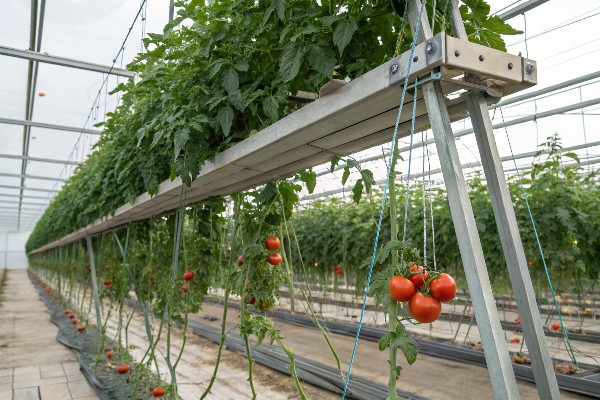
Tunnel greenhouses offer the perfect entry point for new growers. These simple structures use hot-dip galvanized steel frames and can increase yields by 300% while lasting 10-15 years. At CFGET, we’ve helped over 500 beginners start profitable operations with these cost-effective solutions.

I remember my first greenhouse project in 2018. A young farmer in Vietnam contacted us with just $3,000 to start. Traditional greenhouse quotes exceeded $15,000. We recommended a tunnel greenhouse. Six months later, his tomato yields tripled. His investment paid back in one growing season.
What Makes a Tunnel Greenhouse the Smartest First Investment for a New Farm?
New farmers face tough choices. Every dollar counts. Equipment must work reliably from day one.
Tunnel greenhouses cost 60% less than traditional structures while providing essential crop protection. The galvanized steel frame resists corrosion for 15 years, and simple assembly requires no special skills or expensive tools.
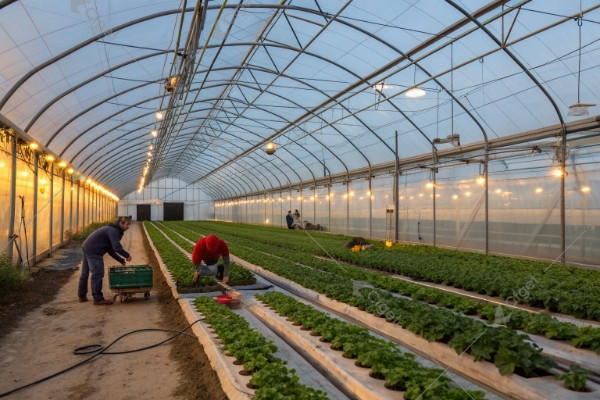
Why Smart Farmers Choose Tunnel Greenhouses First
The numbers tell the story clearly. Traditional greenhouses demand significant upfront investment. Complex foundations require contractors. Installation takes weeks. Tunnel greenhouses change this equation completely.
Hot-dip galvanized steel pipes form the backbone of these structures. The galvanization process coats steel with zinc, creating a barrier against rust and corrosion. This protection works especially well in humid climates where traditional materials fail quickly.
| Feature | Tunnel Greenhouse | Traditional Greenhouse |
|---|---|---|
| Initial Cost | $8-12 per sq ft | $25-40 per sq ft |
| Installation Time | 2-3 days | 2-3 weeks |
| Foundation Required | Simple concrete pads | Full concrete foundation |
| Maintenance Cost/Year | $0.50 per sq ft | $2-3 per sq ft |
The simplicity extends beyond construction. Ventilation systems use basic roll-up sides instead of complex motorized windows. Heating relies on passive solar gain rather than expensive climate control systems. These design choices reduce both initial costs and ongoing maintenance requirements.
Weather protection remains excellent despite the simple design. The arched shape sheds snow and rain effectively. Wind resistance meets most regional building codes. Crops inside stay protected from hail, frost, and excessive sun exposure.
A Step-by-Step Guide to Assembling Your Low-Cost Greenhouse Kit?
Assembly intimidates many first-time buyers. Complex instructions create frustration. Poor planning leads to costly mistakes.
Our tunnel greenhouse kits include pre-cut materials and simple instructions. Most farmers complete assembly in 2-3 days using basic tools. No welding or special equipment required.

The Complete Assembly Process Made Simple
Preparation starts everything. Level ground saves hours during assembly. Mark the perimeter with spray paint. Check measurements twice before starting. Order concrete for foundation pads three days early.
Foundation work comes first. Dig holes for support posts every 8 feet along the length. Each hole needs 18 inches depth and 12 inches width. Pour concrete around galvanized anchor bolts. Let cure for 24 hours before continuing.
Frame assembly follows a logical sequence. Start with end walls. These provide reference points for the entire structure. Attach base rails to foundation anchors using provided bolts. Check for square using diagonal measurements.
| Assembly Step | Time Required | Tools Needed | Common Mistakes |
|---|---|---|---|
| Site Preparation | 4 hours | Shovel, level, spray paint | Uneven ground, poor drainage |
| Foundation Pours | 6 hours | Concrete mixer, trowel | Misaligned anchors, shallow holes |
| Frame Assembly | 8 hours | Wrenches, drill, level | Loose connections, poor alignment |
| Cover Installation | 4 hours | Knife, clips, rope | Wrinkled plastic, inadequate tension |
Arched ribs connect to base rails using pre-drilled holes. No measuring required. Bolts hand-tighten initially, then use wrenches for final tightening. Work from one end to the other systematically.
Plastic covering requires two people for best results. Choose a calm day with minimal wind. Unroll plastic over the frame slowly. Allow 2 feet of extra material on each side for ground anchoring. Secure with spring clips every 2 feet along the base rails.
Ventilation installation completes the basic structure. Roll-up sides mount to the frame using simple brackets. Hand cranks allow easy adjustment based on weather conditions. Screen material prevents insect entry while maintaining airflow.
Analyzing the ROI: How a 15-Year Lifespan Galvanized Steel Frame Pays for Itself?
Return on investment drives every farm decision. Equipment must generate profit quickly. Long-term durability protects against replacement costs.
Tunnel greenhouses typically pay for themselves within 18 months through increased yields and extended growing seasons. The galvanized steel frame lasts 15 years with minimal maintenance, creating exceptional long-term value.

Breaking Down the Financial Benefits
Yield increases provide the primary return. Protected crops produce 200-400% more than field-grown alternatives. Tomatoes grown in tunnels typically yield 40-60 pounds per plant compared to 15-20 pounds in open fields. Higher quality commands premium prices at market.
Extended growing seasons multiply these benefits. Tunnel protection allows 2-3 additional months of production in most climates. Early spring planting starts 6-8 weeks sooner. Fall production continues until hard frost. This extension often doubles annual income from the same space.
Quality improvements boost profit margins significantly. Protected crops show less weather damage, pest injury, and disease pressure. Uniform ripening creates better market appearance. Reduced losses mean more sellable product from each planting.
| Financial Metric | Year 1 | Year 5 | Year 10 | Year 15 |
|---|---|---|---|---|
| Initial Investment | $3,000 | $3,000 | $3,000 | $3,000 |
| Annual Revenue Increase | $2,400 | $2,800 | $3,200 | $3,600 |
| Maintenance Costs | $150 | $200 | $300 | $400 |
| Cumulative Profit | $2,250 | $11,250 | $25,500 | $42,000 |
Operating cost reductions add to profitability. Reduced pesticide needs save $200-500 annually. Water efficiency improvements cut irrigation costs by 30-40%. Labor efficiency gains reduce harvest time through concentrated production areas.
The galvanized steel frame justifies its cost through longevity. Cheaper alternatives like PVC or untreated steel require replacement every 3-5 years. Galvanized steel maintains structural integrity for 15+ years with proper maintenance. This durability eliminates recurring frame replacement costs.
Insurance benefits often reduce premiums. Many agricultural insurance policies offer discounts for protected cultivation. Reduced crop loss claims improve long-term rates. Some regions provide grants or subsidies for greenhouse construction, further improving ROI calculations.
Success Stories: How Growers in Developing Nations are Profiting with Tunnel Greenhouses?
Real results matter more than promises. Success stories prove concepts work. Developing nations face unique challenges requiring practical solutions.
Our tunnel greenhouse projects in Southeast Asia and Central Asia show consistent success rates above 85%. Farmers typically recover their investment within one growing season while building sustainable businesses.

Transforming Lives Through Simple Technology
Maria’s story from the Philippines illustrates typical results. Her family farmed 2 hectares of rice for generations. Flooding destroyed crops three years running. Local markets demanded fresh vegetables year-round. Traditional greenhouse quotes exceeded her annual income.
We designed a 500 square meter tunnel greenhouse system for $4,500. Installation took one weekend with family help. Her first tomato crop yielded 3,000 kg compared to 800 kg from the same area outdoors. Net profit reached $3,200 in four months.
The second season brought cucumber production. Higher value crops generated $4,800 profit in six months. Maria expanded with two additional tunnels using profits from the first. Her operation now employs six neighbors and supplies three local markets consistently.
Ahmed in Uzbekistan faced different challenges. Extreme temperature swings damaged outdoor crops regularly. Water scarcity limited irrigation options. Government programs promoted greenhouse adoption but offered limited technical support.
| Success Metric | Maria (Philippines) | Ahmed (Uzbekistan) | Chen (Vietnam) |
|---|---|---|---|
| Initial Investment | $4,500 | $6,200 | $3,800 |
| Payback Period | 4 months | 6 months | 5 months |
| Year 2 Revenue | $12,000 | $18,500 | $9,600 |
| Jobs Created | 6 part-time | 4 full-time | 3 part-time |
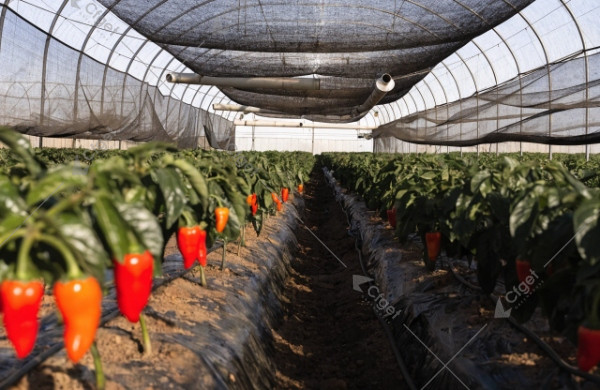
Our tunnel greenhouse design included thermal mass walls for temperature moderation. Drip irrigation systems reduced water usage by 60%. Simple automation controlled ventilation based on temperature. Ahmed’s bell pepper production increased 350% while cutting water costs in half.
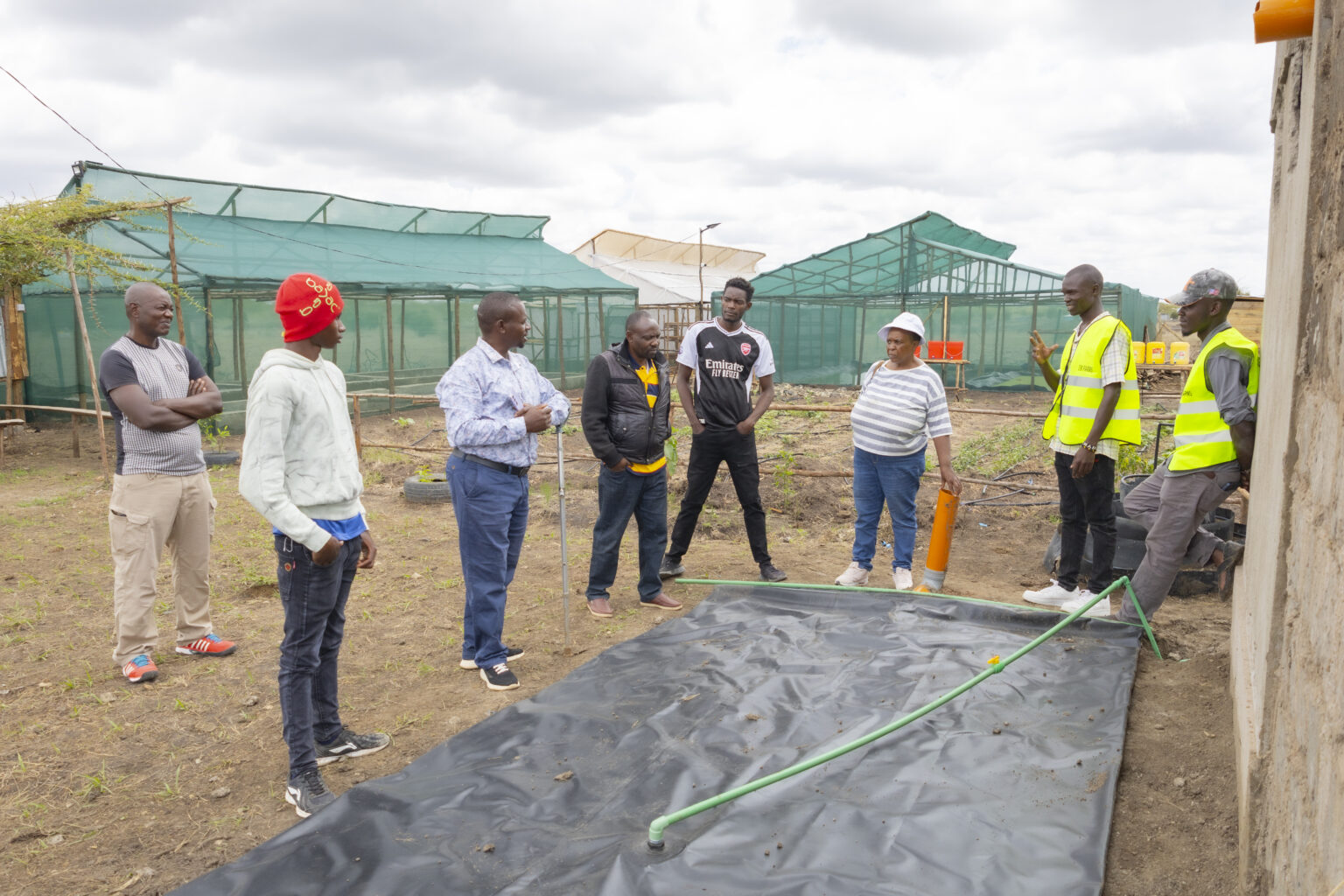
Technical support proved crucial for sustained success. Monthly video calls addressed problems quickly. Local training programs built maintenance skills. Spare parts availability through regional distributors prevented downtime during critical growing periods.
Community impact extends beyond individual farms. Successful growers become local experts, training neighbors in greenhouse techniques. Increased vegetable production improves nutrition in rural areas. Higher farm incomes support local businesses and schools.
Climate resilience builds long-term sustainability. Tunnel greenhouses protect against extreme weather events becoming more frequent. Controlled environments allow adaptation to changing precipitation patterns. Food security improves through reliable local production.
Conclusion
Tunnel greenhouses offer the most practical path to increased farm profitability. Simple construction, proven durability, and exceptional returns make them ideal for beginning growers worldwide.