I’ve witnessed countless growers struggle with inconsistent yields and unpredictable growing conditions. Traditional greenhouse structures often fail to deliver the precision and reliability that modern agriculture demands. At CFGET, we’ve spent 29 years perfecting the Venlo glass greenhouse system to solve these exact challenges.
Venlo glass greenhouses represent the pinnacle of controlled environment agriculture, combining superior light transmission, structural durability, and intelligent climate control to maximize crop yields while providing an aesthetically pleasing solution for high-end cultivation and research applications.
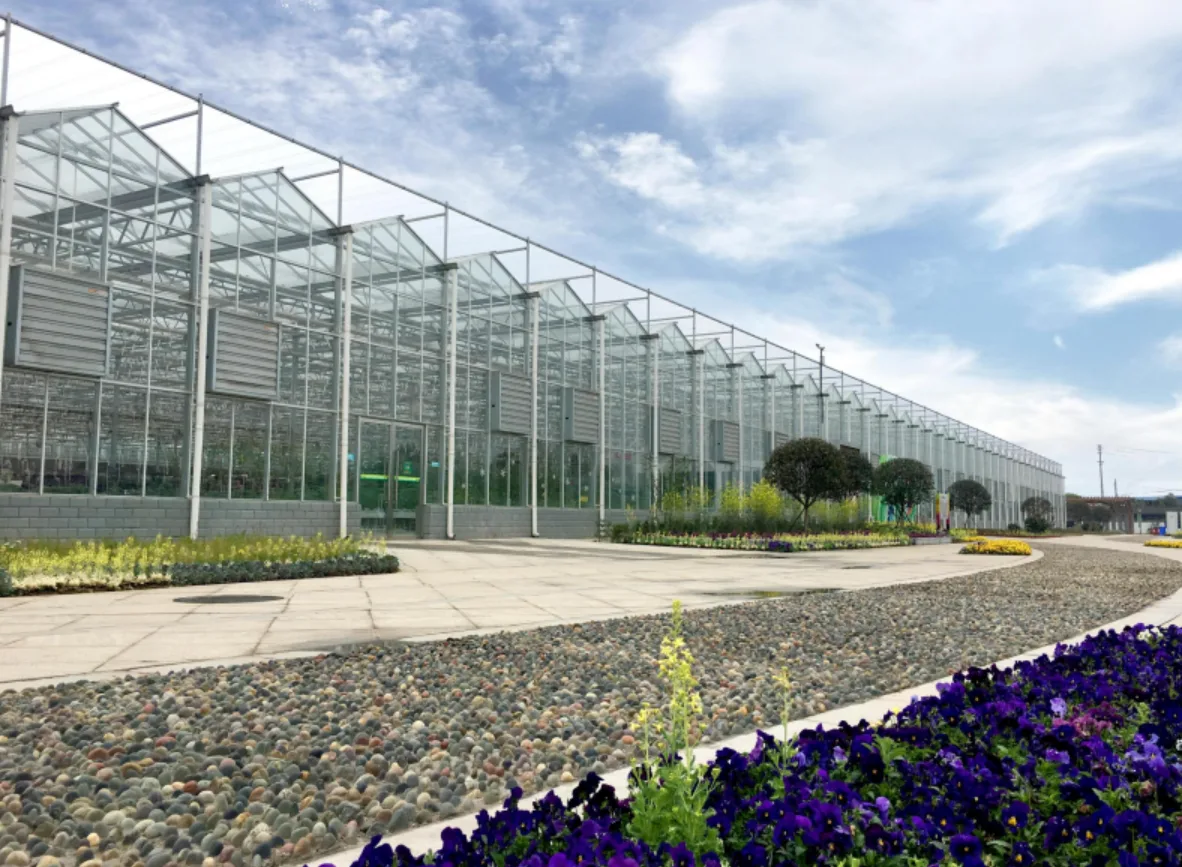
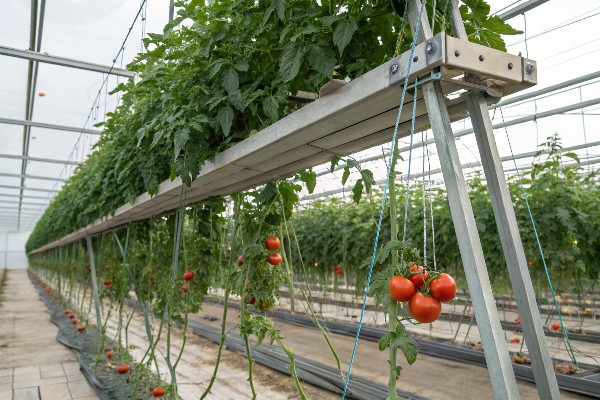
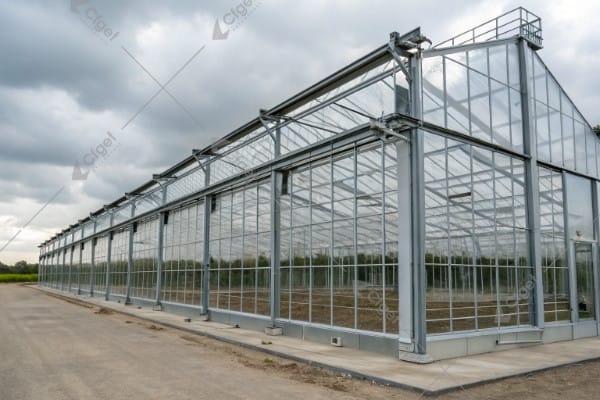
State-of-the-art Venlo greenhouse showcasing premium glass construction.
The journey from traditional growing methods to precision agriculture requires more than just good intentions. It demands a comprehensive understanding of how every component works together to create the perfect growing environment.
Maximizing Photosynthesis: The Unrivaled Light Transmission of Venlo Glass?
Light limitation kills more crops than most growers realize. Poor light transmission creates weak, stretched plants that never reach their genetic potential. I’ve seen entire harvests fail because the greenhouse structure blocked too much natural sunlight.
Venlo glass greenhouses achieve up to 95% light transmission through precision-engineered glass panels and minimal structural interference, ensuring plants receive maximum photosynthetically active radiation for optimal growth and development throughout all seasons.
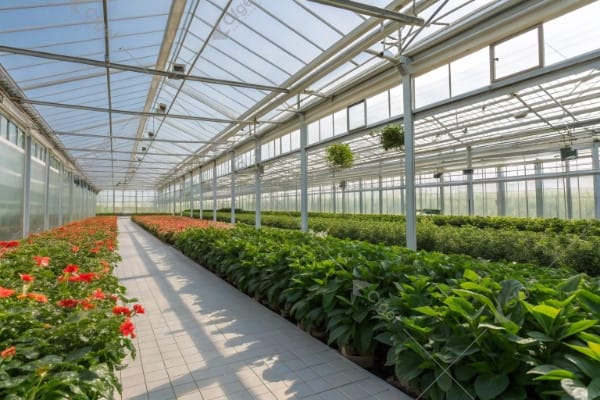
Maximum light penetration creates ideal growing conditions.
The science behind superior light transmission goes far beyond simply using glass instead of plastic. Our Venlo glass systems incorporate several critical design elements that work together to optimize light delivery. The glass panels themselves are manufactured to specific optical standards, ensuring minimal light reflection and maximum transmission. The structural framework uses narrow profiles that cast minimal shadows while maintaining exceptional strength.
We engineer the roof angle and panel orientation to capture sunlight throughout the day and across seasons. The glazing bars are positioned to minimize their impact on light transmission while providing the structural support necessary for long-term durability. This attention to detail results in measurably higher photosynthetic rates and stronger plant development.
| Light Transmission Factor | Venlo Glass | Traditional Plastic | Impact on Growth |
|---|---|---|---|
| Direct transmission | 95% | 75-80% | 20% yield increase |
| Diffusion quality | Optimal | Variable | Better canopy penetration |
| UV stability | Excellent | Degrades | Consistent performance |
| Seasonal consistency | Maintained | Decreases | Year-round reliability |
The economic impact of superior light transmission cannot be overstated. Higher light levels directly translate to increased photosynthesis, faster growth rates, and improved crop quality. This becomes particularly crucial in northern climates or during winter months when natural light is already limited.
Engineered for Permanence: The Structural Integrity of Steel and Aluminum Frames?
Structural failure destroys years of investment in minutes. Weak greenhouse frames buckle under snow loads, collapse during storms, and require constant repairs that disrupt production. I’ve helped countless growers rebuild after their inadequate structures failed during critical growing seasons.
Our Venlo greenhouse frames combine high-strength galvanized steel foundations with precision-extruded aluminum superstructures, creating a hybrid system that withstands extreme weather conditions while maintaining structural integrity for decades of reliable operation.
Precision-engineered frame connections ensure long-term structural reliability.
The engineering principles behind our frame design reflect decades of real-world testing across diverse climates. We use galvanized steel for the foundation and primary load-bearing elements because steel provides unmatched strength and stability. The galvanization process creates a protective zinc coating that prevents corrosion even in humid tropical environments or salt-laden coastal areas.
The aluminum superstructure offers the perfect complement to the steel foundation. Aluminum resists corrosion naturally and provides excellent strength-to-weight ratios. This combination allows us to create structures that are both incredibly strong and surprisingly lightweight. The reduced weight means lower foundation requirements and easier installation while maintaining the structural capacity to handle heavy snow loads, high winds, and seismic activity.
Our frame connections use specialized fasteners and joining techniques that account for thermal expansion and contraction. This prevents stress fractures and maintains structural integrity across temperature variations. The modular design also allows for easy expansion or modification as growing operations evolve.
| Structural Component | Material | Benefit | Lifespan |
|---|---|---|---|
| Foundation posts | Galvanized steel | Maximum strength | 25+ years |
| Roof structure | Aluminum extrusion | Corrosion resistance | 20+ years |
| Glazing bars | Aluminum | Thermal stability | 20+ years |
| Connections | Stainless steel | Weather resistance | 25+ years |
The Smart Greenhouse Revolution: Integrating Automated Climate Control Systems?
Manual climate control leads to human error and inconsistent growing conditions. Temperature fluctuations stress plants and reduce yields. I’ve watched growers lose entire crops because they couldn’t maintain precise environmental conditions during critical growth periods.
Advanced automated climate control systems monitor and adjust temperature, humidity, ventilation, and irrigation in real-time, creating optimal growing conditions while reducing labor costs and eliminating human error in environmental management.
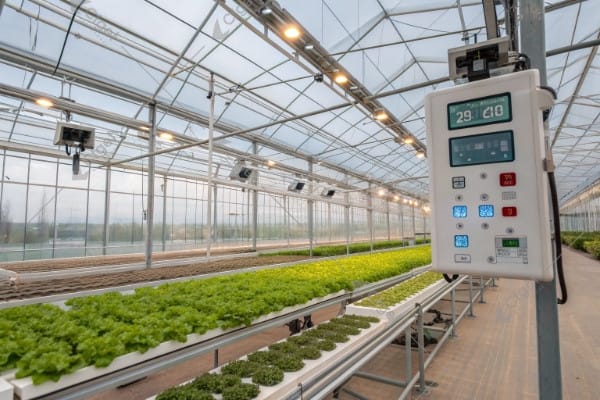
Intelligent control systems maintain perfect growing conditions automatically.
The integration of smart technology transforms traditional greenhouses into precision growing environments. Our automated systems use multiple sensor networks to continuously monitor every aspect of the growing environment. Temperature sensors track air and soil temperatures at various heights and locations throughout the structure. Humidity sensors measure both absolute and relative humidity levels. Light sensors determine when supplemental lighting is needed or when shade systems should deploy.
The control algorithms process this sensor data in real-time and make automatic adjustments to maintain optimal conditions. Ventilation systems open and close based on temperature and humidity readings. Heating systems activate when temperatures drop below set points. Irrigation systems deliver precise amounts of water and nutrients based on soil moisture levels and plant growth stages.
This level of automation provides several critical advantages. First, it eliminates human error in climate management. Second, it responds to changing conditions much faster than manual systems. Third, it maintains consistent conditions even when staff are not present. Fourth, it collects valuable data that helps optimize growing protocols over time.
| Control System | Function | Precision Level | Response Time |
|---|---|---|---|
| Temperature | Heating/cooling | ±0.5°C | 2-5 minutes |
| Humidity | Ventilation/misting | ±2% RH | 1-3 minutes |
| Irrigation | Water/nutrients | ±5% moisture | Real-time |
| Lighting | Supplemental LED | ±10 PPFD | Instant |
Beyond Cultivation: The Architectural Appeal for Botanical Gardens and Research Centers?
Functional greenhouses often look industrial and unappealing. Research facilities and botanical gardens need structures that serve both practical and aesthetic purposes. I’ve designed numerous installations where visual appeal was as important as growing performance.
Venlo glass greenhouses offer exceptional architectural flexibility and visual appeal, making them ideal for botanical gardens, research centers, and educational facilities where aesthetic considerations are as important as functional performance.
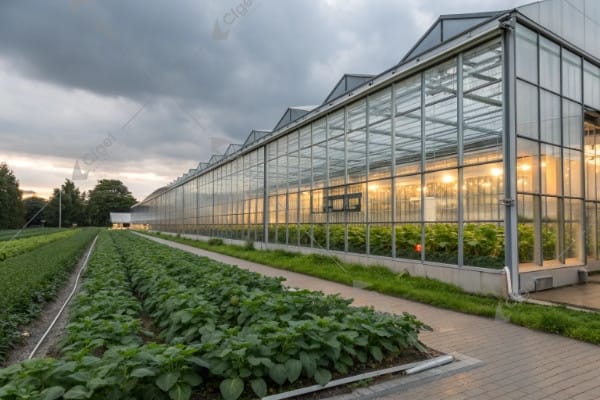
Architectural elegance meets functional excellence in research applications.
The architectural possibilities of Venlo glass greenhouses extend far beyond basic crop production. These structures can be designed to complement existing architecture while providing world-class growing environments. The clean lines and transparent surfaces create spaces that feel open and inviting rather than industrial and closed-off.
For botanical gardens, the visual transparency allows visitors to see the plants from outside while creating stunning interior displays. The structural framework can be customized to match architectural themes or historical building styles. Multiple greenhouse sections can be connected to create complex layouts that guide visitor flow while maintaining optimal growing conditions in each section.
Research centers benefit from the combination of precise environmental control and visual accessibility. Researchers can easily observe plant responses to different conditions while maintaining the sterile, controlled environment necessary for scientific studies. The modular design allows for specialized sections with different environmental parameters within the same structure.
Educational facilities find these greenhouses particularly valuable because they combine learning opportunities with aesthetic appeal. Students can observe plant growth processes in a controlled environment while experiencing the architectural beauty of well-designed structures. The transparent design also allows for easy supervision and creates a sense of openness that enhances the learning experience.
| Application | Design Priority | Special Features | Typical Size |
|---|---|---|---|
| Botanical gardens | Aesthetic appeal | Visitor pathways | 500-2000 m² |
| Research centers | Environmental control | Isolation chambers | 200-1000 m² |
| Educational facilities | Safety/visibility | Demonstration areas | 300-800 m² |
| Display conservatories | Architectural integration | Custom shapes | 100-500 m² |
Conclusion
Venlo glass greenhouses represent the ultimate solution for growers seeking maximum performance, durability, and versatility in controlled environment agriculture.