High humidity can ruin a greenhouse crop fast. I see it most in hot, humid regions where cooling adds moisture and plants stop transpiring well.
To dehumidify a greenhouse in hot and humid climates, I focus on three levers: reduce moisture sources, increase effective air exchange without overheating, and control dew point with smart staging. This stabilizes VPD, lowers disease risk, and improves yield consistency.
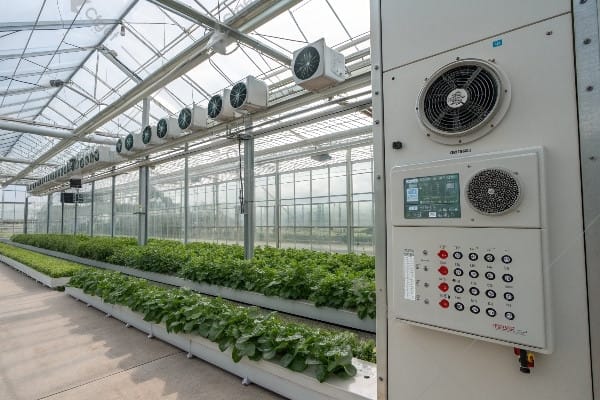
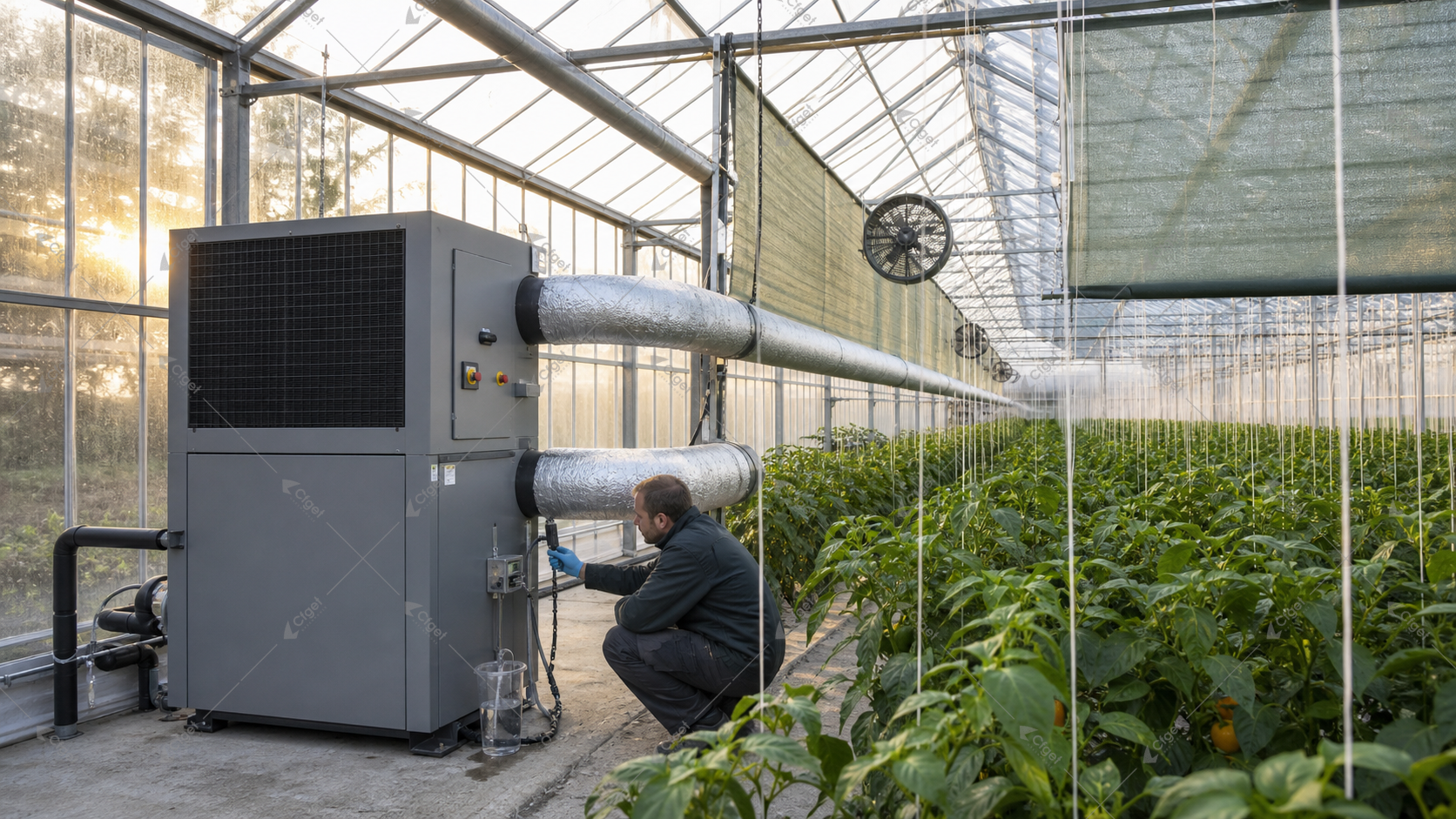
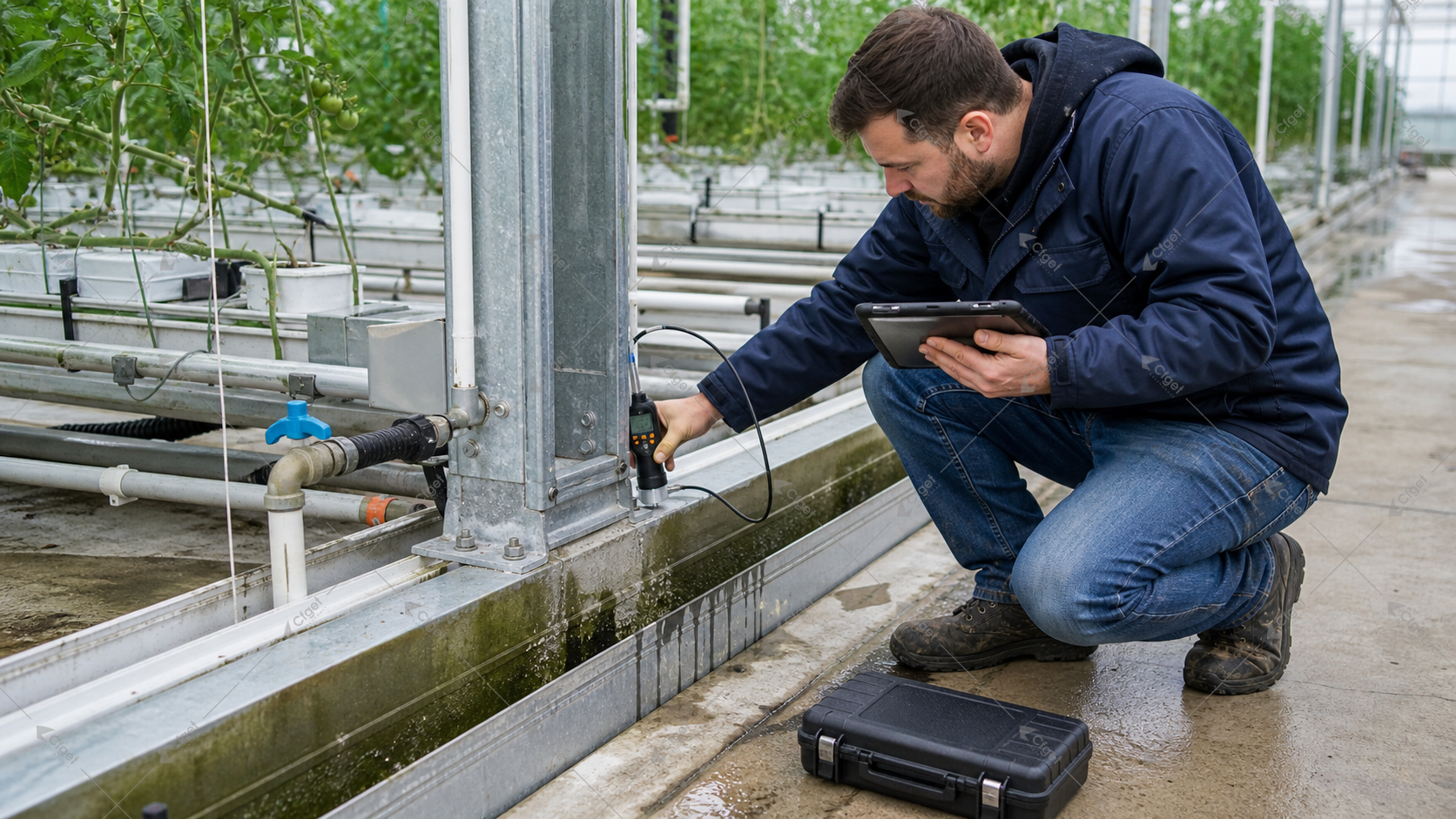
Humidity sensors and airflow systems working together.
I’m writing this as someone who thinks like a grower. I care about yield, grade-A percentage, and fewer crop losses. I also care about systems that work in real life, not just in diagrams. Many “cooling” articles ignore humidity. That is why I focus on dehumidification as a yield tool, not a comfort feature.
Why does humidity spike when I cool my greenhouse?
When I cool in humid climates, I often add moisture by accident. Then RH climbs, leaves stay wet longer, and disease pressure rises.
Humidity spikes because cooling methods like evaporative cooling add water vapor, and warm air can hold more moisture than cool air. When air cools, it reaches dew point faster and RH jumps.

Dive deeper
I don’t treat humidity as a percentage problem. I treat it as a dew point problem. Relative humidity changes with temperature. Dew point tells me how “wet” the air really is. When I cool air in a greenhouse, the same moisture becomes a higher RH. This is why growers feel stuck: “I cool, humidity rises, disease explodes.”
This is common in tropical and coastal climates. Climate profiles from the World Bank Climate Change Knowledge Portal help me see whether I’m dealing with a long humid season or short humid peaks. That matters because a short peak can be managed with ventilation and timing, while a long season may need stronger system design.
I also lean on crop science basics. High humidity reduces transpiration. When transpiration drops, nutrient flow (like calcium) often becomes less stable. Quality issues follow. From a climate risk view, FAO – Food and Agriculture Organization of the United Nations shows how climate stress affects plant performance and stability. In practice, I see the same story: unstable humidity leads to unstable yield.
So my first goal is not “lower RH at all costs.” My goal is “avoid dew point events and keep plants transpiring.”
How do I diagnose the real cause of high humidity in my greenhouse?
Most growers guess. I don’t. I diagnose in a simple sequence that saves money and stops endless upgrades.
I diagnose humidity by checking: moisture sources, airflow paths, vent effectiveness, and control staging. High humidity is often caused by weak air exchange or poor control logic, not only by the climate.
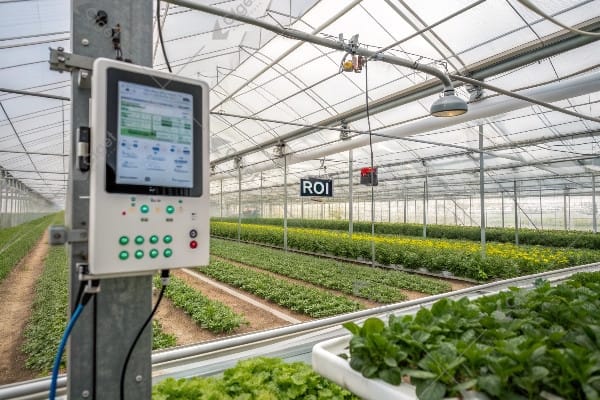
A simple checklist finds the bottleneck faster.
Dive deeper
Here is my practical diagnosis routine:
Step 1: Measure dew point and leaf wetness risk
- I log temperature and RH in at least 3 zones: inlet side, center, and outlet side.
- If I can, I add a canopy sensor. Humidity near the canopy is what matters.
Step 2: Identify moisture sources
- Evaporative cooling pads, fog nozzles, open water tanks, wet floors, and over-irrigation all add moisture.
- If irrigation is heavy near evening, humidity spikes overnight.
Step 3: Check airflow and real air exchange
- Fans can run, but air can still short-circuit or loop.
- Poor sealing and wrong inlet sizing reduce effective exchange.
- Standards and engineering references from ASABE help explain why rated fan numbers are not the same as delivered airflow in real conditions.
Step 4: Check the control sequence
- Many systems cool first, then think about humidity later.
- I flip that logic: I stage cooling with humidity limits, so I don’t create a wet greenhouse.
Step 5: Confirm the “time of day” pattern
- If RH is worst at night, I usually have a ventilation and heat-retention strategy issue.
- If RH is worst at midday, I often have evaporative cooling mismatch or airflow distribution issues.
This process removes guessing. It also tells me whether I need a control change, a ventilation redesign, or a true dehumidification solution.
Which dehumidification strategies actually work in hot and humid climates?
There is no single “best” method. I choose the approach based on climate, crop, and energy constraints.
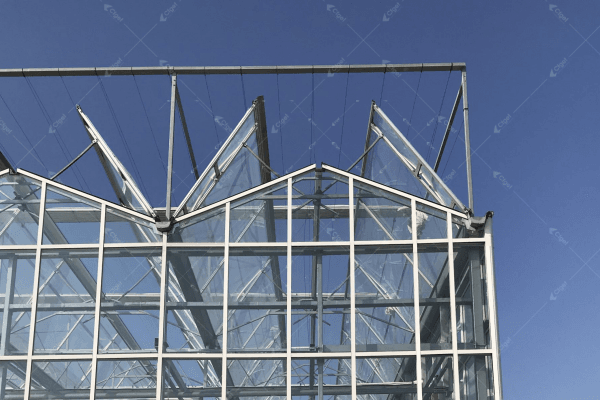
The most reliable dehumidification strategy is staged: reduce moisture input, then increase controlled air exchange, then add active dehumidification only if needed. This keeps humidity stable without overheating the greenhouse.
Dive deeper
Here are the strategies I use, from low-cost to high-control.
1) Reduce moisture input (fastest wins)
- Fix irrigation timing: I avoid heavy watering late afternoon.
- Improve drainage: Wet floors raise RH at night.
- Tune evaporative systems: In humid climates, fan-and-pad or fog can add too much moisture.
Evaporative cooling limits are clearly explained by University of Florida IFAS Extension and University of Massachusetts Greenhouse Crops Research. If my outside air is already humid, I do not expect big temperature drops from evaporation. If I chase cooling with more water, RH explodes.
2) Controlled ventilation (best “core” tool)
I ventilate with a plan:
- I increase exchange when outside air is cooler or drier (often morning).
- I avoid opening everything during peak humid periods if it only brings in wet air.
3) Heat-and-vent (sometimes needed at night)
This sounds odd, but it works:
- I add a small amount of heat to increase air’s moisture-carrying capacity.
- Then I vent to remove moist air.
This can be effective if outside air is not fully saturated. It needs careful control to avoid energy waste.
4) Active dehumidification (when humidity is a constant ceiling)
In long humid seasons, I may need:
- Mechanical dehumidifiers
- HVAC with dehumidification
- Semi-closed control logic with better sealing and staged air exchange
Research focus from Wageningen University & Research – Greenhouse Horticulture supports a system view: stable climate comes from balancing load and control capacity. If humidity load is always higher than what passive exchange can remove, I need active support.
Quick comparison table I use
| Strategy | Best for | Main benefit | Main risk |
|---|---|---|---|
| Irrigation timing + drainage | All greenhouses | Fast RH drop at night | Needs discipline |
| Controlled ventilation | Most climates | Low cost, scalable | Outside air may be too wet |
| Heat-and-vent | Night RH spikes | Reduces condensation | Energy cost |
| Active dehumidification | Long humid seasons | Stable RH and VPD | Higher CAPEX + OPEX |
My rule is simple: I don’t buy equipment until I fix control logic and moisture sources.
What daily grower routines increase yield when humidity is the main problem?
Humidity control is not only an engineering task. It is a grower routine that shapes yield and quality.
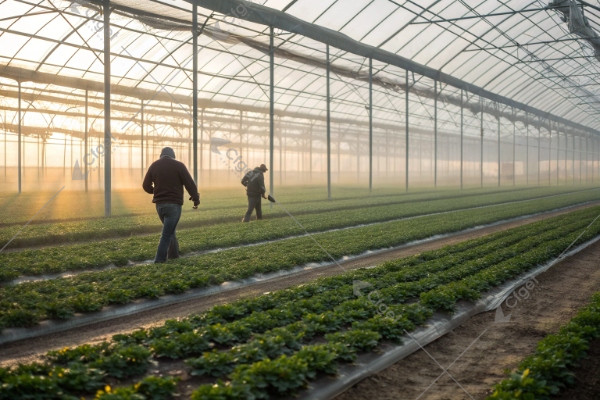
I increase yield by keeping transpiration stable, avoiding condensation events, and maintaining uniform airflow across the canopy. Small daily routines often improve output more than big equipment purchases.
Dive deeper
Here is what I actually do, as a grower-style routine:
Morning (before heat builds)
- I run a “dry-out window” for 30–90 minutes if outside air allows it.
- I aim to reduce overnight moisture and reset the canopy.
- I check if any zones stay wetter than others. That tells me airflow distribution issues.
Midday (heat peak management)
- I prioritize load reduction first: shading, reflective strategies, and airflow.
- If I use evaporative cooling, I stage it with humidity limits so I don’t push RH into a disease range.
Late afternoon (the most important irrigation decision)
- I reduce late heavy irrigation unless crop demand requires it.
- If I must irrigate, I do smaller pulses to avoid a wet greenhouse night.
Night (condensation prevention)
- I watch dew point and leaf wetness risk.
- If needed, I use mild heat-and-vent, not aggressive cooling.
Crop and canopy actions that raise yield
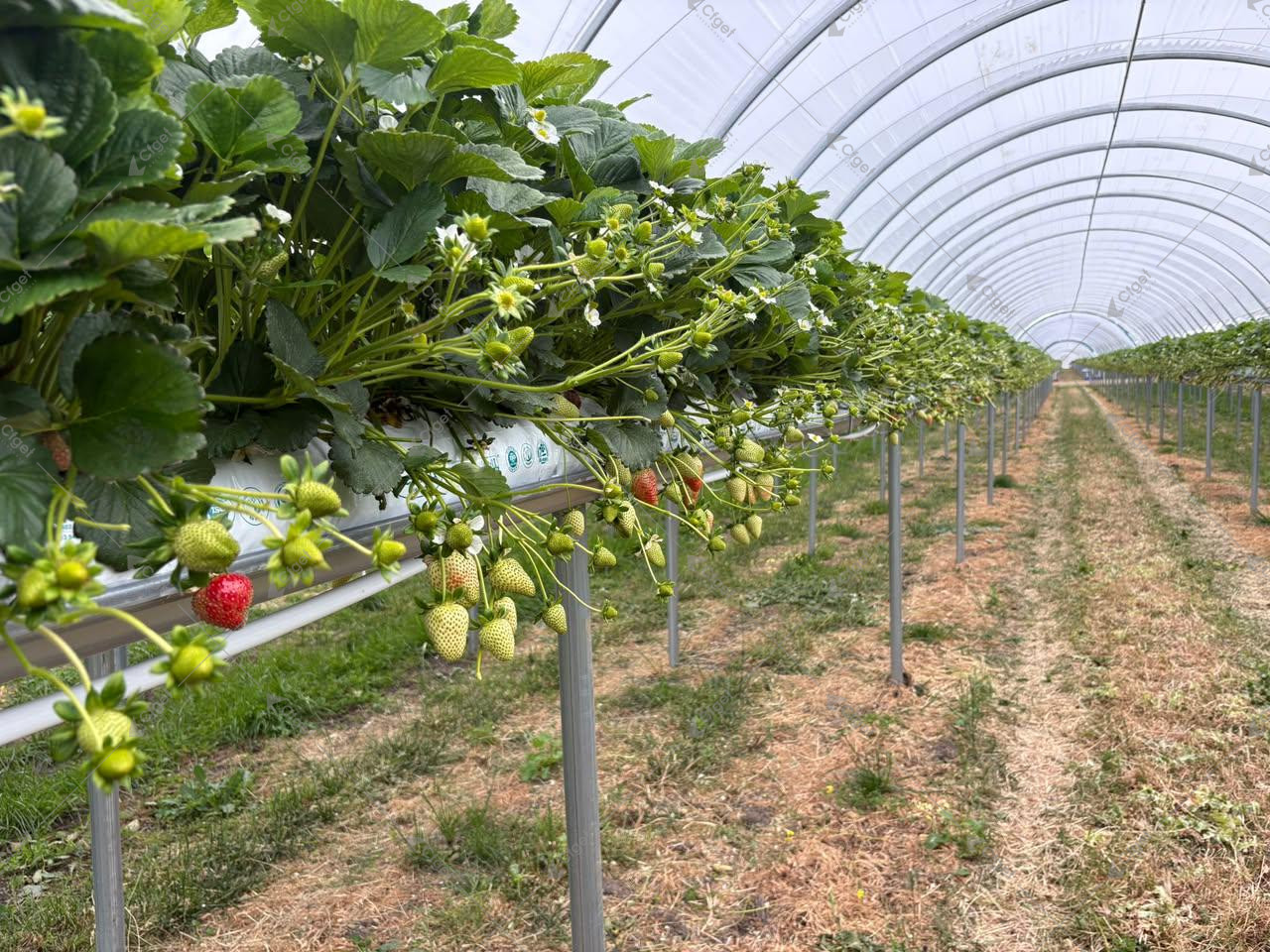
- I improve spacing and pruning so air moves through the canopy.
- I use horizontal airflow fans to remove dead zones.
- I keep the canopy uniform to reduce microclimates.
If I do these basics well, I usually see:
- fewer disease outbreaks
- more consistent fruit set
- better grade-A percentage
- more stable weekly harvest volumes
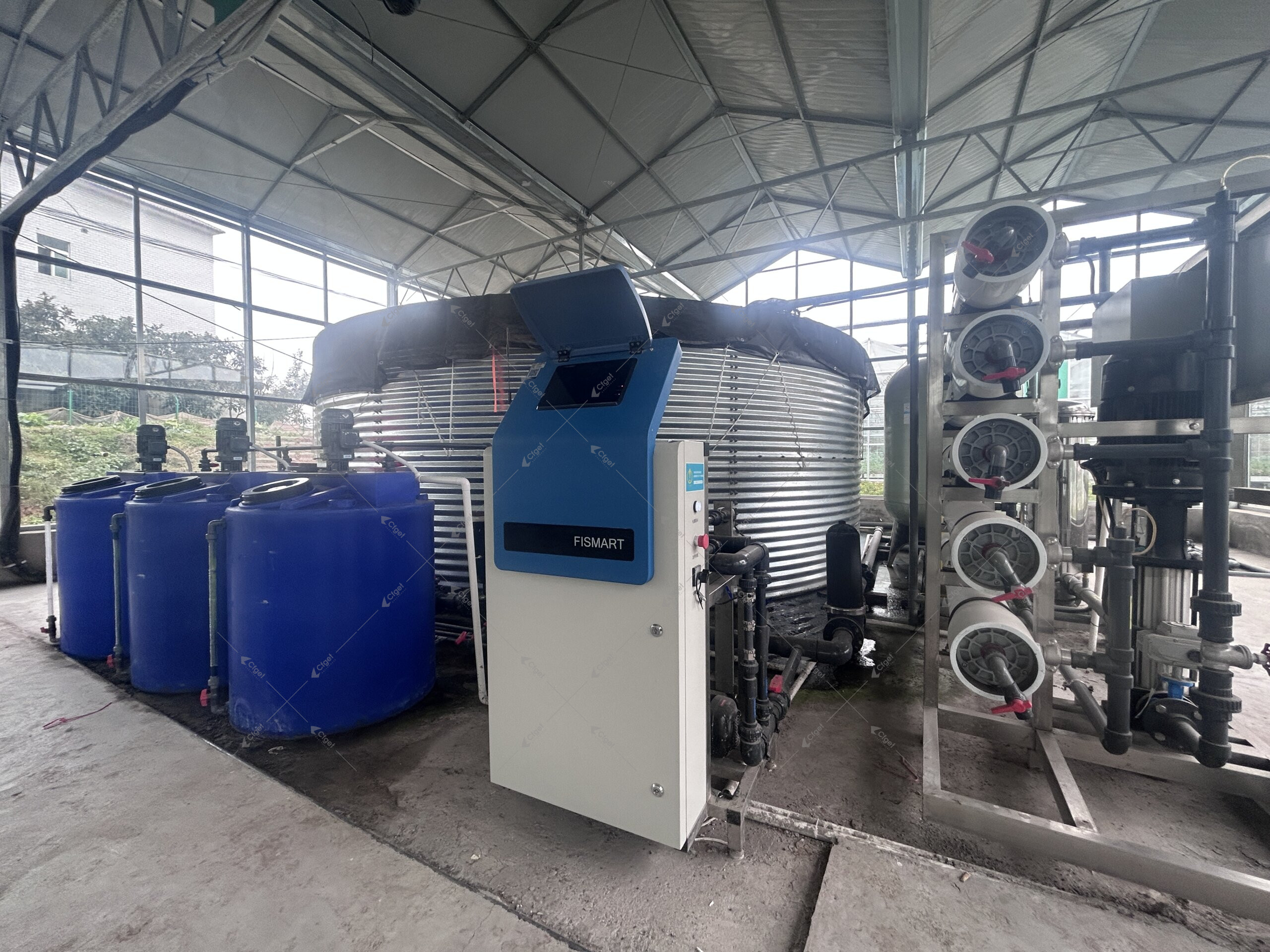
For growers who want a complete system approach, I often connect humidity control to automation. A staged controller reduces human error and keeps the greenhouse stable. That’s why many operations adopt integrated control systems, including Smart Auto & Control that link temperature, humidity, ventilation, and irrigation logic.
Conclusion
In hot and humid climates, dehumidification is a yield strategy. I focus on dew point, airflow, and staged control before I add equipment. When humidity becomes stable, disease drops and harvest becomes predictable.
External References (Authority Sources)
FAO – Climate Change and Agriculture
https://www.fao.org/climate-change/en/World Bank – Climate Change Knowledge Portal
https://climateknowledgeportal.worldbank.org/University of Florida IFAS Extension – Fan and Pad Evaporative Cooling Systems
https://edis.ifas.ufl.edu/publication/AE069University of Massachusetts – Fan and Pad Evaporative Cooling Systems
https://www.umass.edu/agriculture-food-environment/greenhouse-floriculture/fact-sheets/fan-pad-evaporative-cooling-systemsWageningen University & Research – Greenhouse Horticulture
https://www.wur.nl/en/research-results/research-institutes/plant-research/greenhouse-horticulture.htmASABE – American Society of Agricultural and Biological Engineers
https://www.asabe.org/