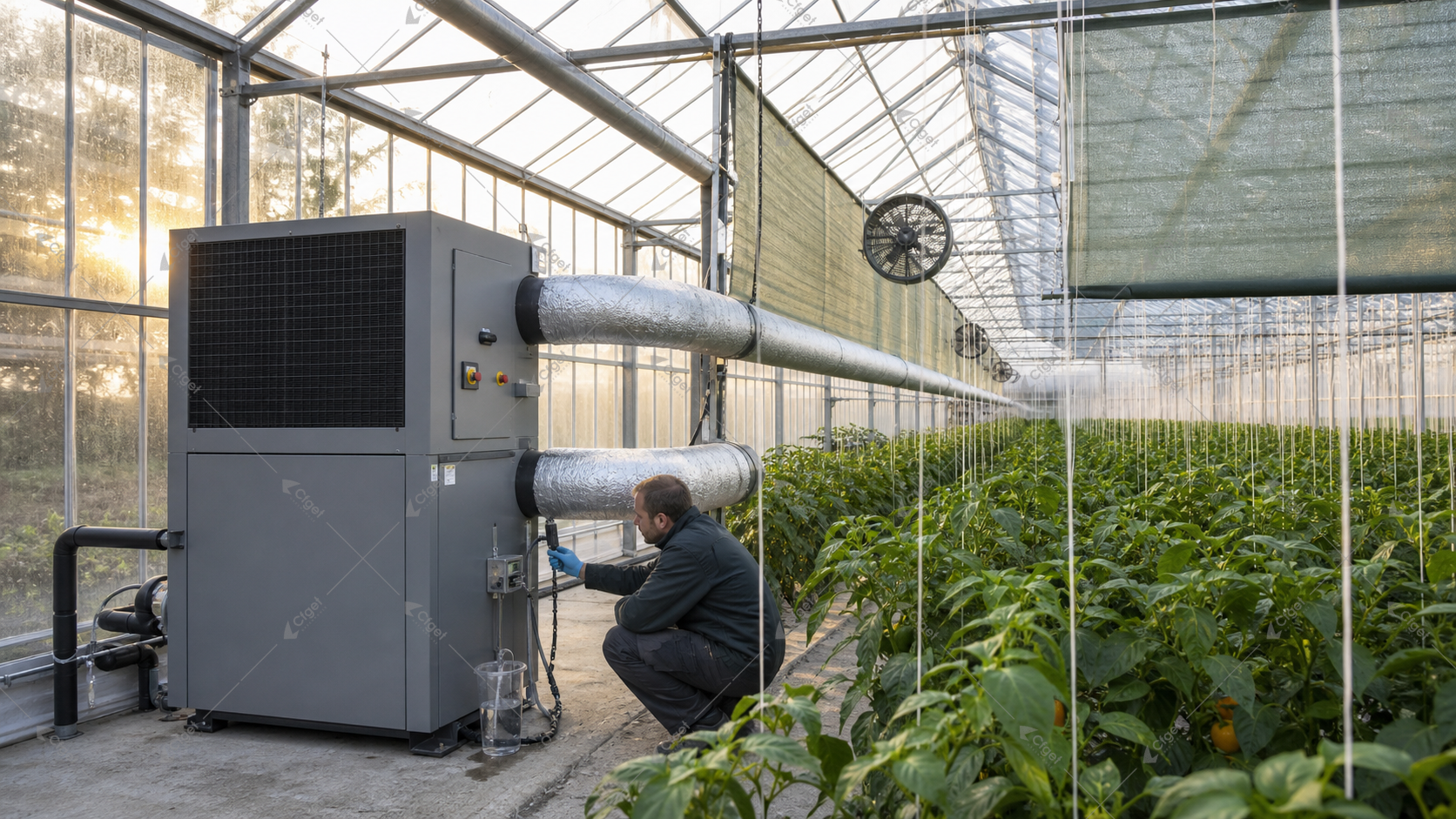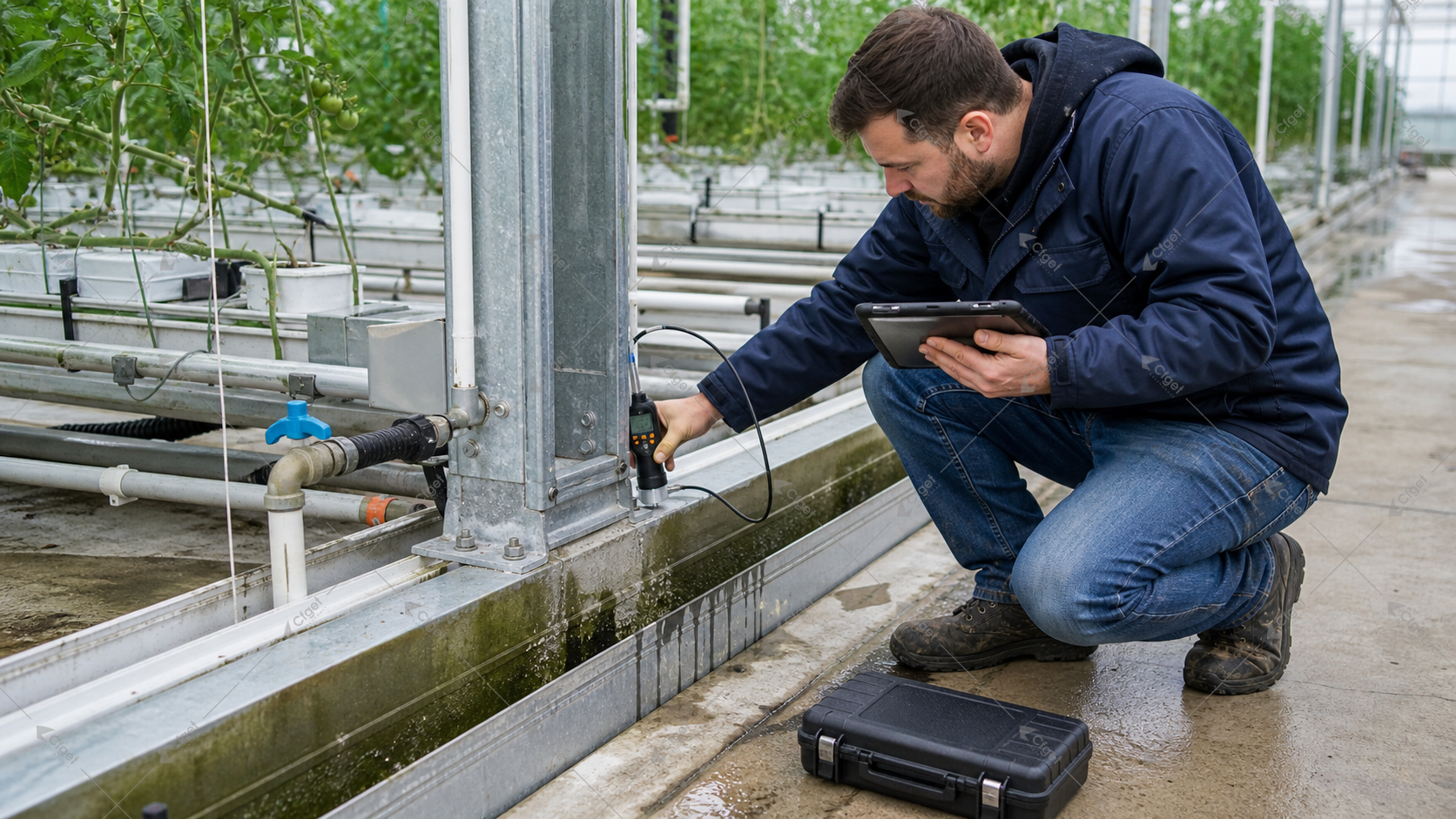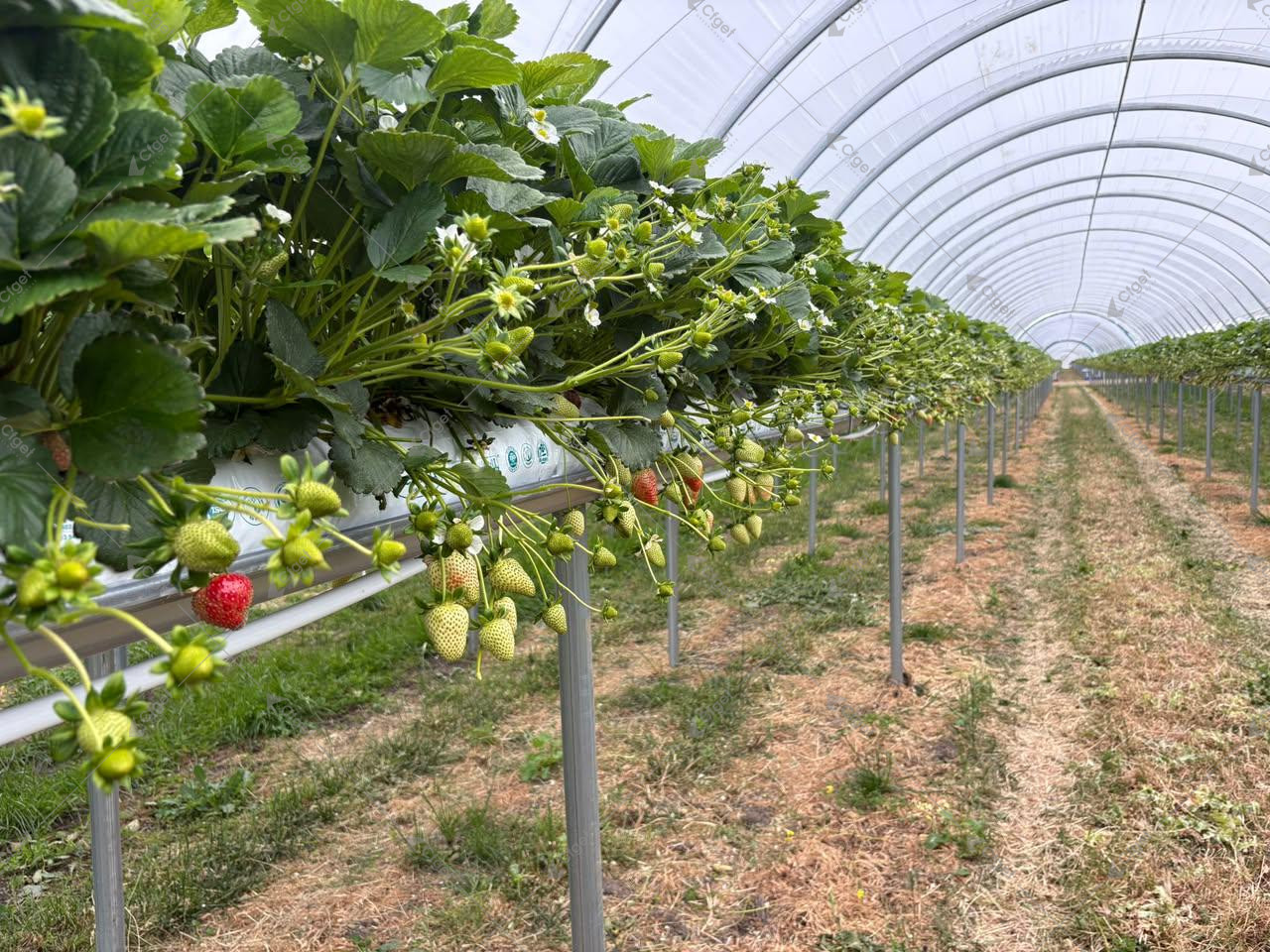
A Kenya rose greenhouse should be designed around the production site, market specification, crop program, water, labor flow, climate control, pest exclusion, monitoring, traceability, and packhouse interface. There is no single structure that guarantees Grade A stems or EU acceptance. The buyer needs one design basis that joins crop operation with the current phytosanitary system.
For an EU export program, False Codling Moth control cannot be reduced to insect net or a spray schedule. Kenya Plant Health Inspectorate Service describes a systems approach that covers prevention, detection, control, official oversight and traceability. KEPHIS also reported a DG SANTE audit in October 2025. A 2026 project should obtain the current protocol and approved-site requirements directly from KEPHIS before design freeze.
Start with the production and export brief
State the county, map pin, elevation, weather source, cultivar groups, crop cycle, target stem specifications, buyer residue requirements, market route, packhouse location, cold-chain plan and labor pattern. These inputs decide greenhouse height, vent duty, screen selection, bay length, crop support, irrigation zoning, work aisles and harvest flow. A recommendation based only on national climate or greenhouse type is too broad.
| Decision | Project input | Required evidence |
|---|---|---|
| Structure and vents | Site weather, insect-net pressure drop, crop height, wind exposure | Vent geometry, net specification, airflow calculation and low-wind case |
| Climate control | Light, temperature, humidity and night moisture strategy | Control stages, sensor map, alarm limits and equipment duties |
| Water and fertigation | Laboratory water report, cultivar blocks, substrate or soil, drainage | Treatment basis, zone flows, dosing range, drainage and sanitation plan |
| Crop and work flow | Bed layout, support system, scouting, harvest and spray access | Scaled plan with people, trolley, hose and emergency routes |
| Export compliance | Current KEPHIS protocol, approved-site duties, buyer requirements | Traceability map, monitoring records, inspection points and responsible roles |
Design pest exclusion without losing climate capacity
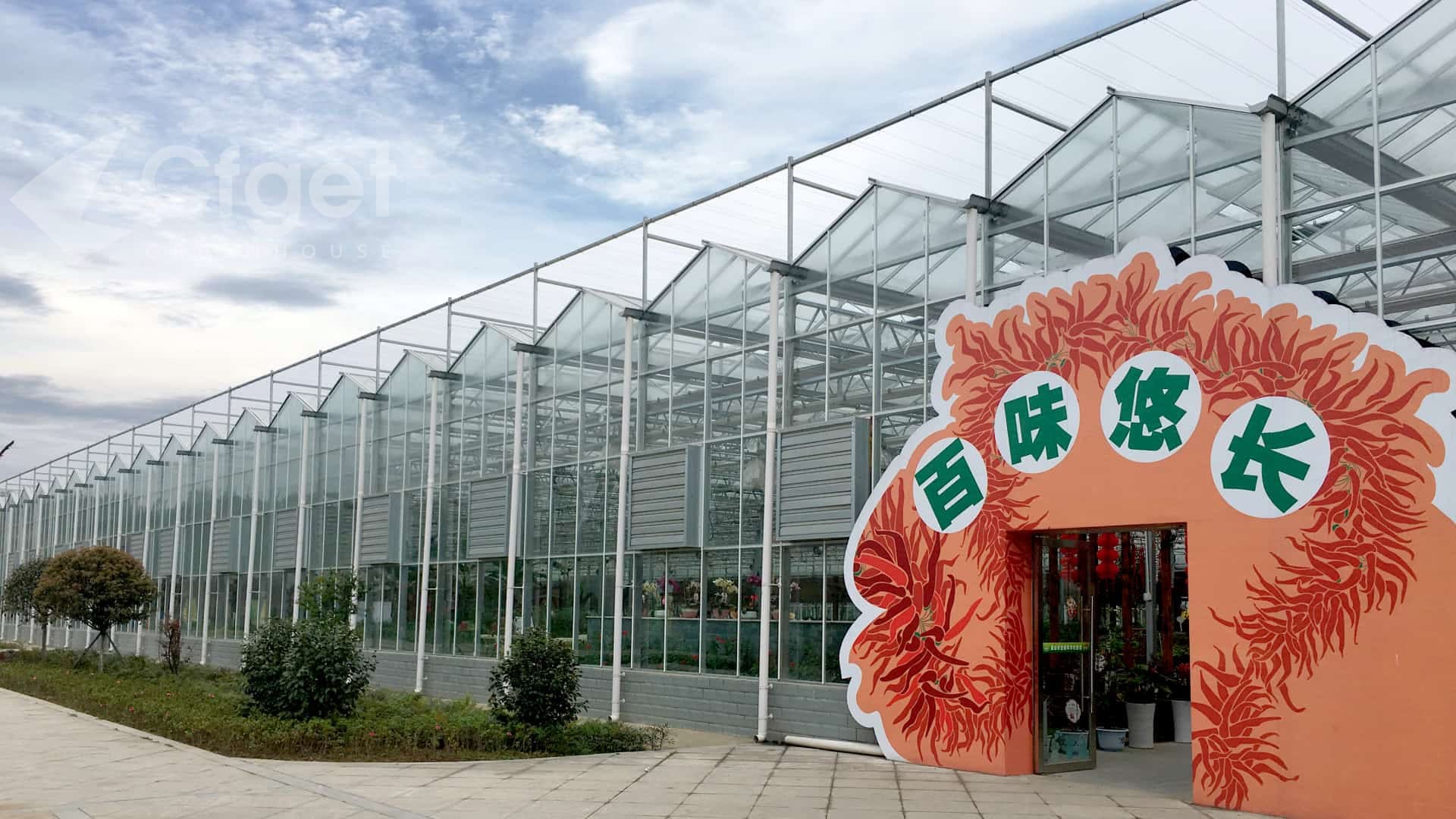
Finer insect net increases airflow resistance. The design team should calculate ventilation with the proposed net, not with an open vent. Door lobbies, personnel entrances, material routes, damaged-net repair and vegetation management around the house also affect exclusion. These are operating details as much as construction details.
Heat and humidity control can conflict with pest exclusion. The answer is not to remove net or promise that one roof shape solves the problem. Compare natural ventilation, roof and side vent area, fans, screens, shading, dehumidification options and crop density under the same site conditions. Show the expected fail state for low wind, rain, power loss and blocked net.
Turn the FCM systems approach into a facility plan
| Control layer | Facility or operating provision | Record or acceptance evidence |
|---|---|---|
| Exclusion | Specified net, sealed interfaces, controlled doors, protected packhouse openings | Installation inspection, repair log, entry procedure |
| Monitoring | Mapped traps, scouting routes, identification tools, defined reporting | Trap service records, scout reports, trend review |
| Crop hygiene | Removal route for affected material, sanitation points, block separation | Disposal procedure, block records, corrective actions |
| Harvest and packhouse | Lot identity, inspection lighting, protected holding and reject handling | Lot trace, inspection record, rejection and disposition log |
| Verification | Internal review, training, document control and official access | Training records, audit findings and closed corrective actions |
Do not invent a universal trap density, sampling percentage, treatment or threshold. The current KEPHIS protocol, approved production-site plan, product registrations, buyer rules and official instructions control those details. The greenhouse specification should provide mounting, access, lighting, segregation and data points so the approved program can operate.
Control moisture and irrigation by block
Rose quality and disease risk depend on the interaction of light, leaf temperature, humidity, air movement, root-zone water and crop stage. Divide irrigation and sensing according to cultivar, substrate or soil, hydraulic distance and solar exposure. A single sensor in a convenient aisle does not describe every block.
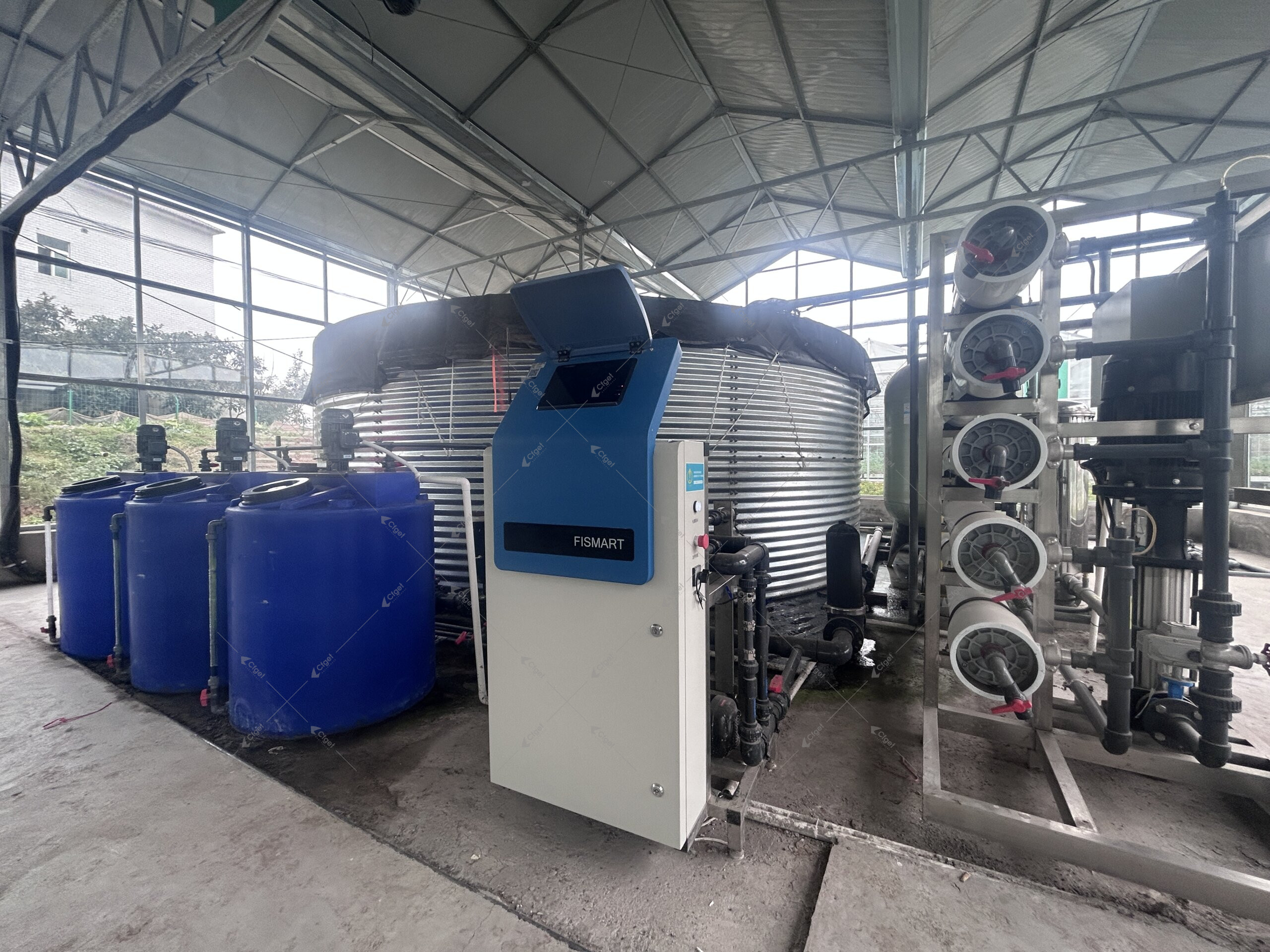
The water design starts with a laboratory test and the required irrigation volume. Treatment, storage, filtration, dosing, mixing, zone flow, pressure, drainage, leachate handling and sanitation need named duties. The controls description should show how irrigation timing interacts with forecast conditions and night humidity. It should not promise a stem grade or yield.
Keep greenhouse and packhouse traceability connected
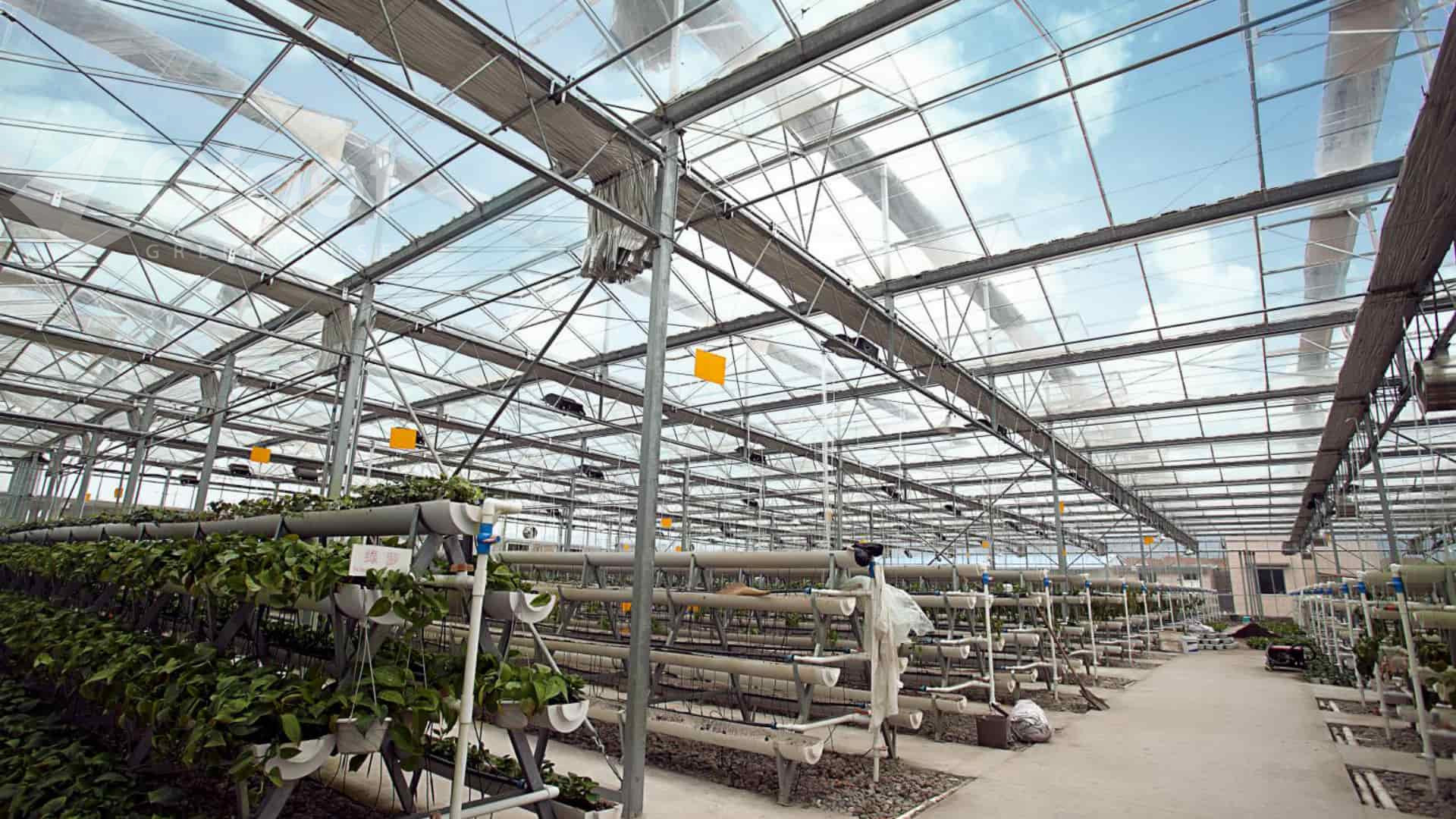
Lot identity should survive harvest, transport to the packhouse, sorting, cold storage and dispatch. The site plan needs clear routes for harvested stems, rejected material, tools, staff and visitors. Inspection areas need suitable lighting and cleanable work surfaces. The data plan should identify who can open a block, record a finding, quarantine a lot and close a corrective action.
The pest-barrier solution explains physical exclusion options. The control system page covers climate and alarm integration, and the irrigation and fertilization page owns the equipment route. This article keeps the Kenya rose production and FCM compliance brief distinct from those system pages.
Commission performance and records
Before crop handover, inspect net and seals, door operation, vents, fans, screens, irrigation zones, drainage, sensors, alarms, power-loss behavior and data logging. Run a smoke or other approved airflow check where the design team specifies one. Test lot coding from a greenhouse block through the packhouse. Train the people who will scout, repair net, calibrate sensors, review alarms and maintain records.
Assign each interface to a named role
The greenhouse supplier, crop team, packhouse manager, pest-management lead, exporter and official inspector do not own the same decisions. Put their interfaces in a responsibility matrix. The structure contractor can install net and doors, but the approved phytosanitary program decides how they are inspected and recorded. The controls contractor can create alarm points, but the operator and compliance lead decide who responds.
Document control matters when procedures change. Keep current drawings for blocks, traps, irrigation zones, entrances and product flow. Link records to the correct greenhouse and crop lot. Staff should know where the approved procedure is kept, who can revise it and how an obsolete version is removed from use.
Plan maintenance around the crop and compliance schedule. Net repair, vent service, sensor calibration and drainage cleaning need access without breaking traceability or exposing the crop unnecessarily. The RFQ should ask bidders to identify these access points and provide replacement instructions, rather than leaving maintenance until the first failure.
RFQ inputs for a Kenya commercial rose greenhouse
Use the RFQ below to obtain comparable quotations. Each bidder should return the same scope matrix, drawing list, exclusions, acceptance tests and responsibility boundary.
- Company, site map pin, county, elevation, expansion boundary and access
- Cultivars, crop cycle, bed or substrate system, support loads and target market
- Current buyer specification, residue program and KEPHIS production-site requirements
- Weather file, wind exposure, light, rain, humidity and night moisture problem
- Structure, covering, vent, insect-net, shade and climate-control design basis
- Water analysis, irrigation demand, treatment, storage, dosing, drainage and sanitation
- Scouting routes, trap-map provision, lot identity, reject flow and packhouse interface
- Sensors, alarms, control stages, data retention, fail states and backup power
- Installation boundary, local contractors, training, spares and maintenance duties
- Commissioning tests, document package, acceptance criteria and corrective-action process
Primary and technical references
- KEPHIS: Kenya response to EU rules on rose exports
- KEPHIS: October 2025 DG SANTE audit of cut-flower controls
- International Plant Protection Convention: Kenya rose FCM systems-approach presentation
- EPPO Global Database: Thaumatotibia leucotreta
Send the site, crop and current compliance brief through the CFGET contact page. Require the proposal to show how climate capacity, pest exclusion, crop flow and records work together.