How to choose a greenhouse supplier should be chosen by crop, climate, span, covering material, budget, and maintenance capacity. The best option fits project constraints, not the most expensive design.
*By Coraline Liao, CEO, CFGET | Updated: May 6, 2026*
*Reviewed by CFGET Project Planning Team*
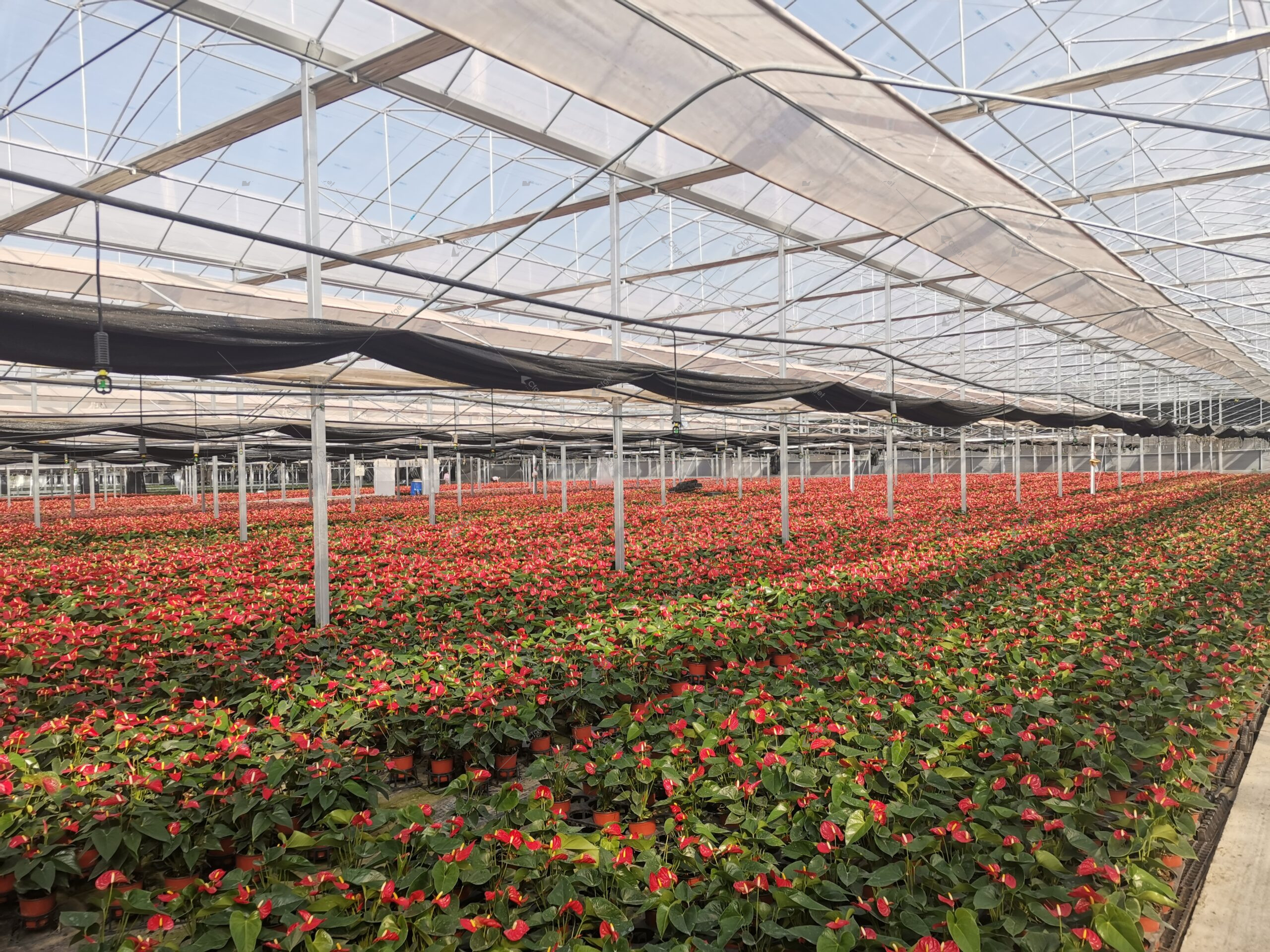
When I compare greenhouse options, I start with the site and the crop before looking at product names. Climate, structure, covering, systems, installation scope, and operating skill all change the right answer.
How would I make this decision on a real project?
This guide is written for buyers planning a working greenhouse, not for casual gardening traffic. I use three checks before making a recommendation: the questions buyers are already asking in search, CFGET’s greenhouse project-planning checklist, and the practical information a supplier needs before designing responsibly.
I use buyer questions as a starting point, but the recommendation still has to pass a project checklist: climate, crop, structure, systems, budget, installation, and maintenance.
Before ordering, a buyer should still confirm local wind load, snow load, permit rules, energy price, water quality, and crop economics. A blog can narrow the decision; it should not replace project engineering.
Evidence Pack
how to choose a greenhouse supplier should be checked against project evidence, not only product names or a single price.
| Material / system | What to verify | Why it matters |
| Frame and covering | Steel/aluminum specification, panel or film thickness, UV treatment, fasteners. | Small specification gaps can change lifespan, insulation, and wind resistance. |
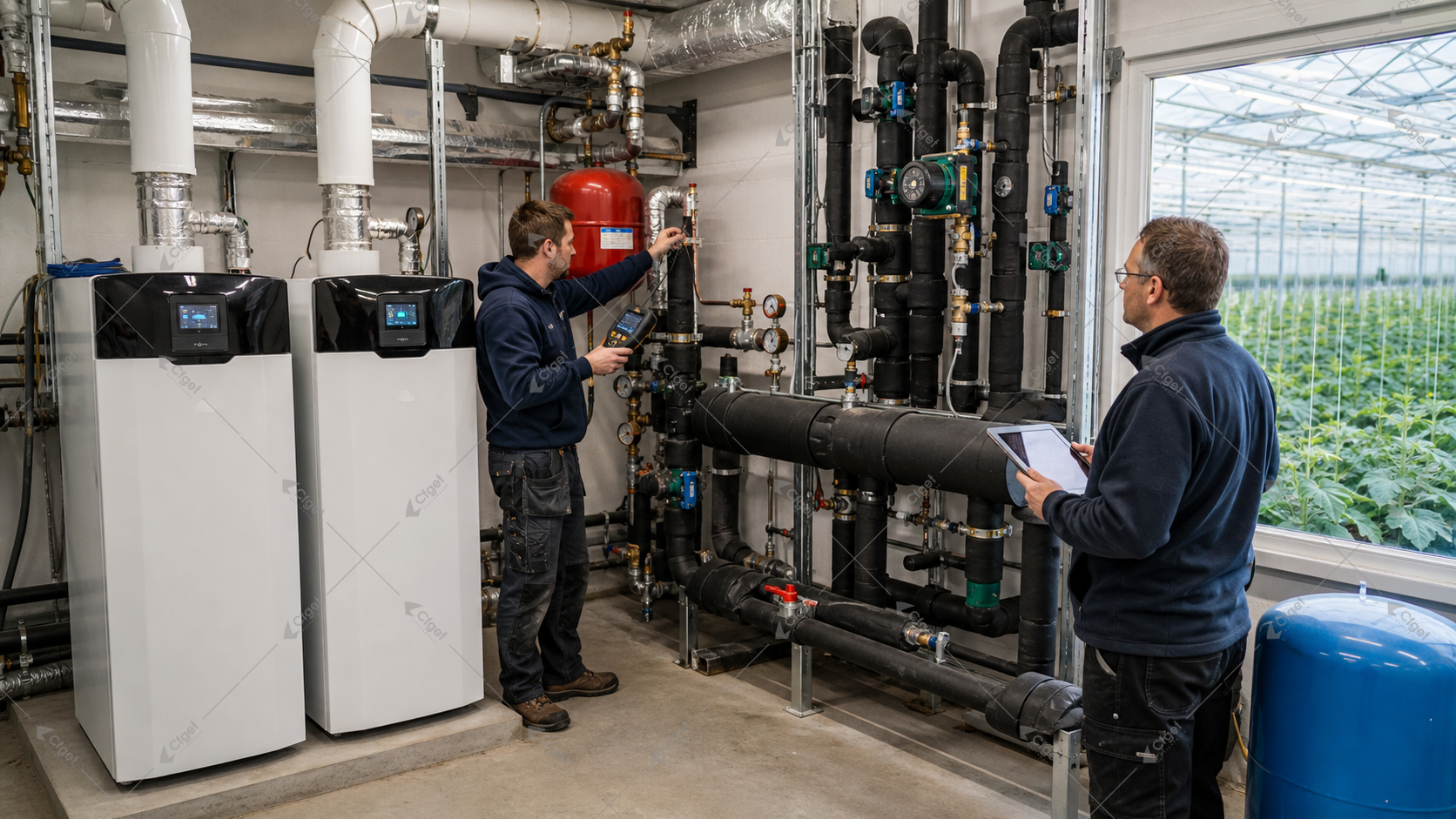
| Ventilation and climate layer | Vent openings, fan-pad sizing, screen/shading options, control method. | The covering choice only works when the climate layer matches the crop. |
| Replacement parts | Film, panels, seals, motors, sensors, clips, and spare parts availability. | A cheap initial quote can become expensive if replacement parts are unclear. |
Climate and Project Assumptions to Confirm
- Use local wind and snow load assumptions before confirming structure.
- Check the hottest and coldest operating months, not only the annual average.
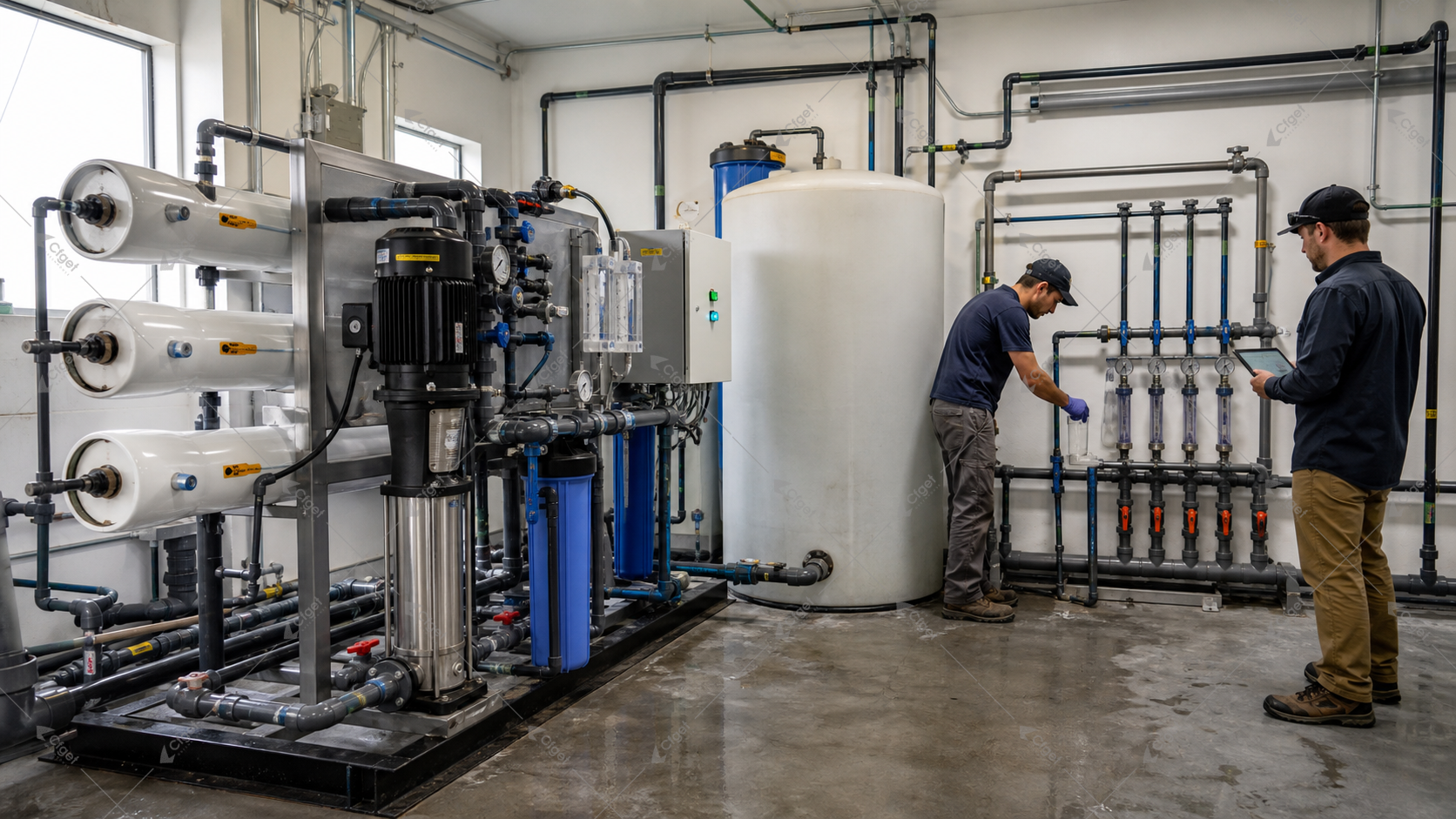
- Confirm water quality and power availability before selecting irrigation or climate equipment.
Suitable When
- The crop, climate, structure, systems, and budget are defined together.
- The supplier can provide drawings, specifications, and a clear responsibility boundary.
- The buyer has a realistic plan for installation, operation, and maintenance.
Not Suitable When
- The design is copied from another country without local climate review.
- The quote lists only product names and total price.
- Yield, payback, or lifespan is promised without assumptions.
a good catalog. I bought a Climapod for its affordability. … More 3 votes · 3 years ago Who makes the best greenhouses and where do I get them from?
Many buyers compare greenhouse options before defining the job the structure must perform. That makes quotes look similar even when the real scope is very different.
Start by defining the climate, crop, size, and operating target before selecting the structure or equipment package.
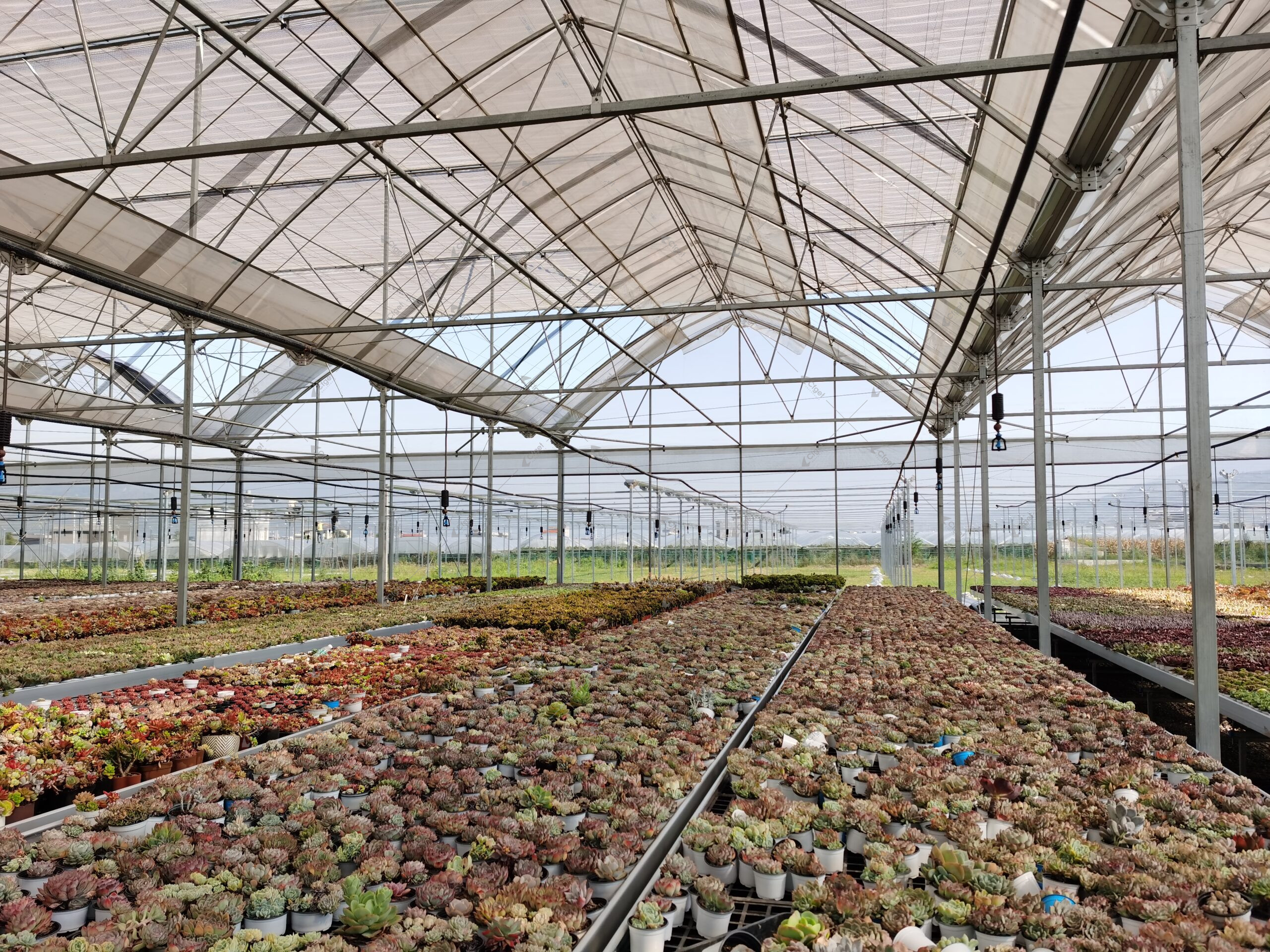
| Option | Best fit | Main caution |
| Film greenhouse | Budget-sensitive projects and large areas. | Shorter covering life and weaker insulation. |
| Polycarbonate greenhouse | Cold or mixed climates needing better insulation. | Higher upfront cost than film. |
| Glass greenhouse | High-light, long-life, high-tech projects. | Needs stronger engineering and higher capital. |
How I would evaluate it
I would first check the project location, crop value, target planting season, local wind and snow expectations, available water and power, and whether the buyer needs a simple structure or a controlled production system. These details decide whether a film tunnel, polycarbonate house, glass house, fan-pad system, natural ventilation, drip irrigation, or climate computer is appropriate.
Facebook · GREENHOUSE GROWERS · 70+ comments · 1 year ago · What’s the best brand for a small greenhouse?
A greenhouse can fail commercially even when the frame is strong if the operating system does not match the crop or climate.
Compare every option by crop performance, maintenance, energy use, installation difficulty, and long-term replacement cost.
| Check | Good sign | Risk sign |
| Specification | Clear steel, covering, load, and system details. | Only product names and a total price. |
| Climate fit | Design mentions heat, wind, snow, humidity, or shade. | Same design offered for every country. |
| Support | Drawings, packing list, installation guidance, and spare parts are defined. | After-sales support is vague. |
What to request from a supplier
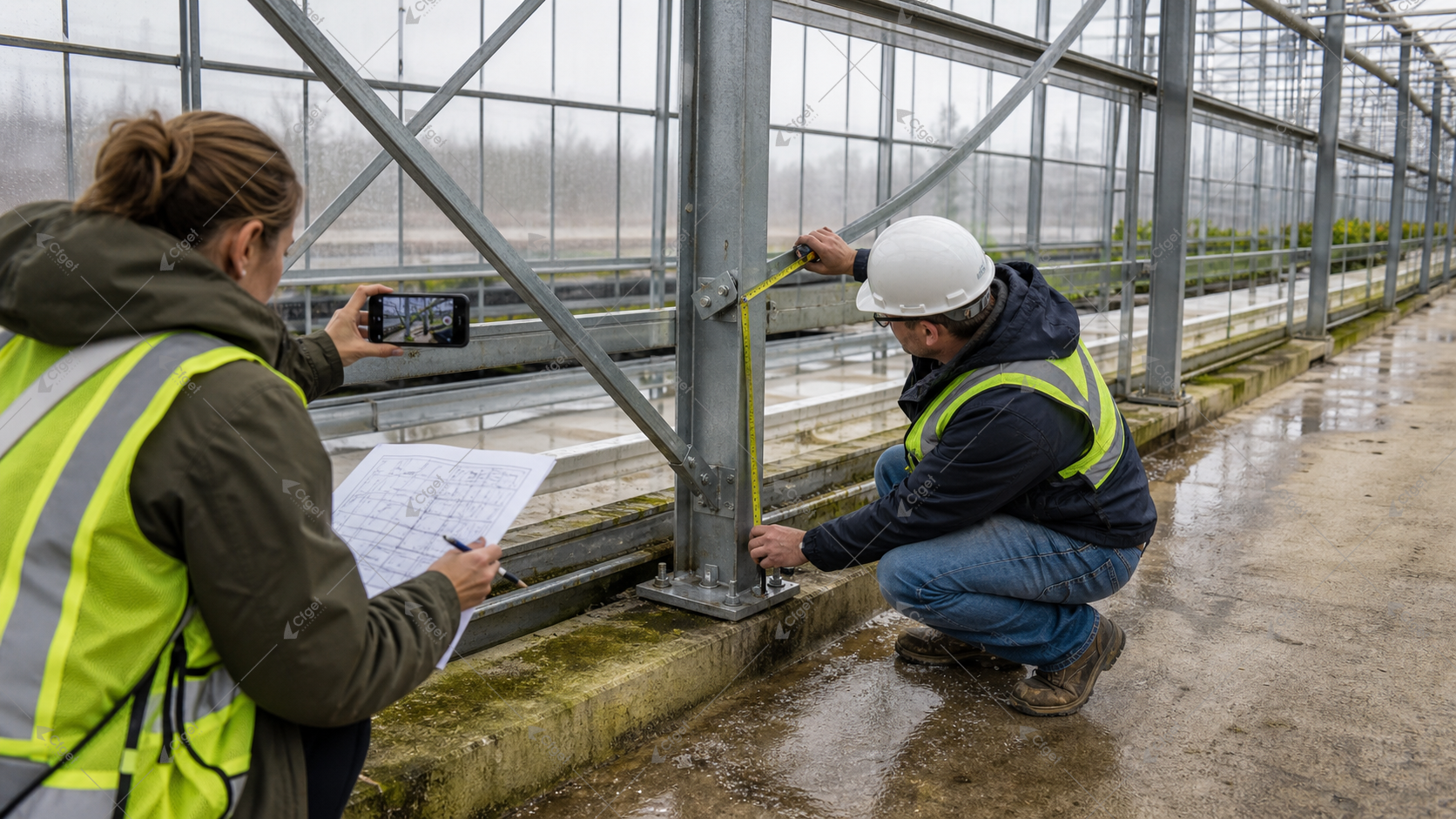
Ask for a bill of materials, structure drawing, covering material specification, system diagram, packing plan, installation responsibility, spare parts list, and quote validity period. If two quotes differ sharply, compare what each quote excludes before deciding one supplier is cheaper.
Greenhouse Shopping?
Buyers often ask for a fast price before sending the information that makes the price meaningful.
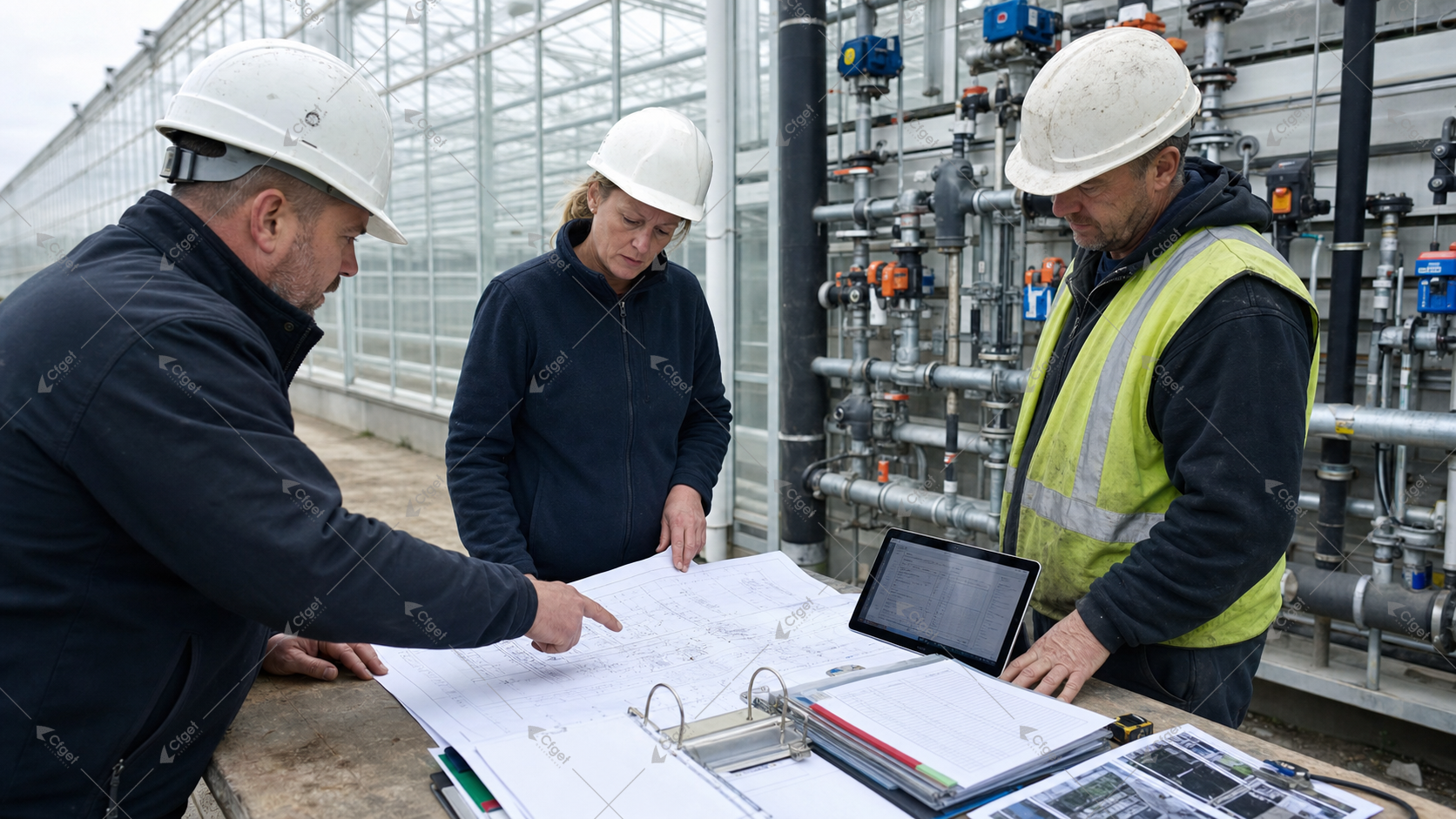
Send a compact RFQ with location, crop, area, climate issue, structure type, systems, timeline, and installation scope.
| RFQ field | Example | Why it matters |
| Country and city | Riyadh, Saudi Arabia | Sets heat, logistics, and design assumptions. |
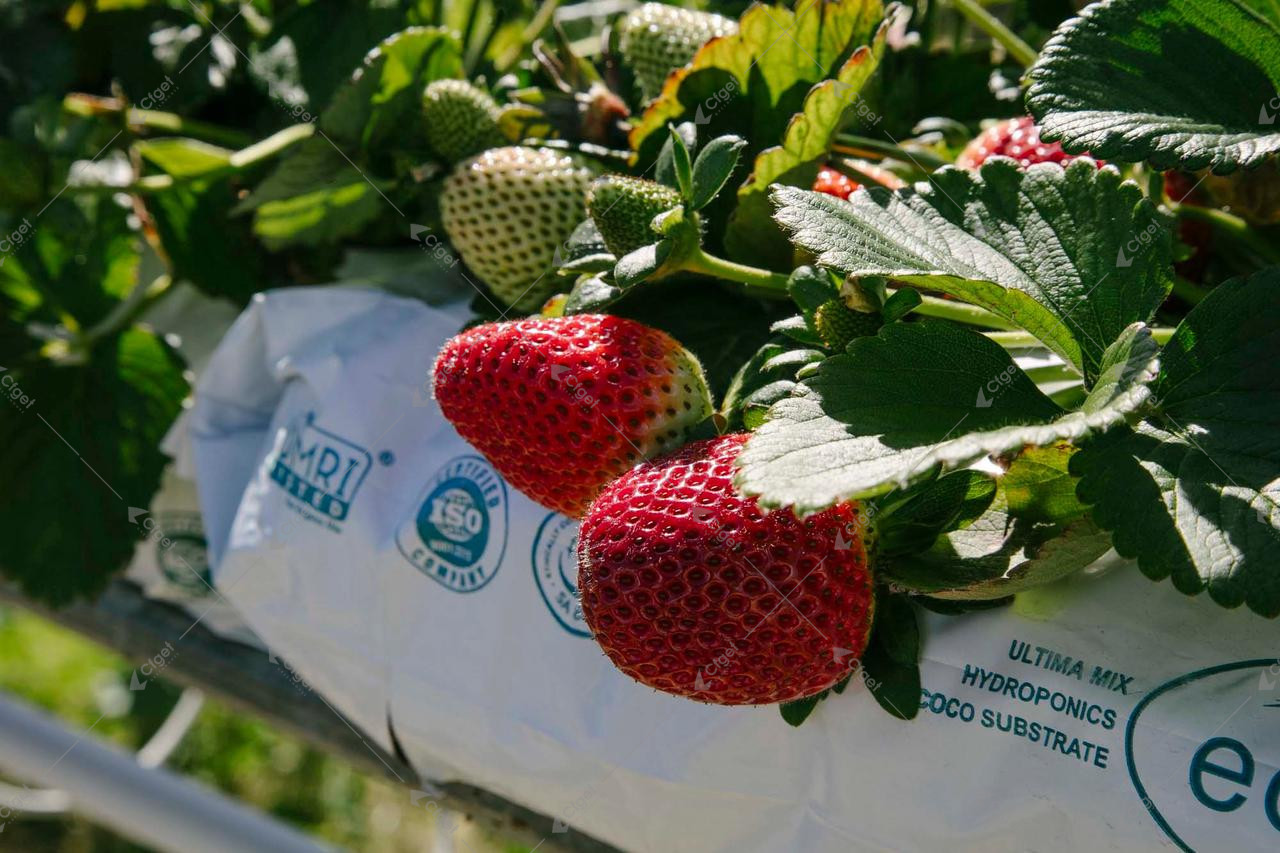
| Crop and method | Tomato in substrate bags | Defines height, irrigation, drainage, and climate targets. |
| Area | 1 hectare / 2.47 acres | Controls span layout, equipment sizing, and shipping volume. |
| Systems | Pad-fan, drip fertigation, shade screen | Prevents missing equipment in the quote. |
Practical next step
Prepare a one-page RFQ before requesting a quotation. CFGET can then compare structure, covering, irrigation, ventilation, and control options against the same project assumptions. That produces a more useful proposal than a fast but incomplete price.
Conclusion
How to choose a greenhouse supplier should be treated as a project-planning question. The safest blog answer combines a direct answer, clear assumptions, engineering trade-offs, and a buyer checklist.
Before You Use This Recommendation
- Treat this as a planning guide, not a final engineering design.
- Check the local climate data, crop plan, water quality, energy cost, and building rules before ordering.
- Ask the supplier to show drawings, material specifications, equipment scope, packing details, and installation responsibilities.
- Avoid any quotation that promises yield, payback, or structural performance without stating the assumptions.
About the Author
Coraline is a greenhouse horticulture practitioner focused on practical greenhouse planning, climate adaptation, crop matching, and long-term agricultural project decisions. This article is written from Coraline’s practical perspective as a long-time greenhouse horticulture practitioner. It focuses on project planning, climate suitability, crop requirements, investment logic, and long-term operation considerations. Technical recommendations should be adapted to local climate data, crop plans, budgets, and professional engineering review before implementation.
Company Details
CFGET: CFGET designs, manufactures, and delivers greenhouse systems and smart farming solutions from its own factory in Sichuan, China.
Address: NO 108, South Area Chengdu Modern Industrial Park, Sichuan, China
Email: [email protected]
About CFGET: https://cfgreenway.com/about/
Related CFGET Resources
- Commercial Greenhouse Solutions
- Multi-Span Greenhouses
- Polycarbonate Greenhouses
- Venlo Glass Greenhouses
Frequently Asked Questions
Is how to choose a greenhouse supplier enough information for a greenhouse quote?
No. A useful quote also needs country, crop, area, climate, target season, structure preference, systems, and installation scope.
What information should I send before asking for a price?
Send the project location, greenhouse size, crop, climate challenge, preferred covering, required systems, and whether you need installation guidance.
Can one greenhouse design work in every country?
No. Wind load, snow load, heat, humidity, labor skill, crop value, and local regulations can change the right design.
Should I choose the cheapest greenhouse supplier?
Not by price alone. Compare drawings, material thickness, load assumptions, equipment scope, delivery terms, and after-sales support.
Why does CFGET ask for climate and crop details first?
Those details decide the structure, ventilation, covering, irrigation, and control system. Without them, a quote can look precise but still be wrong for the project.