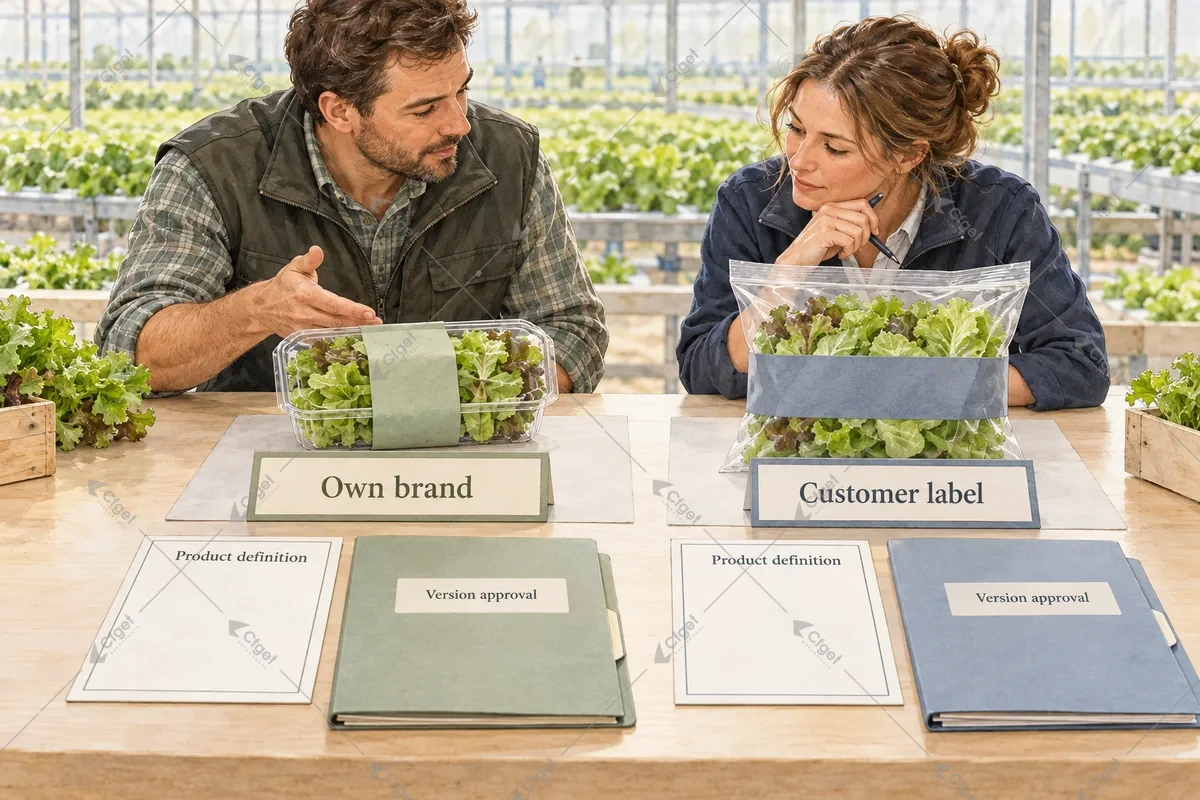
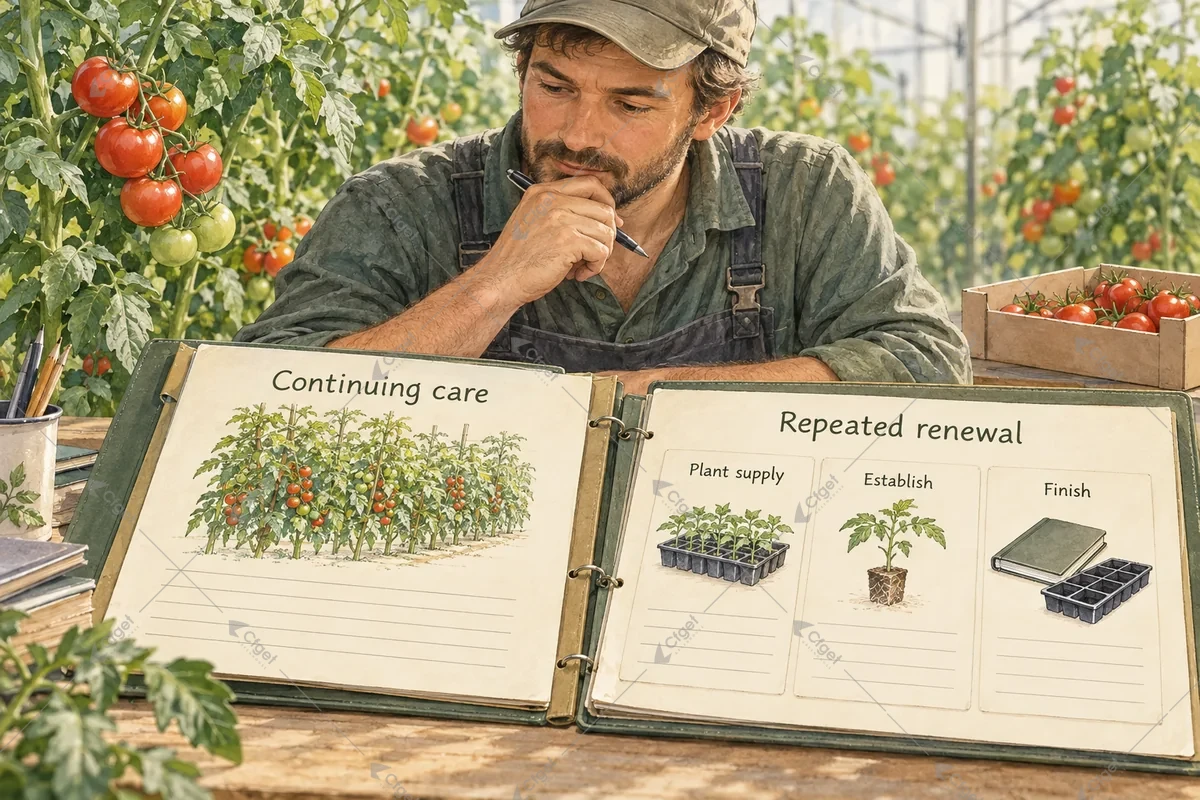
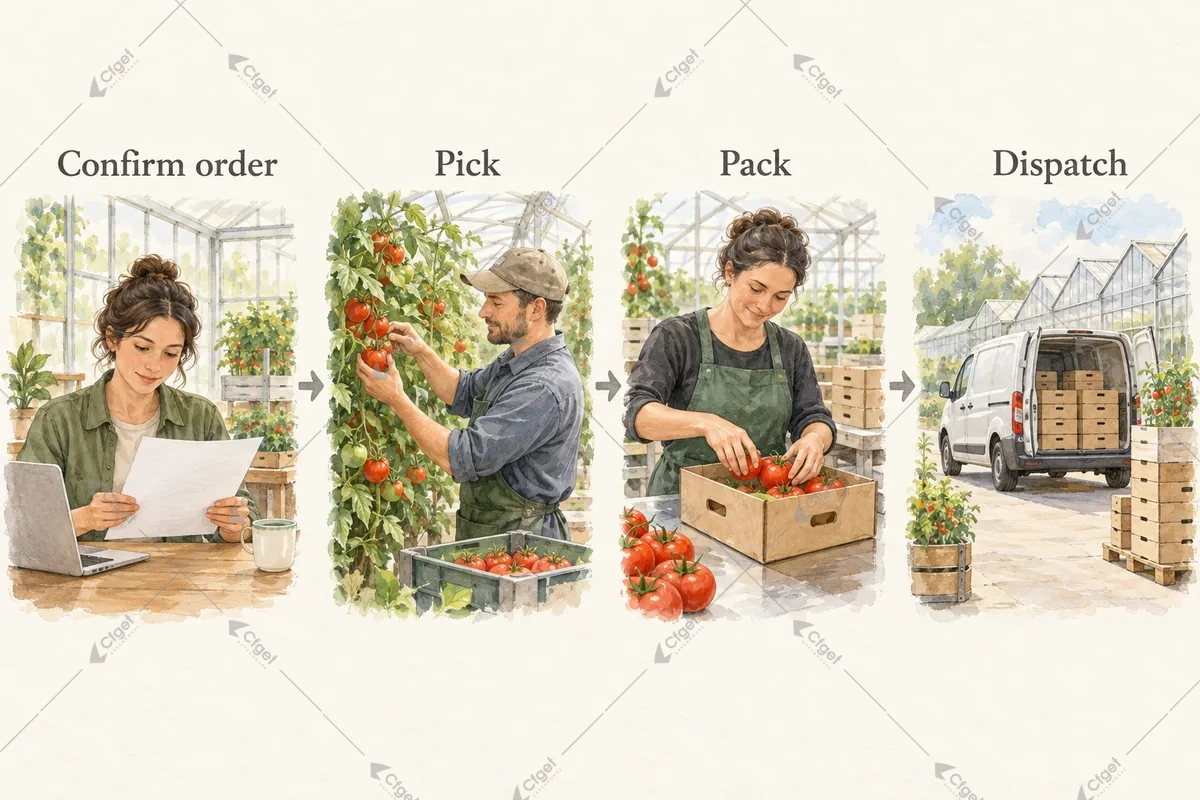
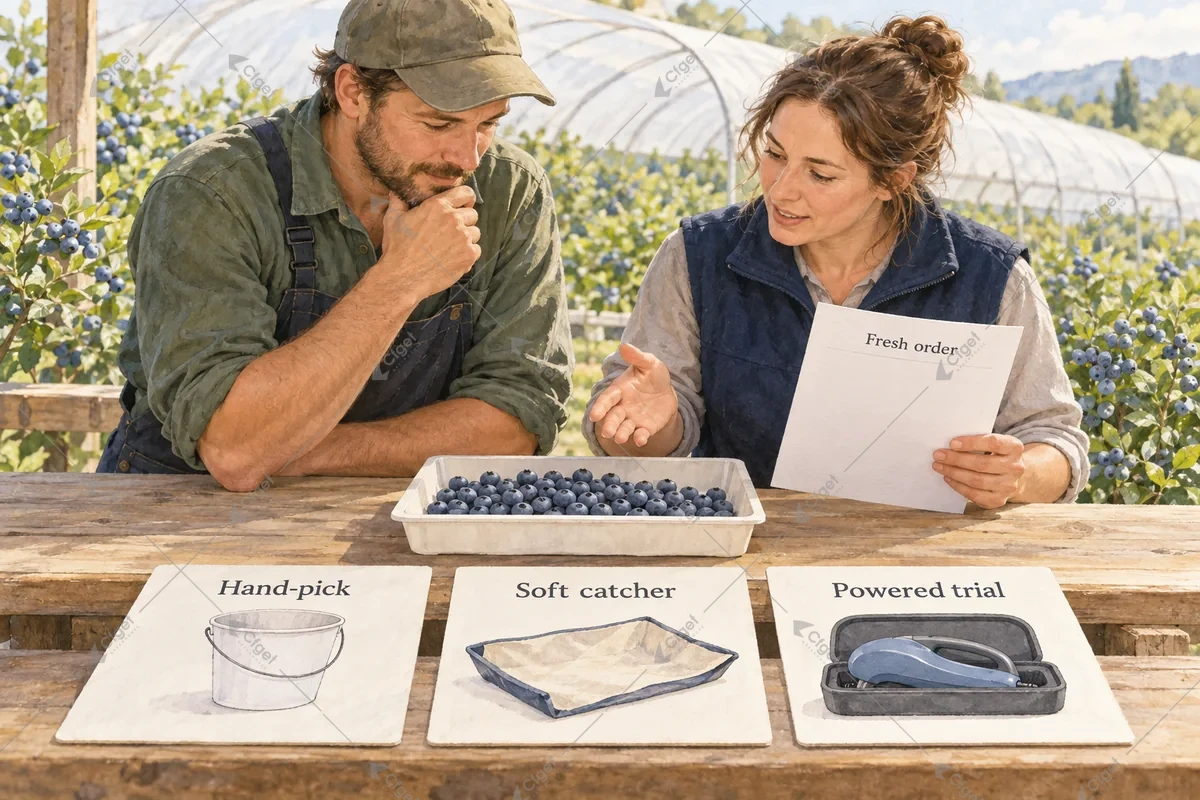
Growing direct sales does not have to mean leaving the flower auction. For a greenhouse flower business already using that route, a more useful question is which returning buyers are worth developing into direct accounts, and what auction role the business should retain.
Start with repeated demand you can identify. A buyer who comes back for your flowers gives the sales team a concrete conversation to pursue, but has not yet agreed to a standing order or a different purchasing arrangement.
A large marketplace supports both routes
Royal FloraHolland’s Annual Report 2025, page 150, reports that clock auctions accounted for 38.4% of its product revenue and direct sales for 61.6%. The denominator covers flowers and plants traded through the platform, not cut-flower stems alone, grower profit or the whole flower market.
These figures show substantial activity through both routes. They are not a target allocation for your crop. Nor does the route name alone tell you the commitment period: the report also discusses clock presales and direct day trading. Your actual buyer relationship is what needs defining.
Turn repeat auction demand into a possible account
In a July 2026 interview published by Floriday, Moses Ndegwa of Kenya’s AAA Growers described serving both auction and direct customers. The company uses purchasing information to identify buyers who regularly return for its products, then explores whether direct trade would fit both parties.
This is a named operator’s account hosted by its platform provider. It gives a practical customer-development example, rather than an independent measurement of software effectiveness or better returns.
Apply the idea selectively. Look for a repeated pattern in the buyer’s purchases that your farm can understand and support. Which assortment attracts it? Is the purchasing regular, seasonal or occasional? Does the buyer return for a consistent product requirement, or does its selection vary substantially?
Those observations help prepare a discussion. They should not become assumptions about what the customer will commit to.
Find out whether direct buying solves a real need
Ask the buyer what would make a direct relationship useful. It might want a more clearly discussed assortment, a recurring purchasing arrangement or a contact who understands its requirements. Equally, the buyer may prefer to keep choosing through the auction.
A worthwhile prospect is one where the buyer’s need fits a service your team can provide. Establish the product and purchasing pattern before reserving crop. If the discussion remains general interest, keep it recorded as a prospect rather than presenting it to production as confirmed demand.
Give the account a named commercial owner. Someone must follow up the conversation, agree what is actually being offered, communicate changes and keep the crop and sales teams working from the same information. Adding contacts without assigning that work does not create a dependable customer base.
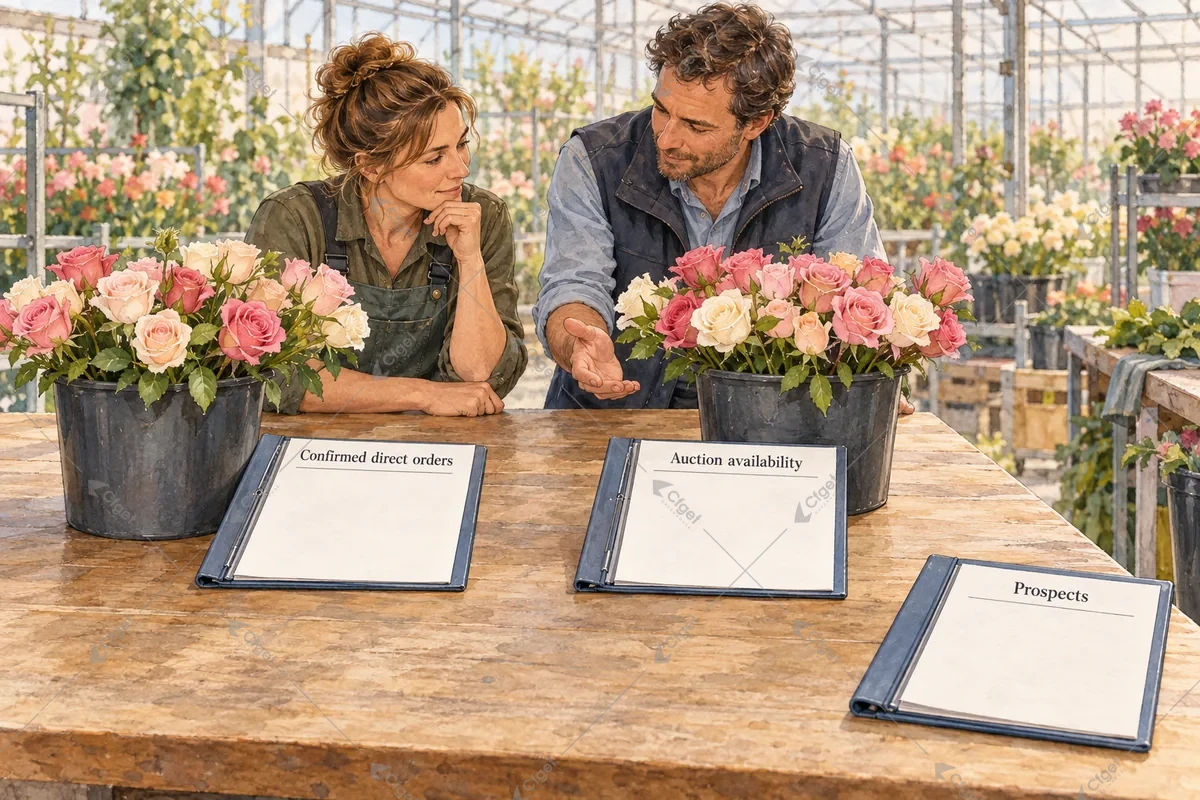
Keep confirmed commitments and remaining availability separate
Once a direct order is agreed, make the committed assortment and quantity visible to the people releasing flowers to other routes. The same stems should not appear available for auction and reserved for a customer at the same time.
Identify who can update that allocation when crop availability or the customer’s requirement changes. Confirm any change with the affected buyer before treating the flowers as freely available again.
Retain a deliberate plan for the crop offered through the auction. Do not assume a new direct customer will absorb every lot left unsold elsewhere. Its specification, timing and willingness to buy still have to fit. A prospect list is not an emergency purchase commitment.
Build the account before changing the whole sales mix
Begin with a limited set of prospects and a defined part of the assortment. Judge progress by what becomes repeat purchasing and by whether the farm fulfils the agreed commitments, rather than by the number of conversations opened.
Review the attention each account requires and what the buyer still chooses to purchase through the auction. An outcome in which a customer uses both routes can be sensible. There is no need to force every relationship into one category.
Compare actual commercial returns separately once there are concrete offers and completed transactions. For crop and facility requirements, use the Kenya rose greenhouse planning guide. The immediate sales decision is where a direct relationship adds a useful, manageable commitment while the auction continues to serve its chosen role.