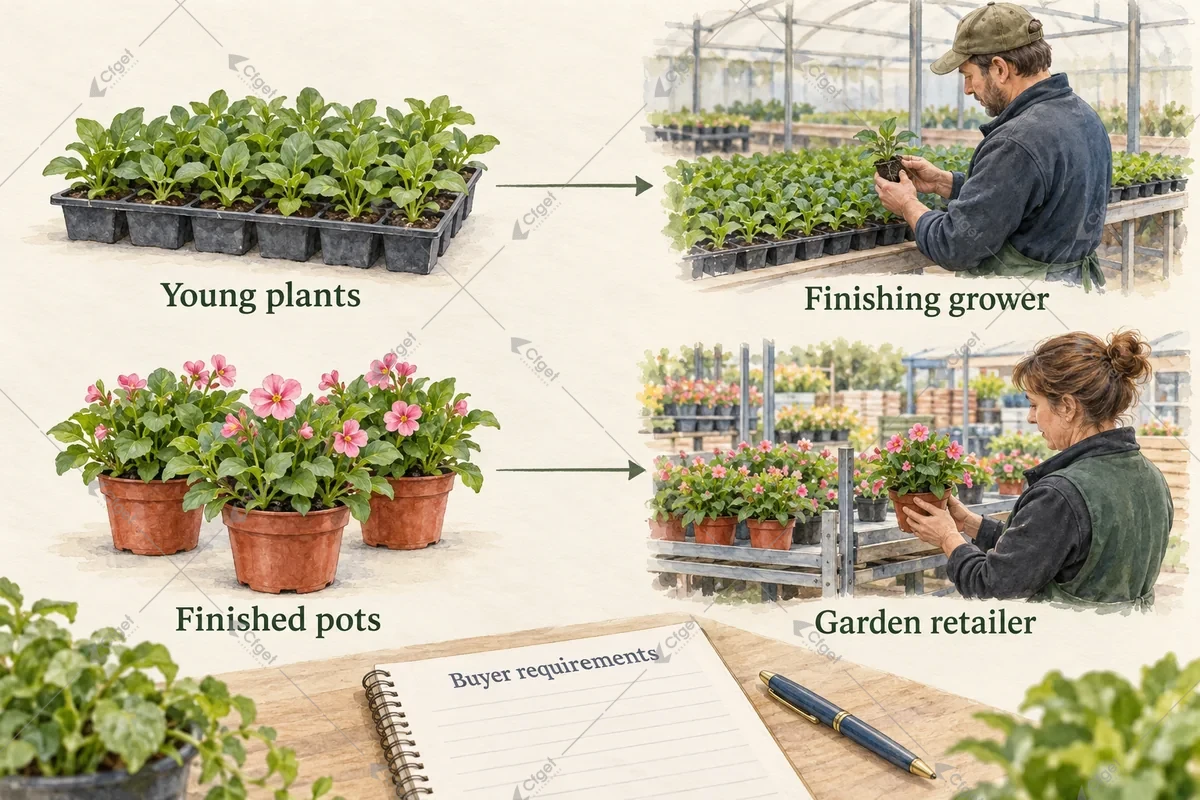
A truckload of finished plants can leave the greenhouse while the grower still owns the stock. Under a proposed retail-consignment programme, the important question is what happens while those plants wait for consumers to buy them.
Before expanding shipments, establish whether your team can see the remaining stock, understand its condition and act on the information. Delivery records alone cannot manage plants that remain commercially yours at somebody else’s site.
Delivery and the completed sale can be separate events
Central Garden & Pet Company’s Form 10-K for the fiscal year ended September 27, 2025 describes Garden-segment consignment arrangements in which the company retains ownership after products reach retail locations. Consumer purchase transfers control and triggers revenue recognition.
The auditor’s report identifies a particular arrangement that depends on accurate, complete customer-reported revenue data and a third-party transaction processor. The retailer is not named in that discussion. This historical disclosure provides a concrete example of why a supplier may need evidence of consumer sales after delivery.
Separately, Bell Nursery’s own service description says its team works with Home Depot on inventory management, plant care and displays, with people in stores on most days after arrival. Its account illustrates continuing plant-related work at retail; it does not supply the private terms of the SEC-disclosed arrangement.
Make the stock outside the farm visible
For your proposed programme, identify the store and product detail available in the records. Can you connect the farm’s dispatch, the store’s receipt, reported consumer sales and the quantity still present? Who checks discrepancies, and how does a corrected record reach the grower?
Keep different movements separate. A plant sold to a consumer, transferred to another store, returned to the nursery or removed from sale has a different explanation. If the stock count falls, establish what happened rather than treating every reduction as a sale.
Consider a hypothetical store asking for another delivery while the latest sales report is missing. Its request alone does not explain whether the previous plants sold, moved elsewhere or remain on display. Before releasing more crop, ask the named contact to resolve the gap and confirm the current requirement.
A total across all stores can conceal a local problem. One site may need replenishment while another still holds the same product. The practical requirement is enough product-and-location information to support the decisions the grower is expected to make, without prescribing a particular software system.
Assign both care and permission to act
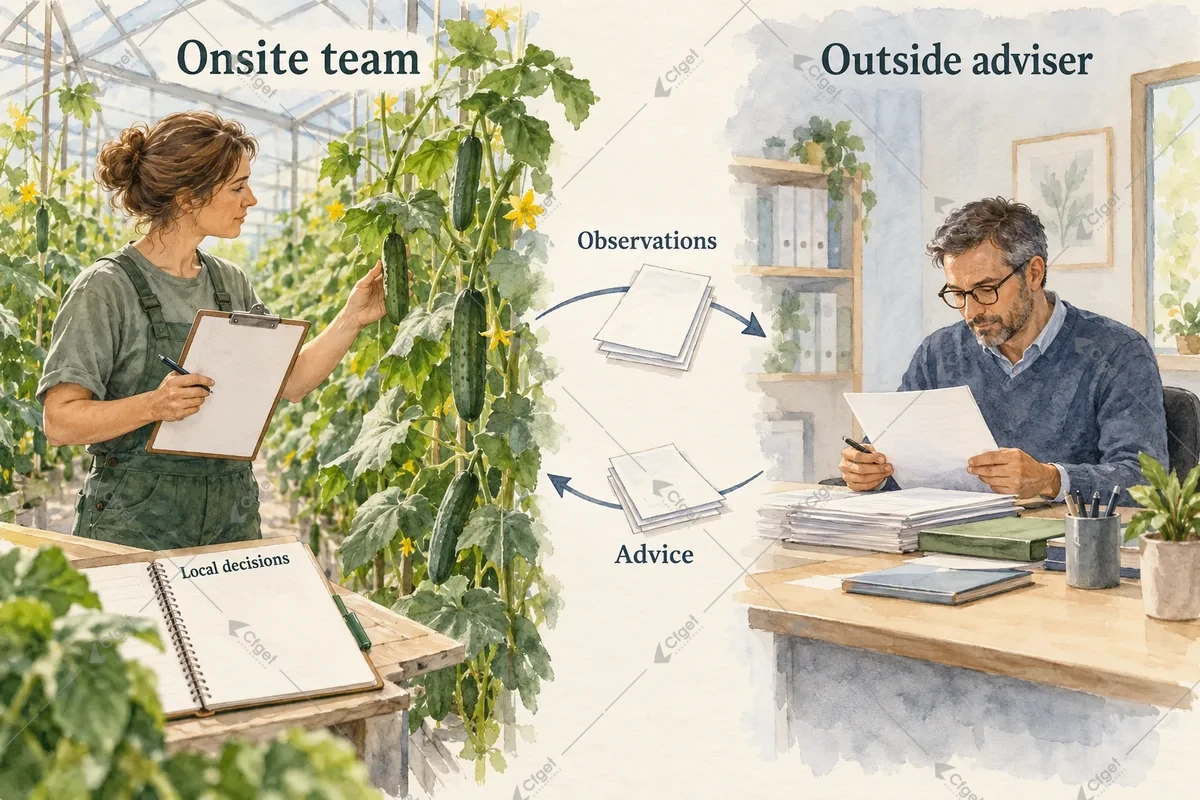
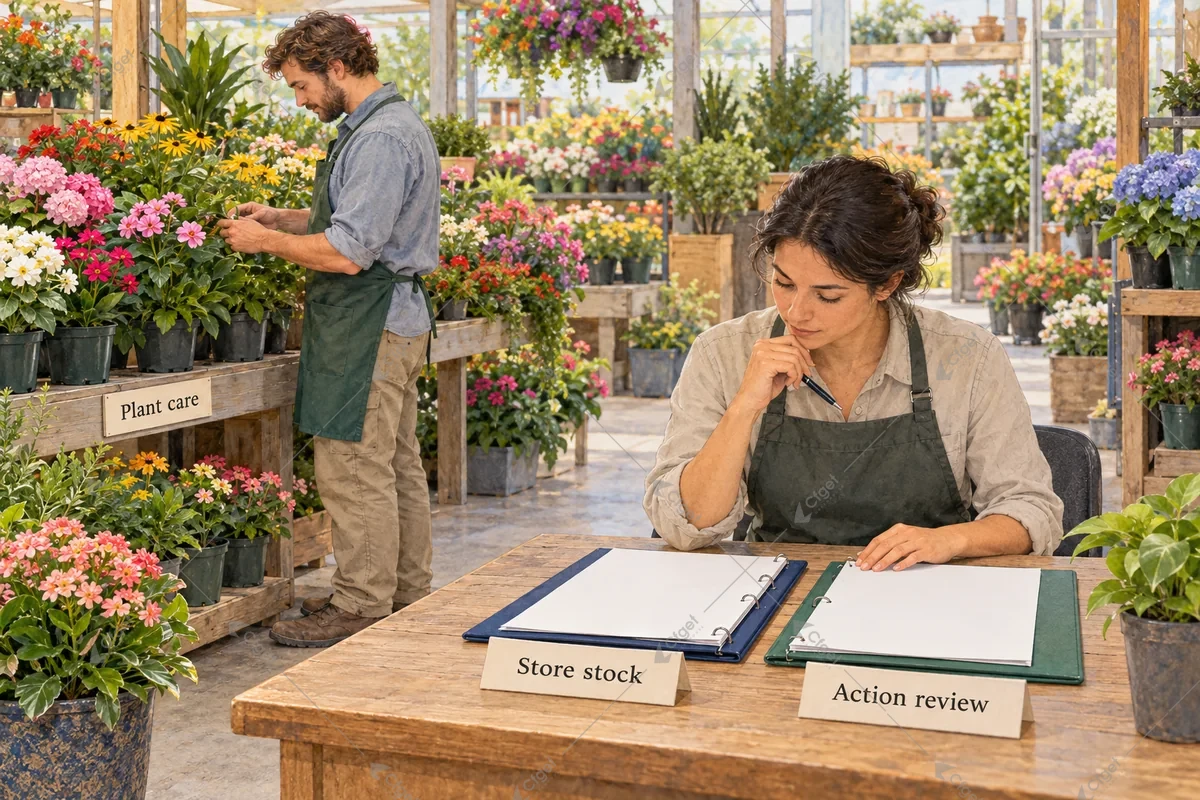
Agree who checks plant condition, maintains the display and raises a problem after delivery. Establish who covers an absent contact and who receives an urgent issue. A stock report can identify where plants are recorded; someone still needs to know what is happening to them.
Next, clarify who can authorize replenishment, a markdown, transfer, return or disposal, and how each action is recorded. Those are questions for your own programme, not terms disclosed by Bell or Central Garden & Pet. Do not assume the person watering a display also has authority to change its selling price or move its stock.
Use an ordinary operating situation to test the proposed responsibilities. If plants remain unsold and their condition changes, who reports it, who decides the response, and who confirms that the response occurred? Resolve an unanswered step before allocating more production to that store.
Choose a scope the farm can manage
Define the products and retail locations the team can support with the available information and service arrangements. Review the remaining grower-owned stock alongside completed consumer sales and unresolved movements. A busy dispatch schedule is not, by itself, evidence that the retail programme is working.
If the necessary records or responsibilities are missing, narrow the proposed launch or settle those gaps before increasing shipments. If they are clear, evaluate a defined programme and review actual stock movements and care work before expanding. The wider greenhouse business review can consider the resulting resource commitments separately.
The decision is whether the business can keep managing its plants after they leave the greenhouse. Accept a store scope your team can see and support, rather than committing crop on the assumption that unloading ends the job.