
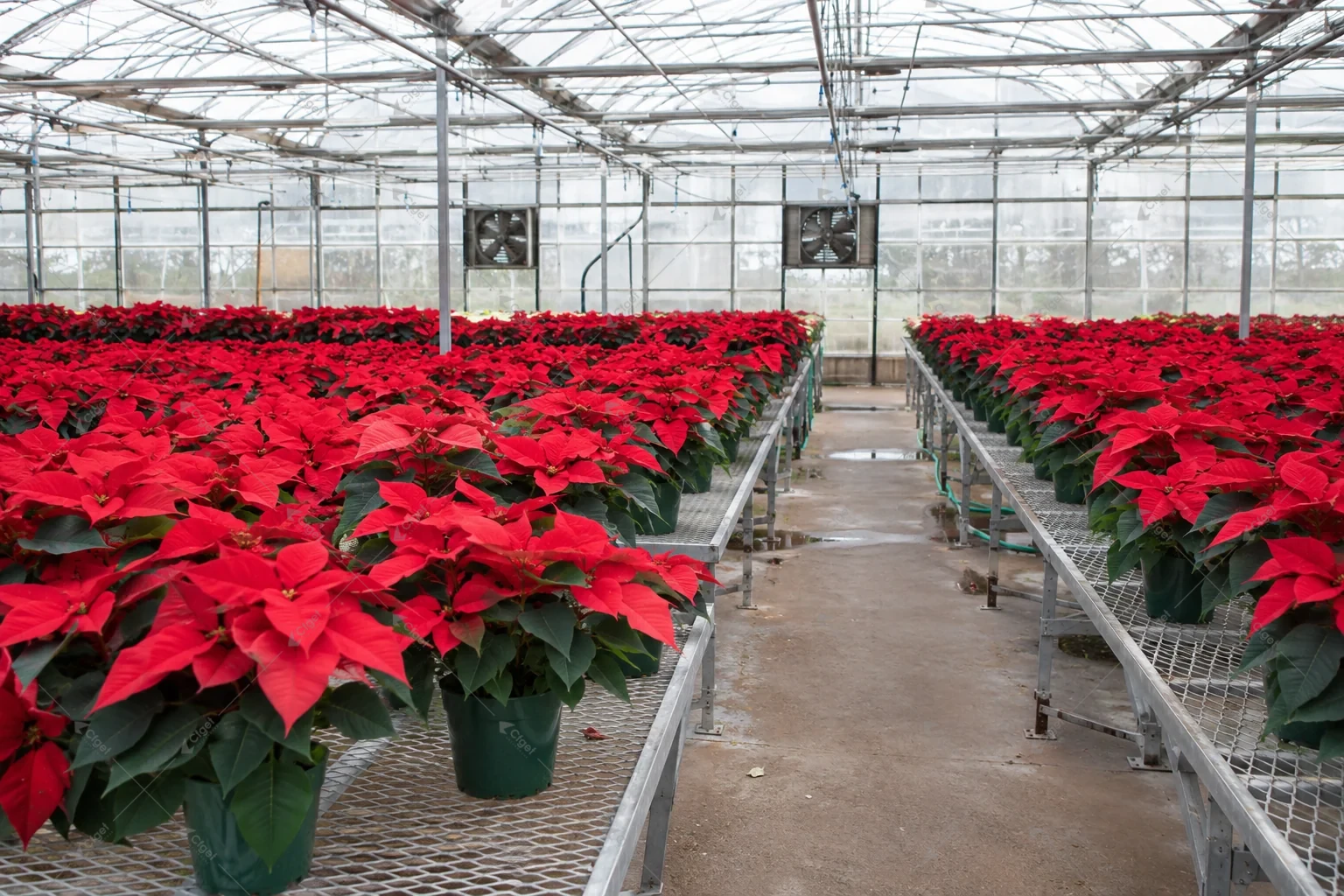
A shipment of poinsettias can have good red colour and still disappoint a buyer who expected fresh-looking flower centers. The coloured bracts and the small reproductive structures they surround are different parts of the plant. Photographing the canopy from the end of a bench records the first much better than the second.
If the centers look sparse, find the last inspection that actually showed them. The useful question is whether previously observed cyathia were lost, or whether the plants started dispatch at a different developmental stage from the one the buyer expected. A single receiving photograph cannot distinguish those histories.
Inspect the flower center as a separate quality feature

Choose plants from the actual cultivar and shipping lot. Look into several representative bract displays, not only the one that attracted the first complaint. Describe what is present: structures still closed, open cyathia, or places where a structure previously seen is now absent. If the starting condition was never recorded, use “few present at inspection” rather than “dropped in transit.”
Richard McAvoy’s extension account of poinsettia cultural problems explains that the cyathia are the reproductive structures, and that premature loss can make plants look older to consumers. That is a quality issue in its own right. Red bracts that meet a colour specification do not establish that the flower centers meet a freshness specification.
Ask the buyer to show what its own acceptance language means on this cultivar. Some orders define pot size, height and bract colour but say little about the centers. If the requirement is subjective, agree what will be photographed and when the comparison will be made. Do not invent a universal count that the parties never agreed to use.
Keep separate notes on bract margins, foliage and flower centers. A damaged margin, a yellow leaf and an absent cyathium are different findings. Combining them under “poor keeping quality” makes it harder to identify when each changed or which feature led to a rejection.
Recover the stage at the last clear inspection
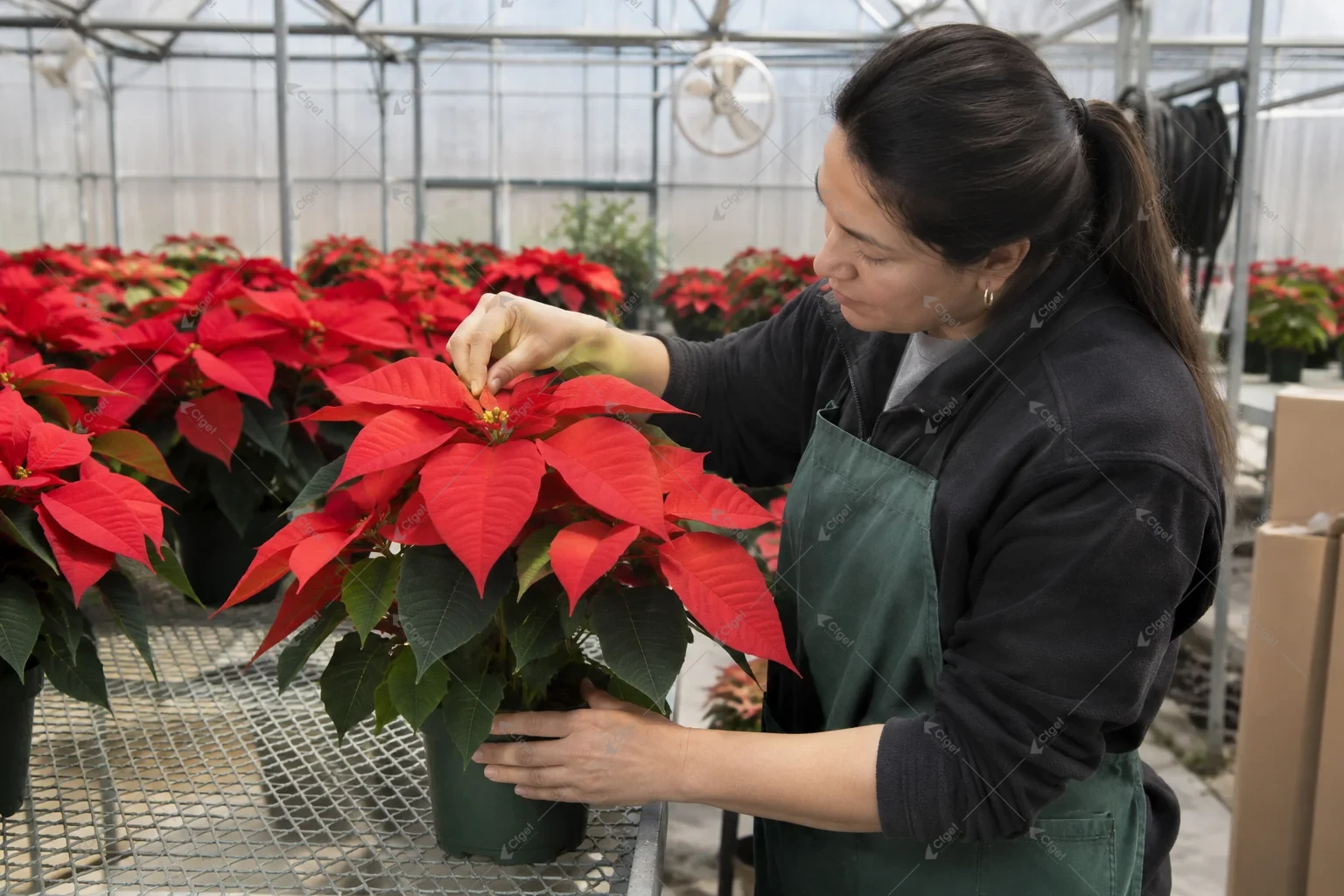
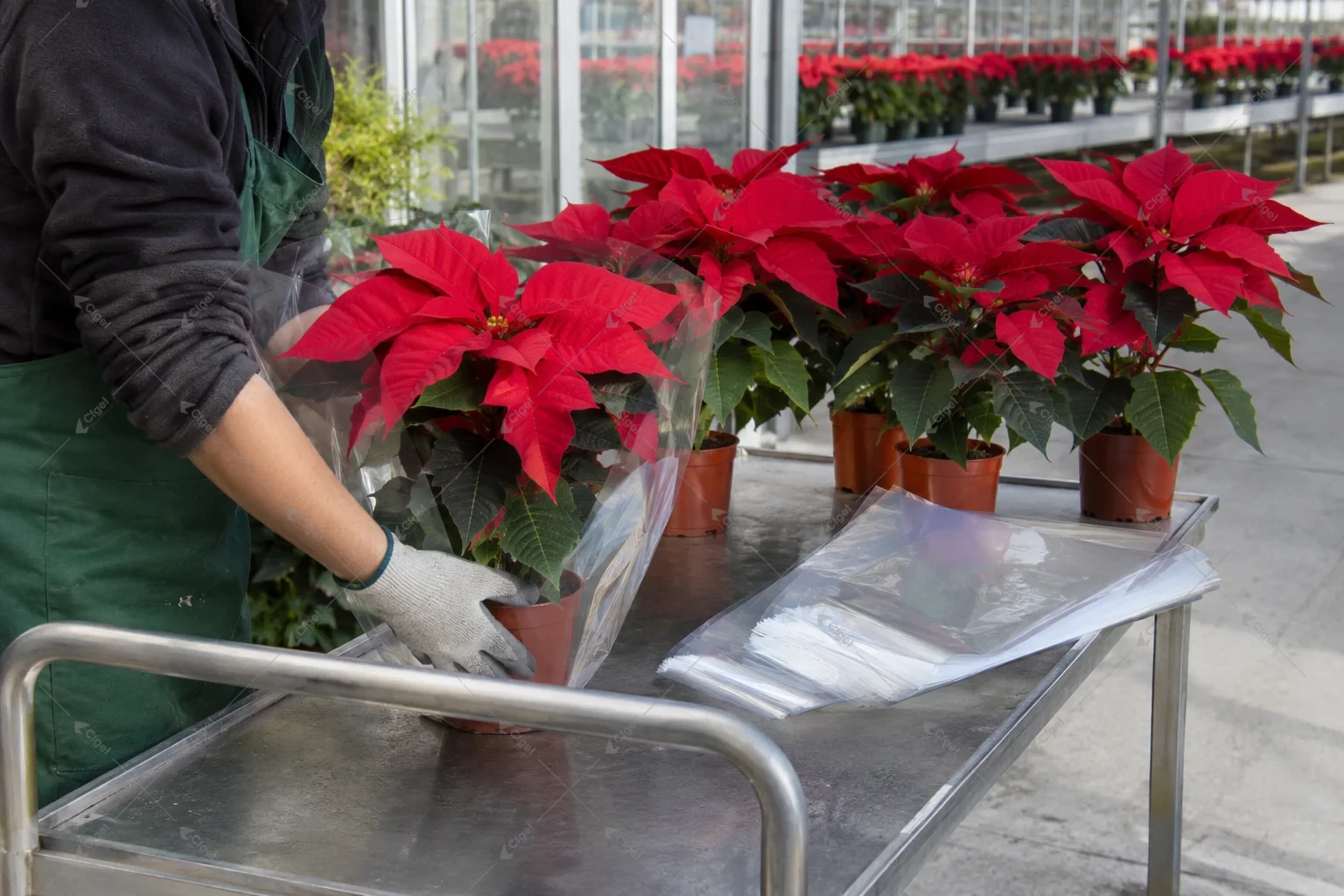
A meaningful retention record needs a starting point. If the plants have not left the nursery, inspect identified pots before the sleeve obscures the view. Record the cultivar, date and development stage, and take a close view that can be repeated without guessing which display was photographed.
Where the complaint comes from retail, ask for more than the latest image. A packing photograph can support a comparison if it shows the relevant flower center. A trolley photograph that shows only a field of red bracts may establish the lot’s colour and nothing about its cyathia. Keep that distinction in the review rather than creating a confident reconstruction from insufficient detail.
A 2018 poinsettia study by Guo, Starman and Hall assessed postproduction quality under specific cultivar and handling conditions. Its harvest-maturity observations distinguished retention of open and closed cyathia. The practical point is to keep maturity attached to the comparison. The study is not a reason to move every commercial harvest to a later stage.
Suppose two lots arrive on the same morning with similar bract colour. One was documented with developed centers at packing; the other was graded only for colour. A later observation of sparse centers in both lots does not provide equal evidence of loss in both. Discuss the first as a change from a known starting point and the second as an unresolved starting condition.
Check the finishing history before blaming the truck
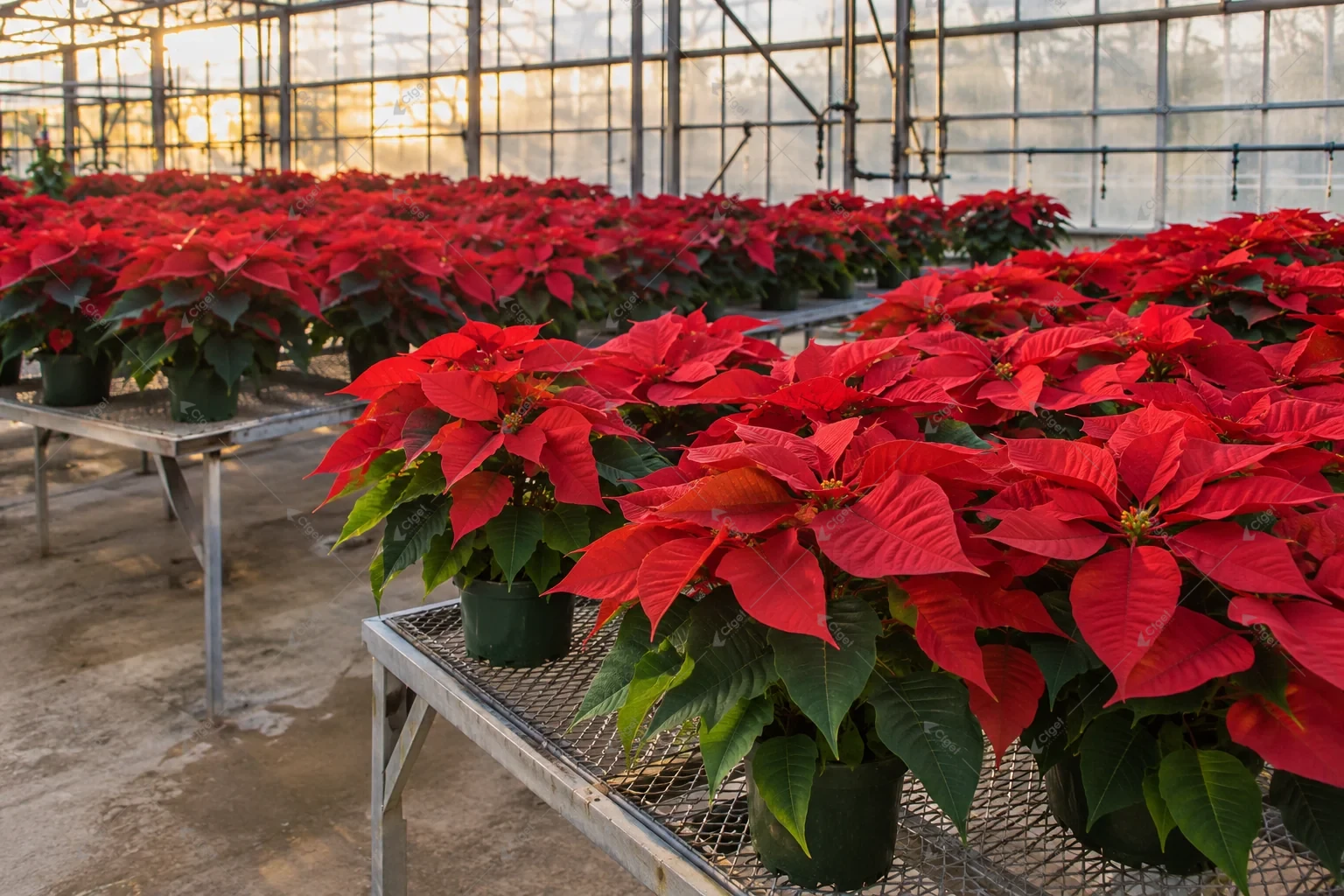
Return to the period when the centers were developing. McAvoy relates premature cyathia loss to conditions in which photosynthetic activity is low relative to respiratory demand, and discusses water stress as an additional concern. Developing bracts can also shade the green leaves below. These are reasons to examine the actual finishing crop, not a diagnostic formula for a particular shipment.
Check where the plants stood and how the crop was managed during the interval in question. Did the lot remain on its usual bench, or was it held elsewhere while the order was assembled? Were any watering interruptions recorded? Was the concern already visible before packing? A well-lit dispatch aisle does not describe the conditions the plants experienced during the preceding period.
Follow the lot through holding and transport only as far as the records allow. Ask for packing, collection, delivery and unpacking times. Distinguish a planned route from an actual delay. If temperature records are available, establish which compartment or shipment they describe rather than assuming a building-wide reading represented every trolley.
Avoid assigning a missing center to one warm day, one sleeve or a low reading from an unrelated sensor. Different stages can contribute to the final appearance. A nursery that identifies the last known acceptable stage has a practical place to begin improving its records even when it cannot establish a unique cause.
Agree what passes now and what to check next time
Give the sales team a current description of the lot: cultivar, bract condition, flower-center stage and the share of the inspected plants that meet the buyer’s agreed requirement. Include the number inspected and where they came from. The condition of a selected complaint plant is not a measured rejection rate for the whole delivery.
Keep this disposition separate from the cause investigation. A buyer can decide whether today’s plants suit its display while the nursery is still reviewing the history. Equally, identifying a possible finishing issue does not promise that a plant which already lost cyathia will regain the appearance originally specified.
For the next delivery, select the smallest additional check that closes the evidence gap. If development before sleeving was unknown, add a documented flower-center inspection there. If it was clear at the nursery but never assessed on receipt, agree a comparable receiving observation. Use the same cultivar and wording at both points so the comparison survives the handover.
If these records consistently implicate a finishing or staging area, include that finding in the greenhouse flower-production planning review. The useful facility question is specific: whether the named lot can be held, inspected and dispatched under the conditions its stage requires. A brighter photograph of the red canopy does not answer it.