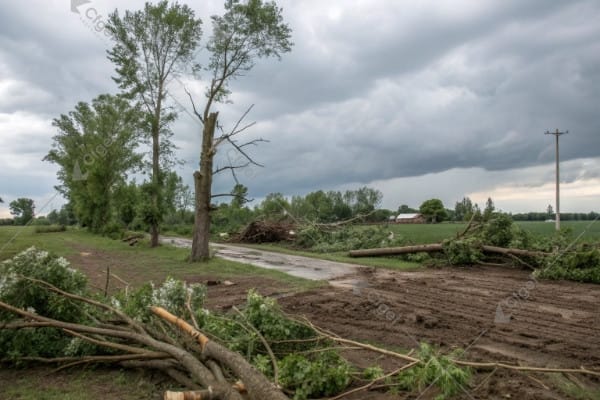
I watched a farmer lose his crops after one unexpected storm. His face showed defeat more than damage. Weather decides his income, not effort.
Greenhouse farming gives growers control that outdoor agriculture cannot. It protects yield, water, and revenue from climate uncertainty, while outdoor fields remain exposed.
I used to think farming was simple: plant seeds, wait, harvest. But then I stood inside a greenhouse during heavy rain. Outside, crops were drowning. Inside, humidity stayed constant, leaves dry, fruits safe. That moment changed how I see agriculture. I want to share this difference in a way that feels real, practical, and useful for growers who need more than theory.
Is greenhouse farming really more productive than outdoor agriculture?
One farmer told me, “Hard work is not my problem, uncertainty is.” Outdoor farming punishes consistency. Sun too low, rain too much, one heatwave — months of effort gone.
Greenhouses boost yield because light, temperature, and nutrient flow stay balanced, giving crops the conditions they need to produce more instead of survive.
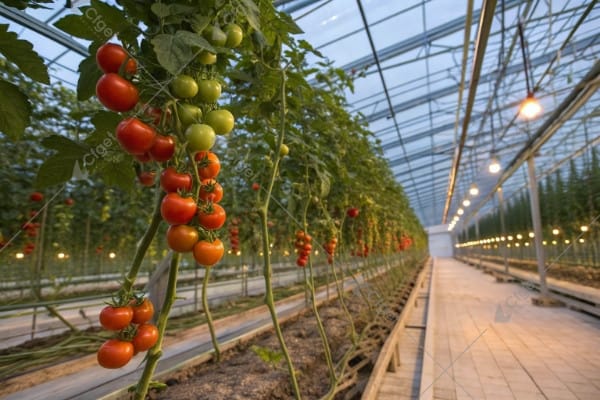
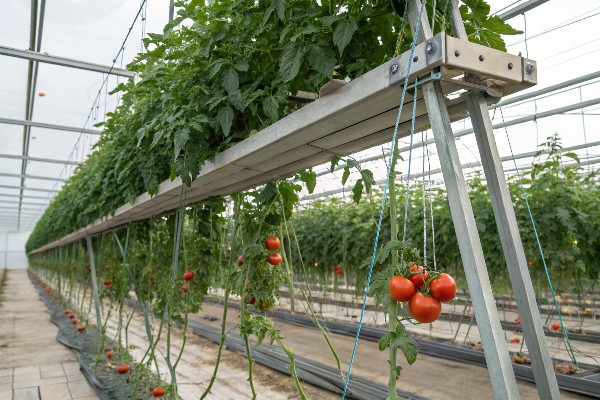
Tomatoes harvested inside climate control.
Why yield changes when conditions change, not effort
I saw open-field tomatoes struggle at 35°C. Leaves curled, fruit size dropped. The same variety inside a multi-span greenhouse produced steadily. Daily irrigation drip-fed roots. CO₂ stayed higher. No heavy rain washed nutrients away. In that season, outdoor yield reached around 4–8 kg per square meter. The greenhouse reached 30–70+ kg. Lettuce outside allowed only three or four harvest cycles. With hydroponics, we cut the cycle time and harvested up to fifteen cycles. Strawberries outside stopped during monsoon, but greenhouse berries kept fruiting.
Most online articles list yield benefits but never show this difference in real life. Yield jumps because plants stop reacting to weather. They simply grow. Here is a simple comparison:
| Factor | Outdoor | Greenhouse |
|---|---|---|
| Harvest cycles/year | low | high |
| Weather impact | severe | minimal |
| Fruit uniformity | inconsistent | consistent |
| Revenue pattern | unstable | stable |
Growers do not need magic. They need control.
Does greenhouse farming truly save water and reduce waste?
In one village I visited, irrigation pipes ran like veins across the soil, but water dried fast. A drip system inside a greenhouse nearby delivered drops like measured medicine. That farm used less, grew more, and stayed calm during drought.
Hydroponic and drip systems inside greenhouses reduce water waste by up to 60–90%, keeping nutrients where roots can use them instead of letting them vanish into soil.
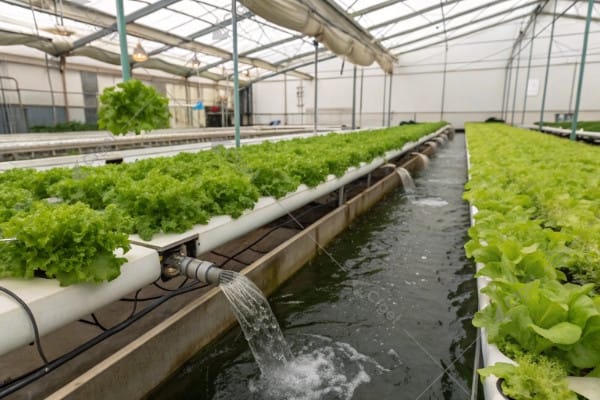
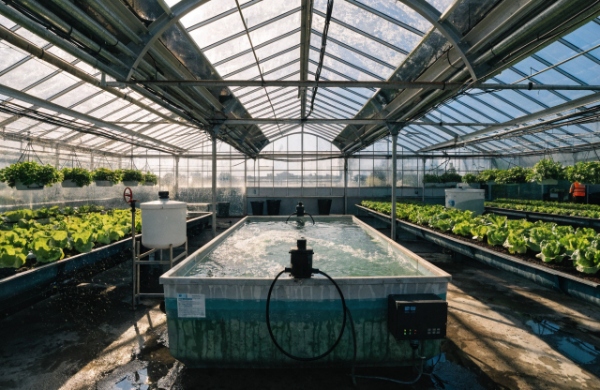
Fresh lettuce in NFT channel.
Why water saving is not just a number, but a mindset
When rain comes late or floods come early, outdoor crops pay the price. Soil holds water one day and drains too fast the next. Fertilizer dissolves unevenly. Humidity encourages pests. Then more pesticide is needed. More cost, more stress. That cycle shapes agriculture in many tropical areas I supported.
Greenhouse growing breaks this cycle. In NFT or Dutch bucket setups, water flows in a loop. We measure nutrients, adjust EC and pH, and reuse water. In a Southeast Asian project, disease loss dropped from 30% to around 8%. Harvest time shortened. Deep greens tasted crisp, market buyers insisted on repeat supply. This detail rarely makes it into search results, but growers love it because it changes monthly profit, not just plant health.
A quick table showing what changes:
| Resource | Outdoor | Greenhouse |
|---|---|---|
| Water efficiency | low | high |
| Fertilizer precision | low | controlled |
| Pesticide need | high | low (with IPM) |
| Leaf cleanliness | variable | clean |
Water saving is not about cutting cost. It is about winning predictability.
Is greenhouse agriculture expensive, and is it worth the money?
When growers ask me about cost, they do not want poetic phrases. They want numbers. They want to know when money returns, not when it disappears.
Greenhouses require higher upfront investment, but return profit faster for high-value crops. Typical payback happens between 4–7 years when managed well.
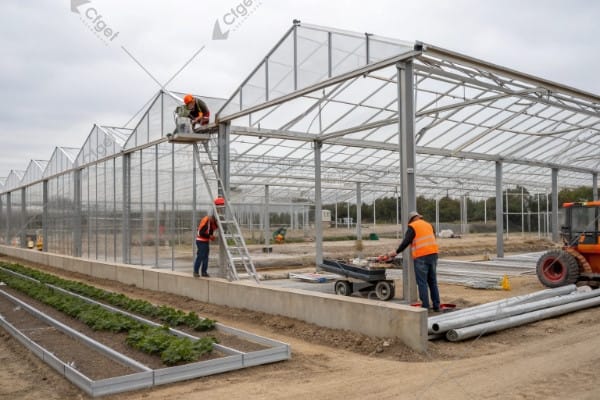
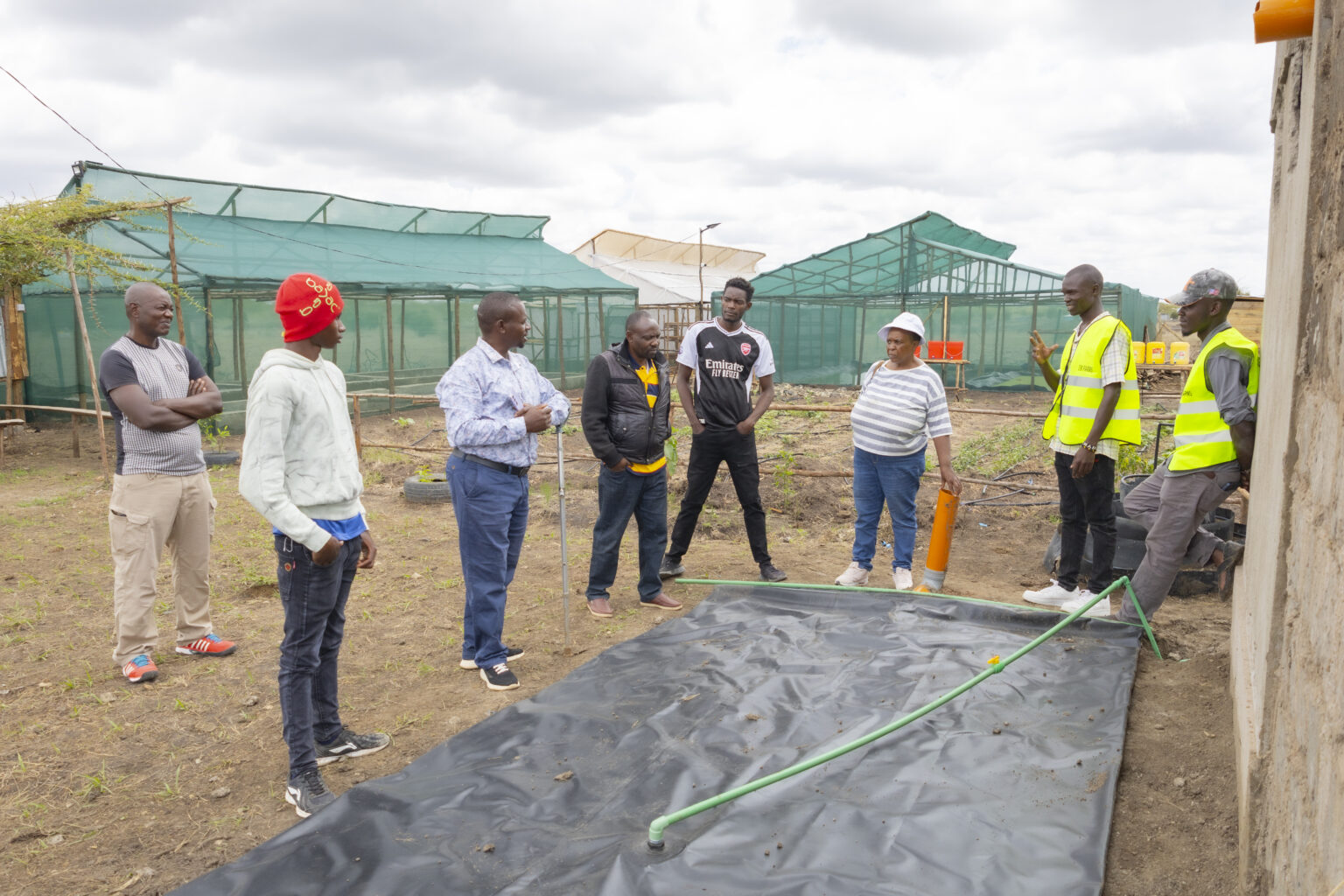
Workers assembling greenhouse structure.
How investment becomes revenue slowly, then suddenly
I sat with a grower who invested in a multi-span house. He worried about cost, but he was tired of losing crop after rain each year. His first harvest surprised him. Yield almost quadrupled. Buyers noticed quality. Contracts followed. His voice changed when he said, “Now I sleep without checking weather.”
Here is how cost typically compares:
| Type | Cost per m² | Notes |
|---|---|---|
| Simple tunnel | $10–30 | seasonal |
| Multi-span film | $30–70 | commercial |
| Polycarbonate | $60–120 | better insulation |
| Glass automated | $120–300+ | high-tech premium |
Outdoor fields remain cheaper per square meter. But greenhouse land produces many seasons within one year. That is why ROI becomes real. Not fast like luck, but steady like a good plan.
Do greenhouses work everywhere, or only in certain climates?
I learned that greenhouses do not win by existing. They win when designed for climate. A desert house needs cooling. A northern house needs heating. A tropical house needs ventilation and disease control.
Greenhouses work best when design matches climate challenges, not when copied blindly across regions.

Climate matching is the secret most pages never talk about
Cold regions like Canada demand heating, but winter tomato supply sells at premium. Desert regions like Saudi Arabia require pad and fan cooling. Water savings become huge. Tropical Southeast Asia needs airflow and IPM. Without ventilation, humidity invites fungal diseases even inside.
A small climate logic table I often use:
| Region | Key focus | Best crops |
|---|---|---|
| Cold | insulation + heating | tomato, berries |
| Hot dry | cooling + shading | strawberry, leafy |
| Humid | ventilation + IPM | lettuce, herbs |
| Mild temperate | balanced | mixed crops |
Greenhouses do not replace soil. They replace risk.
Real Case Examples
Below are two real-world style greenhouse transformations,
showing why controlled farming wins where weather controls open fields.
Case 1 — Desert Strawberry Farm, Saudi Arabia
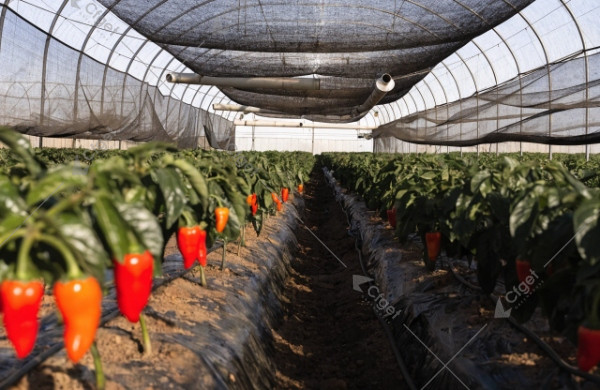
Outdoor berries burned under 45°C heat.
Water evaporated faster than roots absorbed.
After building a cooled multi-span greenhouse, the first harvest shocked everyone.
| Metric | Outdoor | Greenhouse |
|---|---|---|
| Yield | 8–10 tons/ha | 35–45 tons/ha |
| Marketable fruit | 62% | 91% |
| Water use | high | -70% |
| Season length | 4 months | 10–11 months |
| ROI | — | 4.5 years |
“Profit finally came from planning, not luck.”
Case 2 — Glass Tomato Greenhouse, Canada Winter Supply
Cold climate cut season short.
After installing a glass greenhouse with LED and CO₂ control,
winter production became normal — and highly profitable.
| Metric | Outdoor | Greenhouse |
|---|---|---|
| Annual yield | 6–12kg/m² | 45–60kg/m² |
| Supply | seasonal | 12 months/year |
| Price | unstable | winter premium |
| ROI | — | 5–6 years |
“We delivered tomatoes at Christmas.”
Conclusion
Greenhouses protect crops, save water, reduce risk and raise yield.
Outdoor farming still works for larger low-value crops,
but controlled farming wins when consistency and premium quality matter most.