The cost to build a greenhouse cannot be reduced to one worldwide price per square foot or square metre. A useful budget states the project scale and separates the greenhouse supply from site work, utilities, freight, installation, crop equipment, commissioning, contingency, and working capital. Compare suppliers only after each quotation is mapped to the same scope.
Define what you are building
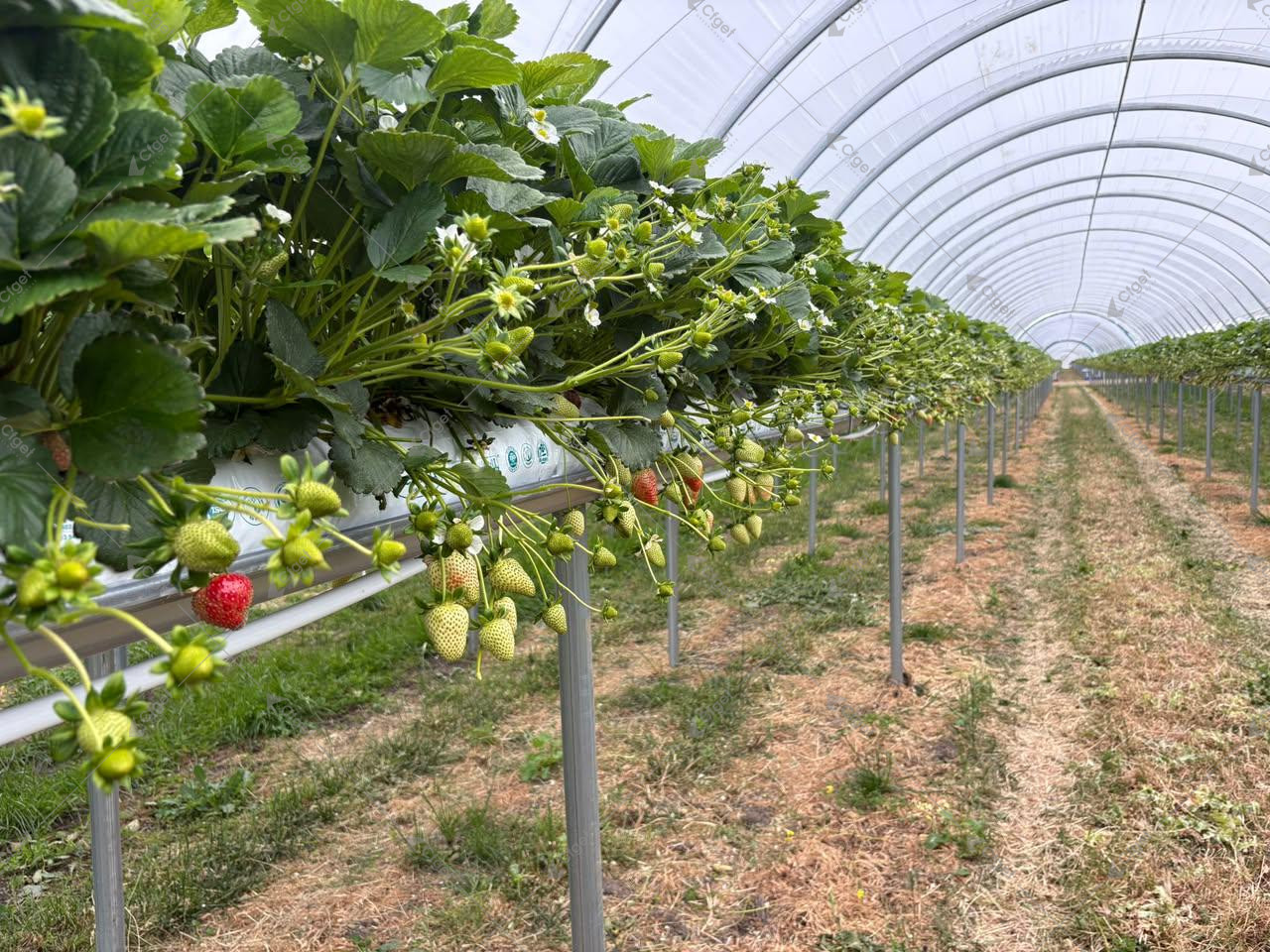
The phrase “greenhouse cost” covers hobby kits, farm tunnels, research facilities, propagation houses, and commercial production blocks. They have different structures, environmental systems, regulations, labour needs, and acceptance requirements. State the crop, site, area, production season, growing method, and target indoor conditions before asking for a number.
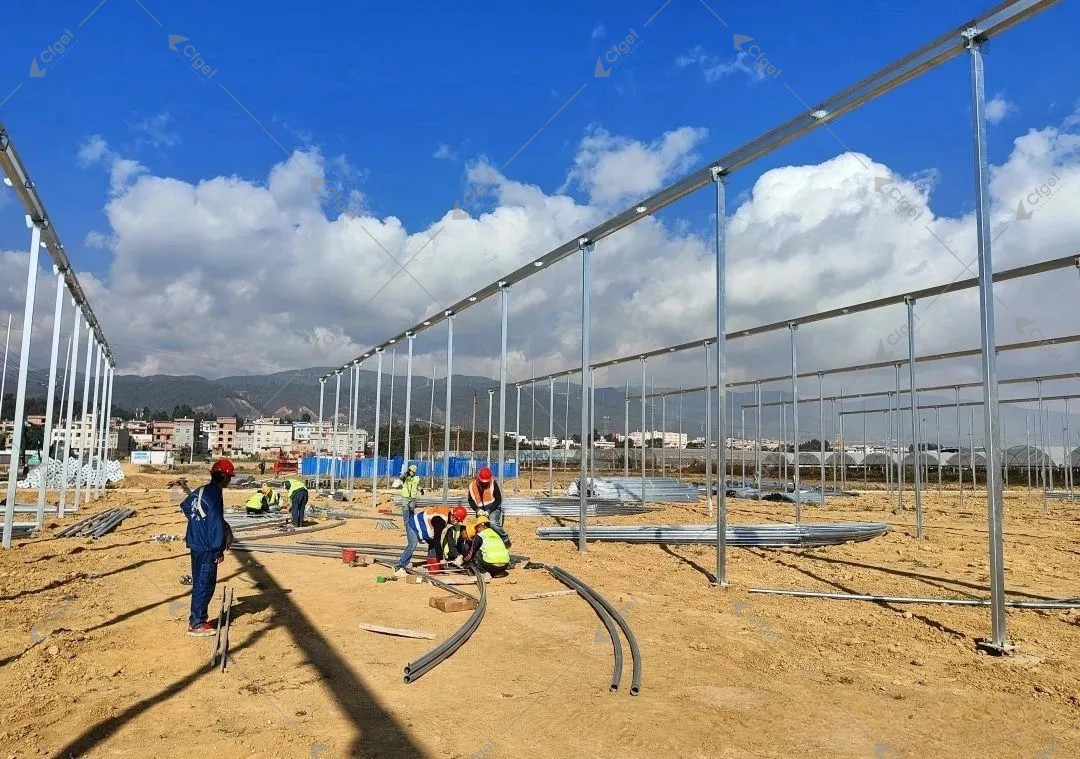
Project scale also changes the budget basis. A small unit may use owner labour and nearby utilities. A commercial site may require geotechnical work, roads, drainage, foundations, a headhouse, water storage and treatment, electrical distribution, backup power, loading space, staff facilities, fire provisions, and professional design. A quoted frame and covering is not the installed production facility.
Use budget levels with explicit boundaries
| Budget level | Typical scope question | Items often missed |
|---|---|---|
| Structure supply | What frame, covering, vents, doors, fasteners, drawings, and packing are included? | Foundations, local design review, unloading, installation, and replacement parts |
| Delivered greenhouse package | Which climate, irrigation, electrical, and control systems are supplied, and under which delivery term? | Import duty, inland haulage, cranes, storage, site utilities, and integration |
| Installed project | Who performs civil work, erection, wiring, piping, testing, and supervision? | Permits, temporary works, accommodation, seasonal tests, and owner training |
| Operational launch | What is needed between mechanical completion and the first saleable crop? | Crop system, inputs, labour, trial runs, spare parts, working capital, and ramp-up losses |
Build the capital budget by work package
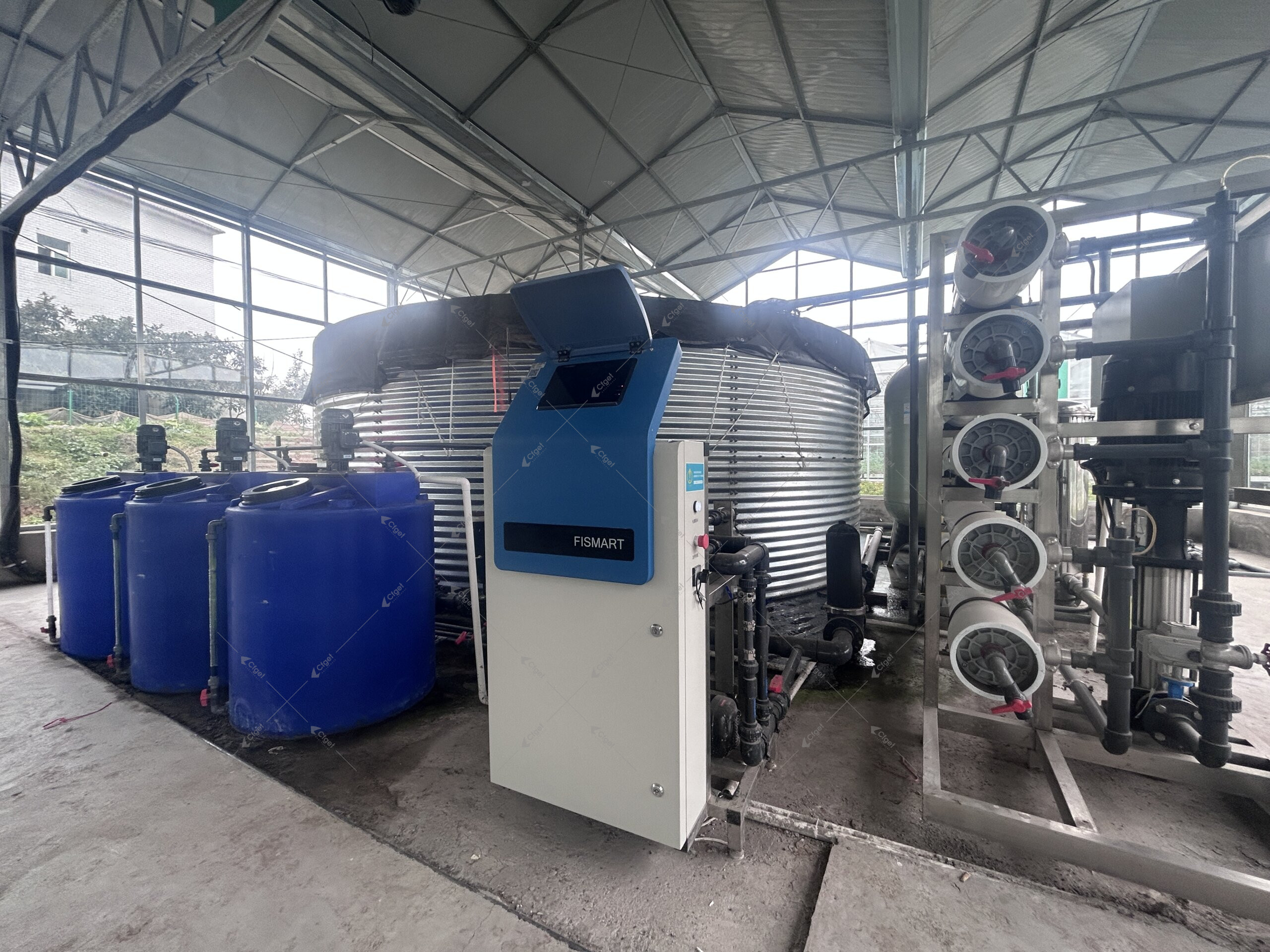
Start with site due diligence and design. Include survey, soil and geotechnical information, drainage, access, permits, code review, and utility capacity. Then separate civil work, greenhouse structure, covering, ventilation, screens, heating, cooling, irrigation, fertigation, growing systems, lighting, electrical work, controls, water treatment, drainage, packing, freight, installation, and commissioning.
Each line needs a quantity basis, supplier, currency, tax treatment, delivery term, escalation assumption, and owner. Record exclusions next to the cost rather than in a note at the end. The dedicated commercial greenhouse construction cost guide explains the installed commercial scope in more detail. Use it after you have established which budget level your project needs.

Separate local cost from supplier cost
A greenhouse supplier may price the structure and systems it controls. Local contractors and authorities usually determine earthwork, concrete, utility connections, local labour, permits, inspections, taxes, and site-specific safety requirements. Freight and import costs depend on packing volume, origin, destination, route, delivery term, insurance, and customs treatment.
Ask the supplier to mark every interface on a responsibility matrix. State who supplies foundations, anchor bolts, trenches, electrical panels, cables, fuel lines, water storage, treatment, drains, data service, cranes, access equipment, temporary power, and waste removal. A low offer can become expensive when these items appear after contract award.
Check the weather and code basis
Wind, snow, seismic conditions, rainfall, temperature, humidity, solar load, altitude, and corrosion exposure affect the structure and climate systems. A mild-climate film house and a heated glass facility are not comparable, even when their floor areas match. The quotation should state the design standards, loads, weather source, service conditions, material grades, coatings, and calculation responsibility.
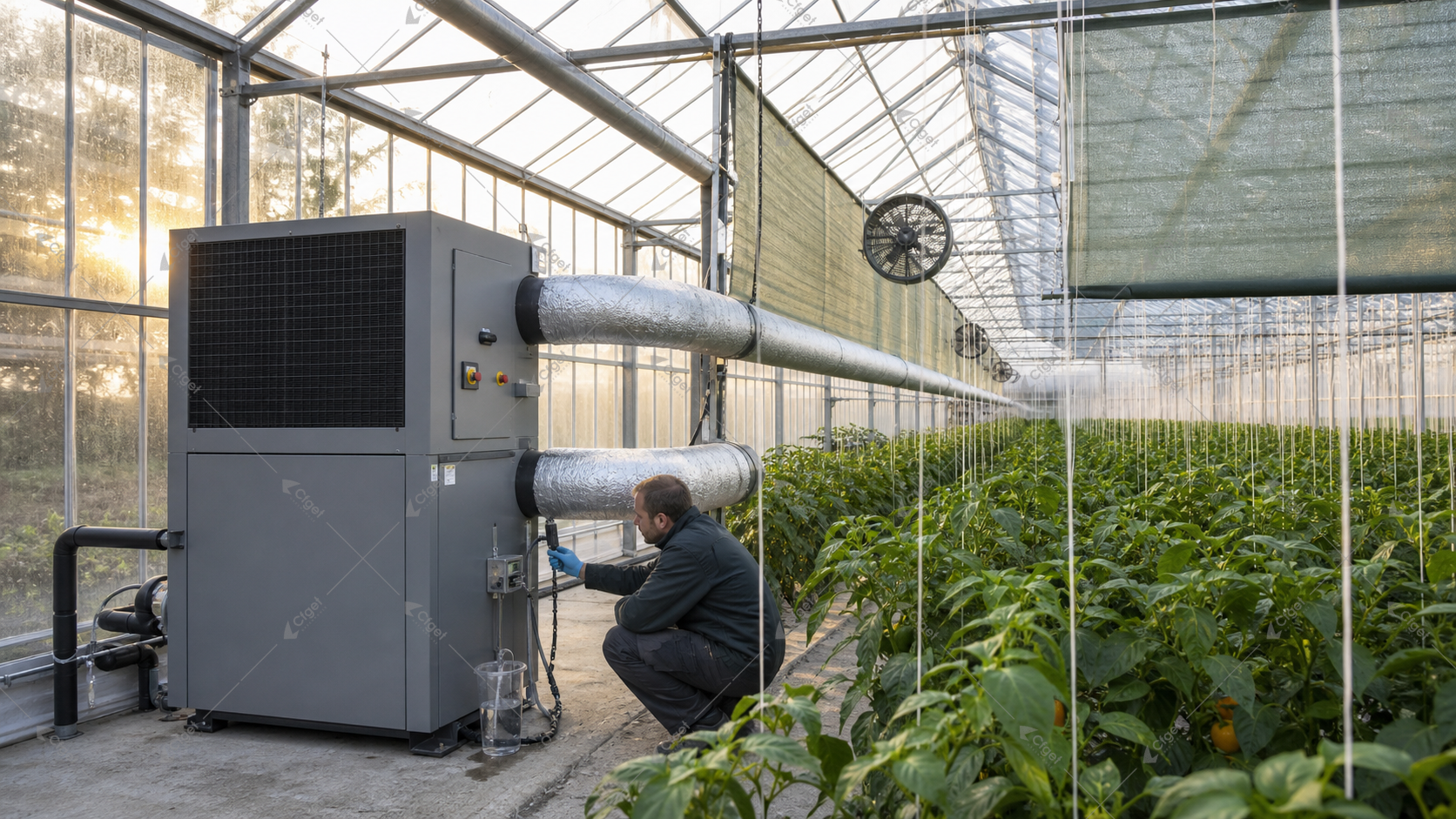
Crop targets affect cost too. Heating, cooling, dehumidification, lighting, irrigation, water treatment, screens, and controls should be based on crop stages and production months. Do not buy equipment by nameplate size alone. Request the duty calculation, operating point, redundancy decision, and control sequence for the stated design case.
Estimate operating cash as well as construction
Construction cost is only one part of the investment decision. Build a separate operating model for labour, electricity, fuel, water, nutrients, crop inputs, packaging, maintenance, cleaning, testing, insurance, leases, finance, and replacement parts. Add the timing of payments, import lead times, crop establishment, trial operation, and the delay before revenue begins.
Keep yield, selling price, crop cycle, grade-out, downtime, and energy assumptions outside the supplier’s fixed construction scope unless there is a written performance contract with defined test conditions. Run conservative, base, and stress cases. The commercial greenhouse buyer’s guide covers structure selection and enterprise screening. The commercial production greenhouse guide covers system interfaces and handover.
Check the lowest cash balance, not just the annual profit
Put deposits, shipping payments, local work and crop-startup expenses into the months when cash leaves the business. Put crop receipts into the months when customers are expected to pay, not simply the harvest month. Mississippi State Extension’s greenhouse business guide explains why the gap between production spending and receipt of sales matters, separately from construction cost.
Monthly closing cash = opening cash + receipts and confirmed funding received – payments due. Carry each closing balance into the following month’s opening balance. An unfunded negative balance identifies a financing gap even if the annual crop budget shows a profit. Do not count an approved but undrawn loan as cash already available.
For a useful stress case, move the first crop receipts later while keeping the installation and payroll payment dates unchanged. Also test the local energy tariff or fuel price used in your model. Let the crop adviser and project team set plausible assumptions; this article does not prescribe a universal delay, yield or contingency percentage.
Normalize supplier quotations
Create one comparison sheet and force each offer into the same rows. Mark every item as included, excluded, optional, provisional, or owner supplied. Convert currencies using a stated date and keep taxes, duties, and escalation visible. Check quantities, specifications, warranties, spares, training, documentation, delivery schedule, payment milestones, and acceptance conditions.
Do not fill a blank with zero. A blank means the scope is unknown. Return the question to the bidder and record the answer. If two bids use different greenhouse dimensions, load bases, covering, climate duty, controls, installation scope, or delivery terms, first normalize those differences. Only then compare price.
Calculate a comparable total before comparing unit prices
A lower headline price is useful only if both offers deliver the same result. Choose one endpoint, such as an installed and tested greenhouse ready for crop-system installation. Then use the following reconciliation for each bidder. This is a budgeting method, not a CFGET price estimate.
Use one currency, tax basis, valuation date, completion point and design basis. Count each item once. Keep unresolved amounts marked “not yet priced”; the total remains provisional until they are resolved.
| Comparison row | What belongs in this row | Evidence needed before using the amount |
|---|---|---|
| Quoted package | The supplier’s current signed offer, including priced options you actually require | Quote version, validity, currency, equipment schedule and delivery term |
| Required exclusions | Missing foundations, local connections, unloading, installation or tests needed to reach the chosen endpoint | A local contractor or responsible party’s estimate, with quantity and scope |
| Specification differences | The cost to bring a different load basis, covering or climate-system duty to the agreed requirement | A revised supplier offer; do not guess the upgrade cost or assume technical equivalence |
| Confirmed deductions | Scope priced twice, or optional work removed without compromising the agreed result | A written credit or revised price, not the buyer’s assumed saving |
| Unpriced exposure | Open soil, utility, permitting, exchange-rate or interface questions | An owner, a next action and the date needed; keep separate from confirmed amounts |
For example, if one offer ends at the port and another ends after installation, their prices do not yet describe alternatives you can rank. Obtain the inland delivery, unloading and installation scope for the first offer, and check whether the second excludes the same civil or electrical work. A contingency allowance addresses uncertainty; it does not make a known missing work package disappear.
Only then divide the comparable total by the same area. Cost per covered square metre = comparable capital total / covered floor area. A cost per cropped square metre uses productive crop area instead, excluding the aisles and service space shown on the layout. Label the denominator. Neither measure is a cost per kilogram, a margin forecast or proof that the project is viable.
Published budgets need the same caution. Alabama Extension tells growers to replace its budget values with costs appropriate to their own operation. Use the categories as a starting point, not regional prices or projected yields as a global benchmark.
Protect the budget during design and construction
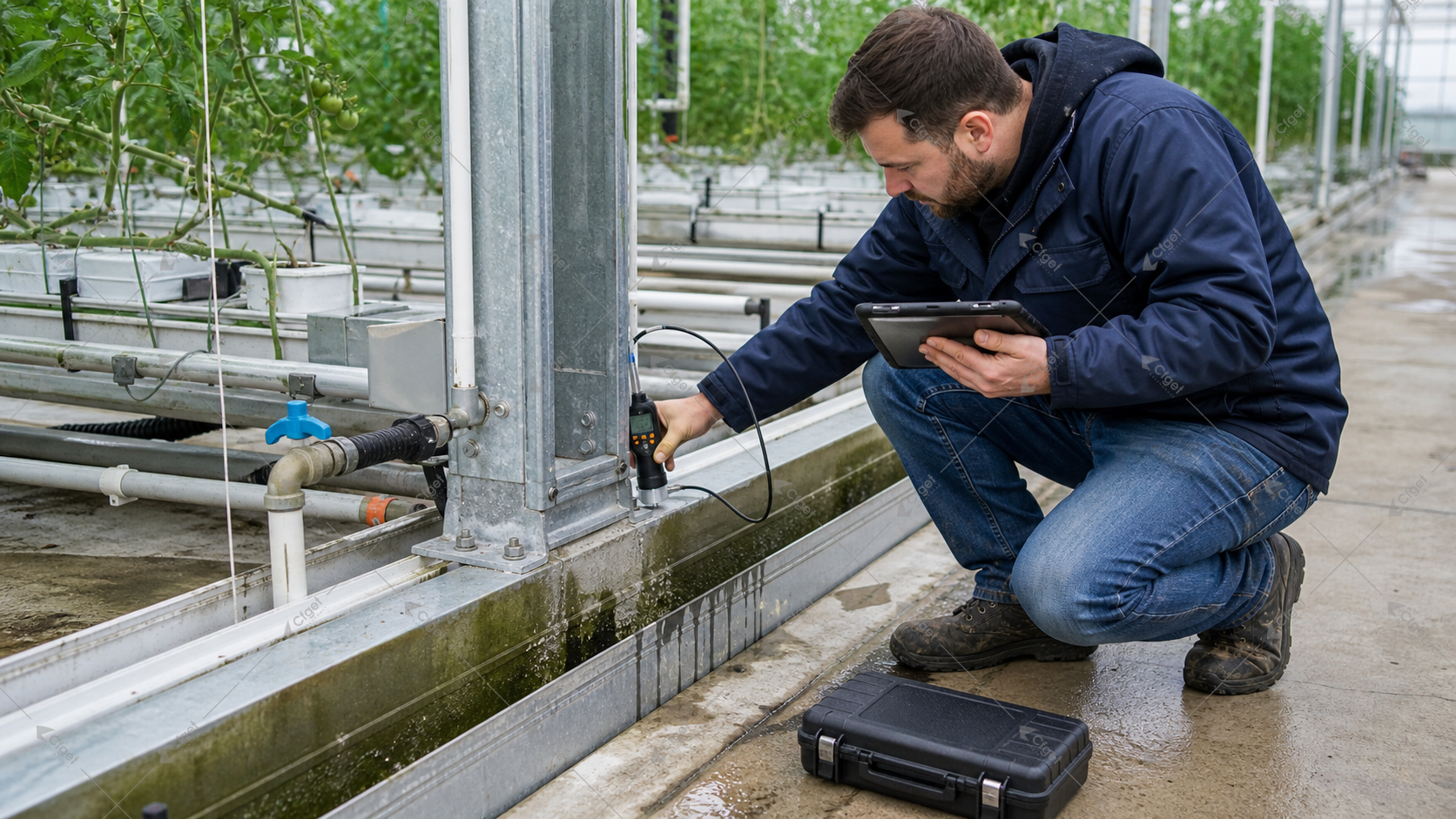
Freeze a design basis before detailed pricing. Use a document register for drawings, specifications, schedules, calculations, submittals, requests for information, substitutions, change orders, test records, and as-built documents. Every change should show its technical reason, cost, schedule effect, approval, and affected documents.
Link payments to evidence. Typical gates may include approved design, material release, factory inspection, packing records, delivery, installation milestones, mechanical completion, commissioning, training, and document handover. The contract team should define the actual gates and local legal terms. Do not release final payment because the structure looks complete while tests, defects, controls, records, or spare parts remain open.
RFQ inputs for a comparable greenhouse estimate
- Country, city, site plan, coordinates, area, access, terrain, and expansion plan
- Crop, growing method, production calendar, density, and target indoor conditions
- Weather source, wind, snow, seismic, rainfall, temperature, humidity, and solar basis
- Structure, covering, vents, screens, heating, cooling, lighting, and control requirements
- Water analysis, available flow, storage, treatment, irrigation, fertigation, and drainage
- Electrical service, fuel, backup power, communications, and utility limits
- Required codes, permits, design responsibility, inspections, and local professional review
- Delivery term, packing, freight, customs, unloading, storage, and installation responsibility
- Commissioning, seasonal tests, training, manuals, as-built records, warranties, and spares
- Currency, tax basis, payment milestones, contingency, target startup date, and budget boundary
Technical and budgeting references
- Mississippi State University Extension: starting a greenhouse business and construction cost scope
- Alabama Cooperative Extension: horticulture and greenhouse enterprise budgets
- Washington State University Extension: greenhouse construction and management decisions
Before requesting a revised price, mark the unpriced rows in your comparison sheet and name who will close each one. For a CFGET scope discussion, send your site location, crop, covered area, operating months, available utilities and required completion point through the CFGET contact page. Ask which work CFGET would supply, which needs local pricing and which technical assumptions remain open. Keep the same brief when comparing other bidders.