Many strawberry greenhouses in the Netherlands look high-tech. Still, growers struggle with uneven fruit size, disease pressure, and rising energy costs. Profit margins become fragile.
For commercial strawberry production in the Netherlands, the best greenhouse type is usually a Venlo-style glass greenhouse or a semi-closed greenhouse system, selected based on production intensity, season length, and energy strategy.
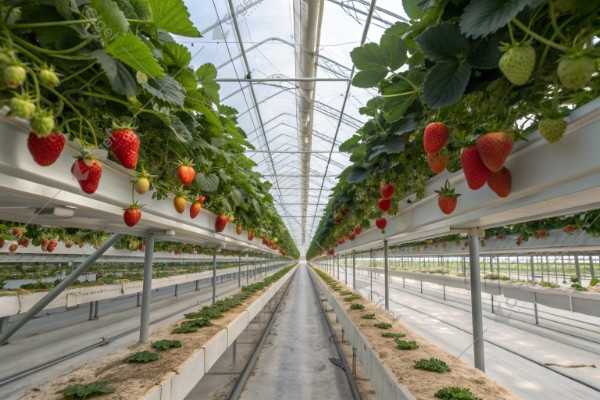
Dutch strawberry production depends on precision and uniformity.
I write this from a system-evaluation view. The Netherlands is a global leader in protected strawberry production. Growers here focus on early production, high yield per square meter, and consistent quality for retail chains. That context shapes what “best greenhouse type” really means.
Why do strawberries need a different greenhouse approach than vegetables?
Strawberries are not just another fruit crop.
Strawberries are extremely sensitive to temperature, humidity, and light balance, especially during flowering and fruit development.
Small climate shifts affect fruit quality.
Dive deeper
Unlike tomatoes or cucumbers, strawberries have shallow root systems and delicate flowers. High humidity increases botrytis risk. Low night temperatures delay development. Excess heat reduces fruit firmness.
Research and production insights from Wageningen University & Research – Greenhouse Horticulture highlight that strawberries require tight control of microclimate and uniform conditions across the canopy.
This means greenhouse type selection must focus on:
- climate uniformity
- light management
- precise humidity control
A structure that performs well for vegetables may underperform for strawberries.
Which greenhouse types dominate commercial strawberry production in the Netherlands?
The Dutch industry already shows clear preferences.
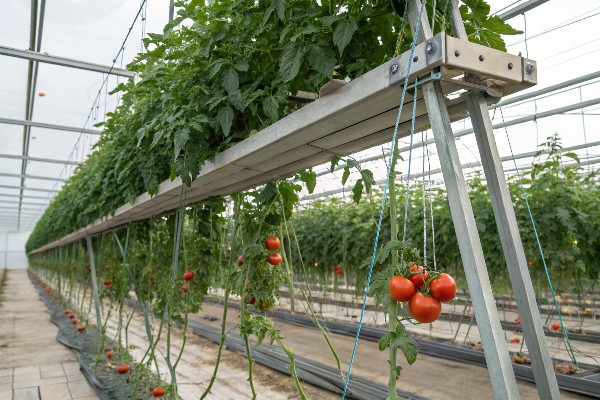
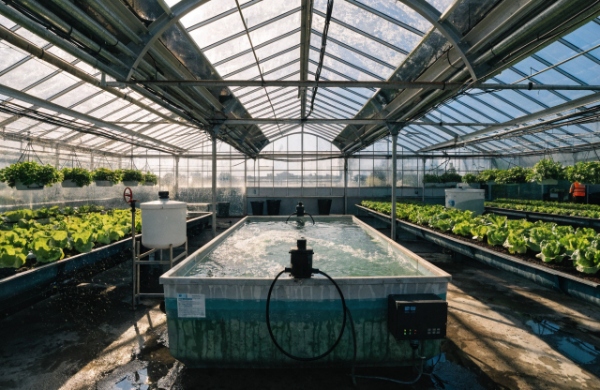
Commercial strawberries in the Netherlands are mainly produced in Venlo glass greenhouses and increasingly in semi-closed greenhouse systems.
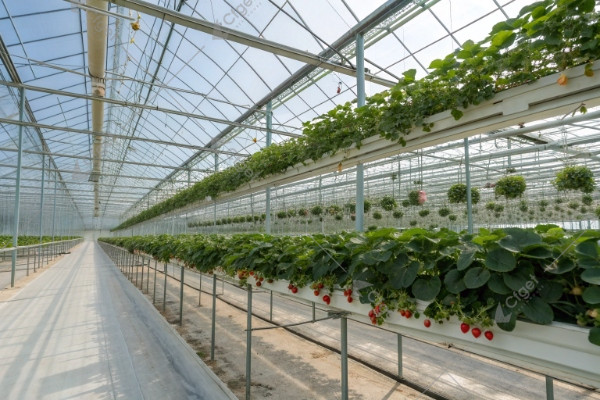
Venlo glass dominates high-intensity strawberry production.
Dive deeper
Venlo glass greenhouses offer:
- high light transmission
- excellent climate control
- compatibility with advanced automation
These features are critical for early-season and year-round strawberry programs. Semi-closed greenhouses are gaining attention because they improve climate stability and energy efficiency, especially under volatile weather conditions.
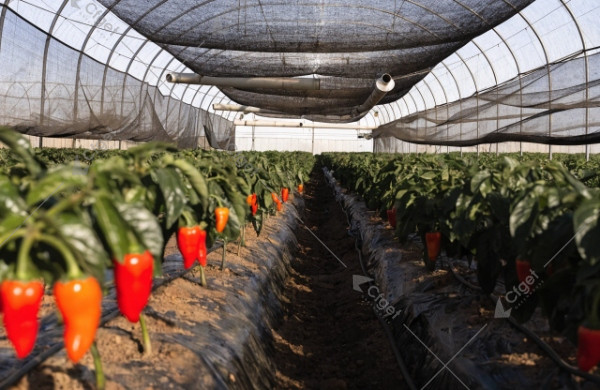
Film greenhouses are used for seasonal strawberry production, but for commercial scale and retail contracts, glass structures dominate due to consistency.
CFGET’s internal pages reflect these platforms:
How does the Dutch climate influence the best greenhouse type?
The Netherlands has a mild but highly variable climate.
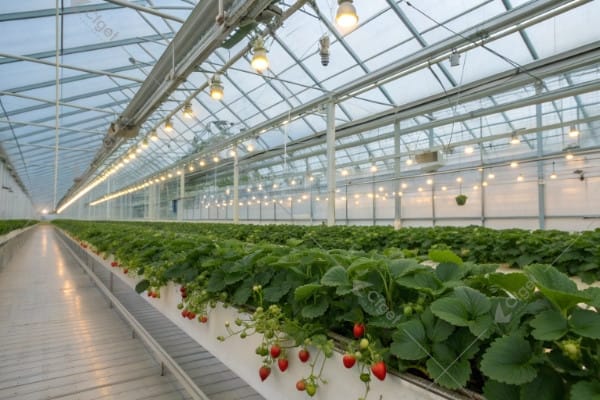
Low winter light, cool temperatures, and high humidity push strawberry growers toward high-transmission, well-controlled greenhouse types.
Dive deeper
Winter and early spring production is economically important in the Netherlands. Low natural light makes light transmission critical. Glass greenhouses outperform plastic covers in this aspect.
Humidity control is another challenge. Persistent humidity increases disease risk. Climate data from the World Bank Climate Change Knowledge Portal shows increasing variability in precipitation and humidity in Northern Europe.
Ventilation alone is often not enough. This is why semi-closed systems, which allow controlled air exchange and dehumidification, are becoming more attractive for strawberries.
Is energy efficiency a deciding factor for strawberry greenhouses?
Yes, more than ever.
Energy cost is now one of the strongest drivers of greenhouse type selection for strawberries in the Netherlands.
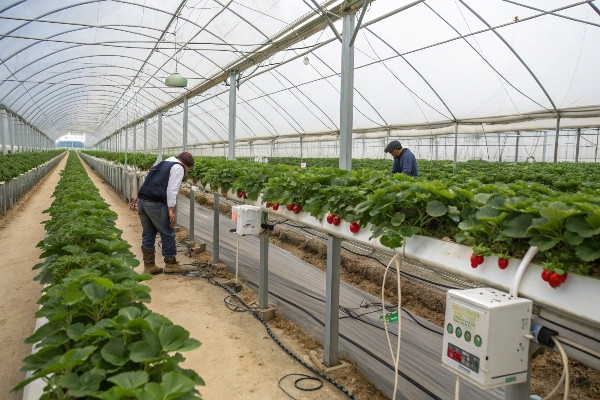
Energy strategy shapes greenhouse choice.
Dive deeper
Strawberry production often requires heating during cold months and precise climate control at night. Energy planning resources from the Cornell University Controlled Environment Agriculture (CEA) Program show how energy efficiency directly affects profitability in controlled environments.
Venlo and semi-closed greenhouses allow:
- thermal screens
- heat recovery
- precise heating control
These systems reduce energy waste compared to simpler structures. Data trends from USDA Economic Research Service also highlight the growing importance of energy management in controlled environment agriculture.
How do production systems affect greenhouse choice for strawberries?
Strawberry systems are highly specialized.
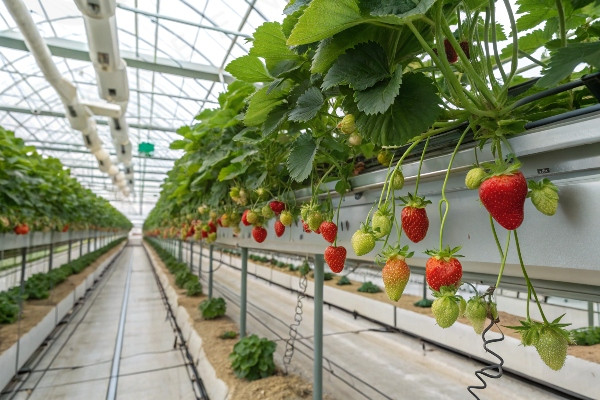
Substrate gutter systems demand excellent airflow and humidity control, reinforcing the need for advanced greenhouse types.
Dive deeper
Most commercial strawberries in the Netherlands are grown in substrate systems. These improve yield and labor efficiency but increase sensitivity to air conditions. Botrytis risk rises quickly if humidity control fails.
Guidelines from Rutgers University explain the interaction between humidity, airflow, and plant health. These principles apply directly to strawberry disease management.
This is why greenhouse type and climate system design must be planned together, not separately.
CFGET’s internal resources support this integration:
So what is the best greenhouse type for strawberries in the Netherlands?
The answer is context-driven.
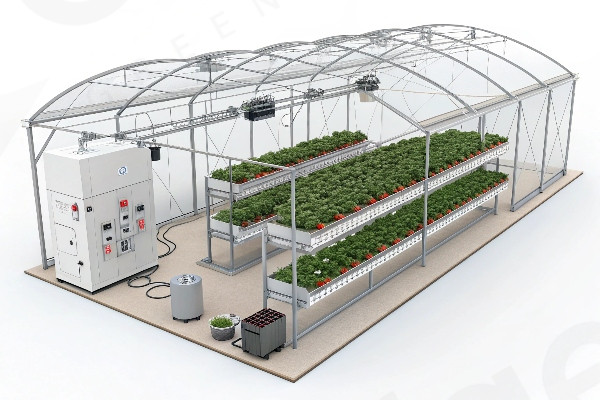
For most commercial strawberry producers in the Netherlands, Venlo glass greenhouses deliver the best balance of light, control, and yield stability. Semi-closed greenhouses become the best option when energy efficiency and year-round precision are priorities.
Dive deeper
I summarize the decision like this:
| Decision factor | If YES | Best greenhouse direction |
|---|---|---|
| Early or year-round production | Yes | Venlo glass |
| Energy efficiency priority | Yes | Semi-closed greenhouse |
| Retail quality contracts | Yes | Glass + advanced control |
| Seasonal production only | Yes | Film greenhouse |
| High humidity risk | Yes | Semi-closed or advanced ventilation |
This approach avoids generic recommendations and focuses on real production constraints.
For next steps, CFGET’s platform pages help structure decisions:
Conclusion
The best greenhouse type for commercial strawberry production in the Netherlands is the one that maximizes light, controls humidity, and manages energy efficiently. Venlo and semi-closed greenhouses usually meet these demands best.
External References (Authority Sources)
-
FAO – Climate Change and Agriculture
https://www.fao.org/climate-change/en/ -
World Bank – Climate Change Knowledge Portal
https://climateknowledgeportal.worldbank.org/ -
Wageningen University & Research – Greenhouse Horticulture
https://www.wur.nl/en/research-results/research-institutes/plant-research/greenhouse-horticulture.htm -
Rutgers University – Greenhouse Evaporative Cooling Guide
https://nj-vegetable-crops-online-resources.rutgers.edu/wp-content/uploads/2015/06/Greenhouse-Evaporative-Cooling.pdf -
Cornell University – Controlled Environment Agriculture Energy Resources
https://cea.cals.cornell.edu/energy/ -
USDA Economic Research Service – Controlled Environment Agriculture Trends
https://www.ers.usda.gov/data-products/charts-of-note/chart-detail?chartId=109422
Internal References (CFGET)
-
Commercial Greenhouse Systems
https://cfgreenway.com/greenhouse/ -
Venlo Greenhouse
https://cfgreenway.com/venlo/ -
Semi-Closed Greenhouse
https://cfgreenway.com/semi-closed/ -
Smart Auto & Control Solutions
https://cfgreenway.com/solutions/smart-auto-control/ -
Growing Systems
https://cfgreenway.com/growing-systems/ -
Contact Us
https://cfgreenway.com/contact/
Internal Blog References (Related CFGET Articles)
-
Venlo Glass Greenhouse Design
https://cfgreenway.com/venlo/ -
Semi-Closed Greenhouse Systems
https://cfgreenway.com/semi-closed/ -
Polycarbonate Greenhouse Systems
https://cfgreenway.com/polycarbonate/