A greenhouse is not commissioned because every motor can be switched on. A vent may open and still travel in the wrong direction. An irrigation pump may run but fail to hold pressure at the last zone. A climate screen may move correctly on a clear day and then conflict with a smoke vent, rain command or power failure.
Those faults are much cheaper to find before crop entry than after the first hot afternoon.
This guide explains how a buyer can turn a finished installation into a documented acceptance decision. The accompanying Commercial Greenhouse Commissioning and Handover Workbook is an editable Excel file with 7 sheets, 59 inspection items, an issue and retest log, 16 handover records and 18 buyer questions.
CFGET original project tool
Commercial Greenhouse Commissioning and Handover Workbook
Editable Excel workbook. 7 sheets, 59 checks, issue and retest tracking, 16 handover records and 18 buyer questions. No email is required.
The most expensive handover arguments often begin with a harmless sentence: “The system will maintain the required climate.” Required where? Under which outdoor condition? With what crop load? Measured by which sensor, for how long and within what tolerance?
If those questions are not answered before testing, the result depends on opinion. WBDG’s commissioning guidance treats the owner’s project requirements as the basis for measurable performance criteria, testing, documentation and acceptance. It also notes that the requirements are specific to each project and should be updated when the project changes.
For a commercial greenhouse, the project basis should identify at least:
- crop, production stages and occupied growing zones;
- outdoor design conditions and local structural loads;
- temperature, humidity, light, airflow and water requirements that the contract actually covers;
- utility capacities, water analysis and backup provisions;
- control sequences, alarms, response times and authorised operators;
- the tests, witnesses and evidence required for acceptance;
- items that must be checked later because the current weather or crop load is not representative.
The workbook’s Project Basis sheet records the value, unit, source, approver and acceptance use for each project input. This matters because a supplier brochure, a design calculation and an owner-approved requirement do not carry the same contractual weight.
Use six gates before accepting the greenhouse
1. Confirm readiness and safe access
Do not energise equipment simply because installation crews have left the area. Confirm guards, emergency stops, safe isolation, access platforms, drainage, electrical protection, pipe supports, chemical handling and the permits that apply locally.
The readiness review should also confirm that testing will not damage unfinished work. Running a pump against an unflushed line or moving a vent before limit switches are set can create a new defect while trying to find the old ones.
2. Check every point before testing a sequence
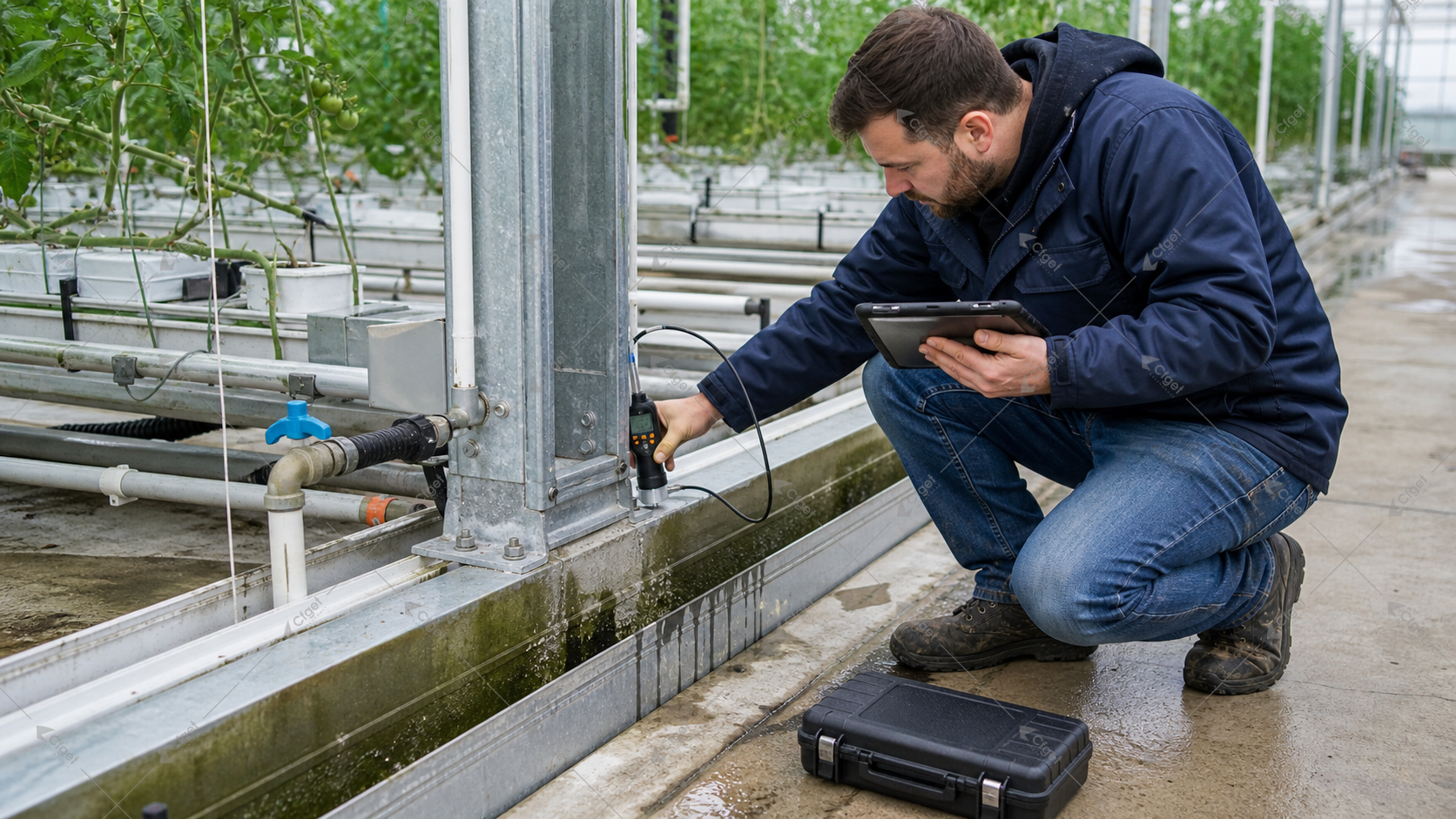
A controller display can look normal while a field device is wired to the wrong point. Check sensor identity, actuator direction, end switches, feedback, calibration status and manual operation first. Then test the sequence.
For example, a roof vent test should record more than “opens correctly.” Record the command, opening position, travel limit, local weather interlock, rain response, feedback shown at the controller and the evidence file. The same logic applies to screens, fans, pad pumps, heating valves, irrigation valves, dosing equipment and alarms.
3. Test normal operation as an integrated system
Greenhouse equipment does not operate in isolation. A temperature rise may call for vents, shade, fans or evaporative cooling in a defined order. Irrigation demand may depend on time, radiation, substrate response or a crop-stage programme. Test the sequence that the operator will actually use.
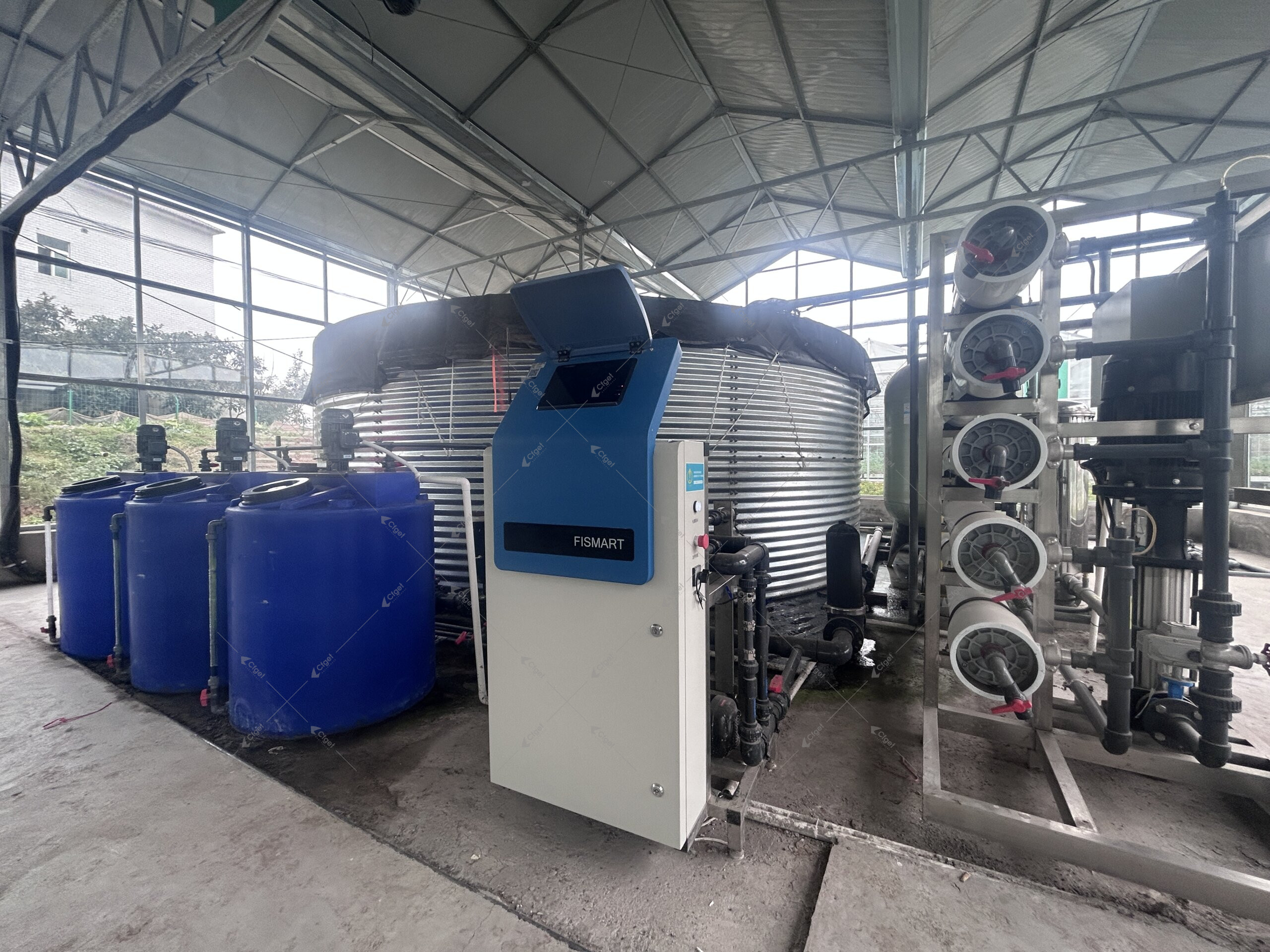
The CFGET climate control overview, irrigation and fertilization systems and automation and control systems show the main system groups that may need integrated testing. The acceptance values still come from the approved project documents.
4. Simulate failures before the crop depends on the system
Normal startup proves very little about failure response. Safely simulate the events that matter to the crop and operator:
- loss of utility power and transfer to backup power;
- loss of network or controller communication;
- failed or implausible sensor readings;
- pump trip, low pressure or empty water storage;
- weather station fault, rain command or high-wind position;
- alarm delivery, escalation and acknowledgement;
- manual recovery after an override or emergency stop.
Each test needs an agreed safe method. Local engineers, electricians, gas specialists, water-treatment professionals and authorities remain responsible for work that falls under their licences or codes.
5. Verify performance where the crop experiences it
A reading beside the control cabinet does not describe the growing zone. Measure temperature, humidity, airflow, light and water delivery at representative crop locations. Note the outdoor condition, operating mode, crop or simulated load, instrument and test duration.
UMass Extension recommends checking greenhouse sensors, heating, ventilation, electrical condition and water systems as part of greenhouse operation and maintenance. Its water guidance also advises testing potential irrigation sources through a laboratory and sizing supply for the production system and peak-use period. These are useful review points, but they do not replace project-specific criteria.
6. Close issues and complete handover
A verbal promise is not a closed defect. Give each issue an owner, severity, corrective action, due date, evidence, retest result and approval. Keep deferred tests visible, especially when weather or crop conditions did not allow a representative demonstration.
Handover should also leave the operator able to run and recover the facility without undocumented knowledge. The record set may include approved drawings, equipment registers, test reports, control sequences, setpoints, alarm matrices, software backups, operating manuals, preventive maintenance, spare-parts data, training records, warranties and the final issue register.
What evidence should the buyer ask for?
| System or decision | Evidence to record | Risk if it is missing |
|---|---|---|
| Project basis | Approved value, source, unit, tolerance and approver | Pass or fail becomes a negotiation after the test |
| Vent, screen or valve | Command, direction, end position, feedback and interlock result | A device moves but the sequence remains unsafe or ineffective |
| Climate performance | Crop-level readings, outdoor conditions, operating mode, duration and instrument | A controller display is mistaken for uniform growing conditions |
| Irrigation | Source condition, pressure, flow, zone result, water analysis and dosing verification | The first or last zone receives a different result from the design intent |
| Alarm and backup | Fault introduced, alarm route, receipt time, response and recovery | The system fails silently when staff are off site |
| Open defect | Owner, severity, corrective action, due date, evidence and retest approval | The defect disappears from discussion but remains in operation |
How to use the seven workbook sheets
- Start Here: enter project details and use the dashboard to see readiness, open issues and missing documents.
- Project Basis: record the approved values and documents that define acceptance.
- Checklist: assign each of the 59 checks, record method and evidence, then choose a status.
- Issue Log: control defects, corrective actions and retests instead of relying on meeting notes.
- Handover Documents: track 16 records needed for operation, warranty, recovery and final acceptance.
- Buyer Questions: use 18 questions in supplier meetings, pre-test reviews, crop-entry decisions and final handover.
- Sources: review the technical references, scope notes and limits behind the workflow.
The pale input cells are intentionally blank. They are for the owner, supplier, engineer, commissioning provider or operator to complete with project evidence. The workbook does not pre-fill a supplier’s answer because that would make the record look complete before anyone has verified it.
A practical acceptance rule
Do not ask whether the greenhouse is “working.” Ask whether a named system met a written criterion under a recorded condition, with evidence that another person can review.
If the test was not representative, mark it deferred and define the date, condition, witness and commercial consequence. If a defect remains open, decide whether it blocks crop entry, final acceptance, warranty start or payment. Silence is not acceptance.
Frequently asked questions
When should greenhouse commissioning start?
Start during project definition. The owner needs acceptance criteria, roles, evidence and deferred-test rules before procurement and installation decisions make them expensive to change.
Is startup the same as commissioning?
No. Startup confirms that equipment can be energised and operated. Commissioning checks that the installed systems and their sequences meet the approved project requirements, including abnormal conditions and handover evidence.
Who should sign the commissioning result?
The contract and local rules determine the signatories. The owner or authorised representative normally accepts the result, with records from the supplier, contractors, controls team, operators and any required independent or licensed professionals.
What if the weather is unsuitable for a full performance test?
Record the limitation and create a deferred or seasonal test plan. State the required condition, responsible party, target date, witness, acceptance rule and effect on payment or final acceptance.
Can the workbook be used for an existing greenhouse?
Yes. Define the current facility requirements first, then adapt the checklist to the systems and risks in scope. Keep original design claims separate from the performance that can be verified now.