A film greenhouse can be a sound commercial choice when the film grade, inflation system, fastening, ventilation, replacement access, and crop season are planned together. The cheapest film package often becomes expensive through heat loss, tears, poor condensation control, and difficult replacement.
*By Coraline Liao, CEO, CFGET | Updated: July 27, 2026*
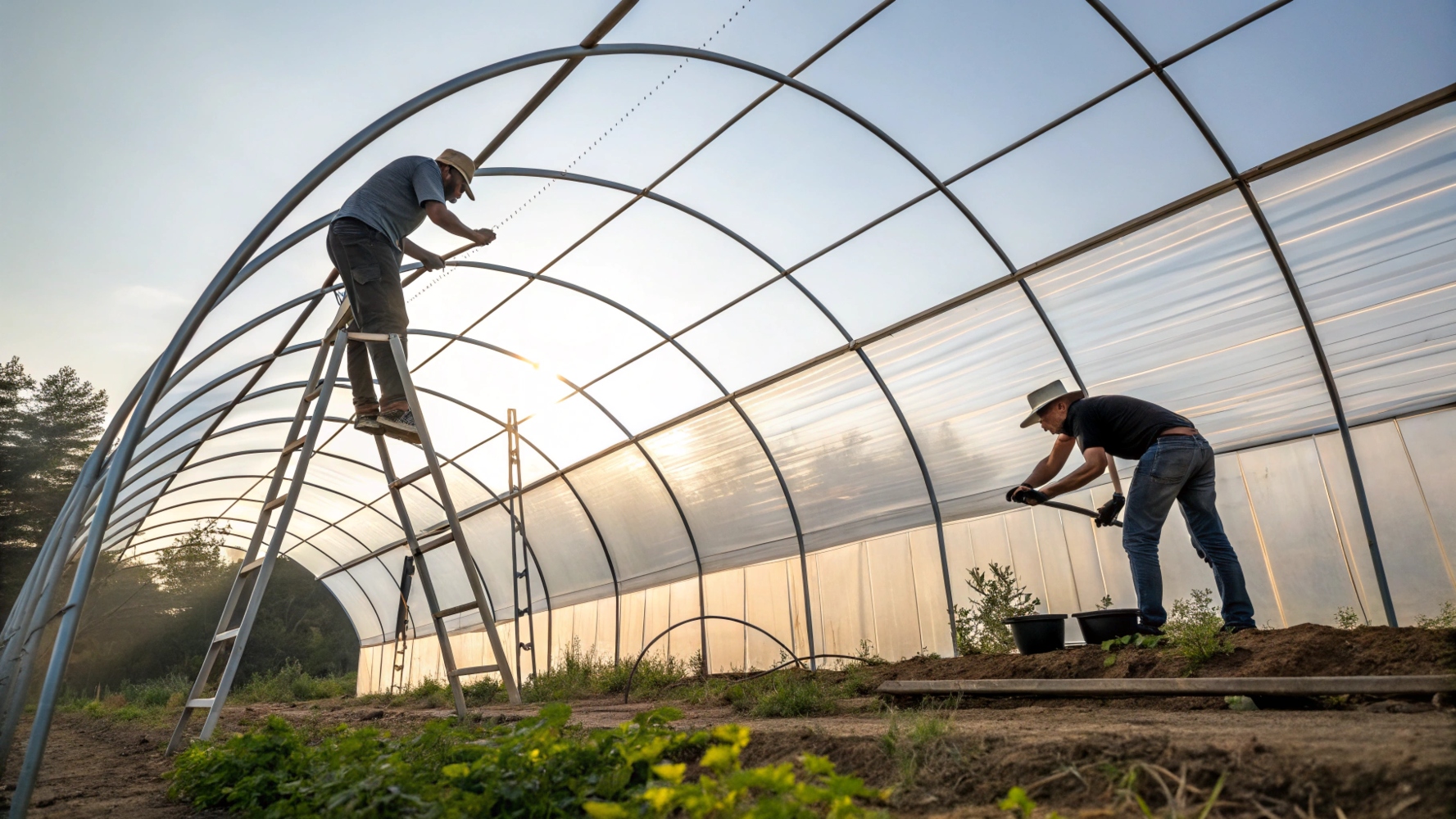
Film is easy to describe and easy to underestimate. I have seen buyers spend hours comparing micron thickness while ignoring the lock channel, edge protection, inflation blower, repair method, and labor needed to recover the roof. Those details decide how the covering behaves after the first strong wind.
Single layer or inflated double layer?
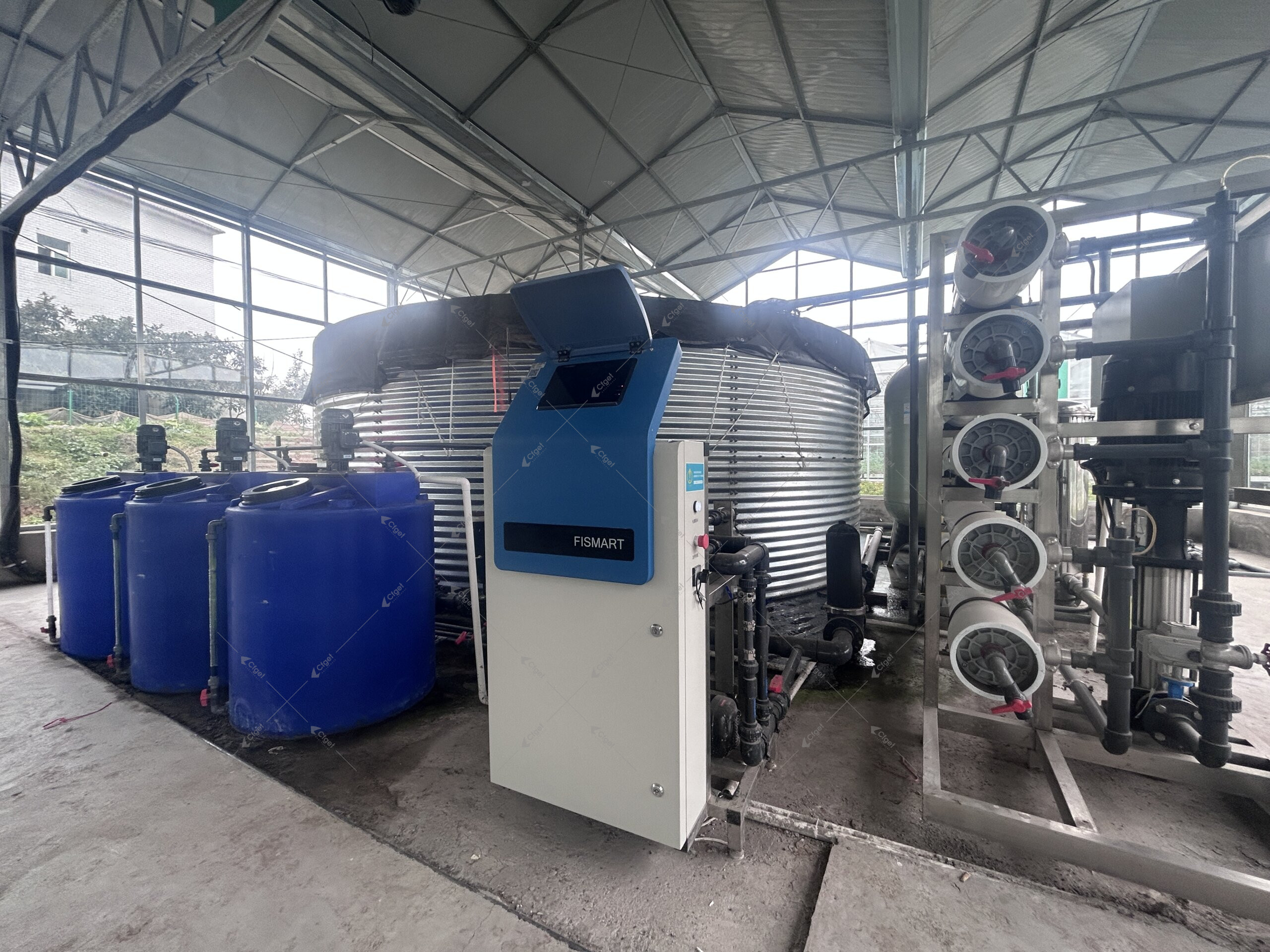
Single film has lower material cost and good light transmission. An inflated double layer adds an air space that can reduce heat loss and improve roof stiffness, but it needs blowers, tubing, pressure checks, and reasonably tight installation.
Ask how the air is distributed and what happens when a blower stops. Overinflation can stress film and fasteners. Underinflation lets the layers rub and flap. The proposal should include a pressure method and accessible backup parts.
| Choice | Useful when | Cost often missed |
| Single film | Mild climate or seasonal use | More heat loss and wind movement |
| Double inflated film | Heating matters and maintenance is available | Blowers, tubing, electricity, leak checks |
| Anti-drip film | Condensation over sensitive crops | Correct inside orientation and service life |
| Diffuse film | Light distribution matters | Crop and climate should justify the premium |
Film labels need more than thickness
Request resin type, nominal thickness, UV stabilization, anti-drip side, diffusion value if claimed, light transmission test method, expected service conditions, roll dimensions, and warranty exclusions. The film should be traceable to a batch or supplier document.
Do not assume the printed service life applies everywhere. Radiation, sulfur products, chlorine, heat, abrasion, and repeated handling can shorten it. Ask what farm chemicals are incompatible with the warranty.
Fastening and contact points cause many failures
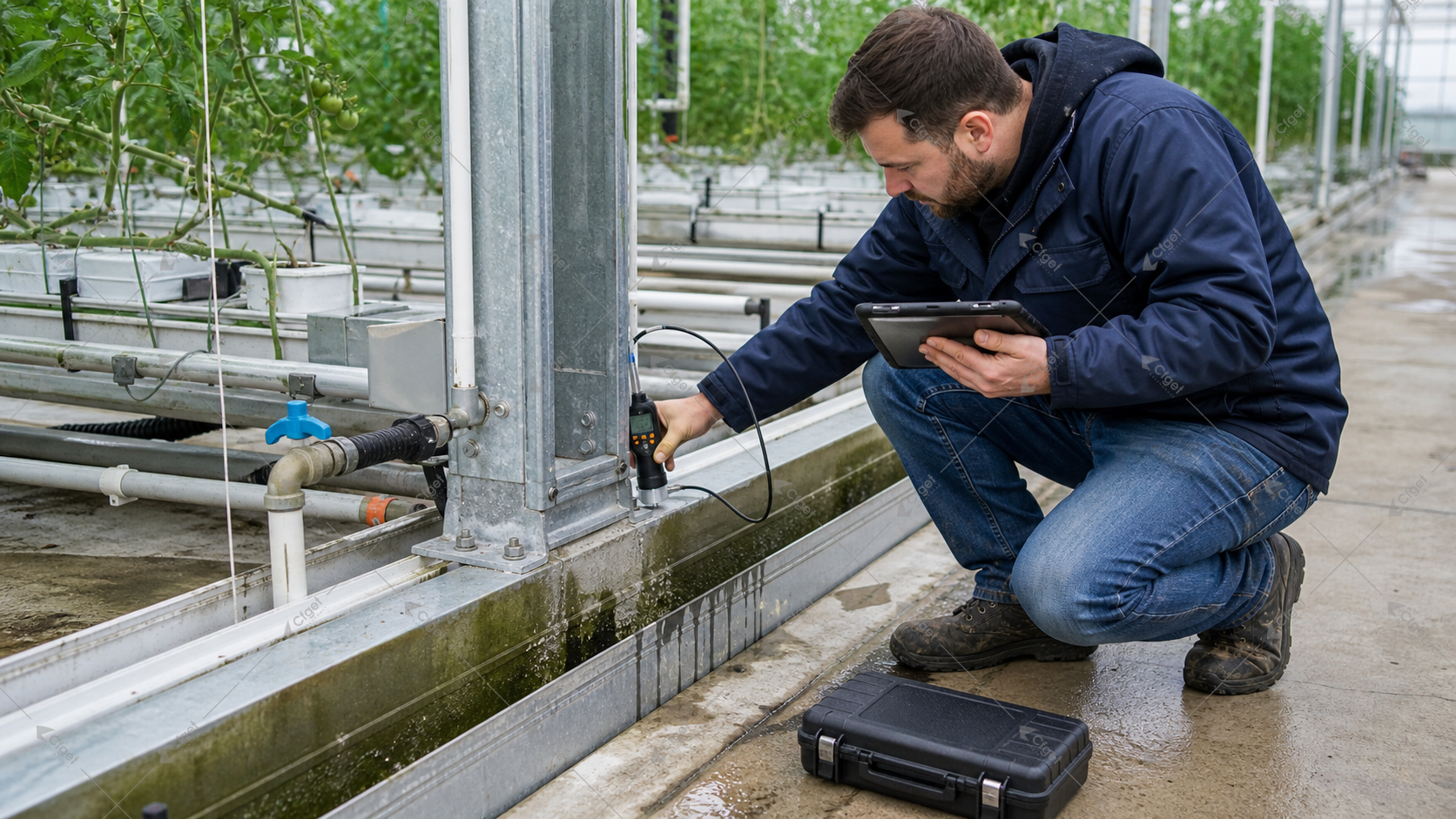
Film needs smooth contact surfaces, protected steel edges, suitable lock channel, enough allowance for movement, and a tensioning procedure for the installation temperature. A sharp bracket or unfinished weld can start a tear that no film specification can prevent.
Show the installer where roof equipment, cables, gutters, and insect net meet the film. These transitions deserve drawings. They are also the places to inspect after storms.
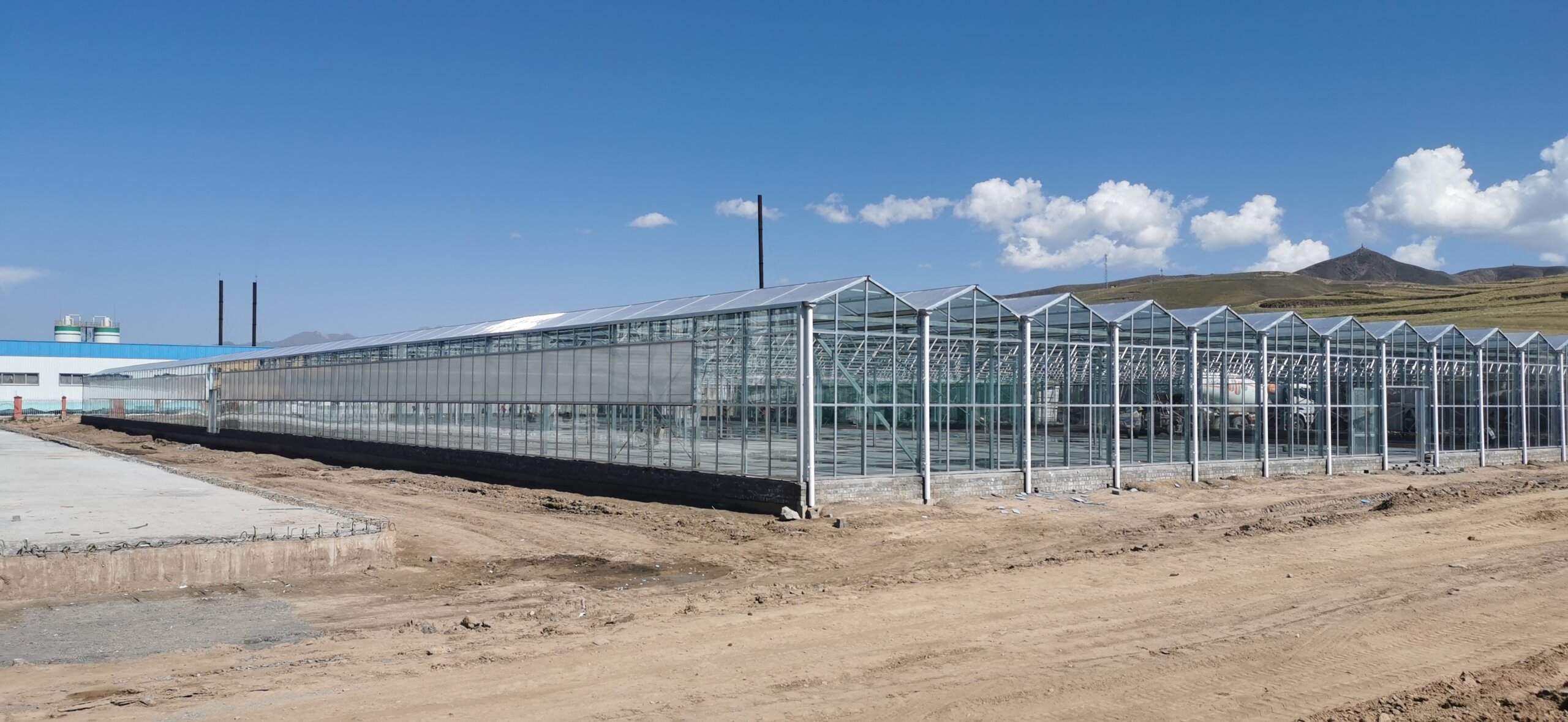
Plan replacement before the first installation
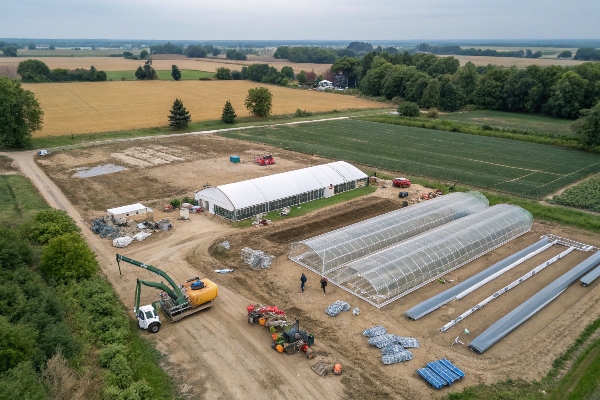
The buyer should know how rolls reach the roof, how crops are protected, what weather window is needed, where old film is stored, and how many people are required. A house that cannot be recovered without removing equipment has a hidden future cost.
For an RFQ, send the site wind, temperature range, radiation, crop, season, heating plan, bay dimensions, ventilation type, chemical use, and local film-replacement labor. Ask for a separate price for covering materials, fastening parts, blowers, installation tools, and spare film.
Before the film roll leaves the factory
- Confirm which side of the film faces inward.
- Inspect every steel edge and hardware contact point.
- Price inflation equipment and spare blowers with double film.
- Check chemical exclusions in the film warranty.
- Write a safe replacement method before crops fill the house.
Watch the covering and fastening details
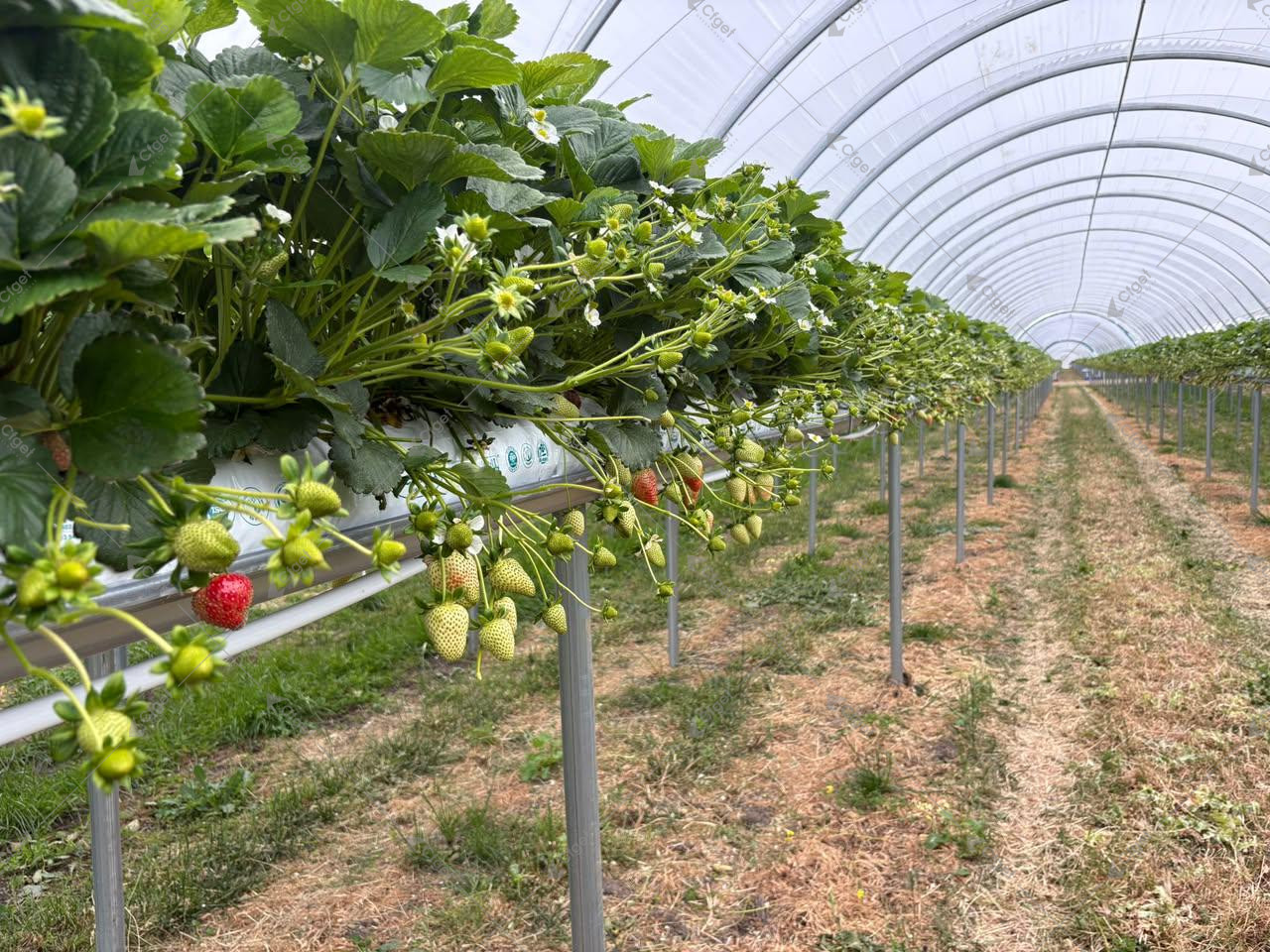
This CFGET project video can help a buyer spot film attachment lines, openings, and maintenance access. Use the film data sheet, fastening drawing, and warranty wording for acceptance, not the appearance of one completed house.
Watch on YouTube: Accessories Introduction for Tunnel Greenhouse
<!– CFGET-YOUTUBE-EMBED {“video_id”:”WfqCZluYCgk”,”source”:”youtube-channel-catalog”,”type”:”video”,”share_url”:”https://youtu.be/WfqCZluYCgk”} –>
<!– wp:embed {“url”:”https://www.youtube.com/watch?v=WfqCZluYCgk”,”type”:”video”,”providerNameSlug”:”youtube”,”responsive”:true} –>
<figure class=”wp-block-embed is-type-video is-provider-youtube wp-block-embed-youtube”><div class=”wp-block-embed__wrapper”>https://www.youtube.com/watch?v=WfqCZluYCgk</div></figure>
<!– /wp:embed –>
Useful pages for film-house planning
Film greenhouse questions from buyers
Is thicker greenhouse film always better?
No. Resin, UV package, installation, wind movement, chemical exposure, and fastening can matter as much as thickness.
Does double film require continuous inflation?
Normally yes. The air space needs controlled pressure, so blower reliability and leak inspection are part of maintenance.
What causes water to drip from film?
Condensation forms on the inside surface. Roof slope, anti-drip treatment, surface cleanliness, and airflow affect whether it runs away or falls on crops.
How should film quotations be compared?
Separate the film, lock channel, wire, blowers, tubing, repair materials, installation labor, warranty, and replacement plan.
Why these details are here
Coraline Liao assembled these notes from CFGET film-house specifications and buyer quotation reviews. Wind exposure, film grade, installation temperature, local fire rules, and replacement practice all need project-specific confirmation.