Grow-light electricity use is the installed input power multiplied by operating hours, adjusted for zones and controls. A commercial greenhouse also pays for demand charges, drivers, controls, cooling or heat interactions, maintenance and crop-area coverage. Fixture wattage alone cannot show whether a lighting system is expensive to run or suitable for the crop.
For a first energy check, add the measured input watts of every operating fixture, divide by 1,000 to get kilowatts, then multiply by hours. Multiply kilowatt-hours by the applicable energy rate. This arithmetic is simple. The difficult part is choosing a defensible lighting duty from crop target, available sunlight, greenhouse transmission, season, photoperiod, fixture efficacy, layout and utility tariff.
Calculate energy from the installed system
Use fixture input power at the proposed operating condition, not an LED chip rating or a product name. Include driver losses if they are not already in the listed input. Record the number of fixtures in each zone, hours by month, dimming schedule and expected simultaneous demand. A 100 percent command may not equal nameplate input when voltage, driver settings or temperature differ.
| Calculation | Formula | Input to verify |
|---|---|---|
| Connected load | Fixture input watts x quantity / 1,000 | Measured or certified system input at operating voltage |
| Daily energy | Zone kilowatts x equivalent full-load hours | Schedule, dimming and zone use |
| Energy charge | Kilowatt-hours x tariff energy rate | Time-of-use periods, seasonal rates and taxes |
| Demand exposure | Highest tariff interval kilowatts x demand rate | Billing interval, coincident loads and control strategy |
| Annual comparison | Monthly energy plus demand and service charges | Same crop area, light duty and tariff for every option |
The University of Georgia LAMP calculators use location, target daily light integral, greenhouse transmission, lighting capacity or fixture efficacy, electricity prices and demand charges to compare greenhouse lighting scenarios. That is a better starting point than applying one national electricity rate to every project. The calculator output is an estimate, so the RFQ should retain every input used.
Begin with crop light demand and available sunlight
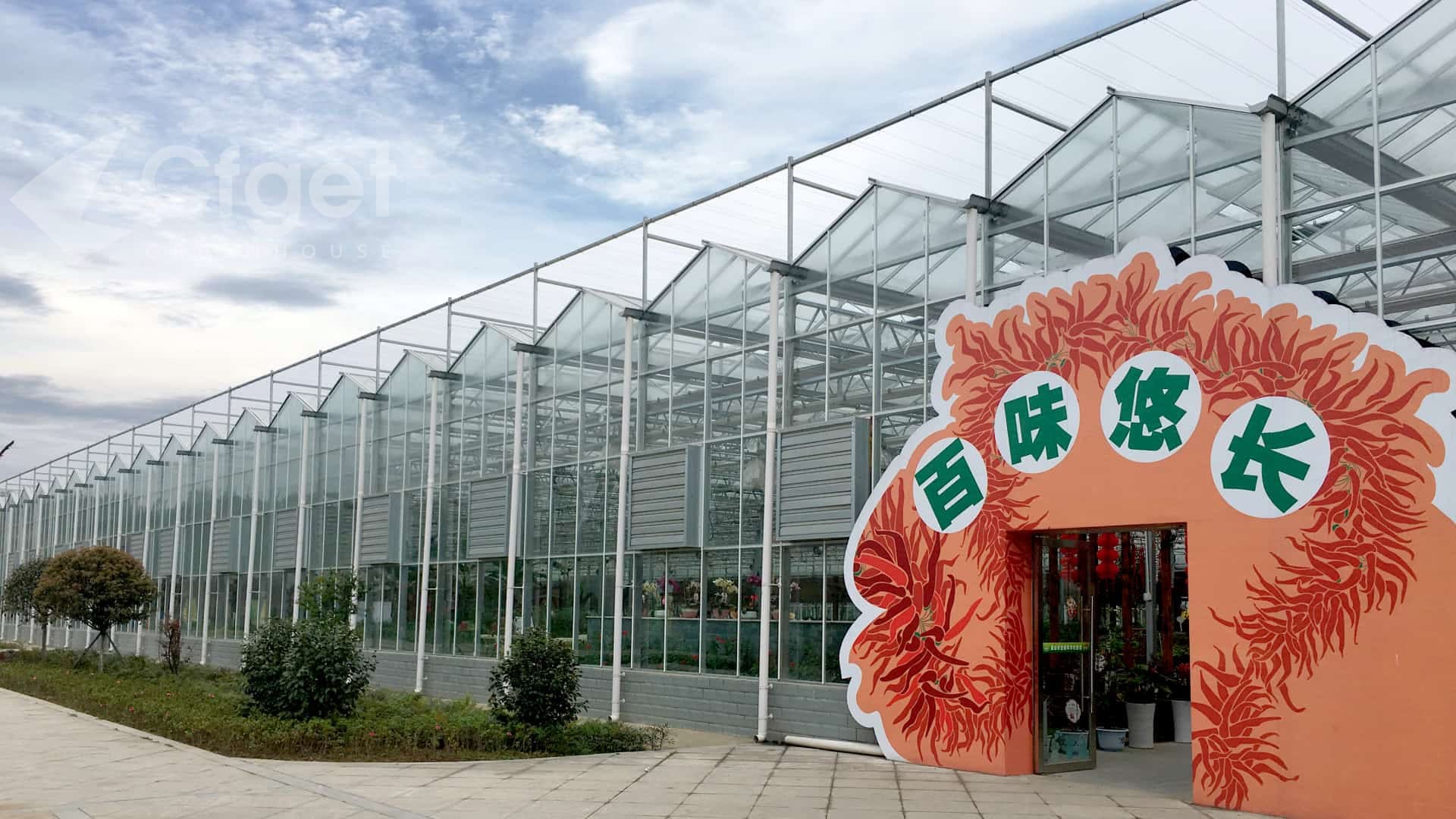
Ask the crop adviser to define the target light strategy, including daily light integral, photoperiod limits, production window and any quality constraints. Then estimate or measure natural light at crop height by season. Outside solar data cannot be used directly because the structure, glazing age, dirt, condensate, screens and equipment reduce transmission.
Calculate the supplemental deficit for the design periods rather than assuming lights operate at full output every day. Some projects need enough capacity for a dark winter target. Others accept a lower target on the darkest days to avoid an oversized installation and high demand charge. The quotation should state which days and operating conditions the proposed capacity covers.
| Lighting input | Why it changes electricity use | Evidence to request |
|---|---|---|
| Crop target | Sets the required supplemental photon quantity | Crop and production-stage basis from the grower or adviser |
| Greenhouse transmission | Determines how much outdoor light reaches the crop | Measurement method, season, screen state and cleaning condition |
| Fixture efficacy | Relates photon output to electrical input | Current test report and operating-condition limits |
| Layout utilization | Accounts for spill, edges, structure and mounting geometry | Photometric plan with average, minimum and uniformity values |
| Controls | Can reduce output when sunlight is available | Sensor locations, dimming curve, zones, overrides and trend records |
Compare fixtures by application, not headline efficacy
A fixture with higher photon efficacy may still produce a poor project if its beam distribution, mounting height or spacing does not fit the bay and crop. Compare proposals at the same crop-level light target and uniformity. Request the number of fixtures, input power, photon output, distribution files, mounting layout, driver location, voltage, current, power factor and harmonic information.
An e-GRO alert explains how fixture photon output, target intensity, hours and input watts can be used for preliminary fixture and electricity estimates. It also notes that these estimates do not replace a layout for mounting height, spacing and edge losses. Use the math to audit a proposal, then require the supplier’s project photometrics and electrical schedule.
Include the electrical distribution and thermal effect
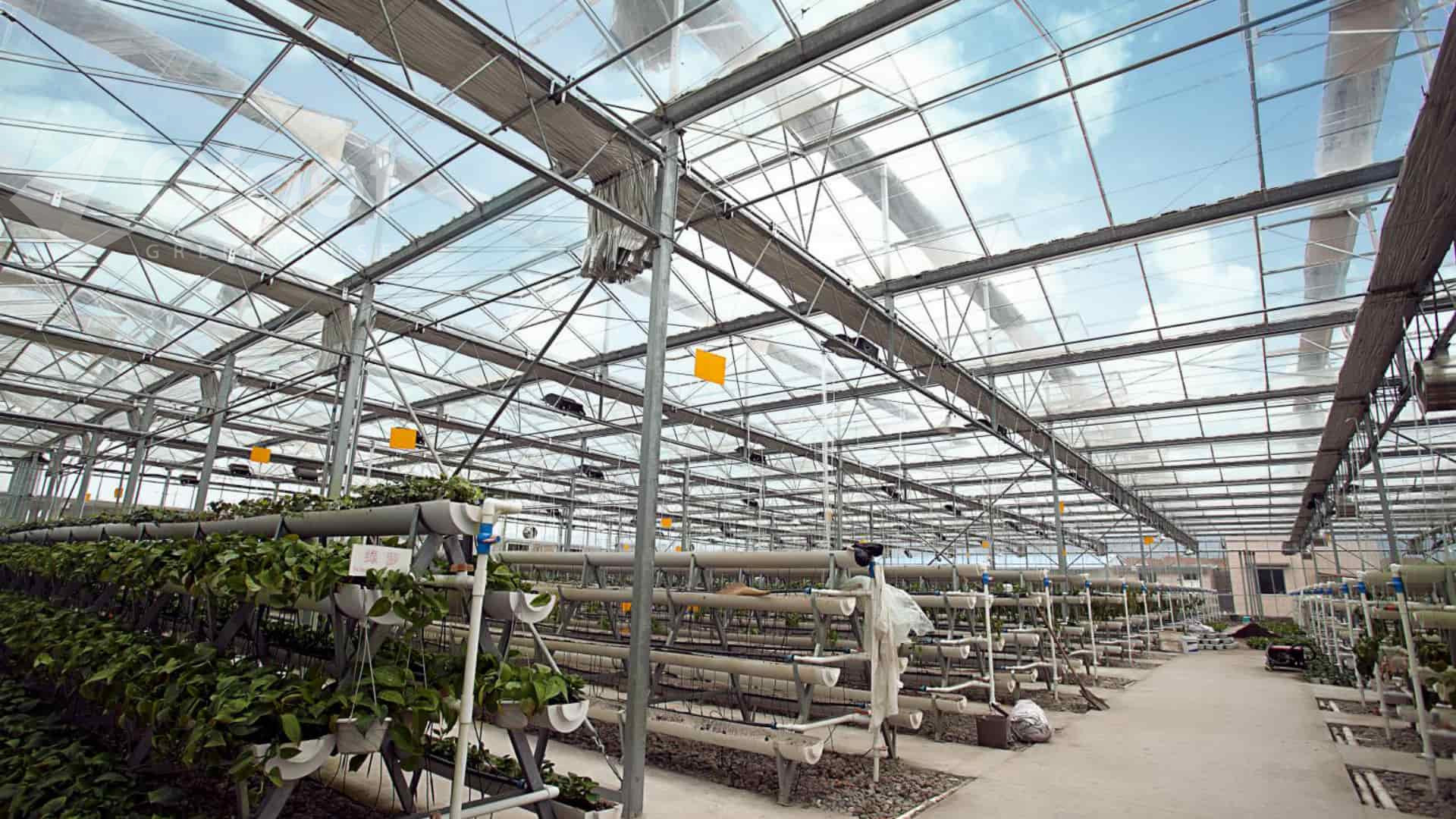
Lighting adds load to panels, feeders, transformers and backup planning. It also adds heat to the greenhouse. That heat may reduce heating demand during some hours and increase ventilation or cooling demand during others. Drivers and luminaires need an allowable ambient-temperature range and service access. A lighting quote that ends at the fixture connector leaves important cost and responsibility gaps.
Use the tariff that will appear on the bill
Obtain the current commercial tariff for the site. Separate energy price, demand price, time-of-use periods, fixed charges, taxes and any power-factor provisions. If the project shares a meter with cooling, pumps, heating equipment or a packhouse, estimate whether those loads coincide with the lighting peak. A low energy price does not cancel a high demand charge.
Build at least three operating cases: the design month, a normal month and a bright month with dimming. Show the hours and light deficit in each case. Compare systems over the same analysis period with fixture replacement, cleaning, driver service, crop downtime and residual value stated. Do not convert one energy saving into a guaranteed payback or crop return.
The smart-control overview covers sensor and controller integration. The commercial greenhouse overview helps define structure and glazing inputs. The smart greenhouse cost guide covers the wider capital and operating budget, while this page owns lighting electricity and procurement.
Commission the lighting system
Verify fixture identity, quantity, location, mounting height, circuit assignment, input voltage, input power, dimming and control zones. Measure crop-level light at the agreed grid and background-light condition. Record average, minimum, maximum and uniformity with screens and greenhouse equipment in the specified state.
Test sunrise and sunset logic, daylight dimming, manual override, alarms, loss of sensor, loss of communications and recovery after power failure. Check trend logs against a portable meter and the utility interval data. Handover should include as-built layouts, panel schedules, test results, configuration backups, cleaning instructions, spare drivers or fixtures, and warranty terms.
RFQ inputs for commercial greenhouse grow lights
- Project location, greenhouse dimensions, bay layout, crop area and production months
- Crop, growth stage, target daily light integral, photoperiod and operating constraints
- Outdoor light data, greenhouse transmission basis, screen states and design periods
- Target crop-level PPFD, uniformity method, measurement grid and allowable edge treatment
- Fixture model, photon output, input watts, efficacy, distribution file and test report
- Fixture quantity, mounting height, spacing, zones, structure shading and service access
- Voltage, phase, circuit schedule, connected load, power factor and driver location
- Daylight sensor, dimming, control sequence, manual override, alarms and trend storage
- Commercial tariff, time periods, demand interval, coincident loads and operating cases
- Photometric and electrical tests, training, spares, cleaning, warranty and defect response
Technical references
- University of Georgia LAMP lighting calculators
- e-GRO: How Many Light Fixtures?
- AHDB GrowSave: LED lighting calculators
Send the completed operating brief through the CFGET contact page. Require every bidder to use the same crop area, light target, tariff and analysis period so the energy comparison can be audited.