F-CLEAN is a branded ETFE greenhouse film, while polycarbonate is a family of rigid sheets with different wall counts, coatings and optical properties. Neither is universally better. Compare the exact grades for light transmission, diffusion, UV range, heat transfer, impact and fire classifications, structural support, condensation control, repair, cleaning, warranty and installed life-cycle cost.
The old article presented a 30-year result, guaranteed light quality, fixed cleaning intervals and crop-profit claims as if every product and site performed the same way. Those statements exceeded the available evidence. A responsible comparison uses current manufacturer data, a project design basis and inspection requirements. It also separates material properties from whole-greenhouse performance.
Compare named products, not generic labels
ETFE film thickness, surface treatment, UV transmission, diffusion and installation method can vary. Polycarbonate can be solid, corrugated, twin-wall or multi-wall, with different coatings and warranty terms. A comparison between one high-transmission ETFE grade and an unspecified polycarbonate panel is not a procurement specification.
| Property | F-CLEAN or ETFE submittal | Polycarbonate submittal |
|---|---|---|
| Product identity | Brand, grade, thickness, width, UV option and anti-drip treatment | Manufacturer, sheet family, thickness, wall structure, color and coatings |
| Optical data | PAR or visible transmission, haze or diffusion, UV range and test method | Initial transmission, diffusion, UV-protected side, test method and tolerance |
| Thermal data | Single or multiple layer assembly, air space and stated U-value basis | Wall count, panel geometry, edge treatment and stated U-value basis |
| Mechanical data | Tensile, tear, creep, temperature range and fastening limits | Impact, allowable span, thermal movement, load tables and fastening limits |
| Compliance | Fire classification, chemical limitations, warranty and installation conditions | Fire classification, coatings, warranty, storage and installation conditions |
Ask suppliers to identify the test standard and specimen configuration behind each value. Light transmission for a flat material sample is not the same as transmission through the completed greenhouse. Frames, overlaps, gutters, dirt, condensation, screens and installation angle all change the light reaching the crop.
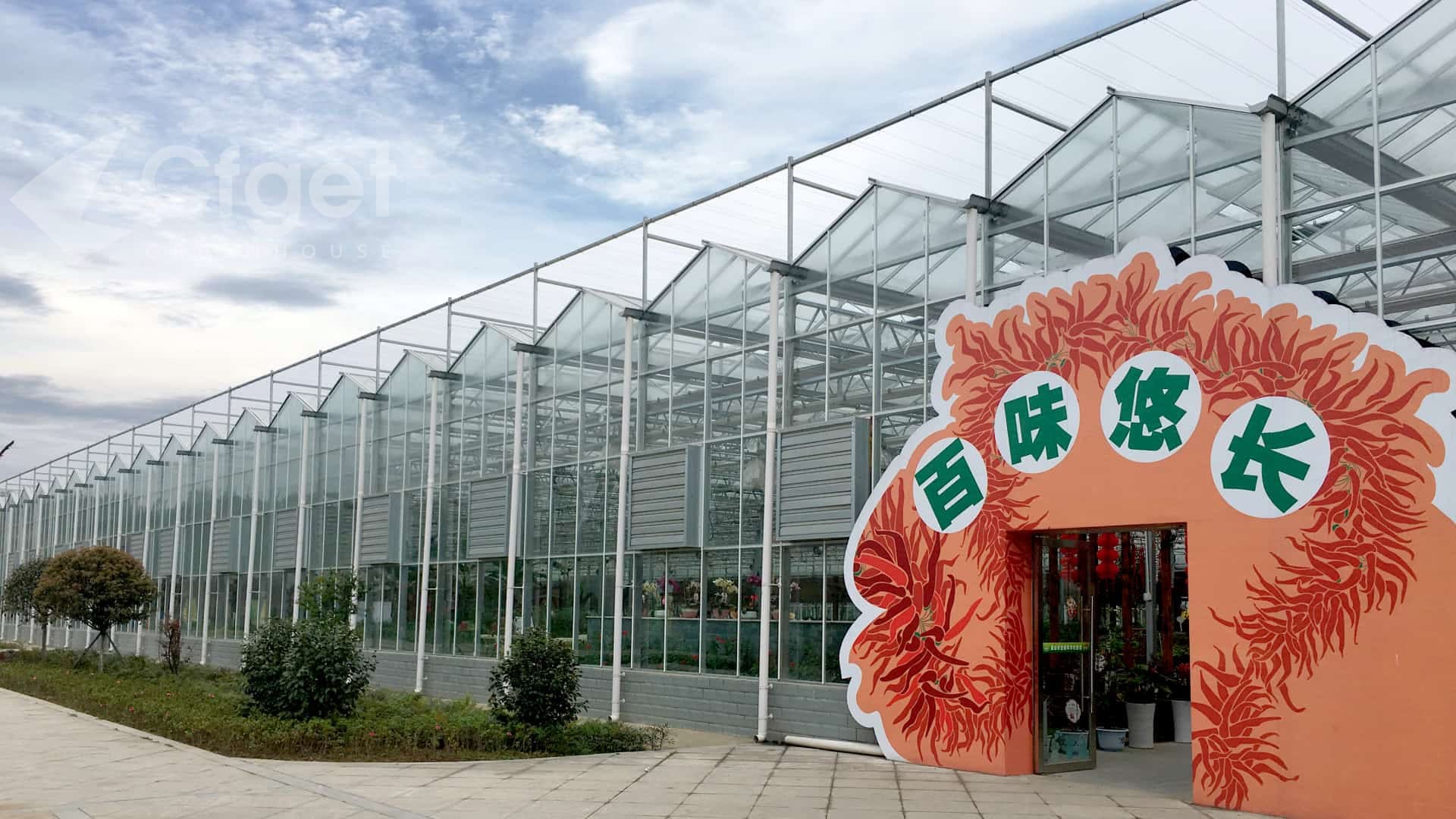
Evaluate light and heat together
High light transmission can be valuable in a low-light crop season, but the covering also affects heat loss, solar gain, diffusion and condensation. A multi-wall polycarbonate panel may transmit less light than a thin ETFE film while providing a different thermal assembly. The buyer should compare annual operating consequences, not select from one optical percentage.
A peer-reviewed study in Resources, Conservation and Recycling compared polycarbonate, glass and ETFE scenarios for an urban rooftop tomato greenhouse. The open repository copy reports meaningful differences in lifetime transmissivity, crop results and environmental impacts, but the conclusions depended on the studied structure, material specifications, maintenance assumptions and tomato system. It is evidence that trade-offs matter, not proof that one material wins every commercial project.
| Project question | Why it changes the choice | Evidence to request |
|---|---|---|
| Crop and season | Required daily light and acceptable heat load vary | Crop-light basis, climate file, screen and shade assumptions |
| Heating duty | Assembly U-value and leakage affect energy use | Whole assembly calculation with joints, layers and inflation if used |
| Cooling duty | Solar gain, diffusion, shading and ventilation interact | Design-day calculation and operating sequence |
| Pollination and pest plan | UV transmission can affect biological processes | Named UV grade and crop or IPM requirement |
| Replacement strategy | Access, downtime and disposal can dominate life-cycle cost | Replacement method, lifting access, spare material and responsibility |
Design the support and fixing system with the covering
ETFE film needs a compatible tensioning and edge system. Some assemblies use one layer, while others use multiple layers or cushions with air equipment. Polycarbonate sheets need support spacing, allowance for thermal movement, correct orientation of the UV-protected side, sealed or vented channels as specified, and compatible fasteners. The frame cannot be selected independently from the covering.
Request loads and allowable spans for the exact product. Wind pressure, suction, snow, hail, maintenance access, temperature movement, ponding risk and local code conditions need project review. A marketing statement that a material is strong does not replace calculations for the installed panel or film system.
Detail the interfaces at gutters, ridges, vents, doors, end walls and service penetrations. Most leakage and early damage begins at edges, fasteners or incompatible materials. Drawings should show seals, flashing, drainage, movement joints and replacement access.
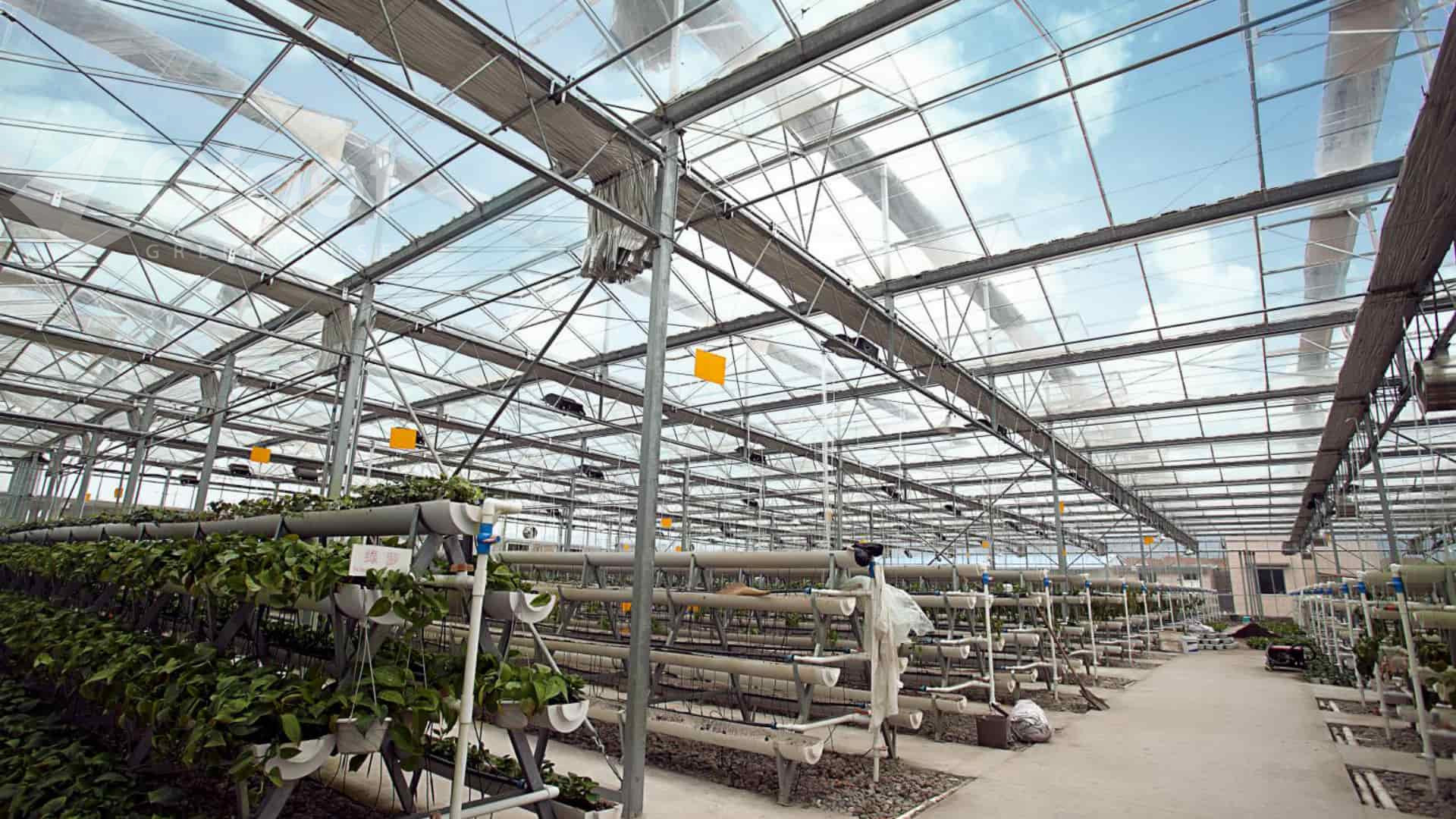
Replace fixed lifespan claims with a service plan
The F-CLEAN manufacturer describes product-specific weatherability, low surface energy and available grades. These claims should be checked against the current technical data sheet, warranty and installation conditions for the product offered. They should not be rewritten as a universal 30-year guarantee by a greenhouse supplier.
A greenhouse covering paper by agricultural engineer John Bartok describes common optical and thermal trade-offs and notes that polycarbonate is available in several wall forms. It also tells buyers to check the covering manufacturer for performance factors. That is the right procurement approach because warranties, coatings and exposure conditions differ.
Create an inspection schedule for fasteners, tension, panels, seals, channels, gutters, scratches, punctures, leaks, condensation and surface contamination. Base cleaning methods on the current manufacturer instructions. Harsh chemicals, abrasive tools, unsupported walking and excessive pressure can damage a covering or its coating.
| Life-cycle item | ETFE or F-CLEAN questions | Polycarbonate questions |
|---|---|---|
| Routine inspection | Tension, edge clamps, punctures, welds and anti-drip condition | Fasteners, movement, scratches, channels, seals and UV side |
| Cleaning | Approved water quality, tools, chemicals and access method | Approved detergent, tools, pressure, rinse and channel protection |
| Repair | Patch material, welding method, weather limit and trained personnel | Replacement panel, cut and seal method, compatible fasteners and access |
| Warranty | Covered property, start date, exposure limits, installation and claim evidence | Transmission or yellowing terms, breakage exclusions and installation conditions |
| End of service | Removal, separation, recycling route and downtime | Panel removal, channel contamination, recycling route and downtime |
Compare installed life-cycle cost on the same basis
Include material, profiles, film tensioning or panel framing, seals, inflation equipment where applicable, freight, installation, access equipment, inspections, cleaning, repairs, replacement, crop downtime and disposal. Use the same project life and discount assumptions. Do not convert an unverified lifespan claim into a return-on-investment promise.
The commercial greenhouse overview helps define the structure family. The project library can be used to discuss comparable installation scope without implying undisclosed project performance. Submit the exact covering grade and site brief through the contact page.
Commission the completed covering system
Before acceptance, verify product labels, thickness, grade, orientation, profiles, fasteners, seals, tension or panel support, penetrations, gutters, vent movement, inflation equipment, condensate behavior and drainage. Photograph critical interfaces before they are concealed. Record repair materials and maintenance access.
Check visible defects and water entry under agreed conditions. Confirm that vents, screens and service equipment do not rub or load the covering. Provide as-built drawings, product data, warranties, approved cleaning instructions, spare materials and a defect-response route.
RFQ inputs for F-CLEAN and polycarbonate
Use the same inputs for every bidder so each quotation covers the same material grade, support system, installation boundary and evidence.
- Project location, greenhouse geometry, structure type, crop and production season
- Exact F-CLEAN grade and thickness proposed, with current technical data
- Exact polycarbonate product, wall structure, thickness, color and coatings
- Optical, UV, diffusion, thermal, impact and fire data with test methods
- Wind, snow, hail, temperature, chemical and maintenance exposure assumptions
- Profiles, clamps, fasteners, seals, inflation equipment and movement details
- Vent, gutter, ridge, door, end-wall and penetration interface drawings
- Cleaning, inspection, repair, spare material and replacement procedures
- Warranty properties, exclusions, installation conditions and claim documents
- Installed price, energy assumptions, access cost, downtime and end-of-service plan
Technical references
- Open repository copy: urban greenhouse covering materials study
- John Bartok: Greenhouse Covers
- F-CLEAN manufacturer product information
Ask every bidder to return product-specific data and interface drawings. Compare the complete installed assemblies, not a generic ETFE percentage against a generic polycarbonate lifespan.