Reducing cucumber feed concentration can look like an easy way to lower fertilizer spending. Before putting a saving into the budget, find out what happens to the crop you sell. A lower input bill is useful only after the value of any change in output and the work needed to manage it are considered.
The starting decision is whether a defined change deserves a supervised local test. It is too early to assume either that the strongest feed earns the most or that the lowest concentration is the most economical.
Three feed treatments, three weekly yield results
A 2025 paper by Sonali and colleagues reports a rockwool cucumber experiment at Western Sydney University, Richmond, Australia, from August to December 2022. Three feed electrical conductivities, or ECs, were produced by proportionally diluting the same balanced reference solution. Six experimental gutters in one 400 m² room provided two gutters per treatment.
| Study feed EC, dS/m | Yield, kg/m²/week |
|---|---|
| 1.0 | 2.22 |
| 2.5 | 3.11 |
| 3.5 | 2.96 |
Source: Table 1; ten registered plants per cultivar and treatment. The Continental cultivar showed the same pattern. The lowest feed produced significantly less; the analysis did not detect a difference between the intermediate and highest treatments. That does not establish equivalent yields. These are experimental harvested weights, not audited buyer-accepted output.
The useful business distinction is between testing a considered reduction and assuming that progressively weaker feeding keeps improving the result. The observed pattern gives a reason to investigate, without supplying a universal setting.
Separate the proposed change from the promised saving
Write down what the crop adviser is proposing and why it is suitable for the current crop. Keep a deliberate change to a balanced feeding programme distinct from changing fertilizer products, irrigation scheduling and several other operating practices at once. Otherwise, a later change in spending or harvest will be difficult to interpret.
Do not turn the difference between the study’s EC values into a fertilizer-saving percentage. EC describes the treatment; it is not a record of fertilizer purchased or consumed. The crop experiment does not establish a measured reduction in your operating costs.
The local test should therefore have a commercial question as well as a crop question: does the proposed programme reduce the cost of supplying the crop while retaining enough accepted product value to make the change worthwhile?

Count inputs and accepted output over the same period
Use actual fertilizer quantities and their applicable costs. Check opening and closing stock alongside purchases, so a quieter purchasing month is not mistaken for lower consumption. If the comparison covers only part of the house, identify the inputs used by that part rather than allocating an unexplained share of the whole-site bill.
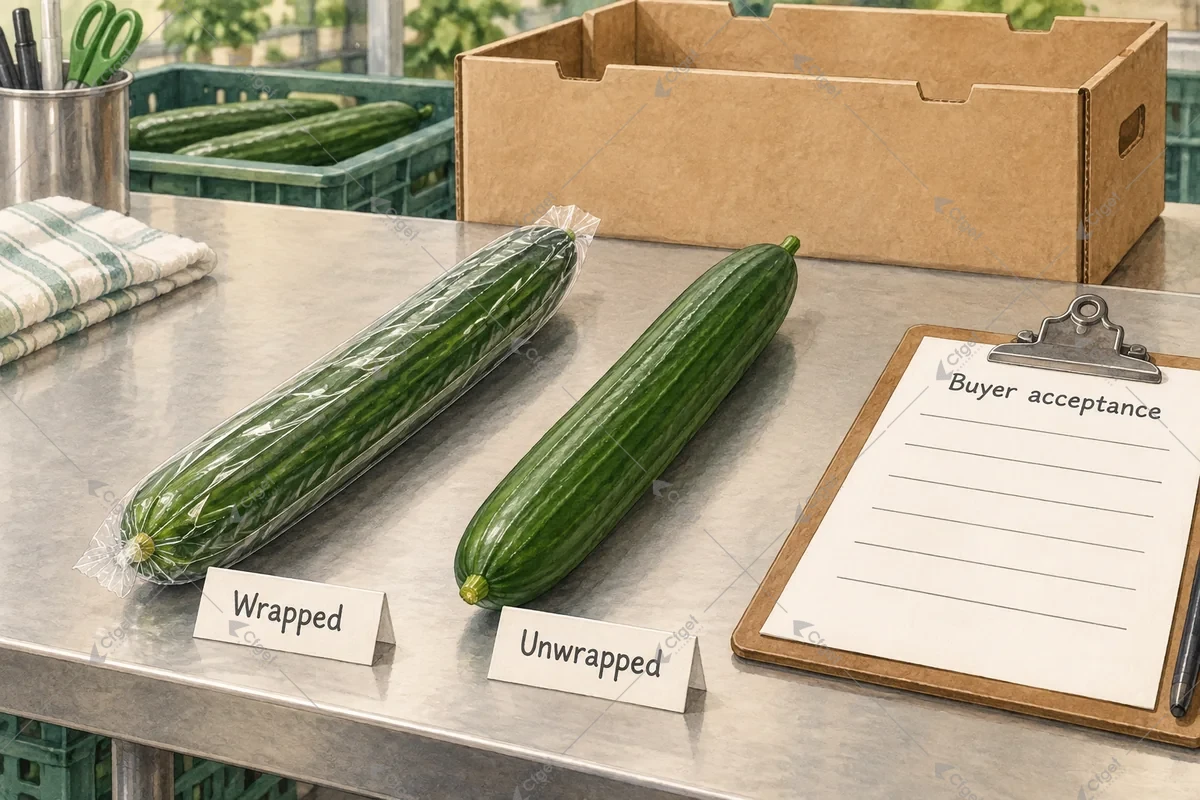
On the crop side, keep harvested kilograms and buyer-accepted kilograms distinguishable. Record changes in grade mix, rejects and realized selling value. Two harvests with the same total weight can be worth different amounts to the business if they meet different orders.
Include additional mixing, monitoring, adviser time or handling where the proposed programme requires it. Also note other changes during the comparison, such as crop age or weather, so the team does not credit every movement in harvest to the feed change.
This need not become a complicated new workbook. Existing input, harvest and sales records may be enough if they describe the same crop area and period clearly.
Let the result determine the commitment
Ask the crop adviser to define the appropriate scope, observation period and response if the crop deteriorates. Keep existing customer commitments in view when deciding how much production can participate. The study’s EC numbers are context for that conversation, not instructions to copy into the controller.
Retain the current programme when the evidence for changing it is weak. Consider wider adoption only when local input use, accepted crop value and additional work support it. If those records are missing, improve the evidence before booking a saving.
For a separate equipment question, the fertigation-system overview provides background. Here the decision is narrower: establish whether the proposed feed change earns its place in an operating cucumber business.