High humidity causes mold and fungus that kills your plants. Spraying chemicals is expensive, risky, and may ruin your organic status. You need a high-tech system that removes moisture from the air quietly and efficiently.
Installing a greenhouse dehumidification system effectively involves placing dehumidifiers high up to capture the warmest, wettest air and pairing them with horizontal air flow (HAF) fans to ensure continuous air movement across the leaves. This system lowers the relative humidity quickly, eliminating the conditions needed for common fungal diseases like Botrytis (gray mold) to thrive.
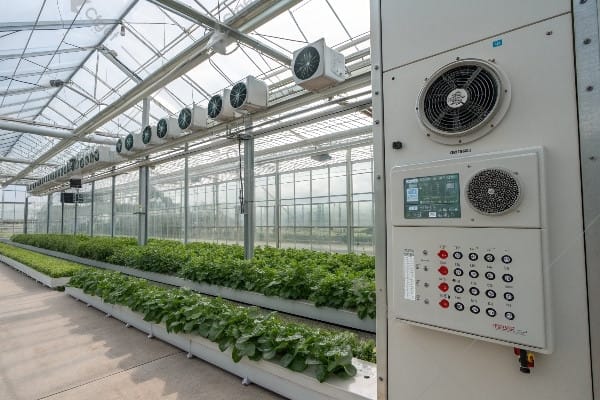
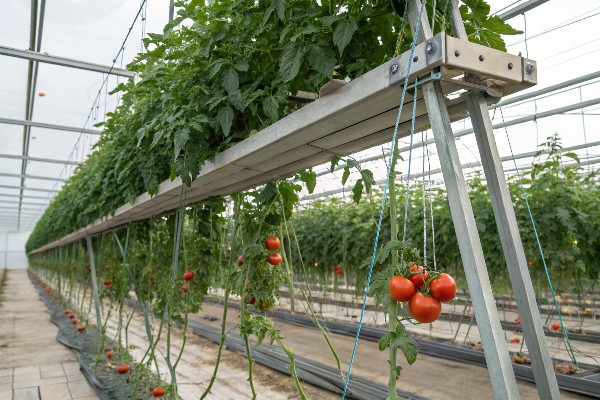
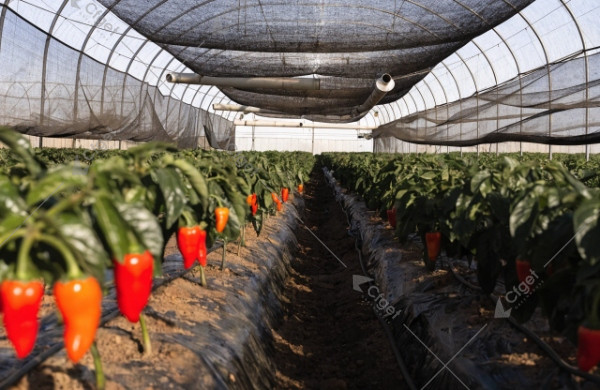
Humidity is the silent killer in many greenhouses, especially in tropical or coastal regions. When the air is too wet, water sits on the leaves. This creates the perfect environment for mold and fungus. We know that disease is the number one cause of crop loss. Let us look at three critical systems that solve these huge problems by managing air, water, and insects perfectly.
The Humidity Killer: Greenhouse Dehumidification System for High Humidity Climates and Disease Prevention?
You rely on heating and venting to lower humidity, which wastes huge amounts of energy. Your energy bill doubles in the winter when the air is cold and wet. You need a targeted system that removes water without losing heat.
A dedicated greenhouse dehumidification system for high humidity climates works by cooling the air just enough to condense the excess moisture into liquid water, which is then collected. This process is far more energy-efficient than venting hot, humid air and then reheating the incoming cold, dry air. This control prevents the high humidity spikes that cause diseases like powdery mildew.

Dive Deeper: Stopping Disease at the Source
The key to preventing plant disease is controlling the Vapor Pressure Deficit (VPD). This is a fancy term for the difference between the moisture in the air and the maximum moisture the air can hold. When VPD is too low (meaning the air is too wet), plants cannot "breathe" properly, and mold grows easily.
Traditional growers try to lower humidity by heating the air and then venting it outside. This works, but you throw away expensive heat. A modern dehumidification system is smarter. It is a closed-loop system. It cools the air inside the machine, removes the water, and then returns the now-dry air back into the greenhouse. It keeps the heat inside. For our clients in Southeast Asia, where humidity is always high, this system is vital for preventing crop failure. It also lets you keep the greenhouse sealed during the evening, which is when humidity naturally peaks.
Our CFGET team provides precise sizing calculations. You cannot just buy a small home unit. A commercial unit must be large enough to handle the massive amount of water plants release every day. This professional approach to climate control ensures that the air around every leaf is healthy, which is the best form of disease prevention.
| Disease Risk | Cause (High Humidity) | Automated Solution |
|---|---|---|
| Botrytis (Gray Mold) | Water sitting on flowers and stems. | Dehumidification & HAF fans. |
| Powdery Mildew | Low air movement and high leaf humidity. | Precise VPD control. |
| Root Rot | Overwatering coupled with high air moisture. | Recirculating drip system control. |
The Water Saver: Designing a Recirculating Hydroponic Drip Irrigation System Design for Zero Waste?
Standard watering systems waste water and expensive fertilizer. You are spending too much money on nutrients, and you face water restrictions. You need a closed-loop system that catches and reuses every drop of water.
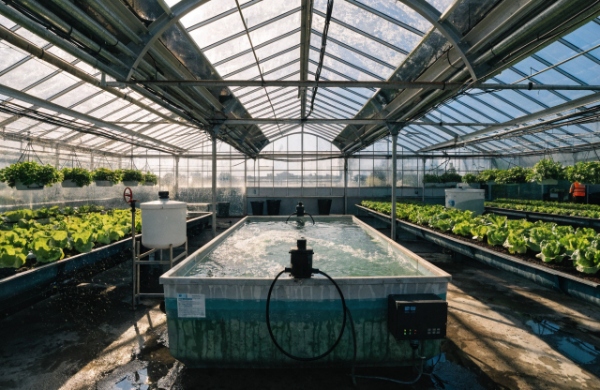
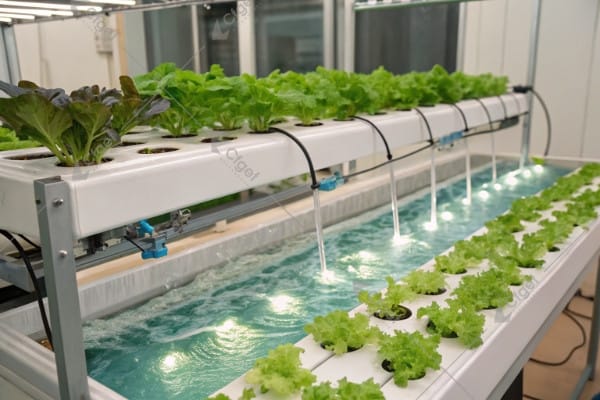
A recirculating hydroponic drip irrigation system design, also known as a closed-loop system, collects the runoff water and nutrient solution that plants do not use. This collected solution is then filtered, sterilized using UV light, and re-balanced with fresh nutrients before being fed back to the plants. This system saves up to 90% of water compared to traditional soil farming.
Dive Deeper: Why Zero Waste is Smart Business
Water is the most valuable resource for any farm. In many regions, especially Central Asia and the Middle East, water is scarce. A recirculating drip irrigation system is not just an upgrade; it is a necessity.
In traditional open systems, when you water the plants, 20% to 30% of the water runs off and is lost into the ground. That lost water contains expensive fertilizers. A recirculating system, which we provide for many large producers, prevents this waste. The excess solution drips into a collection gutter. It then flows back to a central tank.
Before reuse, two things happen. First, the water passes through a filter to remove plant debris. Second, it passes through a strong UV light sterilizer. This UV light kills any bacteria or viruses that might have come from a sick plant. Finally, the system checks the nutrient balance and adds only what is missing. This precise control means your plants always get the perfect food mix, and you save a huge amount on water and fertilizer costs. This system also helps you meet sustainability goals, which is very important for today’s market.
Biosecurity Walls: The Right Insect Screen Installation for Greenhouse Pest Control and Organic Growing?
Pests like aphids and whiteflies fly in through open vents. These pests quickly destroy crops and force you to use harmful chemical sprays. You need a physical barrier that keeps insects out while letting air in.
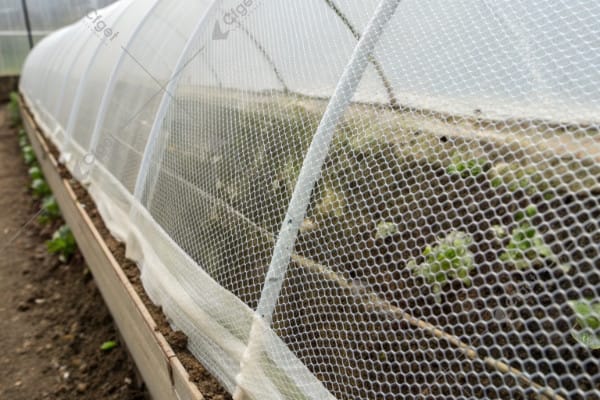
The right insect screen installation for greenhouse pest control involves using specialized mesh material that is fine enough to block small insects like thrips (40-50 mesh size) but still porous enough to allow sufficient airflow. The screens must be fitted tightly over all vents and openings to create a complete and effective physical barrier against pests.
Dive Deeper: Protecting Your Organic Certification
For growers seeking organic certified farming status, pest control must be non-chemical. Insect screens are your first and strongest line of defense. They are a physical barrier, like a high fence for tiny insects.
The key is choosing the right mesh size. If you choose a screen that is too fine, it blocks bugs but also blocks too much airflow. This raises the temperature and humidity inside, which can cause the mold problems we discussed earlier! If the mesh is too loose, small pests like thrips can fly right through. We help our clients select the right mesh size based on the specific pests in their region.
Furthermore, the installation must be perfect. The screen must be tightly sealed around the entire opening of the vent. Any small gap will become a welcome sign for pests. Our CFGET structures are designed with special channels to make this installation airtight. This simple addition is one of the most cost-effective investments for high-value organic growers. It reduces the need for expensive biological controls and chemical sprays, guaranteeing that your crops stay clean and meet the strict "Greenhouse requirements for organic certified farming" needed for premium markets.
Beyond Structure: Meeting Greenhouse Requirements for Organic Certified Farming and Small Scale Research?
You need a greenhouse that meets very specific, non-structural rules. You worry your new greenhouse will not pass the organic inspection or meet research standards. You need a design partner who understands specific certification and scale needs.
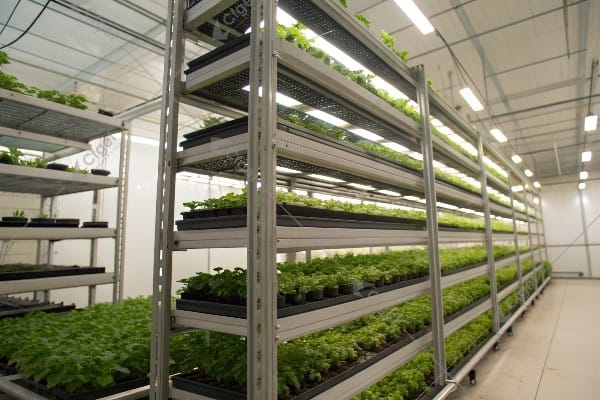
Meeting greenhouse requirements for organic certified farming often means using non-toxic construction materials, avoiding chemically treated lumber, and ensuring pest control is physical, like through insect screens. For small scale commercial research greenhouse design, the focus shifts to extremely precise climate zones and data logging capabilities, often requiring two or three separated internal climates.
Dive Deeper: Certification and Customization
Buying a greenhouse for organic certification or scientific research is different from buying for simple commercial production. You are buying compliance and data accuracy.
For Organic Certification, inspectors look at everything. They check that the plastic pipes are food-grade. They check that the steel frame does not have any chemicals that could leach into the soil or hydroponic system. For instance, in our CFGET designs, we use specific coatings that are approved for organic use. This preparation upfront saves massive headaches during the final inspection.
For a Small Scale Commercial Research Greenhouse Design, precision is everything. A university or seed company might need a structure with four separate, small rooms. Each room needs its own dedicated heating, cooling, and lighting system. We build these smaller systems to be even more accurate than the large commercial ones. They require complex wiring and separation walls. This customization ensures that the data collected from experiments is pure and reliable, justifying the investment for high-level research.
Conclusion
Managing the climate is essential for profitable farming. Investing in dehumidification systems prevents disease, recirculating irrigation saves water and nutrients, and insect screens protect your plants and organic status. These integrated systems ensure long-term success.