Aquaponics feels “simple” until water turns unstable and fish start dying. Then beginners panic, over-correct, and burn cash fast.
I start aquaponics successfully when I keep the system small, design the greenhouse for stable temperature, and run a strict water-testing routine. My goal is not maximum yield on day one. My goal is stability for 30–60 days, then gradual scaling. FAO: Small-scale aquaponic food production (manual)<1>
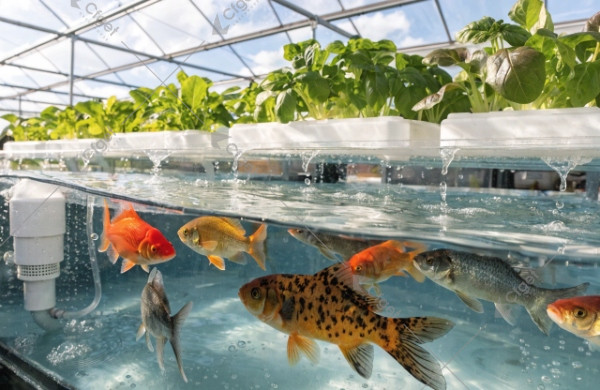
I write this from the grower seat. I do not want you to “learn by losing fish.” I want you to follow a simple path that avoids the most expensive mistakes.
YouTube (CFGET Video Module)
Real greenhouse walkthrough builds trust and clarity.
Even if the video is not aquaponics, the climate-control logic is the same: ventilation layout, shading, cooling staging, and daily routines.
What is the simplest aquaponics greenhouse setup I can start with?
Many beginners copy a complicated diagram online. Then plumbing becomes messy, cleaning becomes slow, and water stability becomes hard.
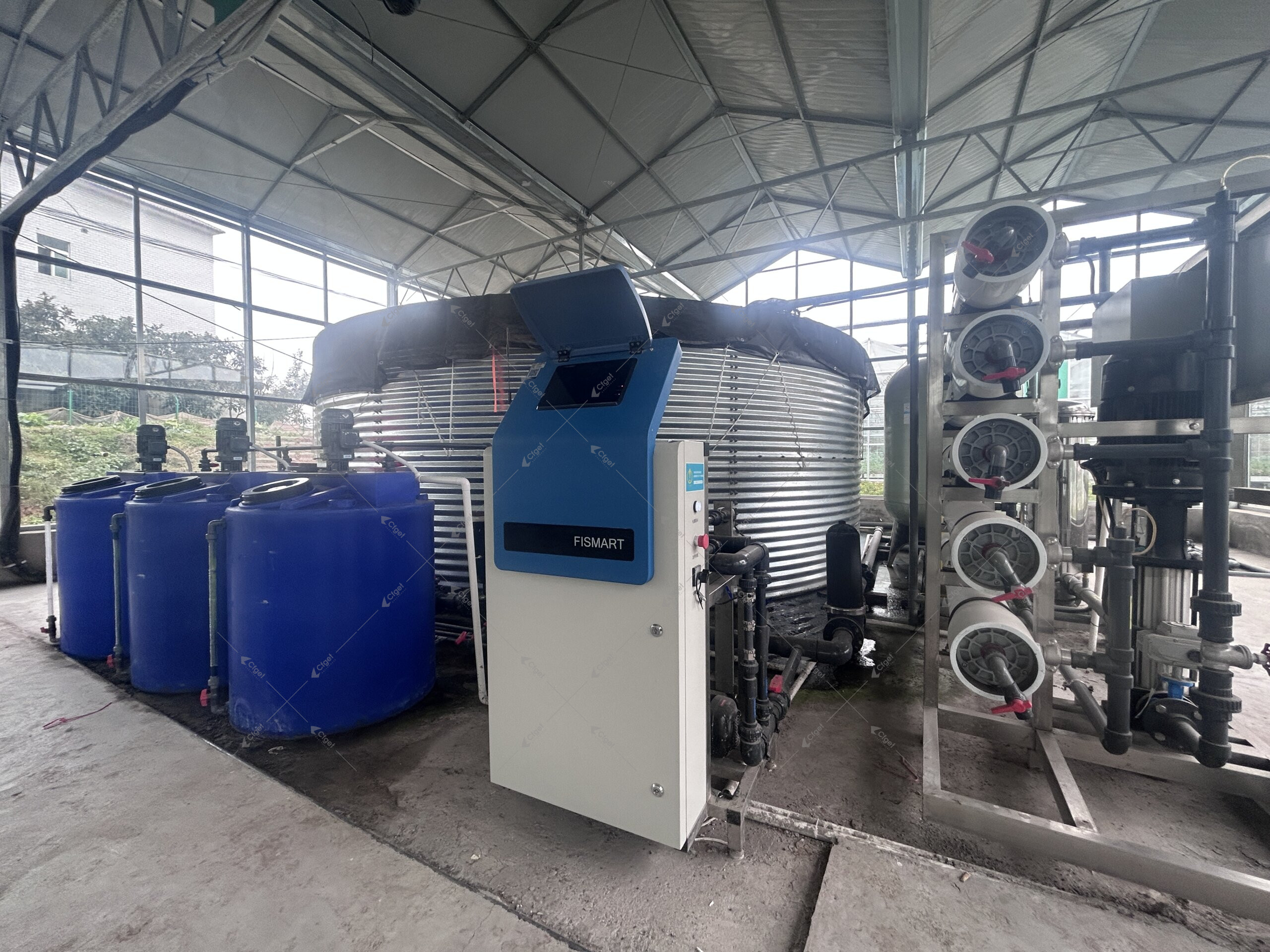
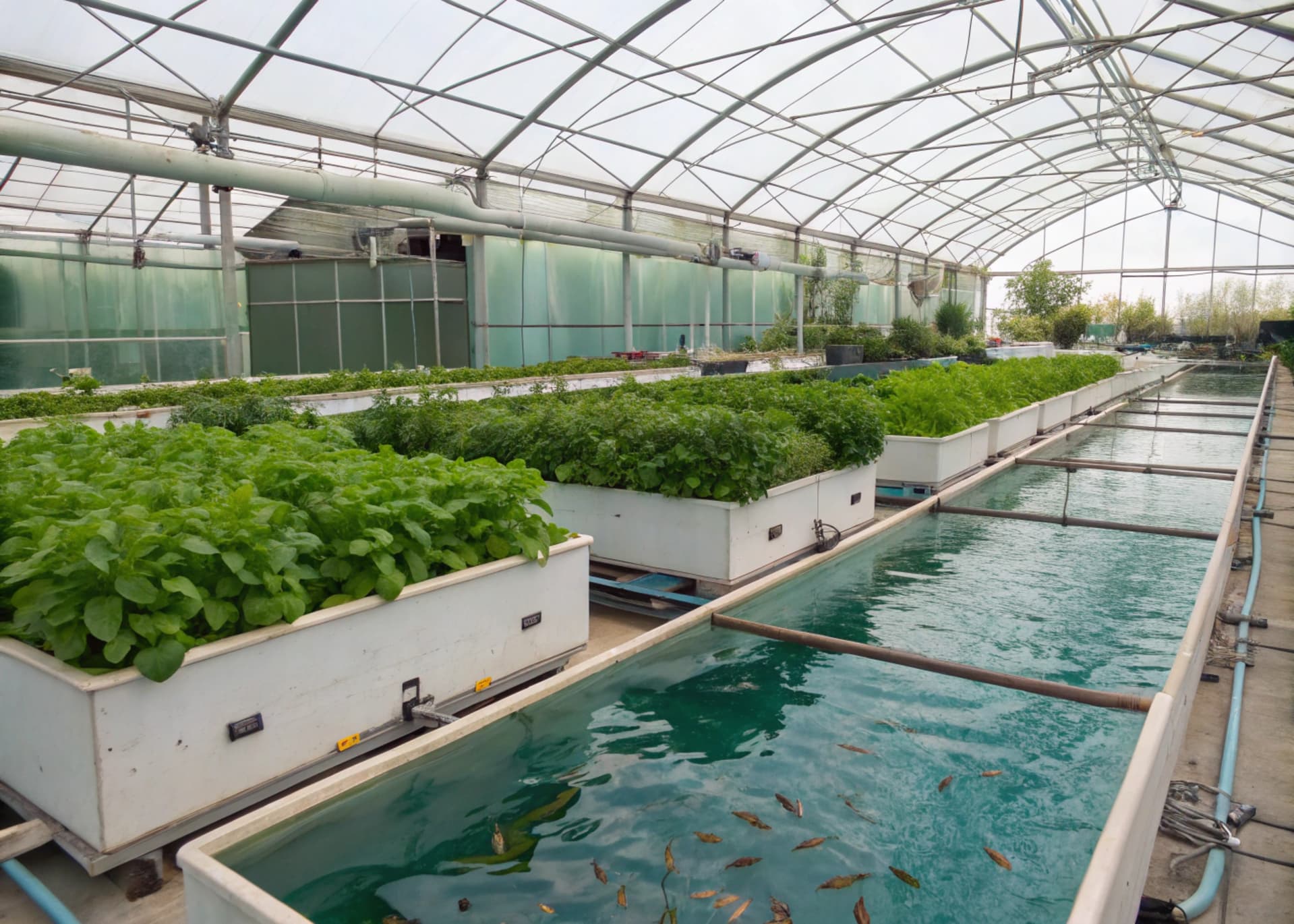
My simplest start is one fish tank, one solids filter, one biofilter, one sump, and one plant system (DWC raft or NFT). I keep pipe runs short and make every filter easy to open and clean. FAO manual covers the three main aquaponics methods: media bed, NFT, DWC<1>
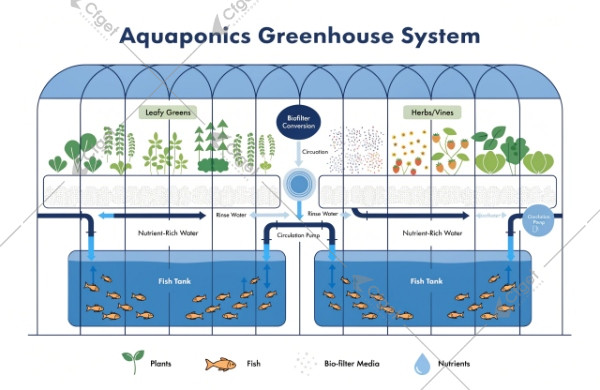
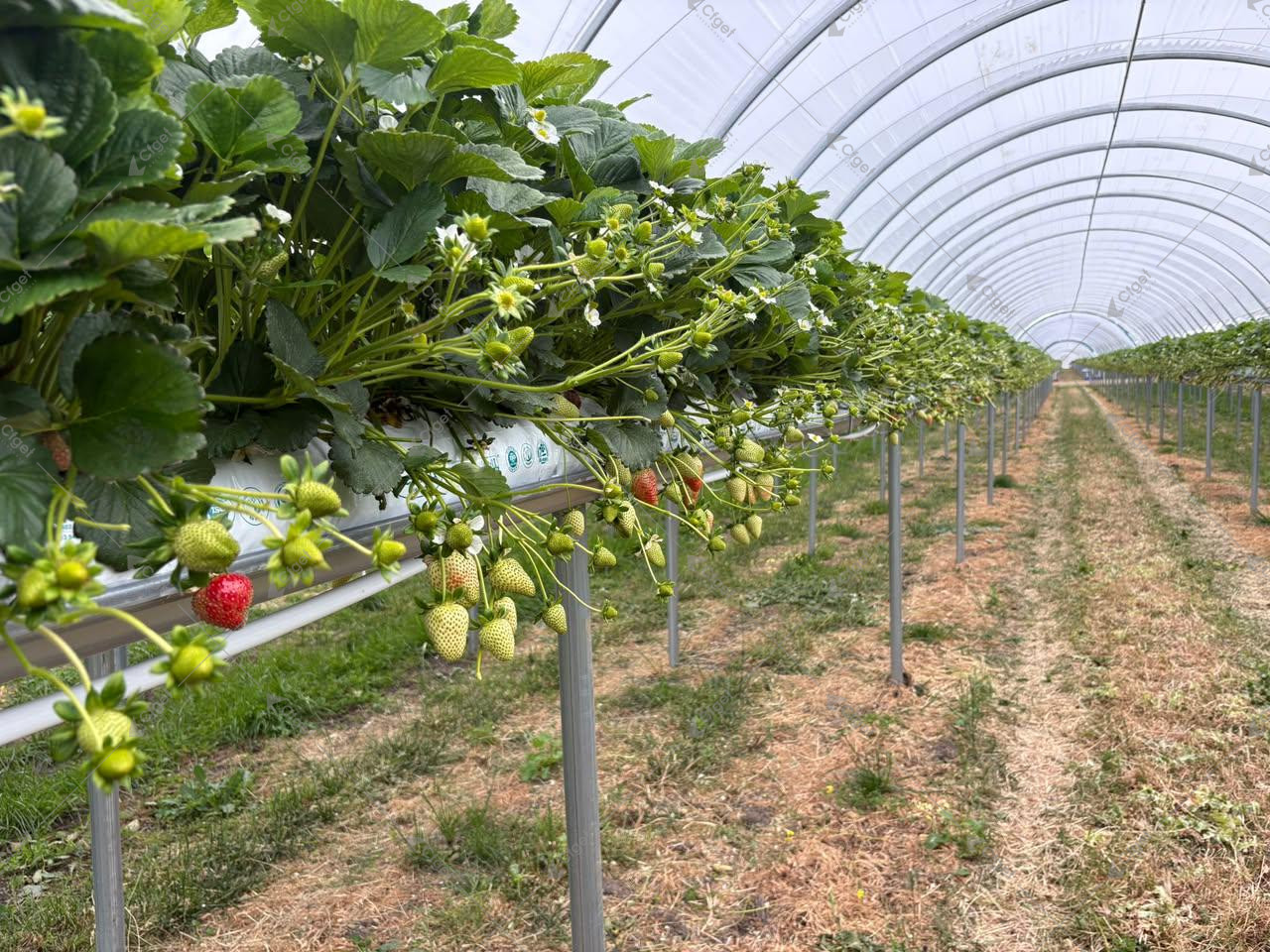
I start with a “boring” system because boring is stable. I avoid extra tanks, extra valves, and long pipe runs in the first build. If I cannot clean the solids filter quickly, it will clog, oxygen will drop, and fish stress will rise. I also avoid mixing too many crop types at the beginning. I choose one fast, forgiving crop like lettuce or herbs, then I standardize the spacing and harvest rhythm.
I also design greenhouse space for human work, not only plants. I need a dry lane, a wet lane, and a clear path to each filter. If the system is hard to reach, I will delay maintenance, and the system will punish me.
If you are choosing a greenhouse structure for this beginner system, I keep it simple and scalable:
- Multi-span Film Greenhouse for cost-effective commercial scaling
- Wide-span Greenhouse for mechanized space and cleaner workflows
Which water tests do I run, and how often, so the system does not crash?
Beginners often test too little, then test too late. They discover ammonia after fish are already stressed.
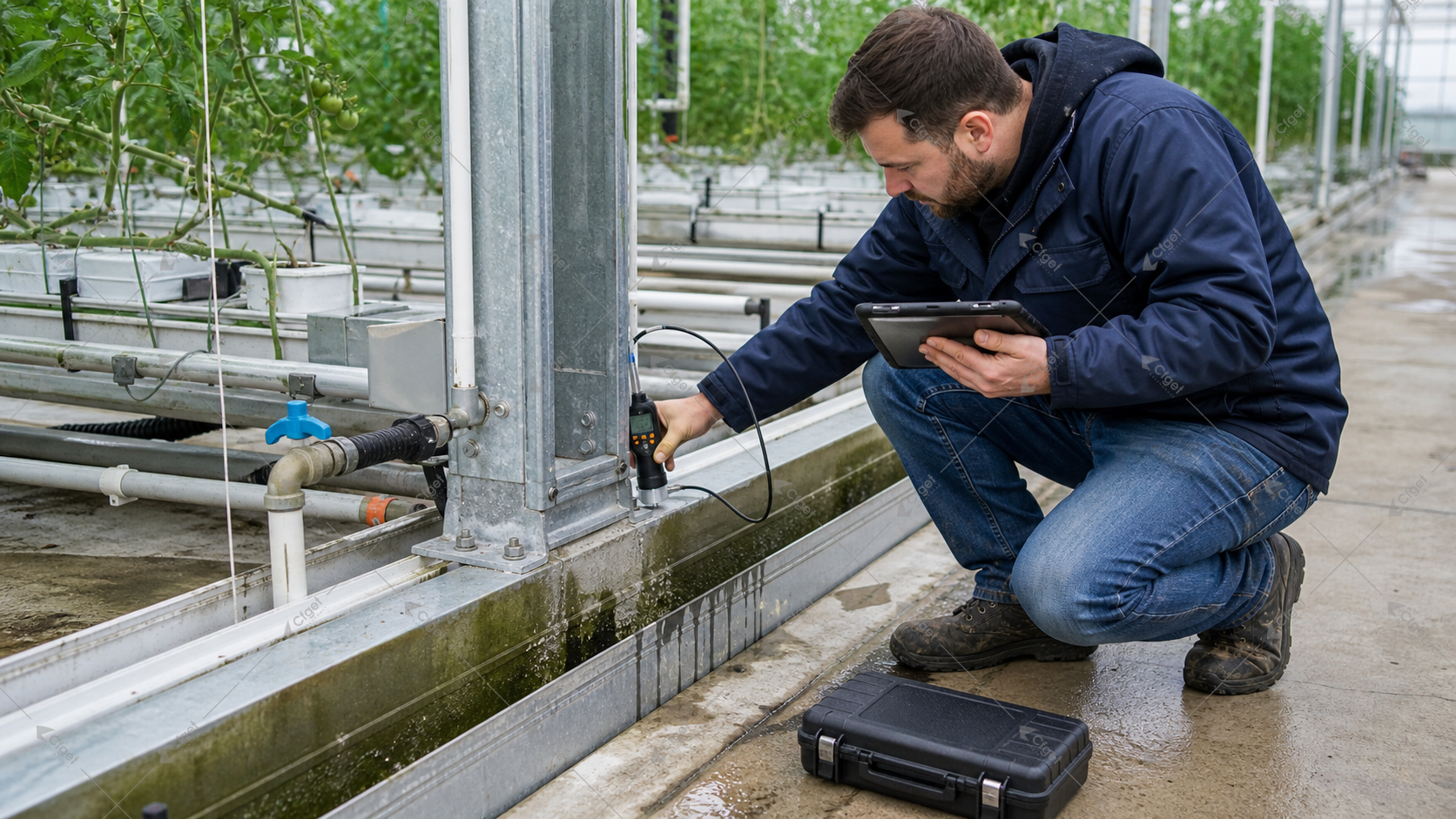
My non-negotiable routine tracks temperature, dissolved oxygen, pH, ammonia, nitrite, and alkalinity. I test on a schedule, not only when problems appear. Cornell’s aquaponics greenhouse project notes that alkalinity is continuously consumed by nitrifying bacteria and must be replaced, and that pH and alkalinity targets in RAS and hydroponics can conflict. Cornell / USDA NIFA project notes on alkalinity and pH<2>
I treat dissolved oxygen as life support. Low DO can cause fish stress and kills, especially during warm nights or after heavy feeding. US EPA: Dissolved oxygen basics and impacts<3> helps explain why DO matters so much. Then I keep pH changes slow. Fast pH swings can harm fish and disrupt nitrifying bacteria. I also watch alkalinity because it is the buffer that prevents pH collapse during nitrification. That is why a beginner system needs a clear buffering plan, not random chemical additions.
Here is the minimum schedule I can actually follow:
| Frequency | What I test | Why I test it |
|---|---|---|
| Daily | temperature, fish behavior, DO (if possible) | early stress signals |
| 3×/week | ammonia (TAN), nitrite, pH | crash prevention |
| Weekly | nitrate, alkalinity | plant nutrition and buffering |
| Monthly | plumbing and filter inspection | long-term stability |
If I cannot keep this routine, I should not scale yet.
How do I control greenhouse temperature so fish do not get heat-stressed?
Many aquaponics failures are not “water chemistry.” They are temperature swings. Fish feel water temperature changes directly. Plants feel air temperature changes. In a greenhouse, those two interact.
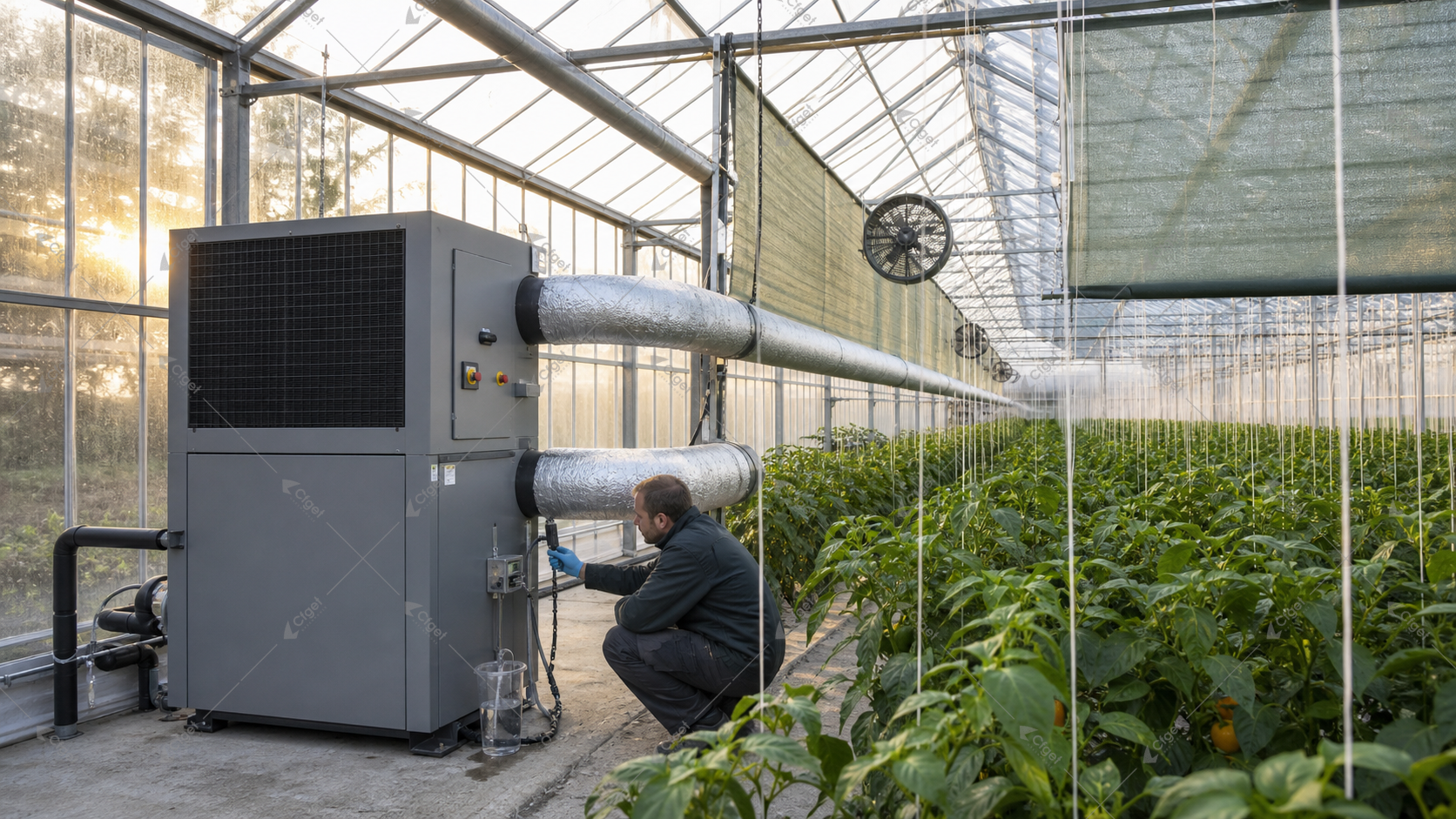
I protect fish by reducing heat load first (shade and ventilation), then I cool the greenhouse in stages. I never rely on one cooling device to fix a bad structure. Research on industrial aquaponics in arid zones shows that cooling strategy can dominate environmental performance and that multiple cooling approaches can be needed depending on conditions. WUR: Industrial aquaponics in arid zones (environmental assessment)<4>
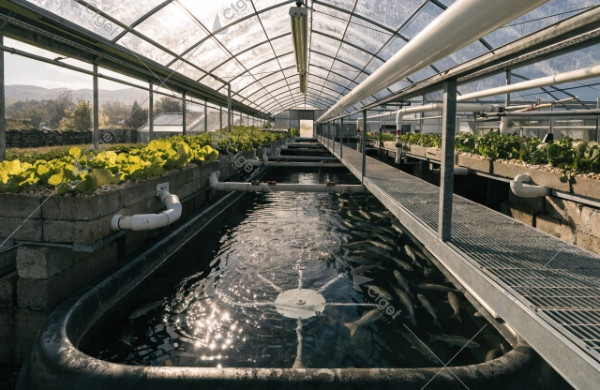
I start with shading because it is cheap, and it reduces solar load immediately. Then I maximize ventilation to dump hot air. After that, I add airflow fans to remove hot spots. Only then do I consider evaporative cooling or mechanical cooling. This order matters because aquaponics creates humidity load from water surfaces, so I can easily trap humidity if I cool without planning ventilation. That becomes disease pressure for plants and discomfort for workers.
For beginners, I also recommend keeping the RAS zone slightly separated from direct sun, or even using a service room concept. This makes water temperature more stable and makes biosecurity easier.
If you want a practical greenhouse structure that is easy to scale, I often start with:
- Multi-span Film Greenhouse for flexible upgrades
- Shade/Net/Rain Shelter structures for simpler hot-climate protection
What are the 7 beginner mistakes that waste money, and what do I do instead?
Most beginner losses come from predictable behavior: overstocking fish, overfeeding, under-filtering, and skipping backup planning.
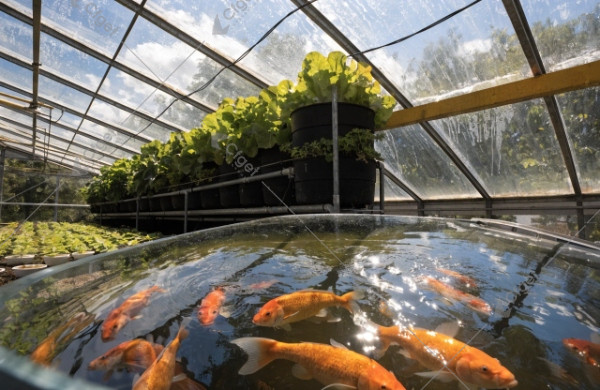
I avoid beginner disasters by keeping stocking low, feeding conservative, sizing filtration for peak feed, and installing a simple backup plan for pumps and aeration. The FAO manual includes troubleshooting logic and sizing tools that help beginners avoid under-sizing biofiltration. FAO manual (design + troubleshooting + sizing tools)<1>
Here are the mistakes I see most, and the fix I apply:
| Beginner mistake | What happens | My fix |
|---|---|---|
| Overstocking fish early | ammonia spikes and stress | start low, scale after stability |
| Overfeeding | solids rise, DO drops | feed less, remove waste, watch trends |
| Under-sized biofilter | nitrite spikes | size for peak feed, not average |
| No backup aeration | one failure kills fish | backup blower or oxygen plan |
| No water-testing schedule | late discovery | fixed routine and logs |
| Too many crops at once | unstable nutrient demand | start with one crop type |
| Poor hygiene zones | contamination risk | clean/dirty zones and SOP |
Food safety matters even for small commercial sales. WHO explains the public health and trade importance of food safety in a clear way. WHO: Food safety fact sheet (updated Oct 4, 2024)<5> I use this as a reminder: my buyers trust me only when my routines are consistent and documented.
Conclusion
I start aquaponics profitably by building a simple system, testing water on a schedule, controlling greenhouse heat in stages, and scaling only after 30–60 days of stability.
External Links (Footnotes)
1> https://www.fao.org/family-farming/detail/en/c/1743021/
<2> https://portal.nifa.usda.gov/web/crisprojectpages/1010413-development-of-aquaponic-systems-for-the-production-of-lettuce-and-strawberries.html
<3> https://www.epa.gov/caddis/dissolved-oxygen
<4> https://research.wur.nl/en/publications/environmental-assessment-of-industrial-aquaponics-in-arid-zones-u/
<5> https://www.who.int/news-room/fact-sheets/detail/food-safety
## Internal Blog References (Related CFGET Articles)
– **Multi-span Film Greenhouse Introduction**
– **Wide-span Greenhouse**
– **Hydroponic Greenhouse System Investment vs Yield: Real ROI Models, Break-Even Yield & Payback Years**
Hydroponic Greenhouse System Investment vs Yield: Real ROI Models, Break-Even Yield & Payback Years?
– **Why Sawtooth Greenhouses Beat the Heat with Zero-Energy Natural Ventilation**
Sawtooth Greenhouses: Beat the Heat with Zero-Cost Natural Ventilation?
– **Shade / Net / Rain Shelter Structures (Low-cost protection options)**
https://cfgreenway.com/shade-net-rainshelter/