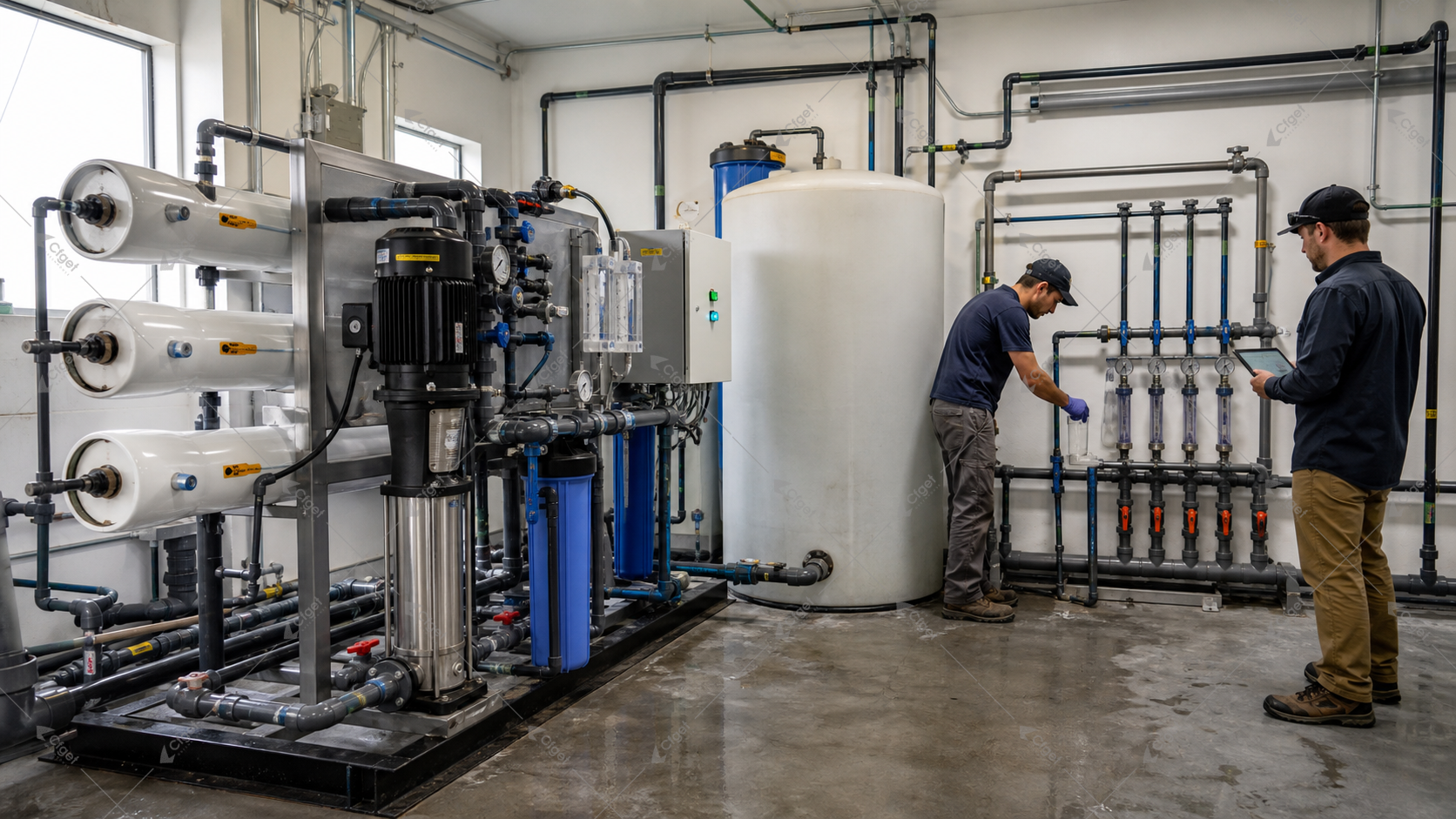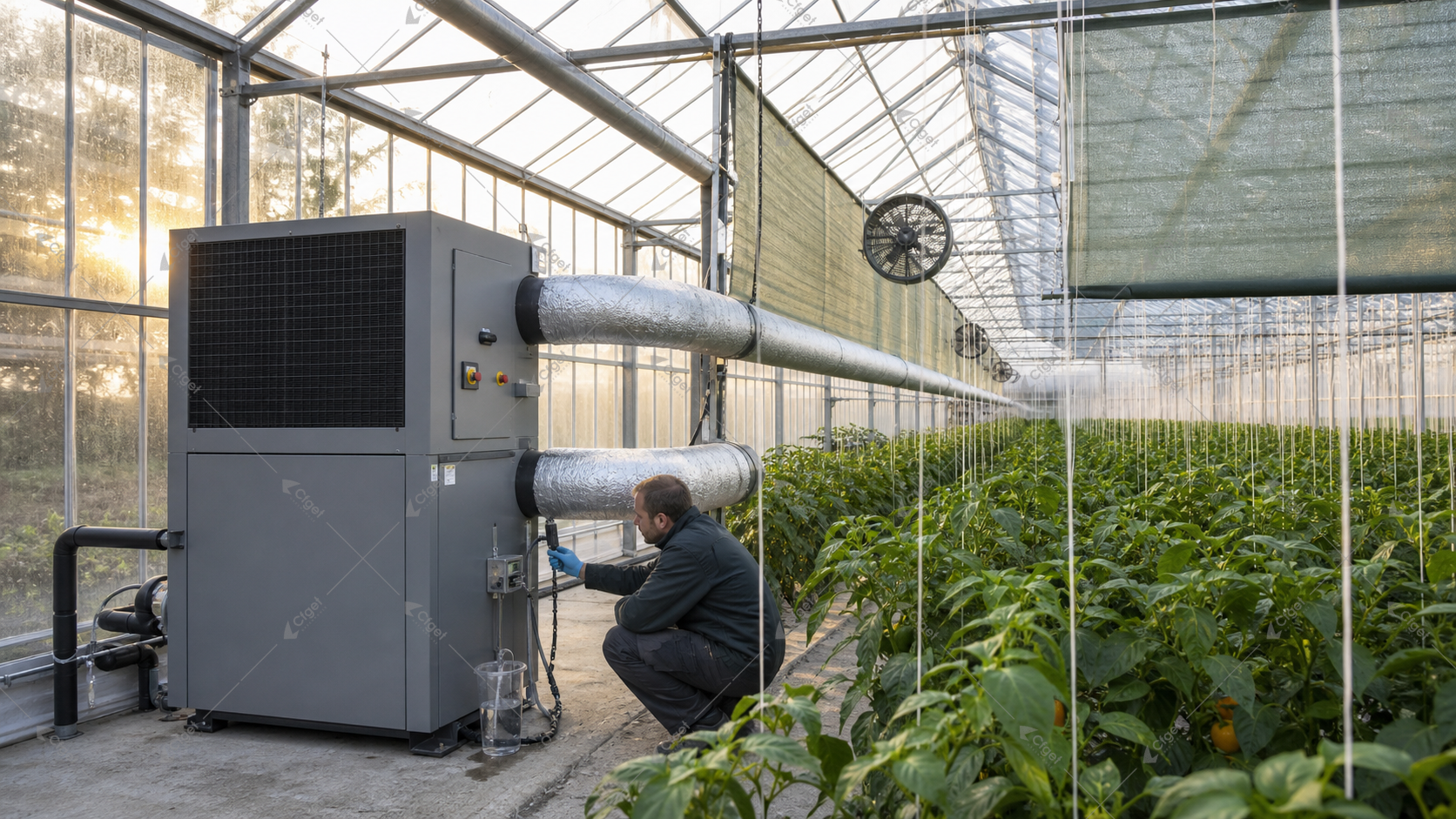
Size a greenhouse boiler from project-specific hourly heat loss, then verify distribution capacity, fuel and altitude derating, redundancy, and low-load turndown. Acceptance must prove crop-zone temperature at design conditions without unstable cycling in milder weather.
*By Coraline Liao, CEO, CFGET | Updated: September 20, 2026*
*Reviewed by CFGET Project Planning Team*
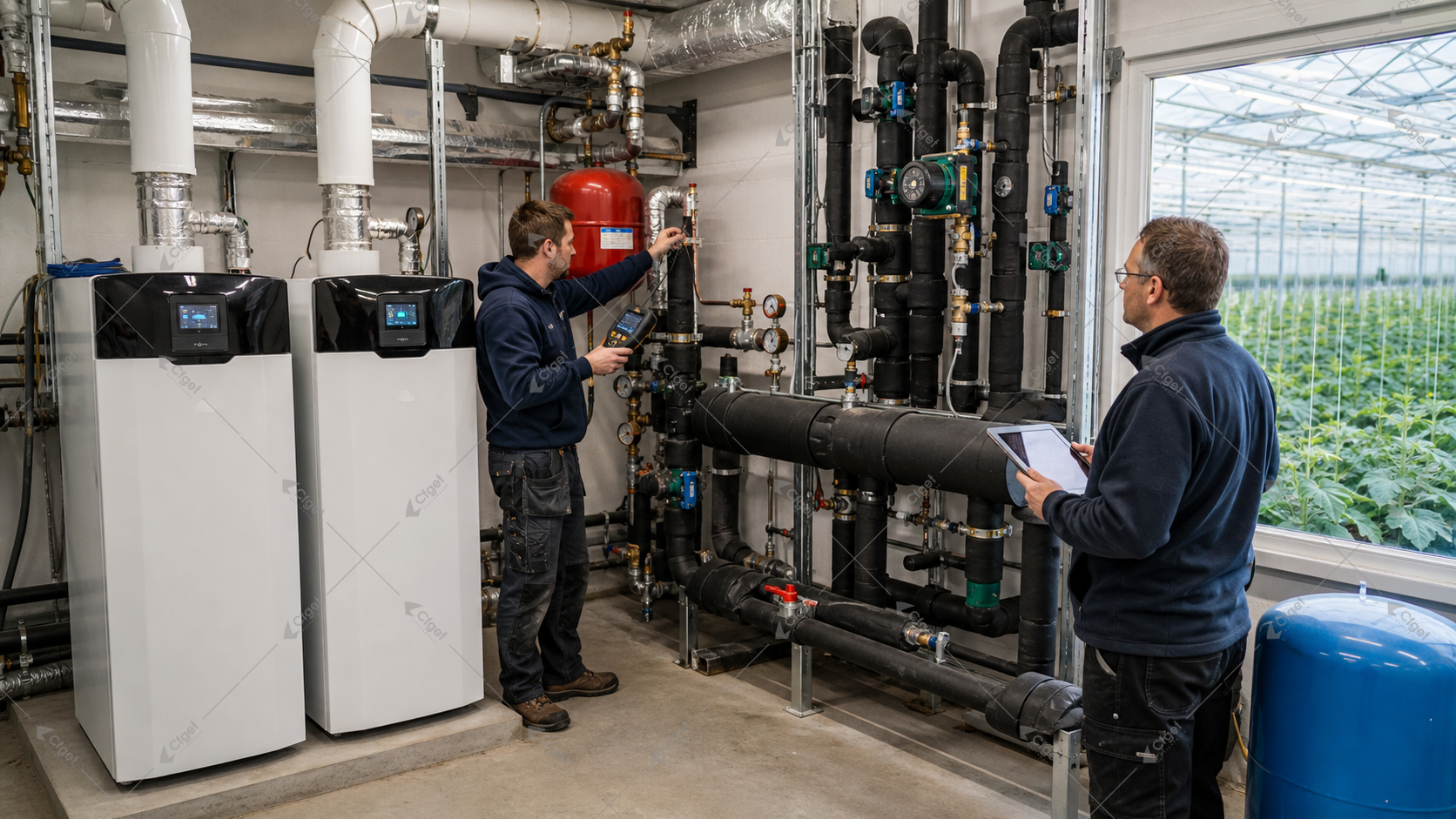
A boiler selected from greenhouse floor area can be too small on the coldest windy hour and too large for most of the season. The first failure freezes the crop; the second causes cycling, poor efficiency, uneven heat, and avoidable wear.
Use this with our Commercial Greenhouse Buying Guide topic cluster. For a full project, keep it beside Commercial Greenhouse Solutions so the structure, systems, and crop plan do not drift apart.
Where should the decision start?
- State the project-specific outdoor design condition, wind or infiltration basis, indoor setpoint by zone, and whether the screen is available in the governing hour.
- Calculate transmission through each envelope area, perimeter and ground effects where applicable, infiltration, ventilation, distribution losses, and any deliberate warm-up allowance separately.
- Check boiler output at the actual fuel, altitude, supply and return temperatures, and fouling assumptions; catalogue input is not delivered crop heat.
- Test the coldest practical operating case, low-load staging, pump and valve failure, alarms, frost protection, and temperature uniformity at crop level.
Key facts worth checking
| Heating input | What to establish | Evidence |
| Load | Design weather, setpoints, envelope areas and U-values, infiltration, screen, and warm-up | Zone-by-zone heat-loss calculation |
| Plant | Net output, fuel, altitude, turndown, staging, pumps, and redundancy | Manufacturer data at project conditions |
| Delivery | Pipe or air capacity, temperatures, balancing, controls, and crop uniformity | Hydronic calculation and trend test |
My project review method
I would calculate the controlling hour from the actual envelope and weather, confirm the distribution system can deliver that heat, derate the plant for project conditions, then test both peak-load resilience and mild-weather turndown before accepting boiler capacity.
What I would inspect in the drawings
- I would calculate the house by envelope surface and operating zone before deciding the plant-room arrangement; identical floor areas can have very different exposed area and leakage.
- An energy screen can lower nighttime transmission, but only if its thermal data, edge sealing, deployment reliability, condensation behaviour, and failure position are part of the design case.
- Two boilers provide little resilience when they share one fuel train, one pump, one controller, or a distribution bottleneck, so redundancy has to be checked through the complete heat path.
What the buyer needs to fix in writing
| Buyer question | What to decide before requesting a price | Why it protects the project |
| Design basis | Load: Design weather, setpoints, envelope areas and U-values, infiltration, screen, and warm-up | Zone-by-zone heat-loss calculation |
| Difficult operating case | Plant: Net output, fuel, altitude, turndown, staging, pumps, and redundancy | Manufacturer data at project conditions |
| Acceptance evidence | Delivery: Pipe or air capacity, temperatures, balancing, controls, and crop uniformity | Hydronic calculation and trend test |
Evidence pack
Use the following evidence to challenge the design basis. A checklist item is useful only when the supplier attaches a value, drawing, calculation, test, or named responsibility.
Climate and project assumptions to confirm
- Confirm the project-specific design case: Outdoor condition, wind basis, indoor setpoint, and screen state. State who verifies it and when.
- Confirm the project-specific calculated load: Transmission, air loss, distribution, and warm-up shown separately. State who verifies it and when.
- Confirm the project-specific available output: Net boiler output at fuel, altitude, and water temperatures. State who verifies it and when.
Sources worth checking
- Texas A&M greenhouse heating-requirements guide
- University of Vermont greenhouse heat-loss calculation guide
- UConn commercial greenhouse design resource
Neutral source to keep beside the quote
CFGET project planning note
CFGET’s review would begin by reconciling design weather, setpoints, envelope areas and u-values, infiltration, screen, and warm-up with zone-by-zone heat-loss calculation, then marking every unresolved interface on the drawings and responsibility matrix.
Buyer risk signal
Pause the comparison when capacity is quoted per square metre; only catalogue input capacity is shown; or the boiler is fired briefly with no crop-zone acceptance test.
Ask the supplier for these exact specs
Require a completed response for Design case, Calculated load, Available output, Acceptance, supported by the relevant drawings, calculations, settings, or test records. Do not accept “standard” or “as required” where a project value can be stated.
Project video: greenhouse project reference
This field video gives a quick project visual to read beside the specifications and RFQ checklist.
What belongs in a greenhouse design heat-loss calculation?
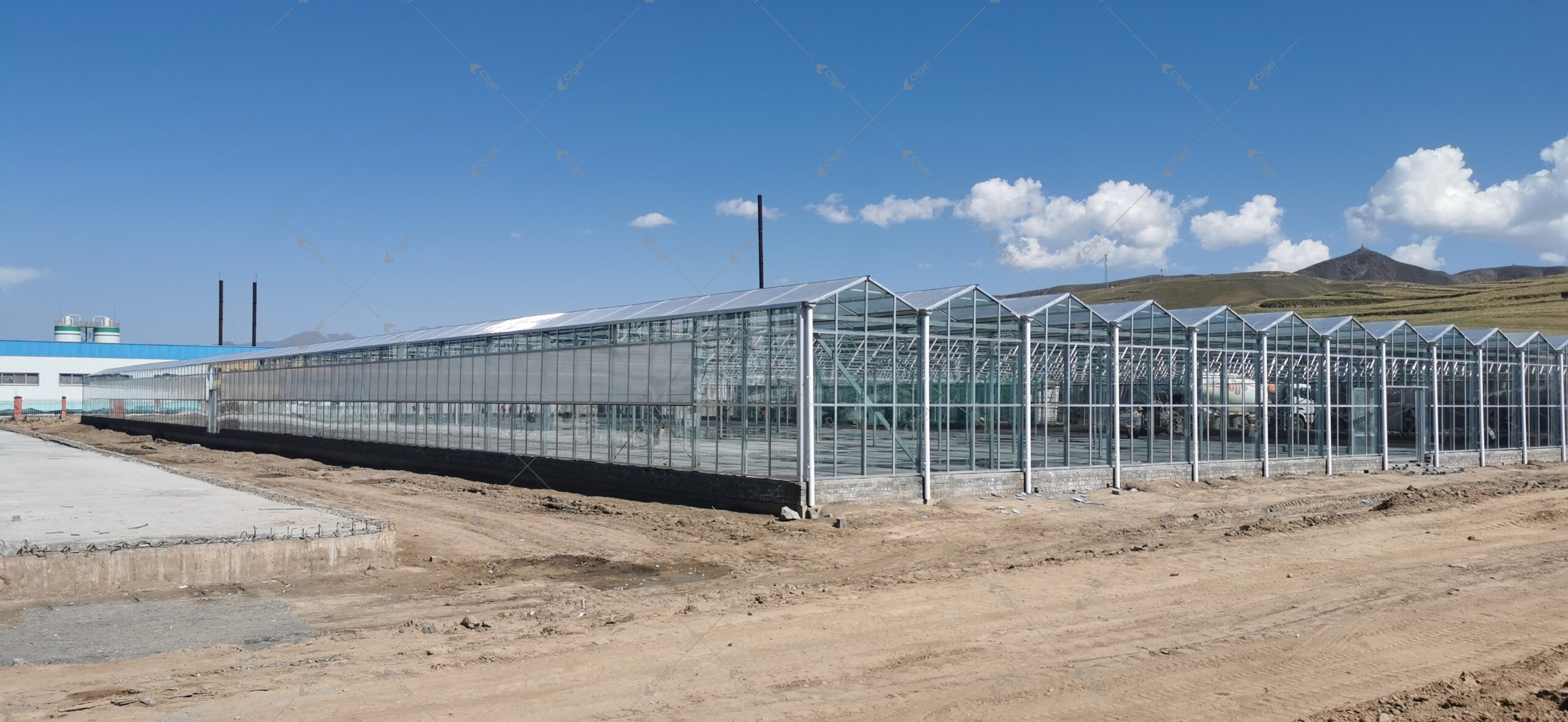
Define the operating cases before opening a boiler catalogue. Include the normal cold-night setpoint, a screen-open or failed-screen condition if credible, wind exposure, infiltration or leakage, minimum ventilation, crop and equipment zones, and the acceptable recovery after an interruption.
Measure roof, wall, end, door, foundation-edge, and attached-space areas separately and apply the correct assembly performance. Keep transmission, infiltration, intentional ventilation, pipe losses, and warm-up load visible so assumptions can be changed without hiding a safety factor inside one number.
Technical reference for this decision: Root Zone Heating Systems for Greenhouses – Farm Energy.
How do distribution, redundancy, fuel, and turndown change boiler selection?
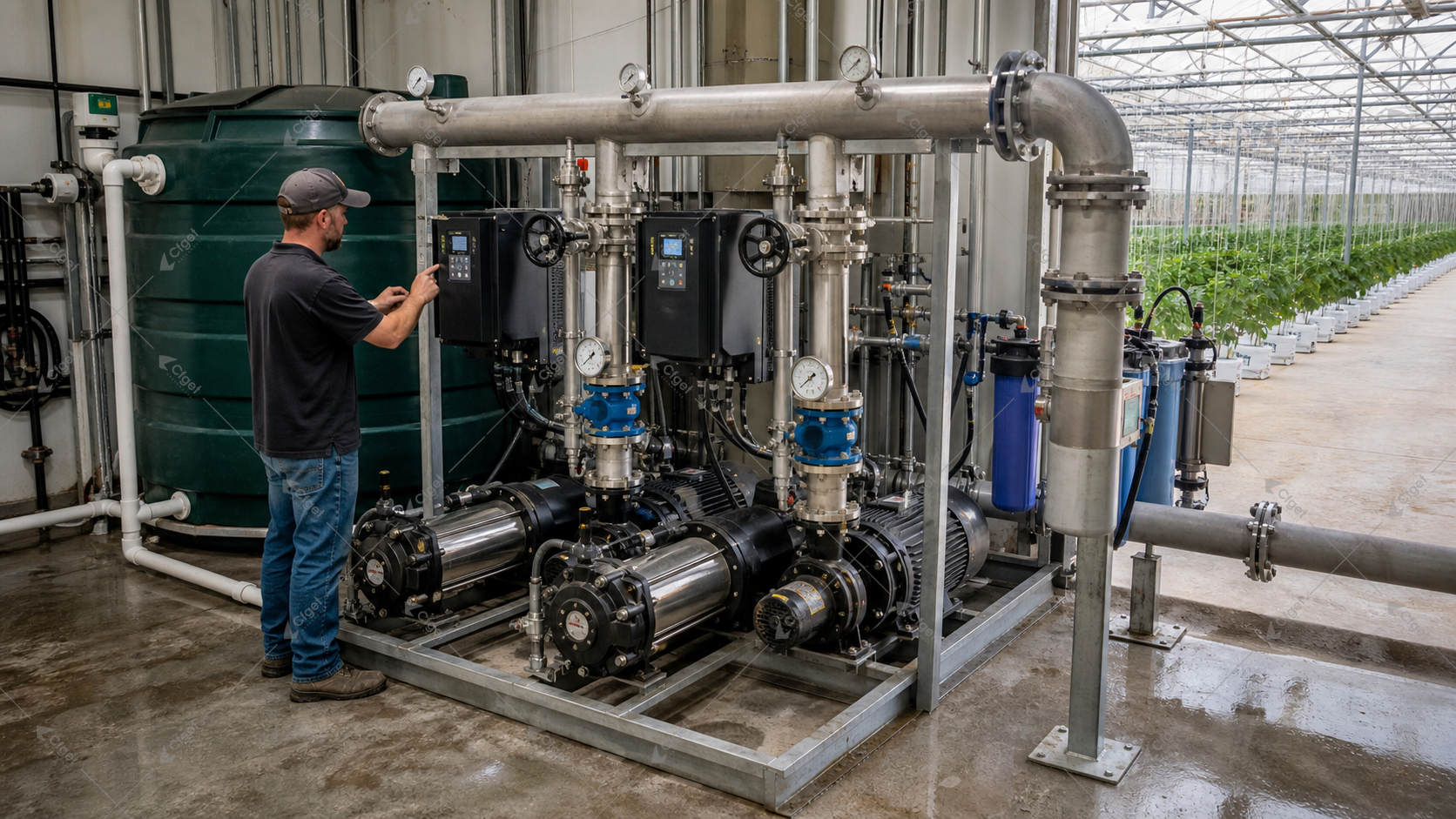
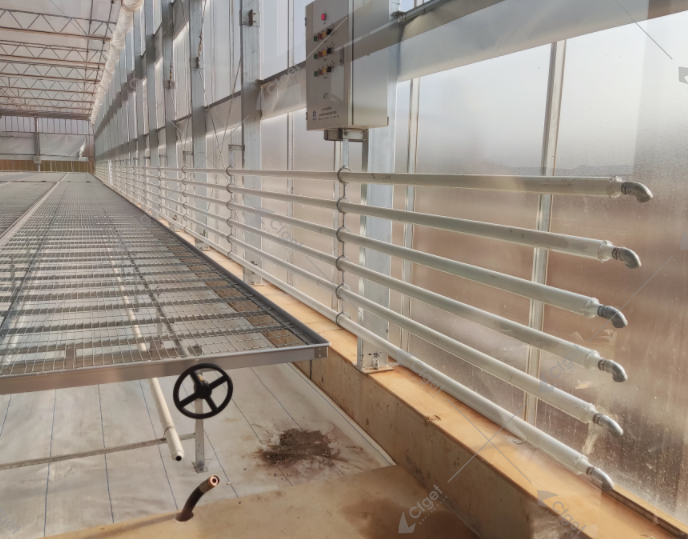
Match boiler output to the water temperatures and return conditions the distribution system requires. Confirm burner modulation, minimum stable output, cycling volume, pumps, hydraulic separation, expansion, air removal, water treatment, freeze protection, flue, combustion air, fuel pressure, and altitude derating.
Decide what capacity remains after the largest credible failure. Redundancy may protect only critical zones rather than full production, but the emergency setpoint, valve positions, pump arrangement, fuel autonomy, manual control, and operator response must be written.
Technical reference for this decision: Texas A&M greenhouse heating-requirements guide.
| Check | Good sign | Risk sign |
| Load | Every envelope and air-loss assumption is visible | Capacity is quoted per square metre |
| Plant | Net output, turndown, fuel, altitude, and return temperature are checked | Only catalogue input capacity is shown |
| Proof | Peak, low-load, and failure cases are trended | The boiler is fired briefly with no crop-zone acceptance test |
What to request from a supplier
Ask for design weather and indoor cases, envelope takeoff and U-values, infiltration basis, screen assumptions, zone loads, warm-up allowance, boiler net-output and efficiency curves, fuel and altitude data, turndown and staging, hydraulic diagram, pumps and valves, expansion and water treatment, flue and combustion air, redundancy case, controls, alarms, commissioning procedure, and crop-zone acceptance limits.
Which commissioning tests prove the heating system works?
Commission burners and safeties first, then balance heat delivery. Record fuel conditions, combustion results, supply and return temperatures, flows or differential pressures, valve positions, pump current, zone temperatures, outside conditions, screen state, and recovery time.
Trend both high and low load. Confirm staging without rapid cycling, crop-zone uniformity, frost alarms, pump or sensor failure response, power restoration, manual operation, and the result when one boiler or common component is unavailable.
Technical reference for this decision: University of Vermont greenhouse heat-loss calculation guide.
| RFQ field | Example | Why it matters |
| Design case | Outdoor condition, wind basis, indoor setpoint, and screen state | Defines the controlling hour |
| Calculated load | Transmission, air loss, distribution, and warm-up shown separately | Keeps assumptions auditable |
| Available output | Net boiler output at fuel, altitude, and water temperatures | Prevents catalogue oversimplification |
| Acceptance | Zone trend at peak and low load with one failure case | Proves capacity and control |
Practical next step
Prepare one page covering Design case, Calculated load, Available output, Acceptance. Add the project city, crop, greenhouse area, available utilities, relevant drawings, and the party responsible for local work. Send that evidence to [email protected] for a first technical-scope review.
Before you use this recommendation
- Treat the article as a decision and RFQ guide, not a final engineering design.
- Replace every example with project-specific climate, crop, utility, code, and operating data.
- Require calculations, drawings, test records, or named assumptions for every important supplier claim.
Research and review method
This guide combines the current search evidence listed above with a greenhouse project planning checklist: define the failure case, trace the interfaces, identify measurements, and turn unresolved assumptions into RFQ fields. CFGET observations are labeled as project-review judgment; local engineering and operating data remain the final authority.
Coraline Liao is CEO of CFGET. Her public LinkedIn profile describes her as a Greenhouse Technical Director with more than 15 years in the greenhouse industry, focused on customized climate-control and greenhouse solutions. Her published technical topics include greenhouse structures, climate control, light management, hydroponics, and fertigation. Her article reviews begin with the crop, climate, site, project scope, installation boundaries, and operating constraints. Technical recommendations should be adapted to local climate data, crop plans, budgets, and professional engineering review before implementation.
Professional profile: Coraline Liao on LinkedIn
Company details
CFGET: Founded in 1996, CFGET designs, manufactures, and delivers greenhouse systems and smart farming solutions from its own factory in Sichuan, China.
Address: NO 108, South Area Chengdu Modern Industrial Park, Sichuan, China
Email: [email protected]
About the company: https://cfgreenway.com/about/
Company profile: GreenWay on LinkedIn
Technical videos: Greenhouse project channel on YouTube
Where this fits in the greenhouse buying cluster
Start with the hub, then open the system or crop pages that match your decision.