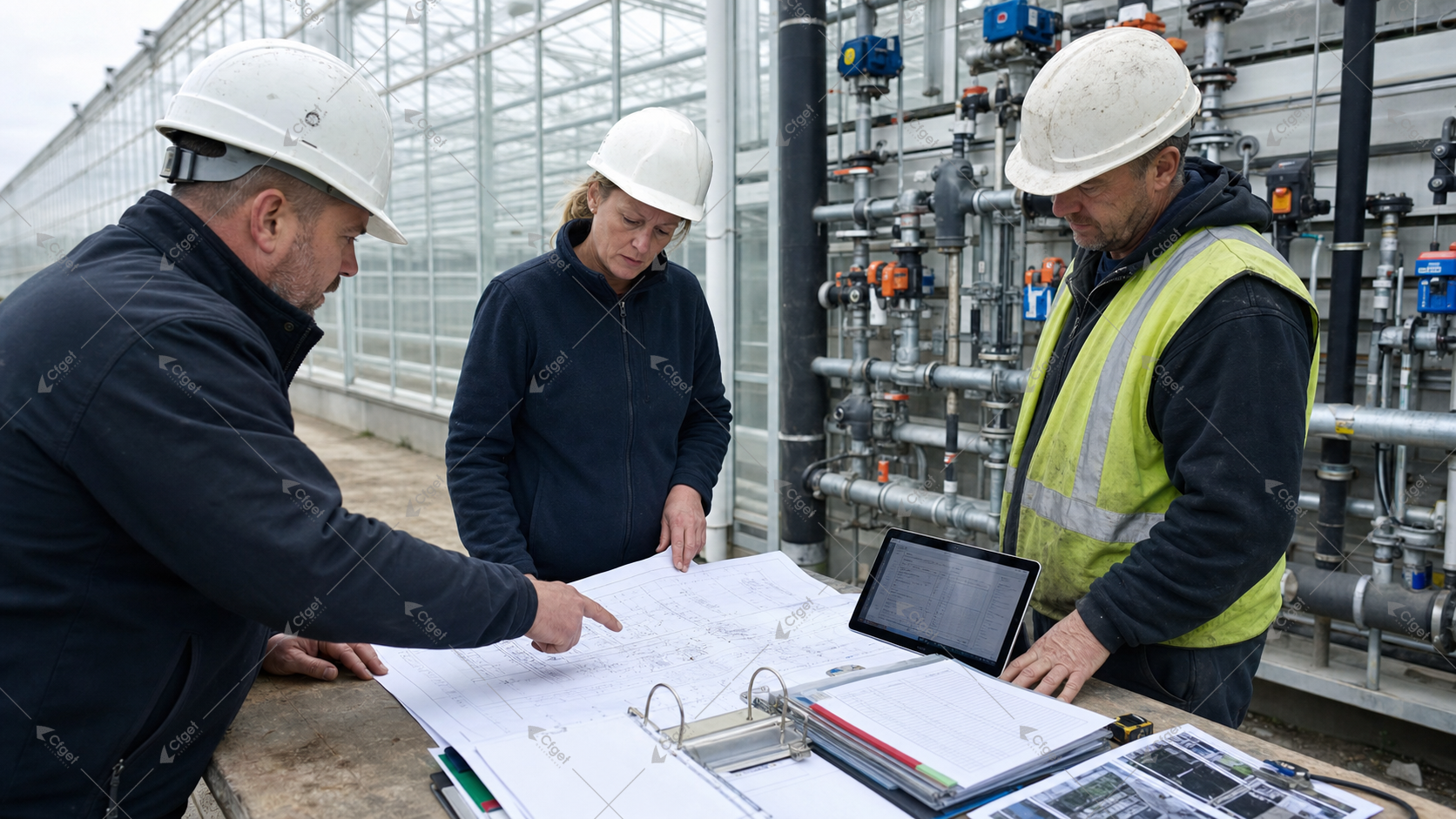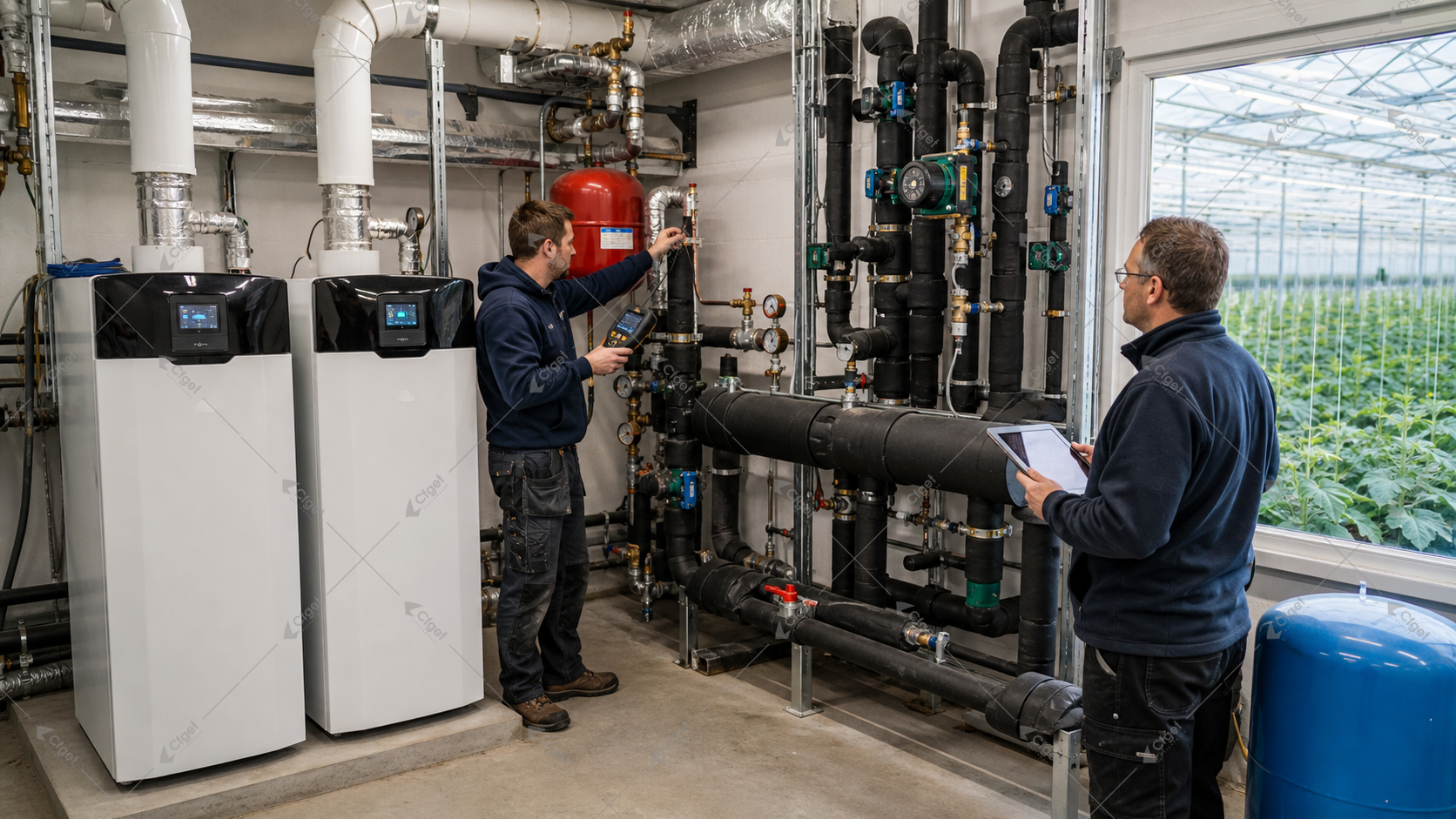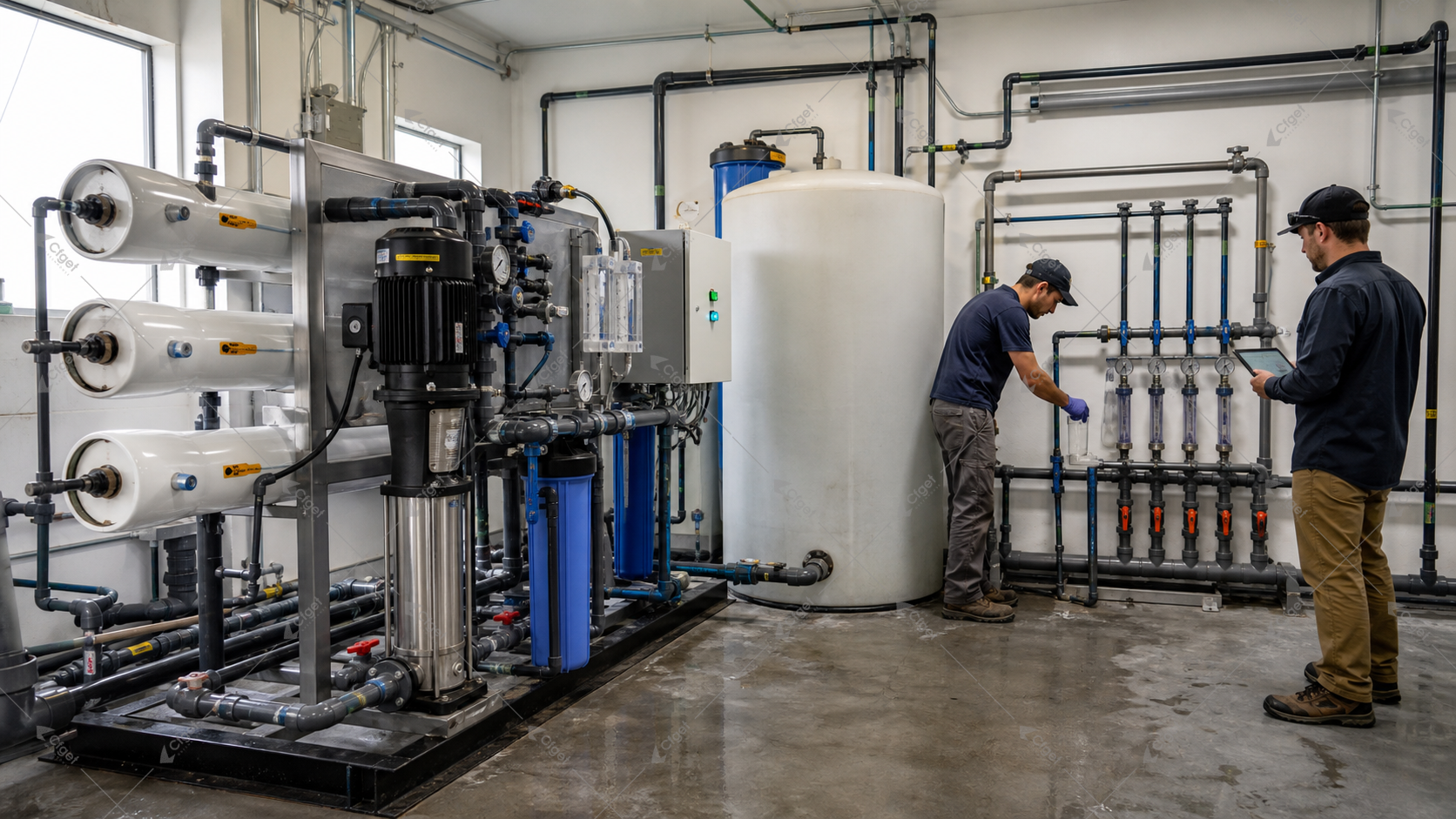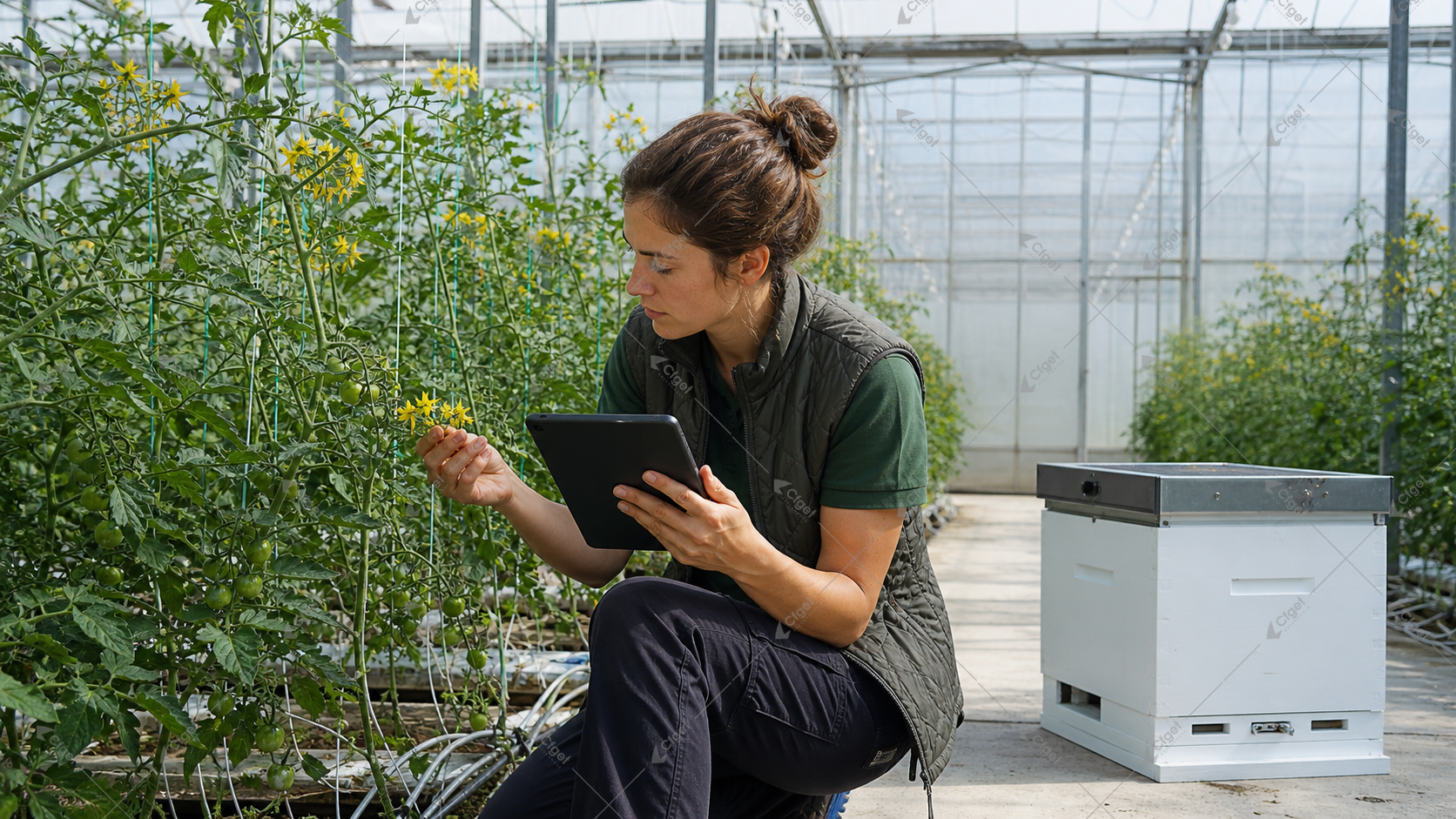
Inspect a greenhouse by tracing each load path from covering and equipment through framing, bracing, anchors, and foundations. Record movement, deformation, corrosion, loose connections, added loads, drainage defects, and clear thresholds for restricted use or engineering review.
*By Coraline Liao, CEO, CFGET | Updated: September 22, 2026*
*Reviewed by CFGET Project Planning Team*
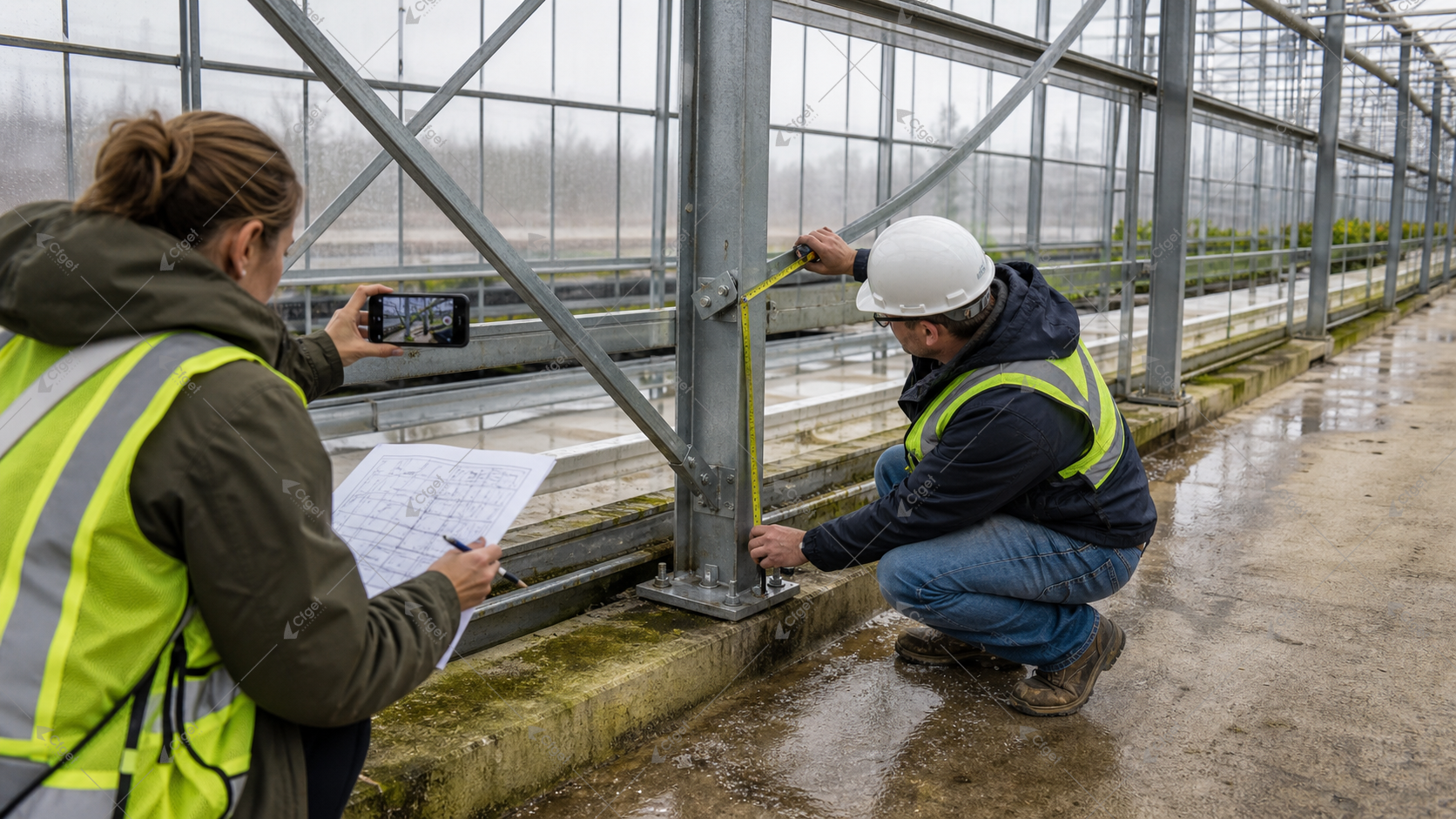
A greenhouse can look serviceable from the aisle while a loose brace, shifted anchor, cracked base, blocked gutter, or overloaded attachment has already weakened the load path. A useful inspection follows forces through the structure and defines when operations must stop for engineering review.
Use this with our Commercial Greenhouse Buying Guide topic cluster. For a full project, keep it beside Commercial Greenhouse Solutions so the structure, systems, and crop plan do not drift apart.
Where should the decision start?
- Start with design drawings, load criteria, as-built changes, repair history, and every later attachment that adds weight or wind area.
- Trace roof, wall, equipment, and bracing forces to anchors and foundations instead of inspecting members as isolated pieces.
- Escalate buckling, permanent deformation, connection movement, foundation cracking, anchor distress, section loss, or a changed load path rather than covering it with a cosmetic repair.
- Use dated locations, dimensions, photographs, measurements, action owners, temporary controls, and closeout evidence so the next inspection can detect change.
Key facts worth checking
| Inspection basis | What to establish | Evidence |
| Structure | Design loads, load path, bracing system, connections, and permitted attachments | Drawings and change register |
| Condition | Movement, deformation, corrosion, cracking, loose parts, drainage, and damage | Located measurements and photographs |
| Action | Immediate controls, engineering threshold, repair method, and reinspection | Signed defect and closeout log |
My project review method
I would reconstruct the intended load path, compare it with the as-built greenhouse and later attachments, inspect the most exposed bays after the relevant event, then separate routine defects from conditions that require restricted use and structural engineering review.
What I would inspect in the drawings
- I would walk the exterior first after wind, snow, impact, or flooding because displaced covering, gutters, doors, vents, and drainage often point to the bay that deserves closer internal review.
- New screens, lighting, ducts, crops, pipe rails, solar equipment, or suspended utilities can change loading; an unchanged frame does not mean the structural demand stayed unchanged.
- A checklist should allow the inspector to say stop and call the engineer. If every item can only be marked acceptable or repaired, serious uncertainty will be pushed into ordinary maintenance.
What the buyer needs to fix in writing
| Buyer question | What to decide before requesting a price | Why it protects the project |
| Design basis | Structure: Design loads, load path, bracing system, connections, and permitted attachments | Drawings and change register |
| Difficult operating case | Condition: Movement, deformation, corrosion, cracking, loose parts, drainage, and damage | Located measurements and photographs |
| Acceptance evidence | Action: Immediate controls, engineering threshold, repair method, and reinspection | Signed defect and closeout log |
Evidence pack
Use the following evidence to challenge the design basis. A checklist item is useful only when the supplier attaches a value, drawing, calculation, test, or named responsibility.
Climate and project assumptions to confirm
- Confirm the project-specific reference: Drawing grid, component tag, and governing load path. State who verifies it and when.
- Confirm the project-specific condition: Location, dimensions, movement, corrosion, and photographs. State who verifies it and when.
- Confirm the project-specific immediate control: Restrict bay, remove loose item, or monitor movement. State who verifies it and when.
Sources worth checking
- University of Kentucky severe-weather greenhouse inspection guide
- UConn commercial greenhouse design resource
- UMass greenhouse selection and building resource
Neutral source to keep beside the quote
CFGET project planning note
CFGET’s review would begin by reconciling design loads, load path, bracing system, connections, and permitted attachments with drawings and change register, then marking every unresolved interface on the drawings and responsibility matrix.
Buyer risk signal
Pause the comparison when the inspection starts without a design or as-built reference; only general appearance is recorded; or serious movement is assigned to ordinary maintenance.
Ask the supplier for these exact specs
Require a completed response for Reference, Condition, Immediate control, Closeout, supported by the relevant drawings, calculations, settings, or test records. Do not accept “standard” or “as required” where a project value can be stated.
Project video: greenhouse project reference
This field video gives a quick project visual to read beside the specifications and RFQ checklist.
Which documents and load paths should the inspection follow?
Collect the structural drawings, calculations or design statement, material and coating specifications, foundation assumptions, bolt and anchor details, erection records, previous repairs, and local event history. Mark any installed item that is absent from the drawings.
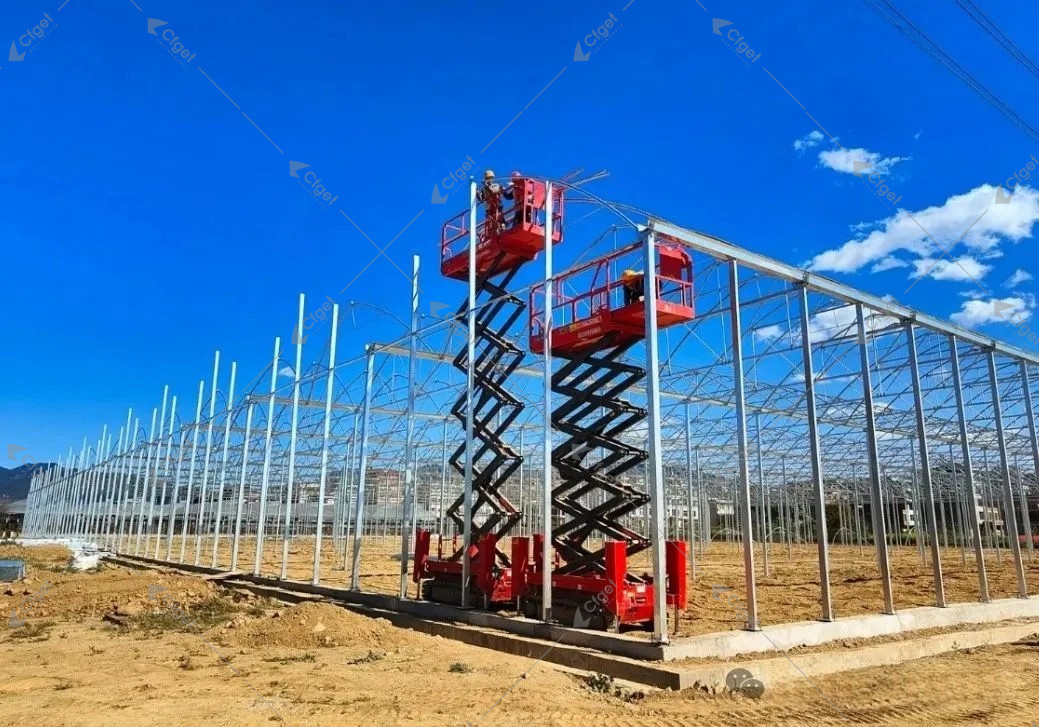
Follow each load path in order. Roof covering and equipment transfer load into secondary members, main frames, columns, bracing, anchors, and foundations. Sidewalls, end walls, doors, vents, screens, gutters, and attached buildings can introduce separate forces or discontinuities.
Technical reference for this decision: Registrants Project Checklist: New Greenhouse Installation….

What damage requires immediate action or engineering review?
Look for permanent bends, local buckling, out-of-plane members, open joints, elongated holes, missing fasteners, slipped clamps, brace slack, cracked welds, anchor movement, concrete cracking or settlement, section loss, trapped water, and details rubbing against the covering.
Stop or restrict access where instability, falling components, sharp damaged glazing, electrical contact, blocked exits, or progressive movement is plausible. Temporary shoring, snow removal, opening vents, or cutting a member can change forces and should not be improvised without competent direction.
Technical reference for this decision: University of Kentucky severe-weather greenhouse inspection guide.
| Check | Good sign | Risk sign |
| Basis | Drawings, loads, attachments, and changes are available | The inspection starts without a design or as-built reference |
| Method | Load paths and repeated locations are measured | Only general appearance is recorded |
| Escalation | Stop-use and engineer-review criteria are written | Serious movement is assigned to ordinary maintenance |
What to request from a supplier
Ask for the design basis, structural and foundation drawings, material and connection schedules, as-built changes, attachment register, previous defects and repairs, inspection map, measurement methods, event-triggered inspection rules, temporary-control procedure, engineer-review thresholds, repair approval route, and signed closeout records.
How should findings be recorded, repaired, and closed out?
Give every finding a bay, grid, elevation, component tag, photograph, dimension, severity, immediate control, responsible party, due date, and required verifier. Keep uncertain findings separate from routine maintenance.
Closeout should include the approved repair, material certificates where relevant, installation photographs, torque or test records, coating repair, updated drawings, and reinspection. Trend repeated movement or corrosion at the same location instead of resetting the record after each repair.
Technical reference for this decision: UConn commercial greenhouse design resource.
| Inspection field | Example | Why it matters |
| Reference | Drawing grid, component tag, and governing load path | Makes the finding traceable |
| Condition | Location, dimensions, movement, corrosion, and photographs | Allows severity and change to be judged |
| Immediate control | Restrict bay, remove loose item, or monitor movement | Protects people and crop while the defect is reviewed |
| Closeout | Approved repair, evidence, updated drawing, and reinspection | Prevents an open defect from disappearing |
Practical next step
Prepare one page covering Reference, Condition, Immediate control, Closeout. Add the project city, crop, greenhouse area, available utilities, relevant drawings, and the party responsible for local work. Send that evidence to [email protected] for a first technical-scope review.
Before you use this recommendation
- Treat the article as a decision and RFQ guide, not a final engineering design.
- Replace every example with project-specific climate, crop, utility, code, and operating data.
- Require calculations, drawings, test records, or named assumptions for every important supplier claim.
Research and review method
This guide combines the current search evidence listed above with a greenhouse project planning checklist: define the failure case, trace the interfaces, identify measurements, and turn unresolved assumptions into RFQ fields. CFGET observations are labeled as project-review judgment; local engineering and operating data remain the final authority.
Coraline Liao is CEO of CFGET. Her public LinkedIn profile describes her as a Greenhouse Technical Director with more than 15 years in the greenhouse industry, focused on customized climate-control and greenhouse solutions. Her published technical topics include greenhouse structures, climate control, light management, hydroponics, and fertigation. Her article reviews begin with the crop, climate, site, project scope, installation boundaries, and operating constraints. Technical recommendations should be adapted to local climate data, crop plans, budgets, and professional engineering review before implementation.
Professional profile: Coraline Liao on LinkedIn
Company details
CFGET: Founded in 1996, CFGET designs, manufactures, and delivers greenhouse systems and smart farming solutions from its own factory in Sichuan, China.
Address: NO 108, South Area Chengdu Modern Industrial Park, Sichuan, China
Email: [email protected]
About the company: https://cfgreenway.com/about/
Company profile: GreenWay on LinkedIn
Technical videos: Greenhouse project channel on YouTube
Where this fits in the greenhouse buying cluster
Start with the hub, then open the system or crop pages that match your decision.
- Commercial Greenhouse Buying Guide
- Commercial Greenhouse Solutions
- Choose Greenhouse Supplier
- Project Enquiry
- Technical Downloads
- Greenhouse Project Cases