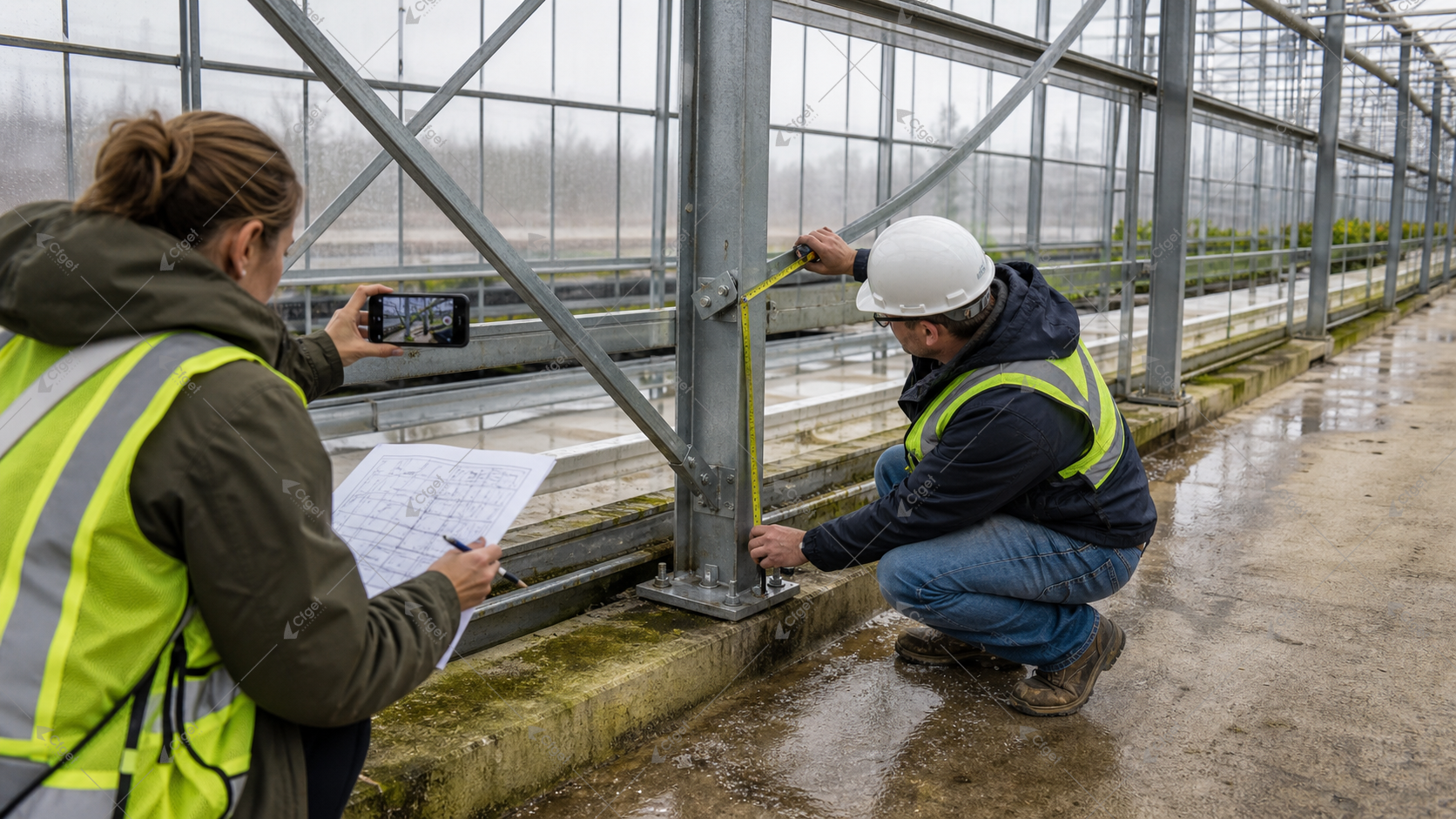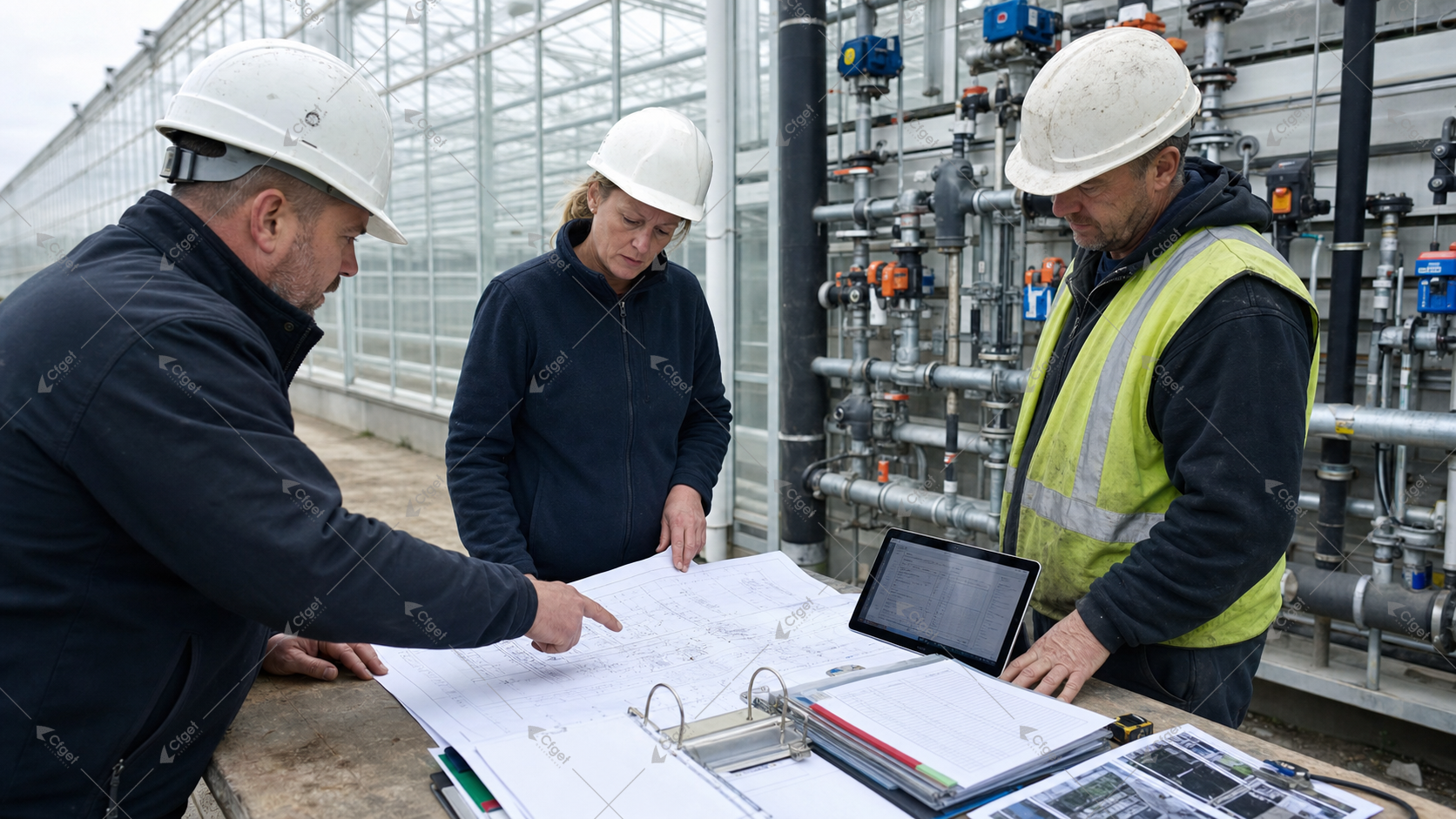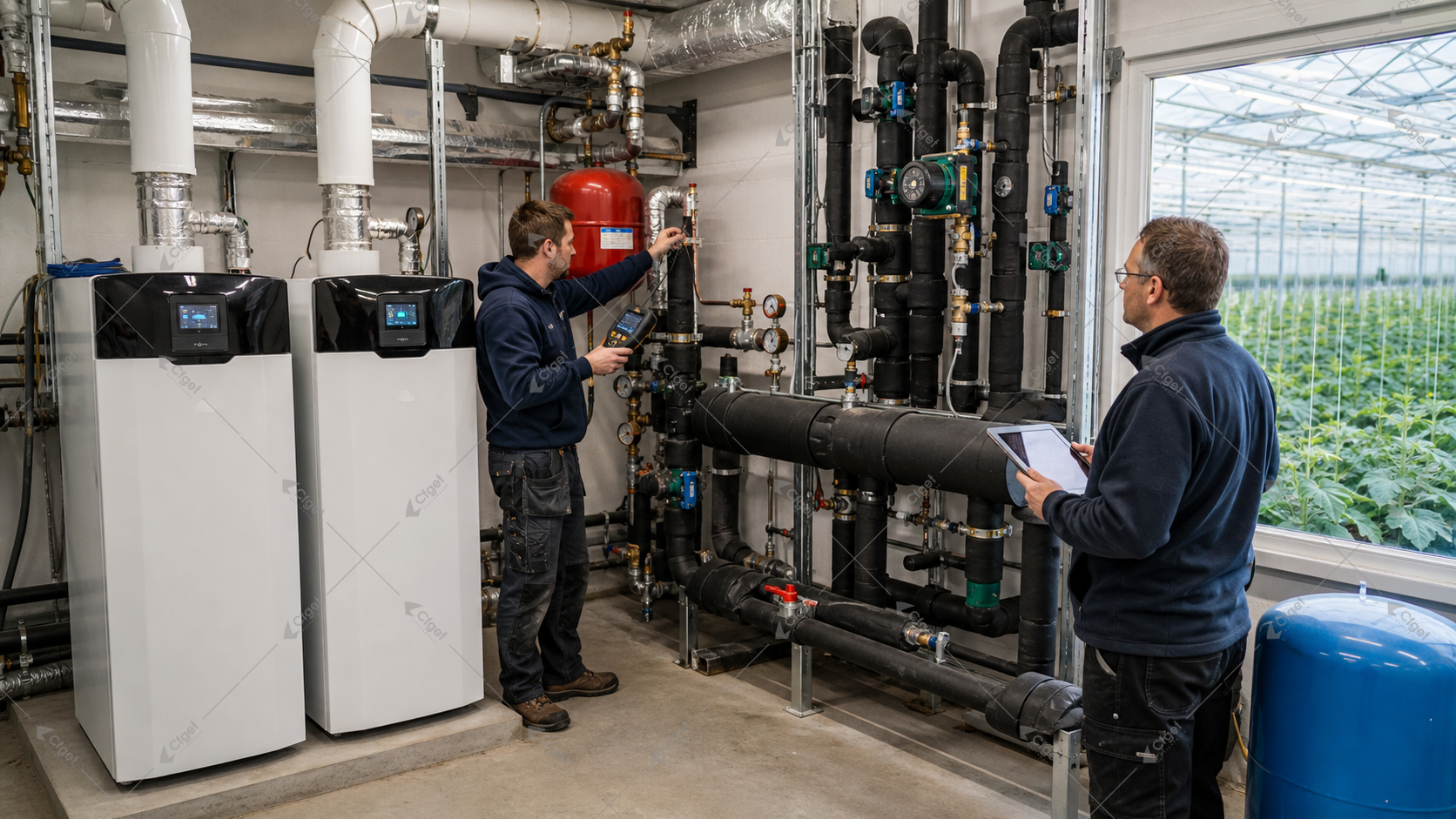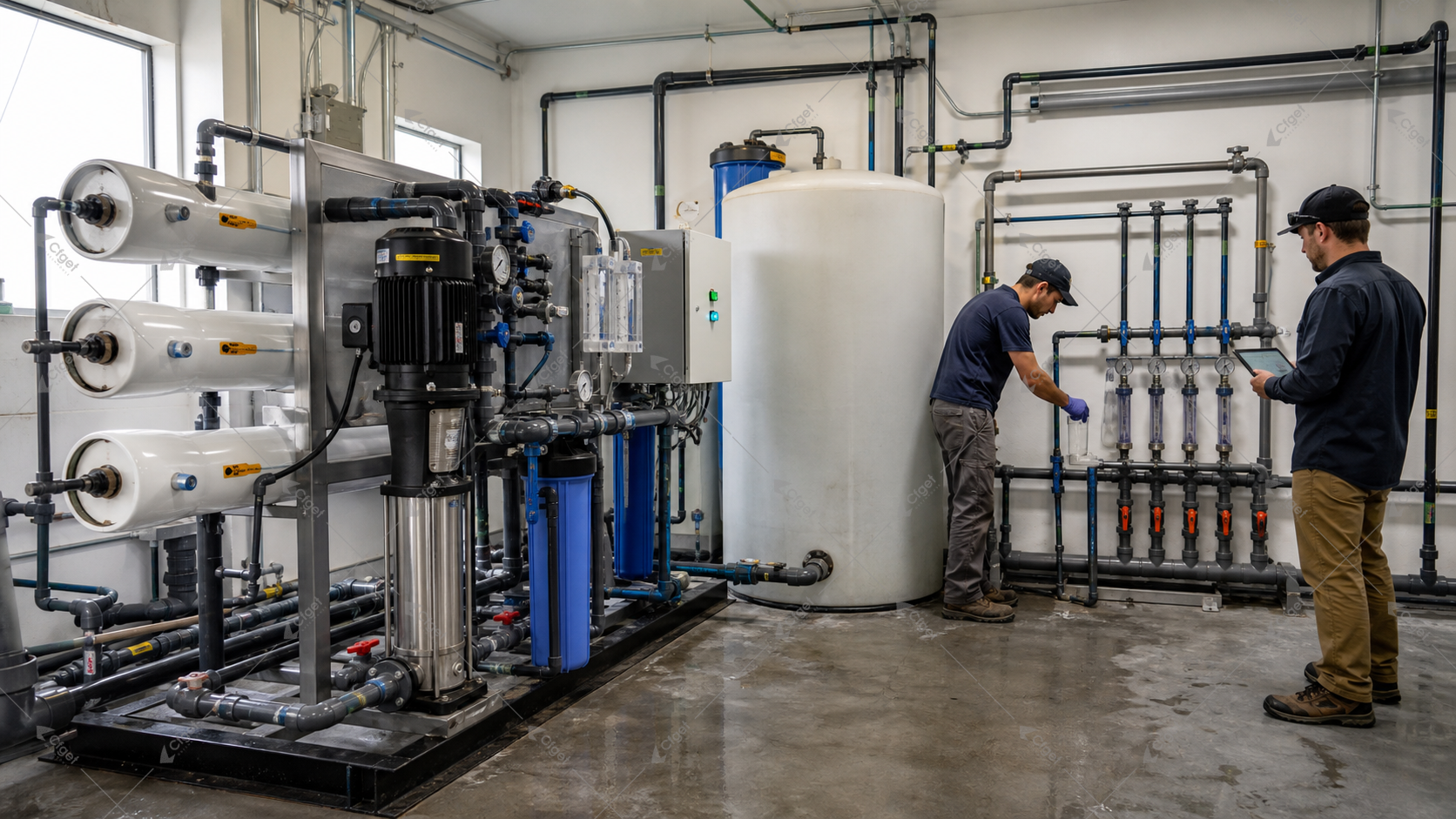
Specify greenhouse lighting uniformity by measurement plane, grid, operating state, metric, boundary, and tolerance. Model structure and screens, then commission PPFD at crop height and remeasure as crop height, dirt, dimming, or fixture output changes.
*By Coraline Liao, CEO, CFGET | Updated: September 23, 2026*
*Reviewed by CFGET Project Planning Team*
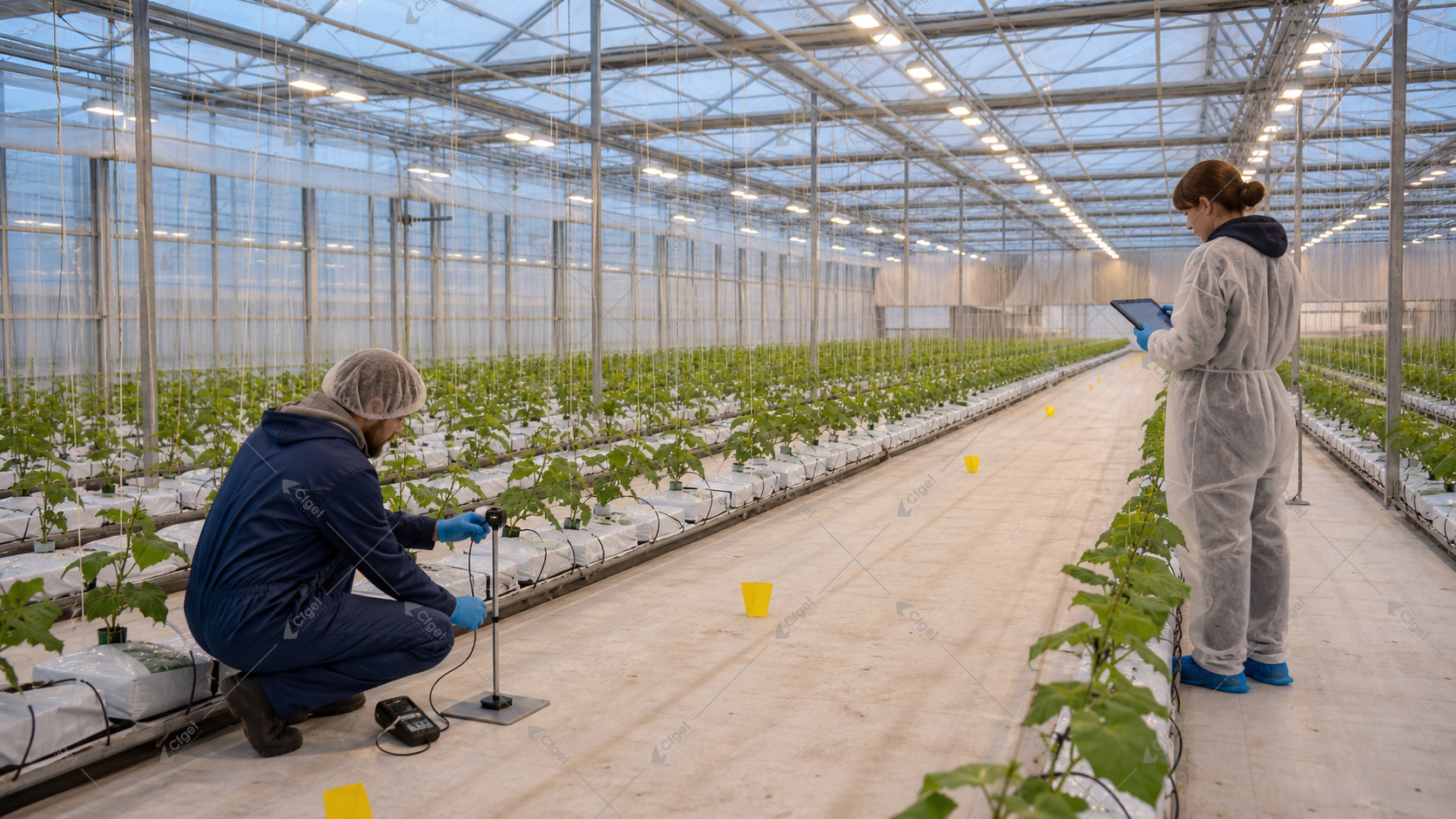
A lighting proposal can meet average PPFD on paper while crop edges, paths, fixture failures, structure shadows, and height changes create zones that receive a different daily light dose. Uniformity has to be defined, measured, and linked to the crop plane.
Use this with our Commercial Greenhouse Buying Guide topic cluster. For a full project, keep it beside Commercial Greenhouse Solutions so the structure, systems, and crop plan do not drift apart.
What matters before a supplier quotes?
- State the crop-plane height, cultivated boundary, grid spacing, included edge zones, fixture age state, screen position, and whether daylight is excluded or measured separately.
- Report average, minimum, maximum, and the selected uniformity ratio together; one average hides weak zones.
- Model trusses, gutters, screens, ducts, plants, mounting tolerance, and electrical circuits rather than using an open-room photometric plot.
- Commission every dimming zone with a calibrated quantum sensor, record electrical input and controls, and investigate spatial patterns instead of averaging them away.
Key facts worth checking
| Lighting input | What to establish | Evidence |
| Requirement | Crop plane, boundary, PPFD or DLI target, grid, metric, and tolerance | Written measurement protocol |
| Layout | Fixture data, mounting, obstructions, screens, reflectance, circuits, and dimming zones | Project-specific model |
| Acceptance | Sensor calibration, dark test, electrical state, results map, and correction | Commissioning report |
The order I would check the project
I would define the crop-plane protocol first, model the actual greenhouse and control zones, then map commissioned PPFD and electrical state point by point so weak edges, obstructions, mounting errors, and failed circuits remain visible.
Details I would challenge in the offer
- I would put measurement points at edges, under gutters, between rows, and near a zone boundary because those are the places a coarse centre-only grid tends to miss.
- A fixture layout that is uniform on an empty horizontal plane can change when the canopy rises, paths reflect differently, or a closed screen alters interreflection.
- One failed or dimmed circuit can produce a crop pattern before the operator notices an alarm, so the control system needs both electrical feedback and a practical field-check method.
Buyer checks before price comparison
| Buyer question | What to decide before requesting a price | Why it protects the project |
| Design basis | Requirement: Crop plane, boundary, PPFD or DLI target, grid, metric, and tolerance | Written measurement protocol |
| Difficult operating case | Layout: Fixture data, mounting, obstructions, screens, reflectance, circuits, and dimming zones | Project-specific model |
| Acceptance evidence | Acceptance: Sensor calibration, dark test, electrical state, results map, and correction | Commissioning report |
Evidence pack
Use the following evidence to challenge the design basis. A checklist item is useful only when the supplier attaches a value, drawing, calculation, test, or named responsibility.
Climate and project assumptions to confirm
- Confirm the project-specific measurement plane: Crop height, cultivated boundary, and point grid. State who verifies it and when.
- Confirm the project-specific operating state: Fixtures, dimming, screens, and daylight treatment. State who verifies it and when.
- Confirm the project-specific metric: Average, minimum, maximum, and stated ratio. State who verifies it and when.
Sources worth checking
- SELECTION AND PLACEMENT OF GREENHOUSE…
- Wageningen University greenhouse light-measuring protocol
- UConn commercial greenhouse design resource
Neutral source to keep beside the quote
CFGET project planning note
CFGET’s review would begin by reconciling crop plane, boundary, ppfd or dli target, grid, metric, and tolerance with written measurement protocol, then marking every unresolved interface on the drawings and responsibility matrix.
Buyer risk signal
Pause the comparison when the proposal promises uniform light; an open-room average is used; or only several centre readings are averaged.
Ask the supplier for these exact specs
Require a completed response for Measurement plane, Operating state, Metric, Acceptance, supported by the relevant drawings, calculations, settings, or test records. Do not accept “standard” or “as required” where a project value can be stated.
Project video: greenhouse structure options
This field video gives a quick look at greenhouse structure options before you compare drawings, covering materials, ventilation, and supplier scope.
How should a greenhouse lighting-uniformity requirement be defined?
Define the cultivated area and measurement plane before selecting a ratio. State crop height or representative planes, excluded aisles, perimeter treatment, point spacing, warm-up time, screen and curtain states, dimming command, and whether solar contribution is absent, subtracted, or mapped separately.
Keep the full result set. Average PPFD, minimum, maximum, standard deviation or chosen uniformity ratio, and a point map answer different questions. The contract should state which metric controls acceptance and how sensor uncertainty and fixture tolerance are handled.
Technical reference for this decision: The Importance of Light Uniformity – Michigan State University.
Which layout and operating conditions change the crop-plane result?
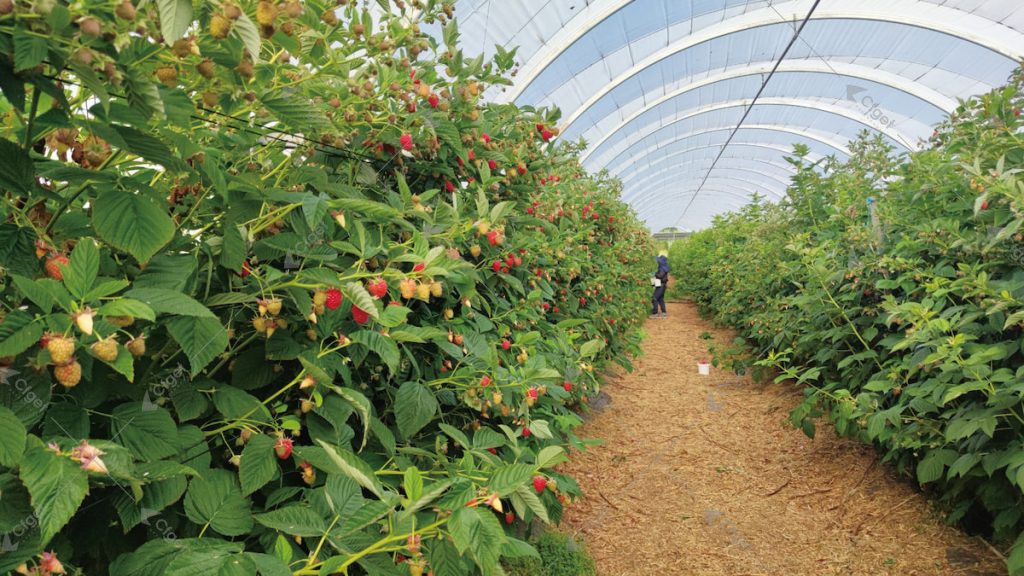
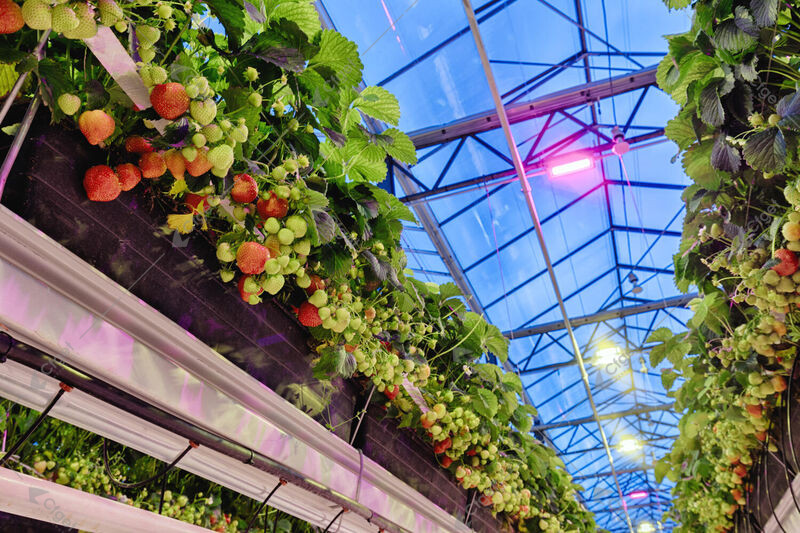
Use project photometric files and actual coordinates. Include fixture orientation and mounting height, trusses, gutters, columns, ducts, screens, crop support, edge walls, reflectance assumptions, driver and voltage tolerance, dirty or maintained output assumptions, and the loss of one circuit where crop consequence is high.
Coordinate dimming zones with crop zones and daylight sensors. A single sensor or zone can drive dissimilar bays incorrectly when roof orientation, shade, crop height, or fixture spacing changes across the house.
Technical reference for this decision: SELECTION AND PLACEMENT OF GREENHOUSE….
| Check | Good sign | Risk sign |
| Requirement | Plane, grid, boundary, metric, and operating state are written | The proposal promises uniform light |
| Model | Greenhouse obstructions and tolerances are included | An open-room average is used |
| Acceptance | A calibrated point map and electrical record are delivered | Only several centre readings are averaged |
What to request from a supplier
Ask for crop and DLI basis, required PPFD and photoperiod, measurement plane and cultivated boundary, grid and uniformity metric, project photometric model, fixture files and maintained output, mounting tolerance, structural and screen geometry, reflectance assumptions, electrical circuits, dimming and daylight zones, sensor specifications, commissioning protocol, point map, correction process, cleaning, and remeasurement plan.
How should PPFD, dimming, and daylight integration be commissioned?
Measure after installation with a calibrated quantum sensor held level at the stated plane. Record every fixture and circuit state, dimming command, supply voltage, screen position, outside light condition, sensor serial and calibration, grid coordinates, and any inaccessible point.
Compare the spatial map with the model, then correct aiming, height, spacing, output, zone logic, failed equipment, or obstructions. Repeat a reduced verification after crop-height changes, cleaning, fixture replacement, screen changes, or unexplained production patterns.
Technical reference for this decision: Wageningen University greenhouse light-measuring protocol.
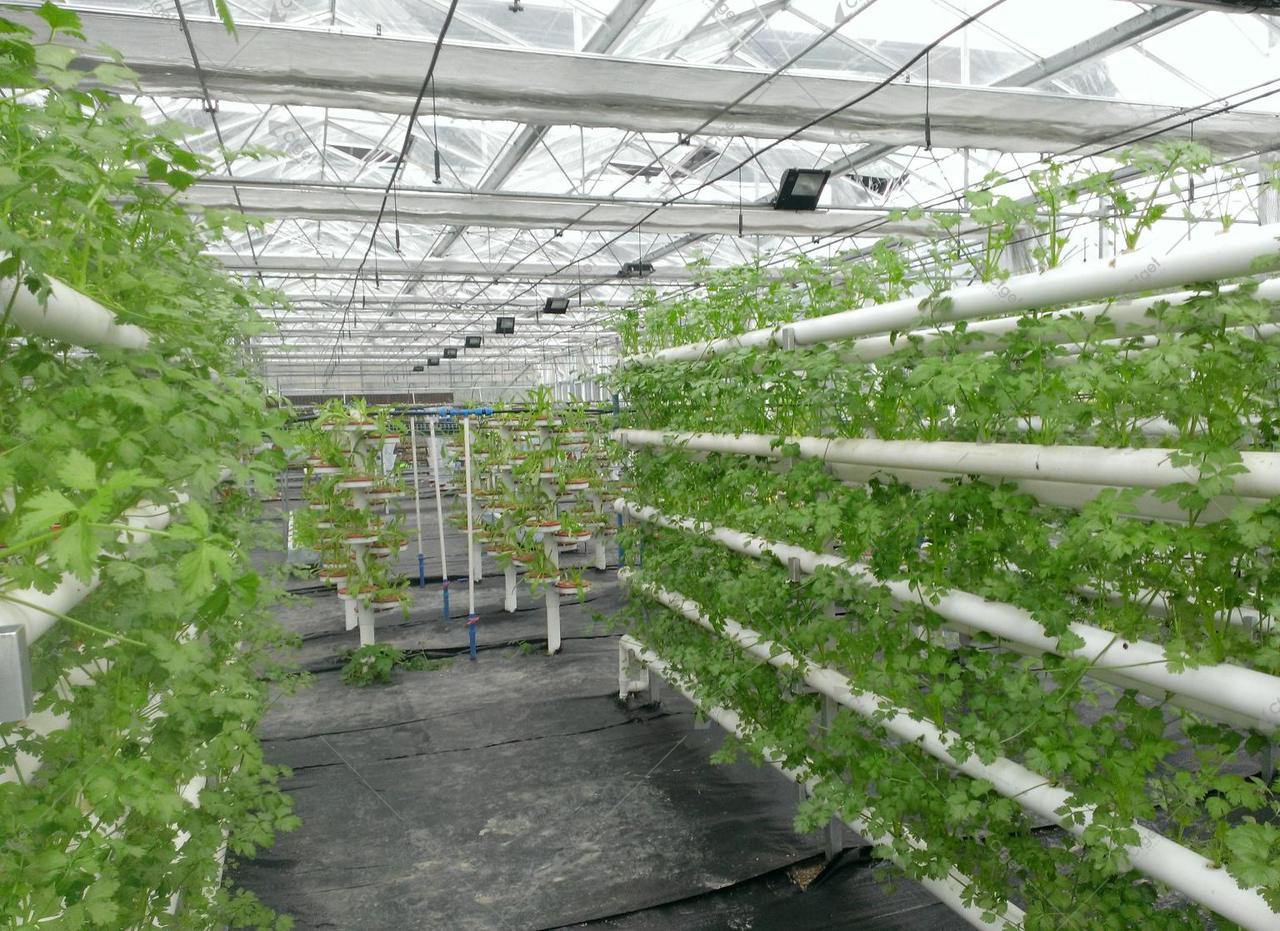
| RFQ field | Example | Why it matters |
| Measurement plane | Crop height, cultivated boundary, and point grid | Defines where uniformity exists |
| Operating state | Fixtures, dimming, screens, and daylight treatment | Makes results repeatable |
| Metric | Average, minimum, maximum, and stated ratio | Prevents one average from hiding weak zones |
| Acceptance | Calibrated PPFD map with circuit and control record | Proves installed performance |
Practical next step
Prepare one page covering Measurement plane, Operating state, Metric, Acceptance. Add the project city, crop, greenhouse area, available utilities, relevant drawings, and the party responsible for local work. Send that evidence to [email protected] for a first technical-scope review.
Before you use this recommendation
- Treat the article as a decision and RFQ guide, not a final engineering design.
- Replace every example with project-specific climate, crop, utility, code, and operating data.
- Require calculations, drawings, test records, or named assumptions for every important supplier claim.
How these recommendations were assembled
This guide combines the current search evidence listed above with a greenhouse project planning checklist: define the failure case, trace the interfaces, identify measurements, and turn unresolved assumptions into RFQ fields. CFGET observations are labeled as project-review judgment; local engineering and operating data remain the final authority.
Coraline Liao is CEO of CFGET. Her public LinkedIn profile describes her as a Greenhouse Technical Director with more than 15 years in the greenhouse industry, focused on customized climate-control and greenhouse solutions. Her published technical topics include greenhouse structures, climate control, light management, hydroponics, and fertigation. Her article reviews begin with the crop, climate, site, project scope, installation boundaries, and operating constraints. Technical recommendations should be adapted to local climate data, crop plans, budgets, and professional engineering review before implementation.
Professional profile: Coraline Liao on LinkedIn
Company details
CFGET: Founded in 1996, CFGET designs, manufactures, and delivers greenhouse systems and smart farming solutions from its own factory in Sichuan, China.
Address: NO 108, South Area Chengdu Modern Industrial Park, Sichuan, China
Email: [email protected]
About the company: https://cfgreenway.com/about/
Company profile: GreenWay on LinkedIn
Technical videos: Greenhouse project channel on YouTube
Where this fits in the greenhouse buying cluster
Start with the hub, then open the system or crop pages that match your decision.
- Commercial Greenhouse Buying Guide
- Commercial Greenhouse Solutions
- Choose Greenhouse Supplier
- Project Enquiry
- Technical Downloads
- Light Deprivation Greenhouses
- Greenhouse Light Management
- Greenhouse Project Cases